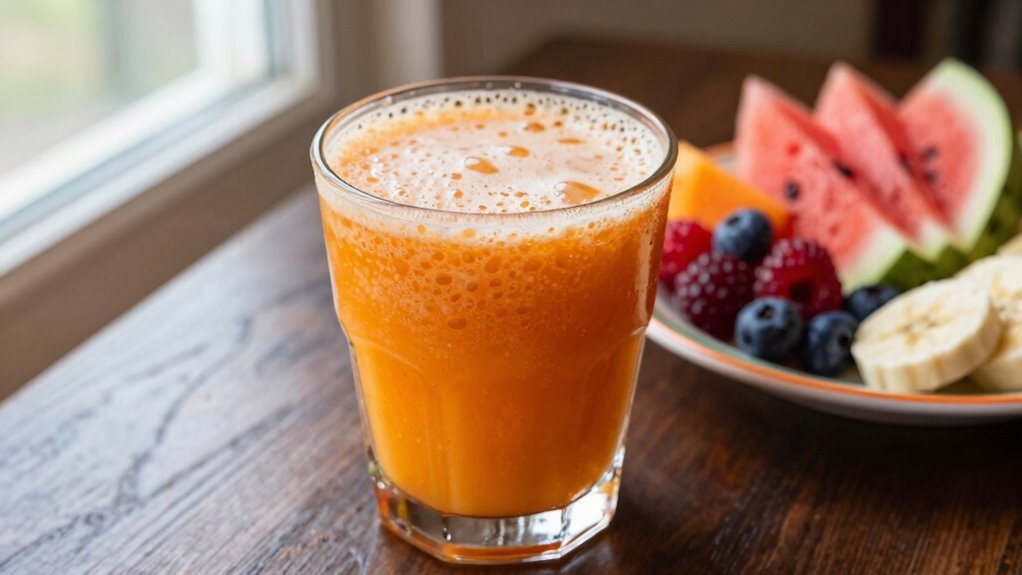

Recovery drinks are helpful after high-intensity or long workouts, especially when quick rehydration and nutrient replenishment are needed. They provide electrolytes, carbs, and protein faster than whole foods, making them ideal during the “anabolic window” or when time is limited. If your workout was moderate or shorter, whole foods like yogurt or smoothies can often suffice. To discover the best approach for your routine, explore more about how recovery options fit your needs.

Get workout gear delivered free with Prime
- Fast, free delivery on millions of items
- Prime Video, Amazon Music and more included
- Member-only deals all year
Key Takeaways
- Recovery drinks are most beneficial after high-intensity or long-duration workouts to quickly replenish fluids and electrolytes.
- Whole foods like smoothies or yogurt can suffice for moderate or shorter workouts, providing essential nutrients without processed drinks.
- Consume recovery drinks during the “anabolic window” for optimal muscle repair and glycogen replenishment.
- Hydration and electrolyte replacement are crucial; water alone may not meet needs after intense or prolonged exercise.
- Personal preference, timing, and workout intensity determine whether recovery drinks or whole foods are the best choice.
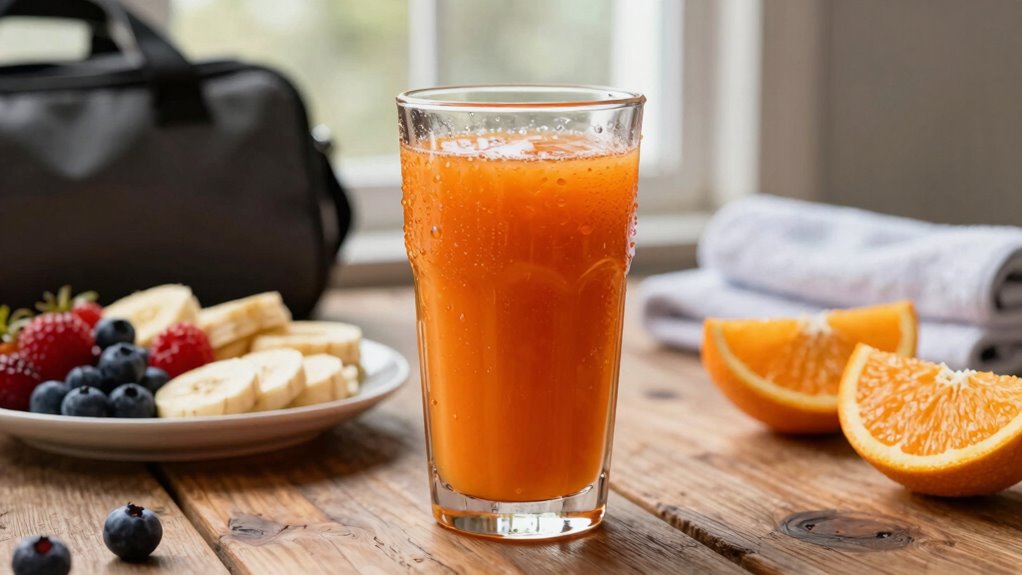
Are you wondering whether a recovery beverage is the right choice after your workout? The answer depends on several factors, including your workout intensity, duration, and your overall nutrition plan. Recovery drinks can be advantageous, especially if you’re engaging in high-intensity or long-duration exercise, but they’re not always necessary. To make the best decision, you need to understand hydration strategies and nutrient timing. Proper hydration is critical because it helps replace fluids lost through sweat, preventing dehydration and speeding up recovery. Recovery drinks often contain electrolytes like sodium and potassium, which help restore your body’s balance more quickly than water alone. If your workout is intense or lasts more than an hour, a recovery drink with electrolytes can be a smart choice to replenish what you’ve lost and maintain ideal hydration. Additionally, understanding electrolyte replacement can help optimize hydration and recovery strategies.
Nutrient timing plays a key role in deciding whether to reach for a recovery drink or just eat food. The window immediately after exercise, often called the “anabolic window,” is when your body is most receptive to absorbing nutrients. Consuming a recovery drink during this period can jump-start muscle repair and replenish glycogen stores more efficiently than waiting for a meal. If your workout is moderate and shorter, you might find that a well-balanced meal with carbs and protein suffices to meet your recovery needs. Think of foods like Greek yogurt with fruit, a smoothie, or a sandwich—these can provide both hydration and essential nutrients without the need for a specialized drink. Incorporating nutrient timing strategies can help you optimize your recovery and make the most of your efforts. A well-planned hydration approach can also support overall health and performance during training. However, if you’re pressed for time or find it difficult to eat immediately after exercising, a recovery drink offers convenience. It’s easy to digest, portable, and can be quickly absorbed to kick-start recovery. On the other hand, if you prefer whole foods and have enough time to eat, that can be just as effective. Whole foods also provide fiber, vitamins, and minerals that a processed recovery drink might lack.
electrolyte recovery drinks for athletes
As an affiliate, we earn on qualifying purchases.
As an affiliate, we earn on qualifying purchases.
Frequently Asked Questions
Are Recovery Drinks Suitable for All Types of Workouts?
Recovery drinks aren’t suitable for all workouts, especially shorter or less intense ones. You may benefit from post workout hydration and nutrient timing with a recovery drink if your session is long or highly strenuous. For lighter workouts, food often suffices to replenish energy and nutrients. Always consider your workout type, duration, and intensity to decide if a recovery drink enhances your recovery or if regular food does the job.
How Soon After Exercise Should I Consume a Recovery Drink?
You should aim to consume a recovery drink within 30 to 60 minutes after exercise. This window optimizes post-exercise timing, ensuring your body quickly absorbs nutrients needed for repair and replenishment. Waiting too long can slow nutrient absorption, hampering recovery. By acting promptly, you support muscle repair and energy restoration, making your post-workout routine more effective. It’s a small window that makes a big difference in how you recover.
Can Recovery Drinks Replace Regular Meals Entirely?
Recovery drinks shouldn’t replace regular meals entirely because they often lack the nutritional balance you need for overall health. While they can be useful immediately after intense workouts, they usually don’t provide the full range of vitamins, minerals, and fiber found in balanced meals. Always check ingredient transparency to verify you’re getting quality nutrients, and use recovery drinks as a supplement, not a substitute, for your regular, nutrient-rich meals.
Are There Any Health Risks Associated With Excessive Recovery Drink Consumption?
Yes, excessive recovery drink consumption can pose health risks. Overloading on these drinks might lead to ingredient safety issues, especially if they contain additives or artificial sweeteners. You should also watch for allergy concerns, as some ingredients could trigger reactions. Consuming too many recovery drinks may also cause weight gain or gastrointestinal discomfort. It’s best to use them as supplements rather than replacements and consult a healthcare professional for personalized advice.
What Are the Best Natural Food Alternatives to Recovery Drinks?
Natural sugars from fruits like bananas or berries, combined with hearty whole grains such as oats or brown rice, serve as excellent recovery food alternatives. While recovery drinks offer quick carbs, these natural options provide sustained energy and essential nutrients without artificial additives. You’ll feel more energized and nourished, not just temporarily satisfied. Opting for whole, natural foods supports your body’s recovery process while nourishing you deeply and healthfully.
Conclusion
So, next time you hit the gym or go for a run, remember: choosing between a recovery drink and real food isn’t just a tiny decision—it’s like choosing between a sip of water and the whole ocean! If you want to recover faster than a superhero saving the day, sometimes the right food can do the trick better than any fancy drink. Trust your instincts, fuel smart, and watch your recovery turn into an epic comeback story!
Fall Picks
fall essentials
As an affiliate, we earn on qualifying purchases.