

To use wrist-based sleep data without overreacting, focus on trends over weeks instead of nightly changes. Look for consistent patterns in your sleep quality rather than stressing over single nights. Consider your pre-bedtime routine and stress levels, and implement gradual shifts based on your insights. Remember, devices aren’t perfect; they’re tools to guide you. Instead of fixating on numbers, celebrate small wins in how rested you feel. You’ll find more tips to enhance your sleep journey ahead.

Get workout gear delivered free with Prime
- Fast, free delivery on millions of items
- Prime Video, Amazon Music and more included
- Member-only deals all year
Key Takeaways
- Focus on long-term sleep trends instead of nightly fluctuations to avoid undue stress.
- Recognize that wearable devices may misinterpret data; use it as a guideline, not absolute truth.
- Celebrate small victories in sleep quality to promote positive behavior changes over time.
- Implement gradual lifestyle adjustments based on consistent patterns rather than isolated metrics.
- Prioritize overall feelings of restfulness in the morning over exact sleep data numbers.
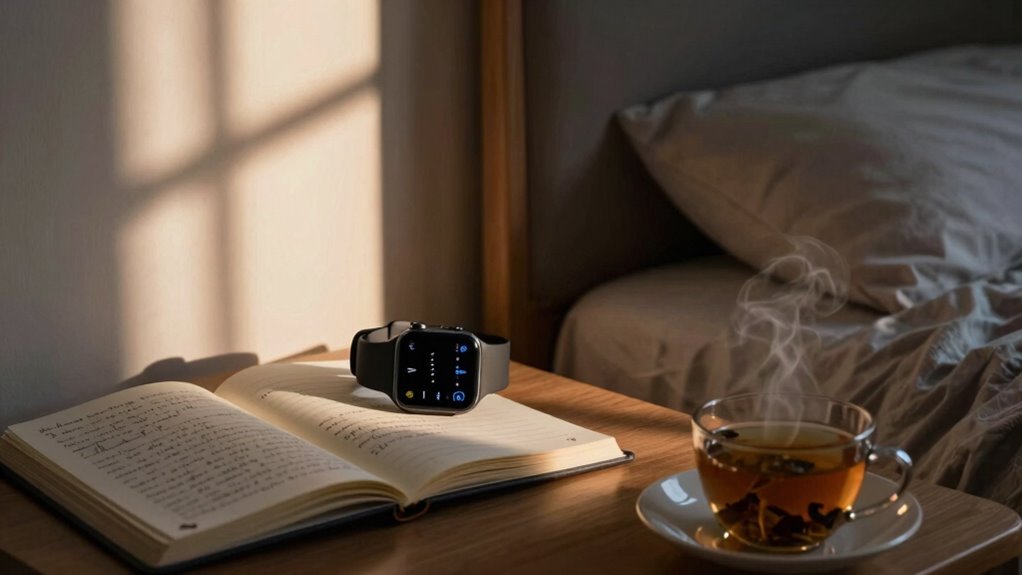
Understanding how to use wrist-based sleep data can transform your nighttime routine, especially if you’re struggling to get quality rest. With the rise of wearable technology, sleep tracking has become more accessible than ever. However, it’s important to approach this data with a level head and avoid overreacting to the numbers. By learning how to interpret this data effectively, you can make informed changes that enhance your sleep without becoming overly fixated on every detail.
When you first start using a device, you might feel overwhelmed by the amount of information it provides. From sleep duration to heart rate variability, the data can seem like a lot to digest. Instead of stressing over every single metric, focus on the broader patterns. Look for trends over weeks or months, rather than stressing about a single night’s sleep. This way, you can form a clearer picture of your sleep patterns and make adjustments that are more likely to yield positive results.
Data interpretation is key to using wrist-based sleep data effectively. If you notice that you’re consistently getting less deep sleep, for example, consider factors like your pre-bedtime routine or stress levels. You might find that reducing screen time or incorporating relaxation techniques before bed greatly improves your sleep quality. Rather than panicking about one poor night’s sleep, use the data as a guide to make gradual changes. Recognizing sleep cycle patterns can help you better interpret the information and identify areas for improvement. Additionally, understanding sleep tracking accuracy can help you set realistic expectations and avoid unnecessary worry.
Data interpretation is crucial for improving sleep; focus on trends and gradual changes rather than stressing over individual nights.
It’s also essential to remember that wearable technology isn’t perfect. These devices can sometimes misinterpret your movements or ambient factors that affect your sleep. So, while the data can provide useful insights, treat it as a helpful tool rather than an absolute truth. If you notice discrepancies between how you feel and what the data shows, trust your own experience. Being aware of wearable limitations can also help you maintain a balanced perspective on your sleep data. Furthermore, adjusting your expectations based on the ambient environment can improve your understanding of the data’s context.
Lastly, don’t forget to celebrate your sleep successes. If you notice improvements in your sleep patterns, acknowledge them! This positive reinforcement can motivate you to stick with any new habits you’ve developed. Instead of fixating on the numbers, focus on how you feel and how well-rested you are in the mornings.
As an affiliate, we earn on qualifying purchases.
Frequently Asked Questions
Can Wrist-Based Sleep Trackers Be Inaccurate?
Yes, wrist-based sleep trackers can be inaccurate. Factors like how snugly you wear the device and your movement can affect accuracy. Additionally, technology limitations mean these trackers might misinterpret your sleep stages. They often rely on heart rate and motion, which aren’t always reliable indicators of sleep quality. You should consider these aspects when interpreting your data, so you don’t overreact to what the tracker says about your sleep patterns.
How Do Different Devices Compare in Sleep Tracking?
Different devices vary in sleep tracking accuracy and features. Some offer advanced sensors that monitor heart rate and movement, while others stick to basic metrics. You’ll find that higher-end models typically provide more reliable data, but even budget options can give you a decent overview. It’s essential to compare user reviews and test a few devices to see which one fits your lifestyle and meets your tracking needs effectively.
What Should I Do if Data Seems Inconsistent?
If your sleep data seems inconsistent, take a step back and assess your overall sleep patterns. Don’t panic—data interpretation can vary between devices. Consider factors like stress, caffeine intake, or changes in routine that might affect your sleep. You might also want to compare your findings with how you feel during the day. Keep a journal to track these changes, which can help you spot trends and make sense of the data.
Can I Use Sleep Data to Adjust My Routines?
Think of your sleep data as a compass guiding you through the night. Yes, you can use that information to adjust your routines. By analyzing your sleep hygiene, you can identify patterns that may reveal what helps or hinders your rest. If you’re consistently waking up tired, consider tweaking your bedtime or creating a relaxing pre-sleep ritual. Small routine adjustments can lead to big improvements in how well you sleep and feel.
Are There Privacy Concerns With Sleep Tracking Devices?
Yes, there are privacy concerns with sleep tracking devices. Most importantly, you need to guarantee that your data security is prioritized. Check if the device requires user consent for data collection and sharing. Always read the privacy policy to understand how your sleep data is used. If you’re uncomfortable, consider opting out of data sharing or switching to devices with stronger security measures to protect your personal information.
Conclusion
Just like a sailor reading the stars, you can navigate your sleep data without letting it steer your ship off course. Use the insights to adjust your sails, but don’t get lost in the vast ocean of numbers. Trust your instincts and remember that each night is a new journey. Embrace the waves of restlessness and the calm of a good night’s sleep, knowing that balance is the key to finding your way to peaceful shores.
Fall Picks
fall essentials
As an affiliate, we earn on qualifying purchases.