
When you run the Boston Marathon, you’ll face challenging rolling hills like Heartbreak Hill, so pacing and hill training are key. The lively crowds line every street, cheering you on and boosting your morale, especially during tough uphill moments. Strategy involves starting conservatively and maintaining a steady pace to conserve energy for the final miles. With passionate supporters and a historic course, it’s an experience that tests your resilience and leaves lasting pride—learn more to prepare fully for this iconic race.
Key Takeaways
- The course features challenging hills like Heartbreak Hill, requiring strategic pacing and hill training for success.
- Packed with enthusiastic spectators, crowd support boosts morale and motivation throughout the race.
- Starting conservatively helps conserve energy for rolling hills and tough sections, ensuring a strong finish.
- Maintaining steady pacing and practicing race-day nutrition are vital for endurance during the course.
- The marathon’s atmosphere embodies resilience and community, making finishing a memorable and proud achievement.
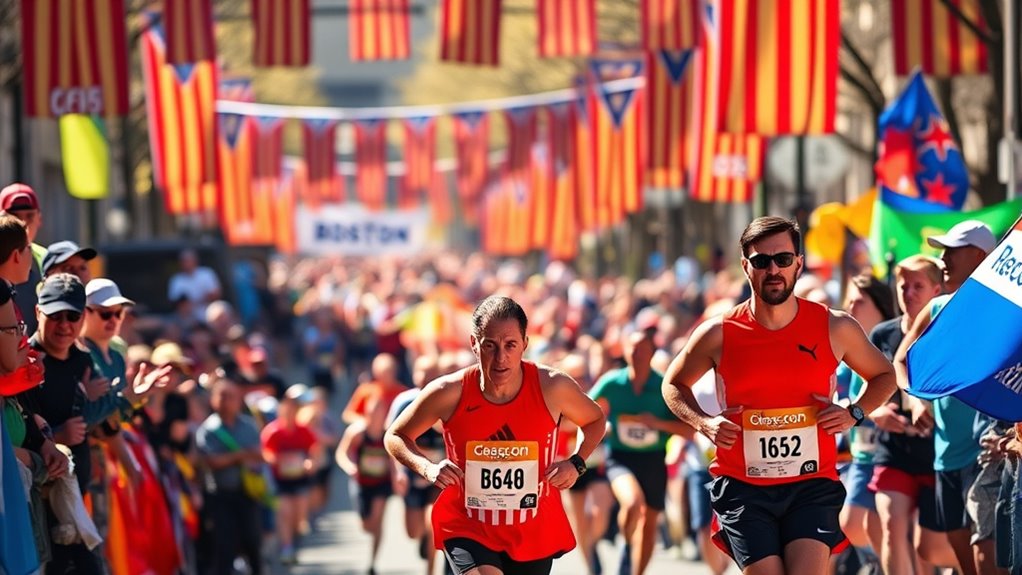
Have you ever wondered what it’s like to run the legendary Boston Marathon? It’s an experience unlike any other, filled with history, energy, and a community that truly rallies behind each runner. To make the most of your journey, focusing on training tips is essential. The Boston course is notoriously challenging, especially with its famous hills like Heartbreak Hill. You’ll want to incorporate hill training into your routine well in advance, so your legs can handle those tough inclines confidently. Building endurance gradually, practicing pacing, and paying attention to nutrition are vital elements to prepare your body for race day. The more you simulate race conditions during your training, the better equipped you’ll be to maintain your pace and conserve energy for the final stretch. Remember, the support from spectators along the route can be a game-changer. The crowds in Boston are passionate and numerous, lining the streets from start to finish. Their cheers, signs, and encouragement boost your morale, making those difficult moments more manageable. When you’re feeling fatigued, a shout-out from the crowd can give you a renewed sense of determination. To truly enjoy this aspect, try to stay engaged with the spectators. Smile, make eye contact, and soak in the electric atmosphere. It’s contagious and can help you push through the toughest parts of the course. Planning your race strategy around the course’s layout is equally important. The Boston Marathon is known for its rolling hills, so pacing is key. Many runners find that starting conservatively allows them to finish strong, especially given the mental and physical toll of the uphill sections. As you approach Heartbreak Hill, you’ll notice the crowd’s energy intensifies, providing a mental boost that can carry you through the final miles. Hydration and nutrition stations are placed strategically, so stay consistent with your fueling plan. Don’t forget to listen to your body; racing at a steady, sustainable pace is better than pushing too hard early on. The course itself is a scenic tour through history and neighborhoods, but it’s the collective energy of fellow runners and spectators that makes it unforgettable. Embrace the challenge, rely on your training, and let the support around you propel you to the finish line. The Boston Marathon isn’t just about racing; it’s about experiencing a tradition marked by perseverance, community, and resilience. Interestingly, the course’s challenging terrain emphasizes the importance of hill training to build strength and confidence. When you cross that finish line, it’s a feeling of accomplishment that will stay with you forever.
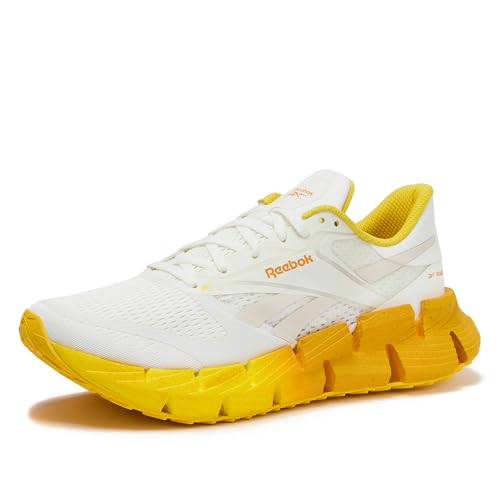
Reebok Floatzig Running Shoes for Men, Chalk/Sand/Golden Haze, 10.5
REEBOK TECHNOLOGY – Why choose between soft and springy? Fast and smooth? Meet the new shape of running,…
As an affiliate, we earn on qualifying purchases.
As an affiliate, we earn on qualifying purchases.
Frequently Asked Questions
What Is the Best Way to Train for Boston Marathon Weather Conditions?
To train effectively for Boston Marathon weather, focus on marathon gear that adapts to varying conditions, like moisture-wicking layers and wind-resistant jackets. Incorporate weather adaptation into your training by running in different temperatures, rain, or wind to build resilience. This prepares you physically and mentally, ensuring you’re comfortable regardless of the forecast. Consistent exposure helps your body adjust, making you more confident on race day.
How Do I Navigate the Qualifying Standards for Entry?
Imagine you’re aiming to qualify with a 3:30 finish time. To navigate the qualifying standards and entry requirements, you first review the official time standards based on your age group. Then, focus on consistent training and race pace strategies to meet or beat those standards. Keep track of race results and submit your application early. Staying informed about any updates to qualifying standards guarantees you meet all entry requirements smoothly.
What Are the Most Effective Pacing Strategies for Different Runner Levels?
To optimize your pacing, focus on pacing techniques that match your runner endurance level. If you’re a beginner, start slower and gradually increase your pace to conserve energy. More advanced runners can maintain a steady, challenging pace from the start. Use a GPS watch or race pace band to stay on target, and listen to your body to avoid burnout. Consistent pacing helps you finish strong and achieve your goals.
How Do I Manage Nutrition and Hydration During the Race?
You should stay ahead of the game by planning your nutrition and hydration. Take energy gels at regular intervals, especially around miles 8, 15, and 20, to keep your energy levels steady. Make sure to hydrate at hydration stations along the course—sip water or sports drinks to prevent dehydration. Listen to your body, and don’t wait until you’re thirsty—prevention is better than cure.
What Safety Tips Should I Consider for Crowded Race Day Conditions?
To stay safe in crowded race conditions, focus on crowd management by staying aware of your surroundings and maintaining a steady pace. Wear appropriate safety gear like a hydration belt or reflective clothing to enhance visibility and hydration. Keep your hands free for balance, avoid sudden movements, and communicate with fellow runners if needed. Remember, staying alert and prepared helps prevent accidents and guarantees an enjoyable race experience.

INOXTO Running Hydration Vest Backpack,Lightweight Insulated Pack with 1.5L Water Bladder Bag Daypack for Hiking Trail Running Cycling Race Marathon for Women Men (Light Gray)
❤ 【Ergonomic and comfortable design】 INOXTO Hiking Backpack Water Bladder Vest Kit aligns your back while gently protecting…
As an affiliate, we earn on qualifying purchases.
As an affiliate, we earn on qualifying purchases.
Conclusion
Despite the challenging hills and bustling crowds, your Boston Marathon experience will be unforgettable. Some might think the course is too tough or the crowds overwhelming, but these elements add to the race’s unique energy. Embrace the challenge, stay focused, and let the support push you forward. In the end, crossing that finish line is worth every mile. You’ll leave with memories that inspire and a sense of accomplishment like no other.

Timex Men's TW5M14500 Ironman Essential 30 Black/Lime Silicone Strap Watch
Adjustable black 18mm silicone strap fits up to 8-inch wrist circumference
As an affiliate, we earn on qualifying purchases.
As an affiliate, we earn on qualifying purchases.

Honey Stinger Organic Fruit Smoothie Energy Gel, Gluten Free & Caffeine Free, for Exercise, Running and Performance, Sports Nutrition for Home & Gym, Pre and Mid Workout, 12 Pack, 13.2 Ounce
DELICIOUS A classic fruit blend in a 12ct box. These grab-and-go energy gels are made for quick, sustained…
As an affiliate, we earn on qualifying purchases.
As an affiliate, we earn on qualifying purchases.