To wash your hydration flasks and vests easily, rinse them with warm water immediately after use to remove residues, then clean with mild soap or specialized tablets. Use a soft brush for bottles and check manufacturer instructions for silicone parts. Avoid harsh chemicals like bleach unless rated safe. Regularly inspect for wear and follow proper cleaning methods to prevent odors and bacteria buildup. Keep your gear in top shape—discover more tips to simplify your cleaning routine.

Get workout gear delivered free — and shop member deals
- Fast, free delivery on millions of items
- Access to Prime Big Deal Days deals on October 6–7
- Prime Video, Amazon Music and more included
Key Takeaways
- Rinse with warm water immediately after use to prevent residue buildup.
- Use mild soap or specialized cleaning tablets for thorough cleaning, avoiding harsh chemicals.
- Scrub all interior surfaces, including corners, with a soft brush or sponge suited to the material.
- Check manufacturer instructions for specific cleaning methods for flasks and vests.
- Regularly inspect for wear, and dry thoroughly to prevent mold and odors.
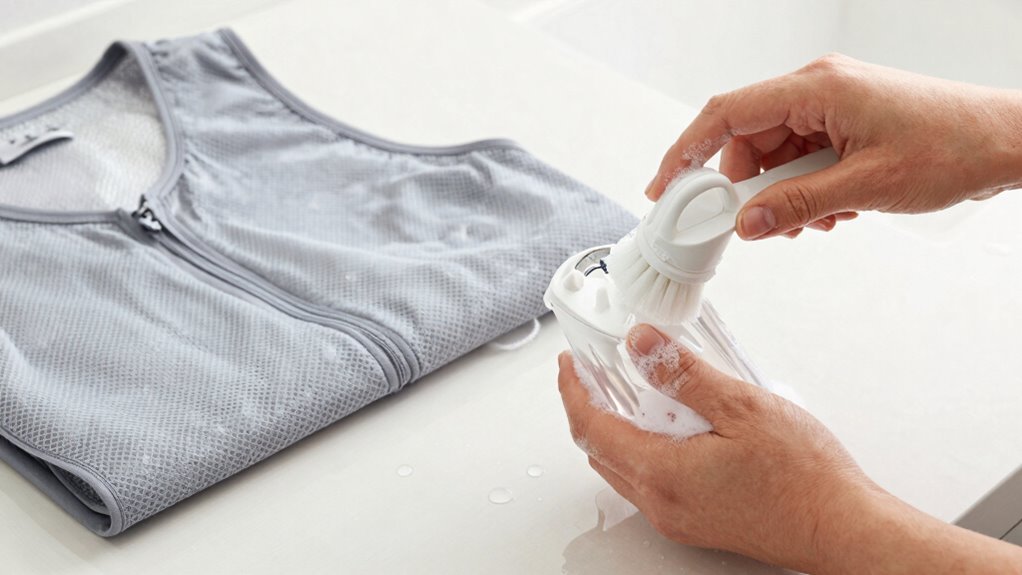
Keeping your hydration flasks and vests clean is essential for maintaining their performance and ensuring your health. Proper cleaning not only prolongs their lifespan but also prevents bacteria buildup and unpleasant odors. To do this effectively, you need to understand the basics of cleaning cycles and material compatibility. Different materials, like plastic, silicone, or stainless steel, require tailored approaches to avoid damage and guarantee thorough sanitation.
Maintaining clean hydration gear ensures optimal performance, health, and longevity through tailored cleaning approaches for different materials.
Start by rinsing your flask or vest with warm water immediately after each use. This quick rinse removes any remaining liquids and prevents residue from drying and becoming stubborn. For a deeper clean, set up a cleaning cycle using a mild soap or specialized cleaning tablets designed for hydration gear. These cleaning cycles are vital for breaking down biofilms and removing bacteria, mold, or mold spores that can develop over time. Avoid harsh chemicals like bleach unless specified by the manufacturer, as they can damage certain materials. Understanding material sensitivity can help you choose the safest cleaning methods. Additionally, choosing appropriate cleaning agents can significantly impact the longevity of your gear. Using proper maintenance practices can also extend the lifespan of your hydration gear and keep it in optimal condition. Regularly inspecting your gear for any signs of wear or damage is also an important maintenance habit.
Moreover, selecting cleaning methods that align with the material type ensures your gear remains in top condition without deterioration. Material compatibility plays a crucial role in choosing cleaning agents and methods. Plastic bottles, for example, are lightweight and durable but can absorb odors or stains if not cleaned properly. Use a soft brush or sponge to scrub the interior gently, ensuring you reach all corners. Silicone parts, such as mouthpieces or seals, are flexible and resistant to many cleaning agents, but some may cause deterioration over time. Always check manufacturer instructions to confirm which cleaning agents are safe for your specific gear. Stainless steel bottles are generally more resistant to cleaning cycles and less prone to retaining odors, but they still benefit from regular scrubbing and rinsing.
As an affiliate, we earn on qualifying purchases.
Frequently Asked Questions
Can I Use Bleach to Disinfect My Hydration Gear?
Using bleach to disinfect your hydration gear isn’t recommended because of bleach safety concerns. It can damage the materials and leave harmful residues. Instead, opt for disinfection alternatives like white vinegar or baking soda, which are effective and gentle. These options thoroughly clean your gear without risking damage or health issues, ensuring your hydration gear stays safe and hygienic for your next adventure.
How Often Should I Replace the Hydration Vest or Flask?
Think of your hydration gear as a trusty compass guiding your adventures. To guarantee its hydration gear longevity, replace your flask or vest every 1-2 years, or sooner if you notice cracks, leaks, or persistent odors. Follow replacement guidelines to keep your gear safe and functional. Regular inspection and timely replacement help prevent mold buildup and maintain cleanliness, so your hydration gear continues to serve as a reliable partner on every journey.
Are There Specific Cleaning Tools Recommended for Tough Stains?
For tough stains, you should use cleaning brushes designed for hydration gear, which help scrub stubborn spots effectively. Pair these with specialized stain removers safe for plastic and fabric materials. Apply the stain remover directly to the stain, then use the brush to gently scrub. Rinse thoroughly afterward. This combo guarantees your hydration flask or vest gets clean without damage, leaving it fresh and ready for your next adventure.
Can I Put Hydration Vests in the Washing Machine?
You can put hydration vests in the washing machine, but it’s best for routine hydration gear maintenance. Use a gentle cycle and cold water to prevent damage. Before washing, empty the vest and remove any loose dirt. Choose cleaning products designed for activewear or sports gear to preserve material integrity. Always check the manufacturer’s instructions, as proper cleaning product choices ensure your hydration vest lasts longer and stays fresh.
What Should I Do if Mold Develops Inside the Flask?
If mold develops inside your flask, you should do mold removal immediately to prevent health risks. First, fill the flask with warm water and add a mixture of baking soda or vinegar for safe cleaning. Shake it well, then use a brush to scrub the interior thoroughly. Rinse completely with clean water. Regular, safe cleaning prevents mold from returning and keeps your hydration gear fresh and safe to use.
Conclusion
Now, as you rinse out your hydration gear, imagine each splash washing away not just dirt but the memories of your latest adventure. It’s a simple act that keeps your gear invigorating and ready for the next trail or race. With every clean, you’re preparing to embrace new journeys, feeling that perfect balance of freshness and preparedness. So, next time you wash your flask and vest, remember—you’re also energizing your spirit for whatever’s ahead.
Fall Picks
fall essentials
As an affiliate, we earn on qualifying purchases.