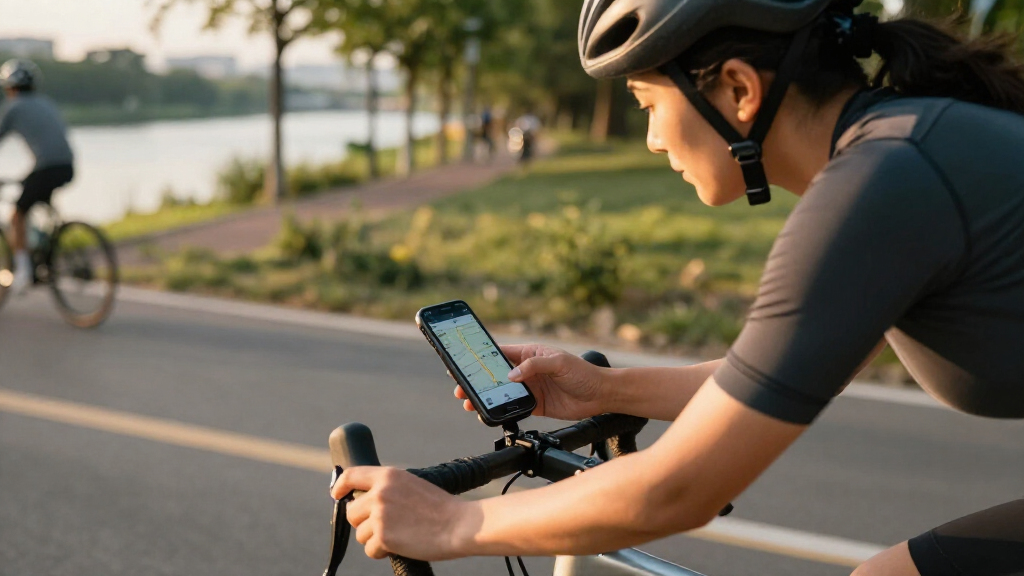

The best cycling fitness apps depend on whether you want structured indoor workouts, outdoor ride tracking, or help building a consistent routine. Strava stands out as the strongest all-around choice for logging rides and connecting with other cyclists, while ICG Virtual Cycling and icTrainer are more focused on indoor training. The main tradeoffs are workout depth, compatibility with your bike or sensors, social features, and how much guidance you want from the app. Names in this roundup include both broad fitness tools and apps aimed at narrower goals, so their usefulness varies by riding style. Read on for the full breakdown and guidance on choosing the right fit.

Get workout gear delivered free with Prime
- Fast, free delivery on millions of items
- Prime Video, Amazon Music and more included
- Member-only deals all year
Complete the kit



Key Takeaways
- Strava leads for general ride tracking and cycling community features, while indoor-focused options such as ICG Virtual Cycling and icTrainer are better suited to planned sessions at home.
- The lineup spans distinct purposes: ride logging, guided workouts, indoor spinning, and weight-loss support are not interchangeable app jobs.
- Device and equipment compatibility can matter more than workout variety; check whether an app works with your bike, trainer, phone, and sensors before committing.
- Beginner-oriented guidance and advanced training controls serve different riders, so a feature-rich platform may add clutter rather than value for casual cyclists.
- Similar or ambiguous app names make careful identification worthwhile; compare the exact app and developer listing before downloading, particularly for the two Peloton entries and general bike-tracking titles.
| ICG Virtual Cycling |  | Best for Indoor Class-Style Training | VIEW LATEST PRICE | See Our Full Breakdown | |||
| Bike Ride |  | Best for Straightforward Ride Recording | VIEW LATEST PRICE | See Our Full Breakdown | |||
| Peleton |  | Best for Guided Workout Motivation | VIEW LATEST PRICE | See Our Full Breakdown | |||
| Cycling Workout & Bike Tracker |  | Best for a Combined Workout-and-Tracking Focus | VIEW LATEST PRICE | See Our Full Breakdown | |||
| Peloton |  | Best for Indoor Class Variety | VIEW LATEST PRICE | See Our Full Breakdown | |||
| Bikeable |  | Best for Local-Ride Discovery | Product name: Bikeable | Product type: Cycling app (details not provided) | ASIN: B00ZTBTBQO | VIEW LATEST PRICE | See Our Full Breakdown |
| Best Cycling Apps for Weight Loss |  | Best for Weight-Loss App Research | Product title: Best Cycling Apps for Weight Loss | Product type: Unconfirmed; title refers to cycling apps for weight loss | ASIN: B08SMQ93KY | VIEW LATEST PRICE | See Our Full Breakdown |
| Strava |  | Best for Social Ride Tracking | Product name: Strava | Product type: Cycling app | ASIN: B010TQNSYY | VIEW LATEST PRICE | See Our Full Breakdown |
| icTrainer Indoor Spinning Training |  | Best for Indoor Spinning | Product name: icTrainer Indoor Spinning Training | Product type: Indoor spinning training product | ASIN: B07QYDZD9H | VIEW LATEST PRICE | See Our Full Breakdown |
More Details on Our Top Picks
ICG Virtual Cycling
ICG Virtual Cycling is the most class-oriented option in this group, making it a fit for riders who want guided indoor sessions rather than a ride log. Compared with Bike Ride, which sounds more focused on recording outdoor activity, ICG’s virtual-cycling focus points toward structured workouts for stationary-bike sessions. That can make indoor training feel more directed, but the product information supplied here does not confirm workout variety, equipment compatibility, coaching features, or tracking tools. I would choose it only if its app listing confirms it works with your bike and offers the session format you want. Riders seeking a clearly documented activity tracker may find Cycling Workout & Bike Tracker easier to evaluate; ICG’s appeal depends on its indoor-session offering, with limited verified detail available.
Pros:- Virtual-cycling focus suits indoor workout sessions.
- A class-style alternative to ride-recording apps such as Bike Ride.
- May appeal to riders who prefer guided sessions over self-directed training.
Cons:- No product description or technical specifications were provided to verify its tools.
- Bike compatibility, workout selection, and tracking capabilities are unclear.
- Less clearly suited to outdoor route logging than an app explicitly positioned as a bike tracker.
Best for: Indoor riders who want guided virtual cycling sessions and can confirm compatibility with their stationary bike before installing.
Not ideal for: Outdoor cyclists who mainly need route recording, or anyone who requires verified device compatibility and feature details before choosing an app.
Our verdict“Choose ICG Virtual Cycling if you want indoor guided rides and can verify that its sessions and compatibility match your setup.”
Bike Ride
Bike Ride is the most straightforwardly named choice for cyclists who want an app centered on bike rides rather than virtual classes. That makes it a more natural starting point for outdoor activity tracking than ICG Virtual Cycling, whose positioning suggests indoor sessions. The name alone does not confirm whether Bike Ride records GPS routes, distance, speed, or workout history, so I would check the app’s current listing before relying on it as a training log. It also has less clearly differentiated coaching appeal than Peloton, which is associated with instructor-led workouts. This pick makes the most sense for riders seeking a simple cycling-focused tool, not those choosing an app for a known training plan, connected-bike support, or verified performance metrics.
Pros:- Cycling-focused name makes its intended activity clear.
- A more direct outdoor-ride alternative to ICG Virtual Cycling’s indoor emphasis.
- Could suit riders who prefer ride tracking over class-based workouts.
Cons:- No description or specs were supplied to confirm the metrics it records.
- Coaching, route, and device-support capabilities are unknown.
- The available information is too limited to compare its training tools with Peloton.
Best for: Casual outdoor cyclists looking for a cycling-focused app and willing to verify its recording and tracking features before use.
Not ideal for: Riders who need confirmed GPS metrics, structured coaching, or integration with a specific bike or sensor.
Our verdict“Pick Bike Ride for a potentially simple cycling tracker, but verify its ride-recording features before making it your training log.”
Peleton
Peleton appears intended for riders drawn to instructor-led cycling workouts, giving it a different role from tracking-focused options such as Bike Ride. Guided sessions can help a rider follow a workout rather than decide every interval independently, which is useful when motivation and structure matter more than route logging. The supplied product data does not confirm whether this listing is an official Peloton app, what classes it includes, or which bikes and devices it supports. That uncertainty matters: the separately listed Peloton product may represent a different app listing, and the names alone do not establish that their features match. I would verify the publisher and current app details first. Riders seeking a clearly specified cycling tracker should compare it with Cycling Workout & Bike Tracker instead.
Pros:- The Peloton-style positioning suggests guided workout motivation.
- Offers a class-oriented contrast to Bike Ride’s apparent ride-tracking focus.
- May suit indoor riders who prefer following instruction to planning intervals.
Cons:- The supplied information does not verify the publisher or class catalog.
- Bike, sensor, and device compatibility are unspecified.
- Outdoor tracking and performance metrics are not confirmed.
Best for: Cyclists who want instructor-led indoor workouts and can confirm the app’s publisher, class access, and equipment support.
Not ideal for: Buyers who need a verified official app listing, outdoor ride logging, or clearly documented device compatibility.
Our verdict“Consider Peleton for instructor-led indoor training only after confirming that this listing is the intended app and supports your setup.”
Cycling Workout & Bike Tracker
Cycling Workout & Bike Tracker has the broadest stated purpose among these listings: its name combines workouts with bike tracking. That makes it a plausible middle ground between Bike Ride, which sounds more recording-oriented, and ICG Virtual Cycling, which points toward indoor virtual sessions. The combined focus could suit riders who want exercise support and ride records in one place, but the supplied data does not specify whether it includes GPS, training plans, statistics, or sensor connections. Without those details, I would not treat the title as proof of particular features. Compared with Peloton, it is less clearly positioned around instructor-led classes; its potential advantage is a wider mix of workout and tracking tasks, provided the app listing confirms what those tools actually do.
Pros:- Its stated scope combines cycling workouts and bike tracking.
- Potentially broader use than Bike Ride’s apparent ride-recording emphasis.
- Could serve riders who want workouts without focusing solely on virtual classes.
Cons:- No description or technical details confirm which workout or tracking features are included.
- GPS, sensors, and device support are unspecified.
- Its training depth cannot be compared confidently with Peloton from the supplied information.
Best for: Cyclists who want one app that may cover both workout sessions and ride tracking, after checking the available metrics and tools.
Not ideal for: Riders who require confirmed GPS accuracy, detailed training plans, or a specific class catalog before choosing.
Our verdict“Choose this listing if you want a workout-and-tracking combination, but confirm the specific tools it provides before relying on it.”
Peloton
Peloton is the clearest fit here for cyclists who prioritize guided indoor classes, setting it apart from Bike Ride and its apparent ride-recording focus. A class-led approach can give training sessions a ready-made structure and instructor guidance, while an activity tracker is better suited to logging a ride on your own terms. The information provided for this specific listing includes no description or technical details, so class availability, subscription requirements, equipment compatibility, and tracking functions cannot be confirmed here. I would check those points before choosing it, especially since another product in this batch is titled Peleton and the supplied data does not establish whether the two listings are connected. This is a class-first pick, not a verified choice for outdoor GPS logging or sensor-based performance analysis.
Pros:- Class-first positioning distinguishes it from ride-tracking options such as Bike Ride.
- Guided workouts may provide more structure than self-directed tracking apps.
- A recognizable indoor-cycling focus for riders seeking instructor-led sessions.
Cons:- No description or specs were provided for this specific listing.
- Class access, subscriptions, and equipment compatibility are unverified.
- The relationship between this listing and the separately named Peleton app is unclear.
Best for: Indoor cyclists who want guided classes and will confirm the app’s current class access and compatibility with their bike.
Not ideal for: Outdoor riders seeking verified route recording, or buyers who need clear subscription and equipment details before installing.
Our verdict“Choose Peloton if guided indoor classes are your priority and the listing confirms the access and equipment support you need.”
Bikeable
Bikeable’s potential appeal is local route discovery, which can make a cycling routine feel more practical than a workout app focused on indoor sessions. The supplied listing gives no feature details, though, so I can’t verify whether it offers route planning, ride tracking, training plans, or fitness metrics. That makes it a less certain pick for structured progress than Strava, whose name is at least associated here with a dedicated cycling app, or icTrainer Indoor Spinning Training, which is explicitly described as an indoor training product. Bikeable may suit someone seeking a cycling-specific starting point, but buyers should confirm the app’s current functions and device compatibility before relying on it for training. Its missing product details are a real limitation, not a reason to assume features.
Pros:- Cycling-specific name may appeal to riders seeking an app centered on biking
- Could serve as a candidate for local riding needs if its current features match the buyer’s goals
- Offers a distinct alternative to the indoor-training focus identified for icTrainer
Cons:- No product description or feature details were provided
- Training, route, tracking, and device capabilities cannot be verified from the supplied data
- The listing gives little basis for comparing its fitness tools with Strava
Best for: Cyclists interested in a cycling-focused app who are willing to verify its current route, tracking, and device features before choosing it
Not ideal for: Riders who need confirmed workout plans, performance tracking, or indoor-bike integration, since the supplied listing does not establish those capabilities
- Product name:Bikeable
- Product type:Cycling app (details not provided)
- ASIN:B00ZTBTBQO
- Description:Not provided
- Feature information:Not provided
- Technical specifications:Not provided
Our verdict“Choose Bikeable only if its current listing confirms the cycling tools you need; Strava is a more defensible comparison when verified app details matter.”
Best Cycling Apps for Weight Loss
This listing is a title about cycling apps for weight loss, not a documented fitness app, so I would treat it as a research lead rather than a ready-to-use training tool. No description confirms whether it includes cycling workouts, calorie estimates, ride tracking, or coaching. That distinction matters for buyers comparing it with Strava, which is presented as an app, or icTrainer Indoor Spinning Training, which is identified as an indoor workout product. The weight-loss focus may help shoppers narrow their search, but the title alone can’t show whether the approach is safe, personalized, or useful for measuring cycling progress. I would verify the actual item and its contents before choosing it for an exercise routine.
Pros:- The title clearly signals a weight-loss topic
- May help buyers identify a specific fitness goal during app research
- Could be compared with dedicated options such as Strava once the listing contents are confirmed
Cons:- No product description or usable feature details were provided
- The listing does not establish that it is an app rather than a title or other item
- No information confirms workout design, progress tracking, or weight-management guidance
Best for: Shoppers researching cycling and weight-loss options who can confirm what this listing actually provides before buying
Not ideal for: Cyclists ready to download a verified app with documented workouts, tracking, or coaching features
- Product title:Best Cycling Apps for Weight Loss
- Product type:Unconfirmed; title refers to cycling apps for weight loss
- ASIN:B08SMQ93KY
- Description:Not provided
- Weight-loss features:Not provided
- Technical specifications:Not provided
Our verdict“Use this listing as a research lead only, and choose a documented app such as Strava if you need a confirmed cycling tool.”
Strava
Strava is the clearest candidate here for riders seeking a named cycling app, but the supplied data does not include a feature list, so I can’t confirm specific tracking, coaching, or social tools. Its strongest role in this roundup is as a comparison point: unlike the title-only Best Cycling Apps for Weight Loss, Strava is presented as an app, while icTrainer Indoor Spinning Training is specifically described as an indoor workout product. Buyers should check whether Strava’s current version supports their preferred bike sensors, training metrics, and privacy settings before making it central to a fitness plan. With no technical details provided, its fit is less certain for structured indoor workouts or goal-specific coaching than the product names alone might suggest.
Pros:- Identified as a cycling app, unlike the weight-loss title-only listing
- Provides a clear alternative to icTrainer’s stated indoor-spinning focus
- A recognizable option for buyers to investigate for ride tracking and community features
Cons:- No product description or verified feature list was provided
- Sensor support, training tools, and privacy controls are not specified
- Suitability for indoor workouts or coached fitness goals cannot be established
Best for: Outdoor cyclists looking for a recognizable cycling app, provided its current tracking and social features match their needs
Not ideal for: Riders who require confirmed indoor training plans, coaching, or specific sensor compatibility from the information supplied here
- Product name:Strava
- Product type:Cycling app
- ASIN:B010TQNSYY
- Description:Not provided
- Tracking features:Not provided
- Technical specifications:Not provided
Our verdict“Strava is the most plausible pick here for outdoor ride tracking, but confirm its current tools and compatibility before relying on it for training.”
icTrainer Indoor Spinning Training
icTrainer is the most clearly indoor-focused option in this group: its supplied description identifies it as an indoor training product for spinning workouts. That makes it a more direct fit for riders who want to exercise at home than Strava, which is listed only as an app without further details. The tradeoff is that the listing says nothing about workout variety, instructor guidance, bike compatibility, or progress tracking, so I can’t judge how well it supports a long-term fitness plan. Compared with Bikeable, icTrainer has a stated use case rather than an unspecified one, but neither listing provides enough technical detail to confirm device requirements. Check compatibility and workout content before choosing it over a better-documented indoor program.
Pros:- Explicitly described as an indoor training product
- Its spinning focus gives it a clearer workout role than Bikeable’s unspecified listing
- May suit riders prioritizing indoor exercise over outdoor ride tracking
Cons:- No details on workout plans, instructors, or session variety
- Bike, sensor, and device compatibility are not specified
- Progress tracking and training metrics are not documented
Best for: Indoor cyclists who want a product explicitly described for spinning workouts and can confirm its equipment and app requirements
Not ideal for: Outdoor riders seeking route discovery or anyone who needs verified coaching, workout variety, or bike compatibility details
- Product name:icTrainer Indoor Spinning Training
- Product type:Indoor spinning training product
- ASIN:B07QYDZD9H
- Intended use:Spinning workouts
- Description:Indoor training product; no further details provided
- Workout details:Not provided
- Compatibility:Not provided
- Technical specifications:Not provided
Our verdict“Pick icTrainer for indoor spinning if its compatibility and workout content check out; choose Strava instead when outdoor ride tracking is the priority.”
How We Picked
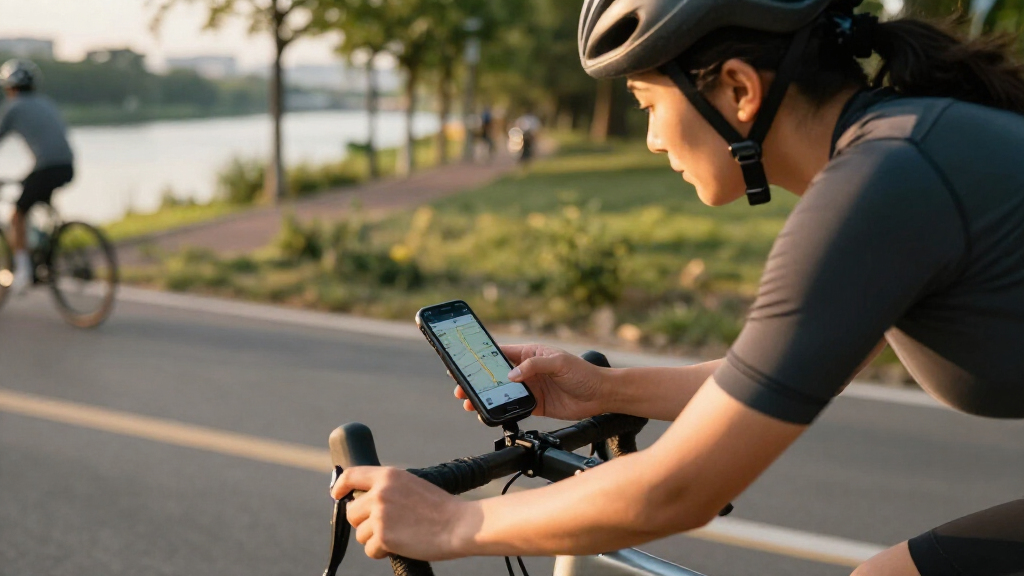
I compared the nine named apps by the jobs cyclists commonly need them to do: record outdoor rides, structure indoor workouts, support progression, or help maintain a fitness routine. I gave more weight to clear cycling-specific use, practical usability, and how well an app’s purpose matches a distinct rider than to broad fitness claims. Compatibility with common devices and equipment, useful feedback during or after a ride, and the effort required to get started also shaped the comparison.
The ranking favors options with a clear role and broader usefulness for cycling fitness, then places more specialized or less clearly differentiated choices lower. That means Strava’s general ride-tracking appeal differs from the indoor emphasis of ICG Virtual Cycling and icTrainer; a narrowly focused tool can still suit the right rider, but it is less versatile. The supplied app names alone do not establish every feature, subscription term, or device requirement, so I frame those as points to verify rather than assume.
Factors to Consider When Choosing Best Cycling Fitness Apps
Before choosing an app, decide what you want it to change about your riding. A tracker, an indoor training platform, and a weight-loss planner may all mention cycling fitness, but they solve different problems. These broader checks can prevent a mismatched download and help you judge whether a more specialized app is worth the added setup.
Choose the Job Before Comparing Features
Start by naming the problem you want the app to solve: remembering rides, following workouts, improving fitness, or staying accountable. A logging app can show consistency without telling you what session to do next, while a training app may guide workouts but offer less value for casual outdoor rides. Avoid choosing by the longest feature list; unused tools add setup and decision-making rather than fitness gains. If your goals change seasonally, favor an app that can support both indoor and outdoor riding. If you only need one narrow function, a focused app may be easier to stick with.
Check Equipment and Sensor Compatibility
Indoor apps can depend on a smart trainer, a stationary bike, cadence or heart-rate sensors, or a particular connection standard. Confirm what data the app can receive and whether your existing equipment supplies it before building a training plan around the app. A phone-only setup may record a basic session, but it may not provide the same power or cadence feedback as compatible hardware. Outdoor riders should also check GPS access, battery use, and whether their preferred sensors can connect. Compatibility is a practical gate: an impressive workout library is of little use if your setup cannot deliver the required data.
Match Training Structure to Your Experience
New riders often benefit more from clear instructions and manageable sessions than from dense performance charts. Experienced cyclists may want repeatable workouts, progress tracking, or more control over training intensity. A common mistake is selecting an advanced platform for its reputation, then abandoning it because each ride requires too much planning. Look for guidance that fits your current routine, not the routine you hope to have months from now. You can always move to more structured training once regular riding feels established.
Separate Social Motivation From Coaching
Community tools can make rides more engaging through shared activity and friendly comparison, but they are not the same as coaching. If seeing other riders’ activity helps you stay consistent, social features may be a meaningful part of the app’s value. If you prefer privacy or focused workouts, a quieter training interface may suit you better. Check what activity information is shared and what privacy controls are available before syncing accounts. Do not assume that a large community will provide a plan tailored to your fitness level or goals.
Look at the Full Cost of Staying With an App
Compare subscription terms, trial limits, and which functions remain available without ongoing payment before making an app part of your routine. Also count indirect costs, such as sensors, a compatible trainer, or time spent setting up equipment. A low-friction app that you use regularly can be a better fit than a more elaborate platform that requires extra hardware and preparation. Check how you can export or retain ride history if you later switch services. This matters most when an app becomes the home for your training records.
Frequently Asked Questions
Which app should I choose if I ride both outdoors and indoors?
Choose based on which riding context needs more support. A general ride tracker can be useful for recording outdoor activity, while an indoor training app may offer a better workout experience on a stationary bike or trainer. If you want one app to cover both, check that it records outdoor routes and also supports your indoor equipment before relying on it. Consider whether keeping two apps is simpler than accepting weaker tools in one area. The right choice is the one that fits your actual weekly riding pattern.
Do I need a smart trainer or sensors to use a cycling fitness app?
No, not every cycling app requires extra hardware, but some indoor training features depend on equipment that can transmit workout data. A phone may be enough for basic ride recording, while structured indoor sessions can benefit from speed, cadence, heart-rate, or power information. Check the specific app’s supported devices and connection methods rather than assuming your bike will pair automatically. If you are new to cycling, begin with the equipment you already own and add sensors only when their data would change your training decisions. This avoids buying hardware for features you may not use.
Is a social ride-tracking app enough to improve my fitness?
A ride tracker can help you notice consistency and review how much you ride, which may support progress. Tracking alone does not provide a balanced plan or guarantee that your workouts match your goals. If you want more structure, look for training guidance or a separate plan that fits your experience and available time. Riders who already know how to set their own sessions may find tracking and community features sufficient. Beginners may prefer clearer workout direction rather than relying on activity records alone.
How can I tell whether an app is right for weight-loss goals?
Check whether the app supports a sustainable exercise routine rather than relying on a cycling label or calorie estimate alone. Useful fit depends on whether it helps you plan rides, track activity consistently, and work with your available equipment. Calorie estimates are approximations and should not be treated as precise measures of food needs or energy expenditure. Consider whether you want cycling workouts specifically or broader habit support alongside riding. A realistic schedule you can repeat is more useful than a demanding plan that quickly becomes impractical.
What should I verify before downloading an app with a generic or repeated name?
Check the exact app title, developer, platform, recent update information, and permissions in the official app store. Similar names can refer to different products, so confirm that the listing matches the app discussed and supports your phone or equipment. Review the stated functions and subscription terms directly rather than relying on the name to imply coaching, tracking, or compatibility. For repeated names such as Peloton entries, verify which specific app and service you are selecting. These checks reduce the chance of choosing a lookalike or an app with a different purpose.
Conclusion
For the best overall fit, choose Strava if your main needs are ride tracking and cycling community. For indoor training, compare ICG Virtual Cycling and icTrainer against your equipment and preference for guided sessions; neither should be picked without checking compatibility. For beginners, start with the app whose instructions and setup feel manageable, rather than assuming the most advanced training controls are an advantage. For a value-focused choice, favor the app that covers your main task with the fewest extra hardware or subscription requirements, after checking current terms. Riders focused on weight management should assess the weight-loss-oriented option for practical routine support, while anyone considering similarly named apps should verify the exact listing. The right pick is the one that suits your riding goal and setup—not simply the app with the broadest promise.