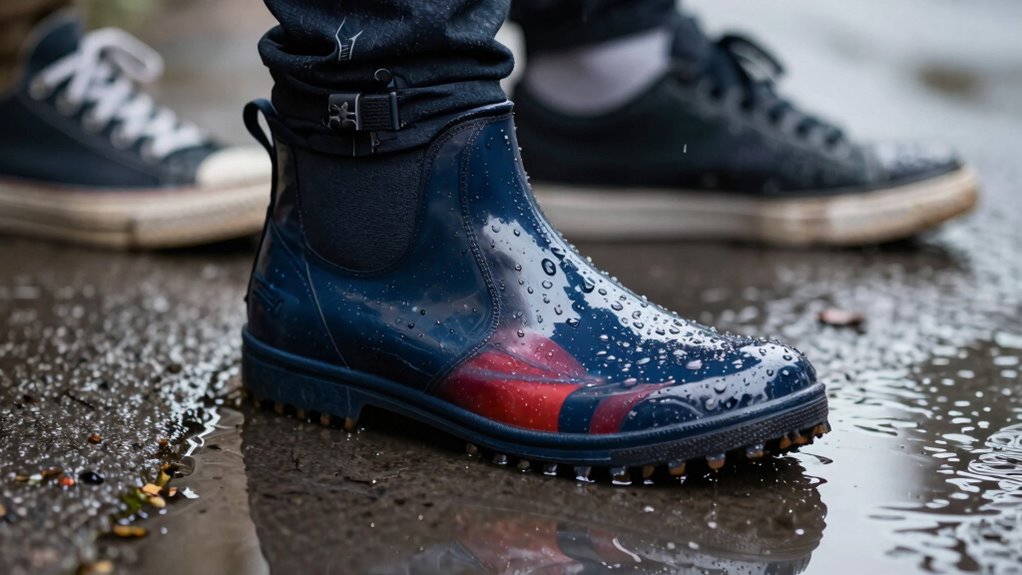

When choosing waterproof shoes, you can’t ignore the trade-offs between protection, comfort, and breathability. Sure, they keep water out, but many options limit airflow, leading to damp feet and discomfort. This can increase the risk of blisters and fungal issues. It’s crucial to find a balance that suits your activities and weather conditions. By understanding these limitations, you’ll make a more informed choice. There’s much more to contemplate as you explore the world of waterproof footwear.

Get workout gear delivered free with Prime
- Fast, free delivery on millions of items
- Prime Video, Amazon Music and more included
- Member-only deals all year
Key Takeaways
- Waterproof materials often restrict airflow, leading to dampness and discomfort during extended wear.
- A trade-off exists between waterproofing and breathability, impacting overall foot health and comfort.
- Breathable membranes can enhance moisture management, but their effectiveness varies with conditions.
- Choosing the right waterproof shoe requires considering specific activities and weather scenarios.
- Personal comfort preferences and trying on different models are essential for informed decisions.
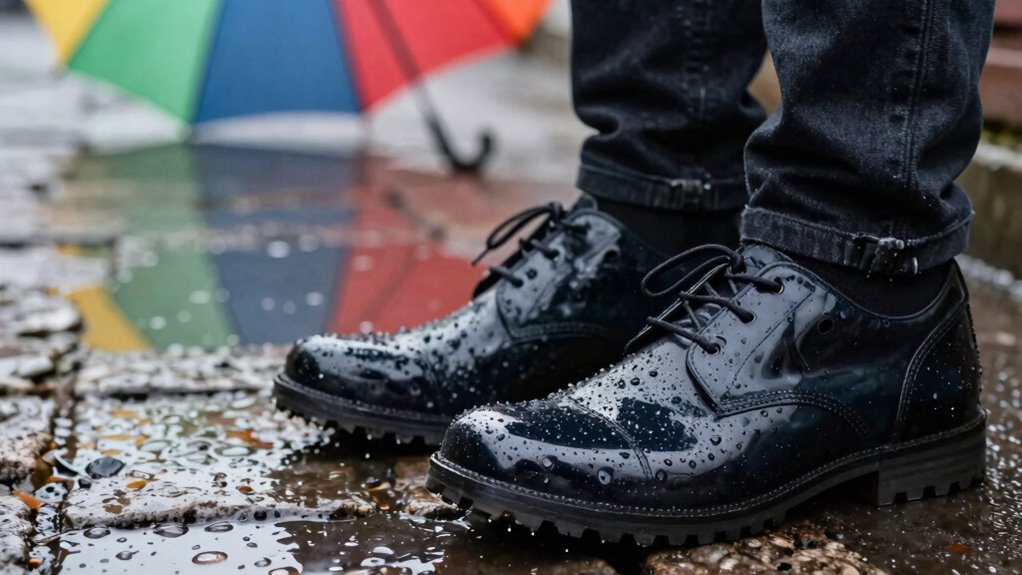
When you choose waterproof shoes, you’re not just making a decision about protection from the elements; you’re also weighing comfort and breathability. Many people focus solely on the waterproof feature, assuming it’s the ultimate solution for wet weather. However, there’s a trade-off that often gets overlooked: the balance between waterproofing and breathability concerns. You might think you’re getting the best of both worlds, but the reality is more nuanced.
Waterproof materials can notably limit airflow. When you’re out and about, your feet generate heat and moisture. If your shoes don’t allow that moisture to escape, you’ll end up with damp, uncomfortable feet. You may even experience blisters or fungal issues. So, while you’re protected from puddles and rain, you might be sacrificing the comfort balance that’s vital for long walks or hikes. It’s essential to recognize that a shoe’s waterproof technology can sometimes create a stifling environment. Moisture management is key to maintaining foot health and comfort in these conditions. Incorporating breathable membranes can help mitigate this issue, but it’s important to understand their limitations. Additionally, the effectiveness of these membranes can vary depending on the specific materials used and the conditions they are exposed to. For example, some membranes perform better in dry versus wet conditions, which is an important factor to consider when selecting footwear.
Waterproof materials can limit airflow, leading to damp feet and discomfort during long walks or hikes.
You’ll find that some brands attempt to tackle this issue by incorporating breathable membranes into their designs. These membranes can help with moisture management, allowing sweat to escape while keeping water out. However, not all breathable materials are created equal, and they can still fall short in extreme conditions. If you’re planning outdoor activities in varying weather, you’ll want to reflect on how often you’ll be exposed to wet conditions versus how much you’ll be moving. Additionally, understanding this waterproof-breathability trade-off can guide you toward footwear that best suits your needs.
Choosing the right waterproof shoe isn’t just about picking the most advertised option. Instead, think about how you’ll use them. If you’re mostly strolling through the city, a shoe with moderate waterproofing might suffice, allowing for better breathability. But if you’re hiking in unpredictable weather, you may need a more robust option, even if it means sacrificing some airflow. Recognizing your activity level and typical weather conditions can help you find a more suitable balance.
It’s all about finding your comfort balance. You may have to try on a few pairs to see how they feel during movement. Pay attention to how warm your feet get and whether they breathe well for your activity level. Remember, a well-ventilated shoe can make all the difference in your overall experience. Considering personal comfort preferences can help you make a more informed decision tailored to your needs. Overall, understanding the limitations of waterproof technology is crucial to choosing footwear that keeps your feet dry without sacrificing comfort.
In the end, understanding this trade-off will help you make a more informed choice. Waterproof shoes can be a fantastic addition to your wardrobe, but know what you’re giving up for that protection. Make sure you reflect on both comfort and breathability before making your final decision.
waterproof hiking shoes with breathable membranes
As an affiliate, we earn on qualifying purchases.
As an affiliate, we earn on qualifying purchases.
Frequently Asked Questions
Do Waterproof Shoes Require Special Cleaning Methods?
Yes, waterproof shoes do require special cleaning methods. To maintain their material, avoid harsh detergents and instead use gentle cleaning techniques like mild soap and water. Always remove dirt and debris promptly to prevent damage. After cleaning, let them air dry, away from direct heat, to preserve their waterproofing. Regularly applying a suitable waterproofing spray can enhance their longevity, ensuring your shoes stay functional and looking great for longer.
How Long Do Waterproof Shoes Typically Last?
Waterproof shoes typically last anywhere from one to five years, depending on your usage and care. If you’re trekking through mud or daily commuting, durability expectations can vary. To extend their lifespan, follow maintenance tips like cleaning them regularly and applying waterproofing sprays. You’ll find that a little extra care goes a long way, ensuring your shoes not only last longer but also perform better in wet conditions.
Can Waterproof Shoes Be Resoled?
Yes, waterproof shoes can be resoled, but it depends on the construction and materials used. When you opt for waterproof shoes, durability concerns often arise, especially with the bonding of waterproof materials. If the sole wears out, a skilled cobbler can replace it, but make sure the waterproofing isn’t compromised in the process. Check with the manufacturer for specific recommendations to maintain their waterproof capabilities while extending the life of your shoes.
Are There Vegan Options for Waterproof Shoes?
Yes, there are vegan options for waterproof shoes! In fact, a 2021 survey showed that 60% of consumers prefer sustainable footwear. Many brands now use innovative vegan materials like recycled plastics and plant-based fabrics, addressing durability concerns while keeping your feet dry. These shoes combine style and ethics, ensuring you don’t have to compromise. So, if you’re looking for vegan waterproof options, you’ll find plenty that suit your needs!
Do Waterproof Shoes Breathe Well in Hot Weather?
Waterproof shoes often struggle with breathability concerns, especially in hot weather. While they keep your feet dry, they can trap heat and moisture, making temperature regulation difficult. If you’re planning to wear them in warm conditions, look for options with breathable materials or ventilation features. This way, you can enjoy the waterproof benefits without sacrificing comfort. So, consider your activities and environment before choosing your footwear for those hot days.
Conclusion
When you choose waterproof shoes, you’re trading comfort for protection, breathability for durability, and style for function. While they keep your feet dry, they can also lead to sweaty discomfort and limited versatility. So, weigh your options wisely: Do you want to brave the elements or embrace the freedom of movement? Ultimately, it’s about finding the perfect balance that suits your lifestyle. Make your choice, and step confidently into whatever the day brings!
Fall Picks
fall essentials
As an affiliate, we earn on qualifying purchases.