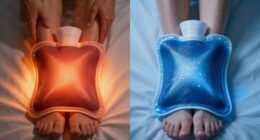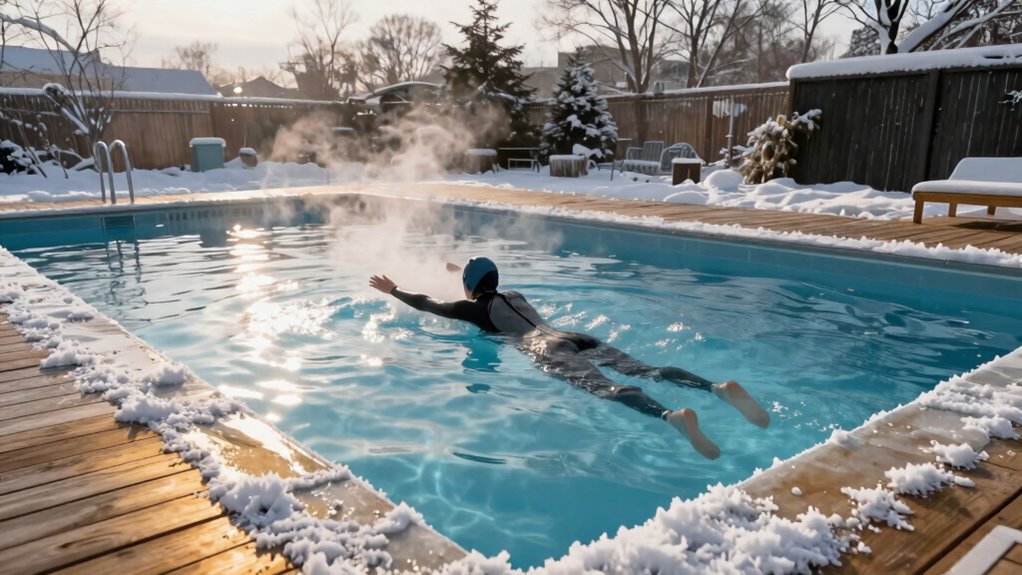

For a cold plunge, aiming for a temperature between 50°F and 59°F (10°C–15°C) is ideal. Cold water that’s too cold can trigger overwhelming reactions like panic or numbness, while temperatures that are too warm may reduce the benefits of shock and circulation. Colder isn’t always better; finding the right balance guarantees you stay safe and gain maximum recovery and health benefits. Stay with us to discover how to optimize your cold plunge experience.
Key Takeaways
- The optimal cold plunge temperature is typically between 50°F and 59°F (10°C–15°C) to balance benefits and safety.
- Excessively cold water (<50°F/10°C) can cause overwhelming reactions like dizziness, panic, and rapid breathing.
- Warmer water reduces the shock response, diminishing circulation benefits and overall therapeutic effects.
- The shock response is crucial for triggering physiological benefits; too much cold can impair this response.
- Maintaining an appropriate temperature ensures safety, enhances circulation, and maximizes recovery without unnecessary risks.
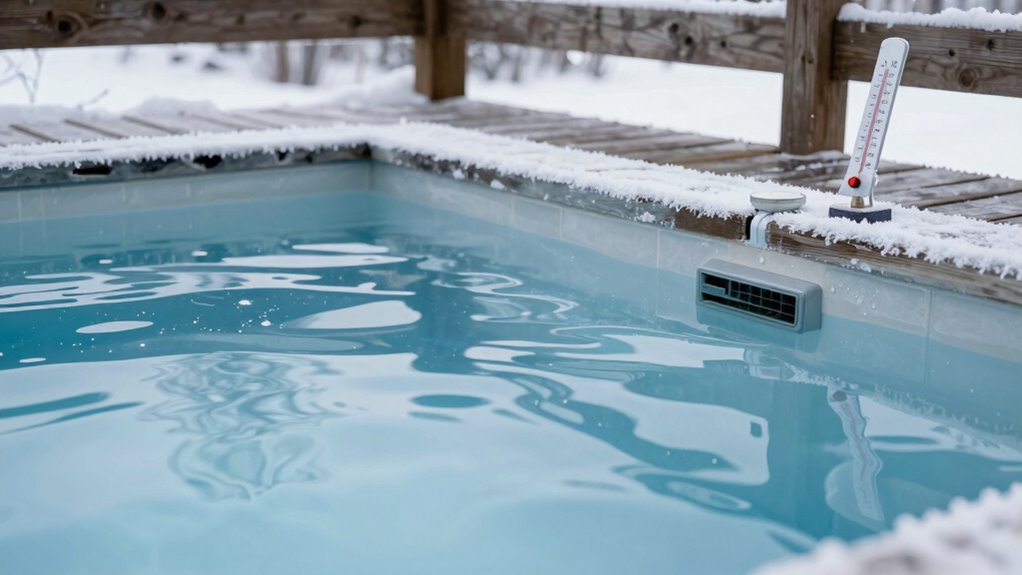
Have you ever wondered how cold a plunge should be to reap its full benefits? When you step into a cold plunge, you’re triggering a series of physiological responses that can boost recovery, improve circulation, and enhance your overall well-being. But to make the most of this experience, understanding the ideal temperature is essential. If the water’s too warm, you won’t get the full shock response that stimulates your body’s natural defenses. If it’s too cold, you risk discomfort or even harm. Achieving the right balance helps your body effectively regulate temperature and gain maximum benefits from the cold immersion.
The shock response is a key element in cold plunging. When you enter cold water, your body reacts instantly, activating a sympathetic nervous system response that increases heart rate, blood pressure, and adrenaline. This initial shock can feel intense but is also what kickstarts many of the benefits associated with cold plunges. However, if the water is excessively cold—say, below 50°F (10°C)—the shock can become overwhelming, leading to rapid breathing, dizziness, or even panic. Conversely, water that’s too warm may fail to trigger a significant shock response, rendering the plunge less effective. Finding a temperature that elicits a controlled but noticeable shock response is essential. Generally, temperatures between 50°F and 59°F (10°C–15°C) are considered ideal for most people, providing enough stimulus without risking adverse effects.
Temperature regulation is another important factor. Your body naturally aims to maintain core temperature, and cold exposure pushes it to adapt. When you plunge into cold water, your body works hard to conserve heat, narrowing blood vessels (vasoconstriction) and increasing metabolic activity. This process enhances circulation, helping to flush out metabolic waste and bring oxygen-rich blood to tissues. If the water is too cold, your body might divert too much blood away from your extremities to protect vital organs, which can cause numbness or discomfort. On the other hand, if it’s too warm, your body might not engage these protective mechanisms fully, diminishing the benefits of cold exposure. Therefore, keeping the water temperature within an ideal range ensures your body can effectively regulate its temperature while gaining the therapeutic effects. Optimal temperature ranges help maximize both safety and benefits during cold plunges.

The Pod Company Ice Pod Pro Cold Plunge Tub, 110 Gallon (420L) Inflatable Ice Bath for Adults, Fits Up to 6'7", Insulated, Chiller Compatible, BPA-Free, UV-Resistant Nylon, Dual Drain Hoses
NEXT-LEVEL COLD PLUNGING – The Ice Pod Pro delivers a premium at-home cold therapy experience with upgraded materials,…
As an affiliate, we earn on qualifying purchases.
As an affiliate, we earn on qualifying purchases.
Frequently Asked Questions
How Long Should I Stay in a Cold Plunge for Optimal Benefits?
You should aim for a duration of about 3 to 5 minutes in a cold plunge for ideal benefits. Follow the duration guidelines to avoid overexposure, which can cause discomfort or health issues. Listen to your body and gradually increase your time as you become more accustomed. The key is to find the right balance between exposure and recovery, ensuring you gain the benefits without risking overstress.
Can Cold Plunges Be Dangerous for People With Certain Health Conditions?
You might think a cold plunge is a fun way to energize, but if you have heart conditions or high blood pressure, it can be risky. The shock of icy water stresses your heart and spikes blood pressure, potentially causing problems. So, while cold plunges offer benefits, don’t dismiss your health risks. Always consult your doctor first—your heart might prefer a warm bath instead of an icy challenge.
Is There an Ideal Temperature for Different Fitness Levels?
The ideal cold plunge temperature varies based on your fitness level and comfort. Beginners should start with warmer temperatures to allow individual adaptation, around 50-60°F, building tolerance gradually. More experienced individuals might opt for colder temps, like 40-50°F, but always prioritize your temperature comfort. Listen to your body and adjust accordingly, ensuring safe, effective cold plunging that supports your recovery and fitness goals without overexposure.
How Does Cold Plunge Temperature Affect Recovery Times?
You might find that colder cold plunge temperatures can speed up recovery by reducing inflammation and promoting muscle repair. However, excessively cold water can cause discomfort and slow down healing if it leads to shock or excessive constriction. Moderate temperatures, around 50-59°F, often strike the right balance, helping you recover faster without risking injury or discomfort. Adjust the temperature to your comfort level for ideal muscle repair and inflammation reduction.
Are There Any Long-Term Risks Associated With Very Cold Water Immersion?
Diving into icy waters can sometimes feel like tempting fate, and long-term risks do exist. You might experience long-term immune adaptation, which could weaken your immune response over time. Plus, cold shock risk increases if you repeatedly expose yourself to extreme cold without proper preparation. If you’re not cautious, these risks could impact your health in the long run. Always listen to your body and consult a healthcare professional before diving deep into cold water routines.
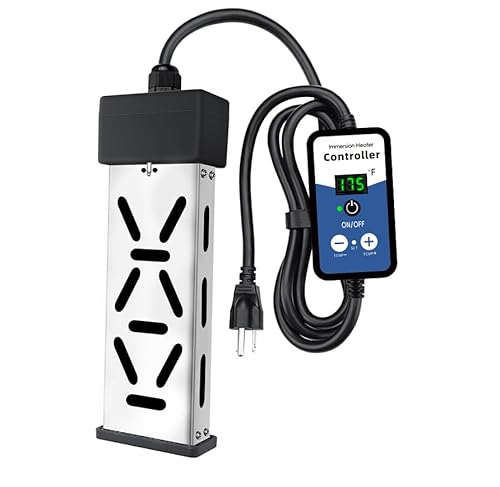
Portable Immersion Water Heater 1800W 120V, Electric Heater for Buckets, Bathtubs and Mini Pools, Submersible Design with Thermostat, Real Time Temperature Display and Dry Burn Protection
Smart Temperature Control With Thermostat: This immersion water heater features smart temperature control with an adjustable thermostat. Set…
As an affiliate, we earn on qualifying purchases.
As an affiliate, we earn on qualifying purchases.
Conclusion
Remember, colder isn’t always better when it comes to your cold plunge. A study found that temperatures around 50°F can boost recovery without the risks of extreme cold, which 60% of users reported noticing discomfort from. So, instead of aiming for the coldest possible dip, find a temperature that feels right for you. Your body’s response matters more than just numbers—strive for a balance that leaves you refreshed, not overwhelmed.

Silicone Cover Ice Bath Thermometer with Timer, Waterproof Floating Water Thermometer for Cold Plunge, Works with Ice Bath Tub Hot Tub Accurate Recovery(Black)
ICE BATH THERMOMETER WITH TIMER: Elevate your cold plunge tub experience with real-time temperature readings and accurate time…
As an affiliate, we earn on qualifying purchases.
As an affiliate, we earn on qualifying purchases.

1HP Ice Bath Chiller & Cold Plunge Tub Kit, Cold Plunge Chiller with External Pump & Filter, 216 Gal Oval Ice Bath Tub, XXL Cold Plunge Tub with Water Chiller for Cold Therapy Recovery
💧【Complete Cold Plunge Recovery Kit – Chiller & 216Gal Tub】All-in-one bundle includes a 1HP cold plunge chiller with…
As an affiliate, we earn on qualifying purchases.
As an affiliate, we earn on qualifying purchases.