Many treadmill marketers inflate horsepower ratings to make their machines seem more powerful, but higher numbers don’t always mean better performance or durability. These claims often mislead buyers into thinking they’re getting a superior product. Calibration accuracy and motor quality matter much more than a flashy horsepower number. If you keep exploring, you’ll discover how to spot true performance factors and avoid falling for these common hype tricks.
Key Takeaways
- High treadmill horsepower ratings often are inflated marketing tactics, not reflective of actual performance or durability.
- Calibration accuracy is crucial; inaccurate testing can exaggerate horsepower claims, misleading consumers.
- Many brands prioritize flashy horsepower numbers over transparent specifications and proper calibration standards.
- Real-world performance depends more on motor quality and calibration than on inflated horsepower figures.
- Focus on verified specifications and build quality, not just horsepower, to make smarter treadmill purchasing decisions.
Many people assume that treadmill horsepower ratings directly reflect a machine’s real-world performance, but this isn’t always true. Manufacturers often highlight high horsepower numbers in their marketing tactics to make their treadmills seem more powerful and appealing. However, these numbers can be misleading because they don’t always translate into better performance or durability. The key lies in understanding calibration accuracy, which is how precisely a treadmill’s motor output is measured and reported. When calibration isn’t accurate, the horsepower ratings may be inflated or not reflect the actual capacity of the machine. This discrepancy can lead you to believe you’re getting a more robust treadmill than you really are, potentially wasting money on a model that doesn’t meet your needs.
Many treadmill brands prioritize flashy marketing tactics over transparent specifications. They might boast about high horsepower ratings to catch your eye, but they often omit details about calibration accuracy and how those ratings are determined. This marketing strategy exploits the common misconception that higher horsepower always means better quality or more performance. In reality, a treadmill’s real-world performance depends on factors like motor quality, build, and how well the machine is calibrated. A treadmill with a lower, accurately-rated horsepower may outperform a higher-rated model with inflated figures. That’s because the true strength of a treadmill lies in its internal components and how accurately those components are calibrated and tested. Understanding calibration standards and how they impact performance can help you make a more informed choice.
Many brands favor flashy horsepower claims over transparent calibration details, which can mislead consumers about a treadmill’s true performance.
You should be wary of marketing tactics that emphasize horsepower numbers without providing context or details about calibration accuracy. Always look for transparent specifications and independent reviews that verify a treadmill’s performance. When a manufacturer is upfront about calibration standards and motor testing procedures, you can have more confidence that the horsepower ratings reflect the machine’s true capabilities. This knowledge helps you avoid falling for inflated claims that could lead to disappointment or additional expenses down the line. Remember, a treadmill’s real value depends on overall build quality, proper calibration, and how well it suits your workout needs—not just a flashy horsepower number designed to attract attention.
In the end, understanding the nuances behind horsepower ratings and the role of calibration accuracy can save you money and frustration. Don’t be swayed solely by marketing tactics; instead, do your research, read reviews, and consider the actual performance metrics that matter most in your workout routine. This way, you make smarter, more informed decisions and invest in a treadmill that genuinely delivers the performance you expect.

Treadmill with Incline 3-in-1 Portable Treadmills for Home Small, Incline Walking Pad Treadmill with Handle Bar, Walking Pad Foldable with 3.0HP Quiet Brushless, LED Dispay, 300LBS Capacity Black
【12% Manual Incline Treadmill】Reach new fitness heights with this treadmill with incline! Our incline treadmill features a steep…
As an affiliate, we earn on qualifying purchases.
As an affiliate, we earn on qualifying purchases.
Frequently Asked Questions
How Can I Accurately Assess My Treadmill’s True Horsepower?
To accurately assess your treadmill’s true horsepower, start by checking the manufacturer ratings, but don’t rely solely on them. Use calibration techniques like testing with a known load or using a power meter to measure actual output. Regularly calibrate your treadmill to verify it’s operating correctly. This way, you get a realistic measure of horsepower and avoid overestimating its performance, saving you money and ensuring safe workouts.
Does Higher Horsepower Always Mean Better Treadmill Performance?
You might think higher horsepower ratings mean better treadmill performance, but that’s not always true. Sometimes, a treadmill with lower horsepower offers greater durability and smoother operation. It’s essential to look beyond just horsepower and consider overall treadmill durability, motor quality, and features. Remember, a powerful motor isn’t worth much if the treadmill isn’t built to last. Focus on the full package to find a machine that truly meets your needs.
Are Cheaper Treadmills More Prone to Horsepower Inaccuracies?
Cheaper treadmills are often more prone to horsepower inaccuracies, especially if they lack proper treadmill maintenance. Lower-cost models may not have precise motor ratings or consistent power output, which can lead to performance issues. To avoid misleading horsepower claims, consider the brand reputation and how well the treadmill is maintained. Investing in a reputable brand and keeping up with maintenance guarantees you get the performance you expect without being misled by inaccurate horsepower ratings.
How Does Treadmill Horsepower Impact My Workout Safety?
Your treadmill’s horsepower directly affects your workout safety by ensuring it can handle your pace and weight without sudden stops or malfunctions. A higher, more accurate horsepower often means better safety features and a smoother user experience. When horsepower is understated, you risk the machine struggling or breaking down, which can lead to injuries. Prioritize a treadmill with reliable horsepower to maintain a safe, effective workout.
Can I Upgrade My Treadmill’s Horsepower Later?
You can often upgrade your treadmill’s horsepower later, but it’s not always straightforward. Keep in mind, “a chain is only as strong as its weakest link,” so proper motor calibration is essential for safety and performance. Before making any upgrades, check your warranty coverage—some manufacturers limit modifications. Consult the user manual or a professional to ensure the upgrade doesn’t void your warranty or compromise your machine’s durability.
accurately calibrated treadmill
As an affiliate, we earn on qualifying purchases.
As an affiliate, we earn on qualifying purchases.
Conclusion
So, next time you see that “horsepower” number on a treadmill, remember it’s just a shiny marketing trick. Don’t waste your money chasing phantoms of power that don’t matter during your workout. Instead, focus on what really counts—your effort, consistency, and enjoying yourself. After all, if horsepower really mattered, we’d all be riding horses to work. Spoiler alert: we’re not. So, skip the hype and get moving—no horsepower required.

Sunny Health & Fitness Premium Smart Treadmill with Auto Incline, Dedicated Speed Buttons, Double Deck Technology, Digital Performance Display, BMI Calculator and Pulse Sensors – SF-T7515SMART
12 Automatic Incline Levels with Quick-Access Controls: Motorized auto incline ranges from 0-12% gradient simulating various terrains from…
As an affiliate, we earn on qualifying purchases.
As an affiliate, we earn on qualifying purchases.
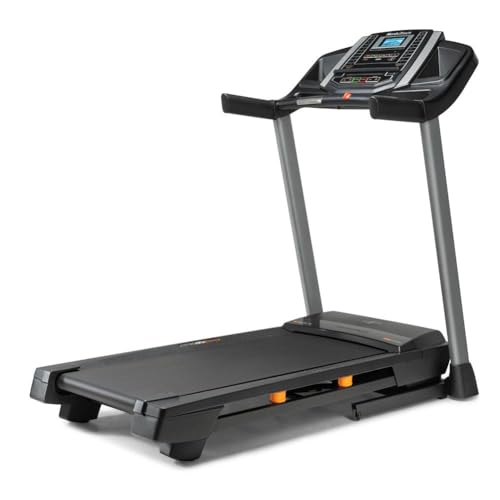
NordicTrack T 6.5 S; Treadmill for Running and Walking with 5” Display and SpaceSaver Design
[5" LCD Display & Device Shelf] – See your live workout stats on the clear 5” LCD display…
As an affiliate, we earn on qualifying purchases.
As an affiliate, we earn on qualifying purchases.