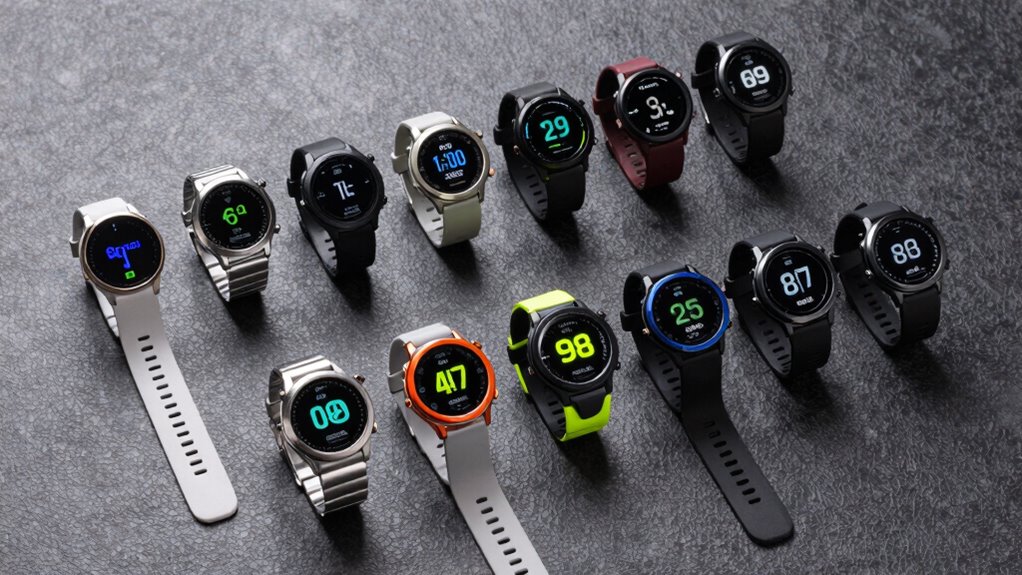

For a running watch for cycling and running combo, I’d choose the Garmin Forerunner 165 as the best overall fit, with the COROS PACE 4 standing out for a lightweight sport-first design and the Garmin vívoactive 5 for broader everyday smartwatch features. The main tradeoff is between focused training tools and a more general-purpose watch, while GPS and battery needs can differ on long rides and runs. Some watches in this lineup are near-duplicates, so the details of the exact model matter as much as the brand. Read on for a comparison of their strengths, limitations, and best-fit buyers.

Get workout gear delivered free with Prime
- Fast, free delivery on millions of items
- Prime Video, Amazon Music and more included
- Member-only deals all year
Complete the kit


Key Takeaways
- The Forerunner 165 is the strongest balanced pick for buyers who want a dedicated running watch that can also record rides, without choosing a basic entry-level model.
- The COROS PACE 4 separates itself through its ultralight sport focus; it suits training-first users better than shoppers who want a broad smartwatch experience.
- The vívoactive 5 and Amazfit Active Max lean toward everyday smartwatch use, while the Forerunner models put more emphasis on running-specific training.
- Three Forerunner 55 listings appear in the lineup, so buyers should compare the exact listing and included package rather than treating them as distinct watch generations.
- The generic Alexa-enabled watch is the broadest-feature, least sport-specialized option; its many activity modes do not automatically make it the best tool for structured run-and-ride training.
| Smart Watch for Women and Men with Alexa Built-in, 1.91″ HD Display, Fitness Tracking, Waterproof, 100+ Sports Modes |  | Best for Everyday Smart Features | Display: 1.91-inch TFT, 320 × 385 resolution | Water resistance: IP68 | Health tracking: Heart rate, SpO2, sleep, and stress | VIEW ON AMAZON | See Our Full Breakdown |
| Garmin Forerunner 55 GPS Running Watch with Daily Suggested Workouts, Up to 2 Weeks Battery Life |  | Best Value for GPS Run-and-Ride Training | Display: 1.04 inches | Battery life: Up to 2 weeks in smartwatch mode; up to 20 hours in GPS mode | Activity profiles: Running, cycling, track run, virtual run, pool swim, Pilates, HIIT, and breathwork | VIEW ON AMAZON | See Our Full Breakdown |
| COROS PACE 4 Ultralight Sport GPS Watch, Black Silicone |  | Best for Long GPS Sessions | Display: 1.2-inch AMOLED touchscreen | GPS battery life: Up to 41 hours | Daily battery life: Up to 19 days | VIEW ON AMAZON | See Our Full Breakdown |
| Garmin Forerunner 55 GPS Running Watch, Black |  | Best Simple, Sunlight-Readable Training Watch | Display: 1.04-inch sunlight-visible transflective MIP | Resolution: 208 pixels | Battery life: Up to 2 weeks in smartwatch mode; up to 20 hours in GPS mode | VIEW ON AMAZON | See Our Full Breakdown |
| Garmin vívoactive 5 GPS Smartwatch, 42 mm, Black |  | Best for Everyday Wear Beyond Training | Display: AMOLED touchscreen | Case size: 42 mm | Battery life: Up to 11 days in smartwatch mode | VIEW ON AMAZON | See Our Full Breakdown |
| Amazfit Active Max Smart Watch, 1.5″ AMOLED Display, GPS, Compatible with iOS and Android |  | Best for Long Battery Life and On-Watch Storage | Display: 1.5-inch AMOLED | Battery life: Up to 25 days | Storage: 4GB | VIEW ON AMAZON | See Our Full Breakdown |
| Garmin Forerunner 55 GPS Running Smartwatch, Black |  | Best for Simple, Budget-Conscious Training | Display: 1.04 inches | Water resistance: 50 meters | Weight: 37 g | VIEW ON AMAZON | See Our Full Breakdown |
| Garmin Forerunner 165 GPS Running Smartwatch, 43 mm, Black |  | Best Overall for Running-First Multi-Sport Use | Display: AMOLED touchscreen | Case size: 43 mm | Battery life: Up to 11 days in smartwatch mode; up to 19 hours in GPS mode | VIEW ON AMAZON | See Our Full Breakdown |
| Garmin Forerunner 165 GPS Running Smartwatch Bundle, Black/Slate Gray |  | Best Bundle for Added Charging Accessories | Display: 1.2-inch AMOLED | Battery life: Up to 11 days in smartwatch mode; up to 19 hours in GPS mode | Sports apps: 25+ built-in GPS and indoor activities | VIEW ON AMAZON | See Our Full Breakdown |
| running watch for cycling and running combo | Display | Battery life | Connectivity |
|---|---|---|---|
| Smart Watch for Women and Men | 1.91-inch TFT, 320 × 385 resolution | 5–7 days typical; up to 30 days standby | Bluetooth; compatible with iOS and Android |
| Garmin Forerunner 55 GPS Runni | 1.04 inches | Up to 2 weeks in smartwatch mode; up to 20 hours in GPS mode | — |
| COROS PACE 4 Ultralight Sport | 1.2-inch AMOLED touchscreen | — | — |
| Garmin Forerunner 55 GPS Runni | 1.04-inch sunlight-visible transflective MIP | Up to 2 weeks in smartwatch mode; up to 20 hours in GPS mode | Bluetooth |
| Garmin vívoactive 5 GPS Smartw | AMOLED touchscreen | Up to 11 days in smartwatch mode | Bluetooth, USB, and Wi-Fi |
| Amazfit Active Max Smart Watch | 1.5-inch AMOLED | Up to 25 days | Bluetooth calls and messages |
| Garmin Forerunner 55 GPS Runni | 1.04 inches | — | Bluetooth |
| Garmin Forerunner 165 GPS Runn | AMOLED touchscreen | Up to 11 days in smartwatch mode; up to 19 hours in GPS mode | Bluetooth, USB, Wi-Fi |
| Garmin Forerunner 165 GPS Runn | 1.2-inch AMOLED | Up to 11 days in smartwatch mode; up to 19 hours in GPS mode | — |
More Details on Our Top Picks
Smart Watch for Women and Men with Alexa Built-in, 1.91″ HD Display, Fitness Tracking, Waterproof, 100+ Sports Modes
This watch suits buyers who want a general-purpose smartwatch that can record runs and rides, rather than a training-first device. Its 100+ sports modes offer broad activity selection, while the 1.91-inch display gives notifications and basic workout information more room than the compact Garmin Forerunner 55 screens. Built-in Alexa and Bluetooth calling also make it more useful for everyday voice and phone functions. The tradeoff is that the supplied details do not specify built-in GPS, so I would not choose it if dependable route and pace tracking without a phone is central to your cycling-and-running routine. The Forerunner 55 is a stronger fit for GPS-led training and run guidance; this model makes more sense when smartwatch convenience matters as much as activity variety.
Pros:- Large 1.91-inch display is easy to read for notifications and basic workout information.
- More than 100 sports modes cover a wide range of activities.
- Built-in Alexa and Bluetooth calling add voice and communication features.
- IP68 water resistance and stated multi-day battery life support everyday wear.
Cons:- The supplied specifications do not confirm built-in GPS for recording routes without a phone.
- Battery life can vary with frequent use of connected and health features.
- Its app ecosystem is more limited than that of dedicated sports-watch platforms.
Best for: Casual runners and cyclists who want a large screen, Alexa, calls, and broad activity-mode selection for everyday use.
Not ideal for: Runners or cyclists who need confirmed built-in GPS, detailed training guidance, or a dedicated sport-watch interface.
- Display:1.91-inch TFT, 320 × 385 resolution
- Water resistance:IP68
- Health tracking:Heart rate, SpO2, sleep, and stress
- Connectivity:Bluetooth; compatible with iOS and Android
- Sports modes:100+
- Battery life:5–7 days typical; up to 30 days standby
- Charging time:2.5 hours
Our verdict“Choose it for a large-screen everyday smartwatch with broad activity modes, but pick the Forerunner 55 if GPS-based run and ride training is your priority.”
Garmin Forerunner 55 GPS Running Watch with Daily Suggested Workouts, Up to 2 Weeks Battery Life
The Forerunner 55 is the straightforward choice for buyers whose combo means reliable GPS tracking across runs and bike rides, with running plans as a bonus. Its built-in GPS records distance and pace, and its activity profiles include both running and cycling. Daily suggested workouts, PacePro, and race predictions add useful direction for runners without demanding the larger feature set of the COROS PACE 4. That focus is also its limit: the small 1.04-inch display is less suited to riders who want a roomy glance at data, and the listed features are more running-oriented than cycling-specific. Compared with the Garmin vívoactive 5, it gives up AMOLED presentation and broader smartwatch functions in favor of a simpler training watch. I’d rank it highly for practical sport tracking, not for a rich smart interface.
Pros:- Built-in GPS tracks distance and pace for outdoor workouts.
- Running and cycling profiles make it suitable for a two-sport routine.
- Daily suggested workouts and PacePro support structured run training.
- Up to two weeks of smartwatch battery life reduces charging frequency.
Cons:- The 1.04-inch display is small for checking workout data at a glance.
- Its guidance and feature emphasis lean more toward running than cycling.
- Some functions require a compatible smartphone and Garmin Connect app.
Best for: Runners who also ride and want built-in GPS, run-focused guidance, and a simple watch with cycling activity support.
Not ideal for: Cyclists who want a large, bright display or buyers seeking extensive smartwatch functions and a broad app experience.
- Display:1.04 inches
- Battery life:Up to 2 weeks in smartwatch mode; up to 20 hours in GPS mode
- Activity profiles:Running, cycling, track run, virtual run, pool swim, Pilates, HIIT, and breathwork
- GPS features:Distance and pace tracking
- Training features:Daily suggested workouts, PacePro, race time predictions, and finish time estimates
- Wellness features:Heart rate and wellness tracking
- App compatibility:Smartphone with Garmin Connect app
Our verdict“Pick the Forerunner 55 if you want dependable GPS for running and cycling with useful run coaching, rather than a large-screen smartwatch.”
COROS PACE 4 Ultralight Sport GPS Watch, Black Silicone
For riders and runners who spend long stretches recording GPS workouts, the PACE 4’s 41-hour GPS battery life is its clearest advantage. It also pairs a 1.2-inch AMOLED touchscreen with a dial and buttons, giving buyers more control options than the single small-screen feel of the Forerunner 55. At up to 19 days of daily use, it can serve as an everyday training watch without frequent charging. Training, recovery, and sleep tracking broaden its appeal beyond recording routes. There are caveats: the listed 32 g weight applies to the nylon band, but this version is described with a silicone band, so that figure may not reflect the supplied configuration. Its stated water-resistance depth is 5 meters, and the supplied details do not list a cycling-specific training feature set. Compared with the vívoactive 5, it favors endurance GPS use over payment and music conveniences.
Pros:- Up to 41 hours of GPS battery life suits long training sessions.
- Up to 19 days of daily battery life supports regular wear between charges.
- AMOLED touchscreen combines with a dial and buttons for varied control.
- Training, recovery, sleep, and health tracking support a broader routine.
Cons:- The stated 32 g weight is specified for a nylon band, while this listing describes a silicone band.
- Listed water-resistance depth is 5 meters, which may not suit buyers seeking stronger swim-use specifications.
- The supplied feature information does not detail cycling-specific coaching or smart conveniences such as music storage.
Best for: Runners and cyclists who record long GPS sessions and want long battery endurance with AMOLED viewing and tactile controls.
Not ideal for: Buyers who need clearly specified swim depth, want built-in music or payment features, or prioritize a verified lightweight silicone-band setup.
- Display:1.2-inch AMOLED touchscreen
- GPS battery life:Up to 41 hours
- Daily battery life:Up to 19 days
- Weight:32 g specified with nylon band; listed model has silicone band
- Thickness:11.8 mm
- Water-resistance depth:5 meters
- Storage:4 GB
- Controls and connectivity:Dial, microphone, touchscreen, buttons, and Bluetooth
Our verdict“Choose the PACE 4 for long GPS recording and training-focused use, while the vívoactive 5 is a better match for everyday smart features.”
Garmin Forerunner 55 GPS Running Watch, Black
This Forerunner 55 is a good match for runners and cyclists who prefer a clear, practical display to a glossy smartwatch screen. Its sunlight-visible MIP display and built-in GPS make outdoor pace and distance tracking the priority, while cycling and pool-swim profiles add range beyond running. Daily suggested workouts and race predictions can help runners structure training without moving up to a more feature-heavy model such as the COROS PACE 4. The tradeoff is a basic presentation: the 1.04-inch screen and 32 MB of storage do not offer the visual space or broader smart functions of the Garmin vívoactive 5. Also, this model does not support on-device courses for PacePro, so it is less suited to course-based pacing plans. For a simple run-and-ride combo, its practical strengths matter more than smartwatch extras.
Pros:- Sunlight-visible MIP display is designed for outdoor readability.
- Built-in GPS and cycling activity support cover core run-and-ride tracking.
- Daily suggested workouts, pace guidance, and race predictions help with run training.
- Up to two weeks of smartwatch battery life and 20 hours in GPS mode.
Cons:- The 1.04-inch display offers limited room for viewing workout information.
- PacePro is not compatible with on-device courses.
- Connect IQ customization requires compatible smartphone apps.
Best for: Outdoor runners and cyclists who want GPS, cycling activity tracking, sunlight-readable data, and simple training prompts.
Not ideal for: Buyers who want AMOLED visuals, stored music, on-device courses for PacePro, or a larger screen for riding data.
- Display:1.04-inch sunlight-visible transflective MIP
- Resolution:208 pixels
- Battery life:Up to 2 weeks in smartwatch mode; up to 20 hours in GPS mode
- Navigation:GPS
- Connectivity:Bluetooth
- Storage:32 MB
- Water activity profile:Pool swim
- Model:Forerunner 55 (GRFR55BL)
Our verdict“Choose this Forerunner 55 for simple outdoor GPS training and a readable display, but opt for the vívoactive 5 for a more smartwatch-like experience.”
Garmin vívoactive 5 GPS Smartwatch, 42 mm, Black
The vívoactive 5 is the strongest fit here for people who want a capable run-and-ride watch that also feels like an everyday smartwatch. Its built-in GPS and more than 30 sports apps cover workouts, while the AMOLED display gives it a more vivid, modern presentation than either Forerunner 55. Music storage, Garmin Pay, and smartphone notifications add convenience away from training. Those extras distinguish it from the COROS PACE 4, which is the better match for extended GPS sessions with its stated 41-hour GPS life. The vívoactive 5 offers up to 11 days in smartwatch mode, but the supplied information does not specify GPS-session battery life, so frequent long-distance riders should compare that detail before choosing. Its health metrics are estimates, and some smart functions depend on a paired phone.
Pros:- Built-in GPS and more than 30 sports apps support varied training.
- AMOLED touchscreen offers a bright, vivid display.
- Music storage, Garmin Pay, and notifications add everyday utility.
- Up to 11 days of smartwatch battery life supports regular daily wear.
Cons:- GPS-mode battery life is not specified in the supplied product details.
- Health metrics are estimates rather than medical measurements.
- Some smart features require pairing with a smartphone.
Best for: Runners and recreational cyclists who want built-in GPS, a bright screen, and everyday features such as music storage and Garmin Pay.
Not ideal for: Cyclists recording very long GPS outings who need a stated extended GPS runtime, or buyers seeking medical-grade health readings.
- Display:AMOLED touchscreen
- Case size:42 mm
- Battery life:Up to 11 days in smartwatch mode
- GPS:Built-in
- Sports apps:More than 30
- Connectivity:Bluetooth, USB, and Wi-Fi
- Dimensions:1.7 × 1.7 × 0.43 inches
- Weight:1.31 ounces
Our verdict“Pick the vívoactive 5 if you want one watch for recreational running, cycling, and daily smart features, but choose the PACE 4 for specified long-session GPS endurance.”
Amazfit Active Max Smart Watch, 1.5″ AMOLED Display, GPS, Compatible with iOS and Android
The Amazfit Active Max suits runners and cyclists who want a large, easy-to-read screen without frequent charging. Its 1.5-inch AMOLED display gives maps and workout details more room than the smaller display on the Garmin Forerunner 55, while 4GB of storage can keep music and maps on the watch. Built-in GPS supports tracking both runs and rides, and the listed battery life of up to 25 days is a clear advantage for people who prefer fewer charging stops.
The tradeoff is less certainty around sport-specific details: the supplied information does not spell out cycling metrics or water resistance. Its many features may also take time to set up, and some message replies require an Android phone. Choose it over the Forerunner 165 for longer stated battery life and storage, but skip it if you want clearly specified cycling and swim capabilities.
Pros:- Large AMOLED display makes workout information easier to read at a glance.
- Up to 25 days of stated battery life reduces charging frequency.
- 4GB of storage supports music and maps on the watch.
- Built-in GPS with multiple satellite systems supports route tracking.
Cons:- Water-resistance details are not provided.
- Some message-reply features require an Android phone.
- The broad feature set may make setup more involved.
Best for: Runners and recreational cyclists who prioritize a large display, long stated battery life, and space for maps or music.
Not ideal for: Buyers who need clearly documented water resistance, detailed cycling features, or message replies from an iPhone.
- Display:1.5-inch AMOLED
- Battery life:Up to 25 days
- Storage:4GB
- GPS:Built-in with multiple satellite systems
- Compatibility:iOS and Android
- Connectivity:Bluetooth calls and messages
Our verdict“Choose the Active Max if a large screen, on-watch storage, and long stated battery life matter more than clearly documented cycling and water-resistance details.”
Garmin Forerunner 55 GPS Running Smartwatch, Black
The Garmin Forerunner 55 is the straightforward pick for a buyer whose combo watch will spend most of its time tracking runs, with occasional rides and everyday activity. It records pace, speed, distance, heart rate, and time, while daily workout suggestions and race-training plans give newer runners a useful structure. Its 50-meter water resistance is more clearly specified than the Amazfit Active Max’s, and support for GPS, GLONASS, and Galileo gives it multiple satellite options for positioning.
Compared with the Forerunner 165, the 55 has a smaller, simpler 1.04-inch display and lacks the listed AMOLED touchscreen experience. That makes it less appealing for cyclists who want a more visible screen or broader sport-app selection. Button controls also mean there is no touchscreen interaction, though some riders may prefer physical buttons while moving. Pick it for uncomplicated run-focused training; skip it if cycling features and richer on-watch visuals are priorities.
Pros:- Tracks pace, speed, distance, heart rate, and everyday activity.
- Daily workout suggestions and race plans support structured run training.
- GPS, GLONASS, and Galileo provide multiple positioning options.
- 50-meter water resistance is clearly specified.
Cons:- The 1.04-inch display is smaller than the AMOLED screens on the Forerunner 165 and Amazfit Active Max.
- Button-only controls may feel less direct to buyers accustomed to touchscreens.
- The supplied activity information is more running-focused than cycling-specific.
Best for: Newer runners and casual cyclists who want clear run-training guidance, basic activity tracking, and specified water resistance.
Not ideal for: Cyclists seeking a larger AMOLED screen, extensive multi-sport functions, or a watch led by cycling-specific features.
- Display:1.04 inches
- Water resistance:50 meters
- Weight:37 g
- Connectivity:Bluetooth
- Satellite systems:GPS, GLONASS, Galileo
- Activity profiles:17
- Band material:Silicone
Our verdict“Choose the Forerunner 55 for simple, guided run training and occasional ride tracking, not for a cycling-led multi-sport feature set.”
Garmin Forerunner 165 GPS Running Smartwatch, 43 mm, Black
The Garmin Forerunner 165 is the strongest all-round choice here for someone who runs regularly but also wants a capable watch for cycling and other activities. Its AMOLED touchscreen plus button controls makes workout information easier to read than on the Forerunner 55, while the buttons remain available for interaction during exercise. More than 25 activity profiles, built-in GPS, wrist-based heart rate, and adaptive training plans give it a broader mix of tracking and coaching than the 55’s 17 profiles.
That extra versatility comes with limits: the listed battery life is up to 11 days in smartwatch mode and 19 hours in GPS mode, shorter than the Amazfit Active Max’s stated 25 days of general use. The information also does not identify cycling-specific metrics, so dedicated cyclists may want a model with clearer ride features. I’d choose this over the 55 for display and activity breadth, but not if battery longevity is the main priority.
Pros:- AMOLED touchscreen and physical buttons offer two ways to interact with workouts.
- More than 25 activity profiles cover a wider range of exercise than the Forerunner 55.
- Adaptive training plans and race-focused insights support structured running.
- Built-in GPS and 50-meter water resistance suit outdoor training.
Cons:- Up to 11 days in smartwatch mode is shorter than the Amazfit Active Max’s stated battery life.
- The product details do not specify cycling-specific metrics.
- Safety features may require a paired phone and network coverage.
Best for: Runners who cycle regularly and want a readable AMOLED screen, multiple activity profiles, and guided training in one watch.
Not ideal for: Buyers who prioritize the longest stated battery life or need confirmed, detailed cycling metrics.
- Display:AMOLED touchscreen
- Case size:43 mm
- Battery life:Up to 11 days in smartwatch mode; up to 19 hours in GPS mode
- Activity profiles:25+
- Water resistance:50 meters
- Storage:4GB
- Connectivity:Bluetooth, USB, Wi-Fi
Our verdict“Choose the Forerunner 165 for a balanced, running-led mix of readable training tools and broad activity tracking, provided its battery life suits your routine.”
Garmin Forerunner 165 GPS Running Smartwatch Bundle, Black/Slate Gray
This Forerunner 165 bundle is a practical choice for a runner-cyclist who wants the watch’s AMOLED display, GPS, and 25-plus sports apps along with extra charging accessories. Adaptive training plans, suggested workouts, and race-time predictions make it more coaching-focused than the Amazfit Active Max, while the 165’s watch features provide a broader activity profile than the Forerunner 55. The included power bank and charging adapters could also be useful for travel or keeping several devices powered.
The central tradeoff is that the bundle does not change the watch’s core limits: battery life is listed as up to 11 days in smartwatch mode and up to 19 hours in GPS mode, and cycling-specific metrics are not detailed in the supplied information. The earbuds and accessories add convenience, but they do not make it a better cycling tracker than the standard Forerunner 165. Choose this package if you will use the extras; otherwise, compare it with the standalone model.
Pros:- AMOLED display presents workout information clearly.
- More than 25 sports apps support varied training beyond running.
- Adaptive plans, suggested workouts, and race predictions provide training guidance.
- Bundle includes a power bank, charging adapters, and wireless earbuds.
Cons:- The listed battery life is shorter than the Amazfit Active Max’s stated general-use figure.
- The accessories do not add cycling-specific watch metrics.
- Earbud color may vary, and the supplied operating-system details are incomplete.
Best for: Runners and recreational cyclists who want Forerunner 165 training features and expect to use the included power bank and charging accessories.
Not ideal for: Buyers who only need the watch, want clearly specified cycling metrics, or prefer a longer stated battery life.
- Display:1.2-inch AMOLED
- Battery life:Up to 11 days in smartwatch mode; up to 19 hours in GPS mode
- Sports apps:25+ built-in GPS and indoor activities
- Tracking features:Health, stress, energy levels, and wrist-based running metrics
- Training features:Adaptive plans, suggested workouts, and race-time predictions
- Color:Black/Slate Gray
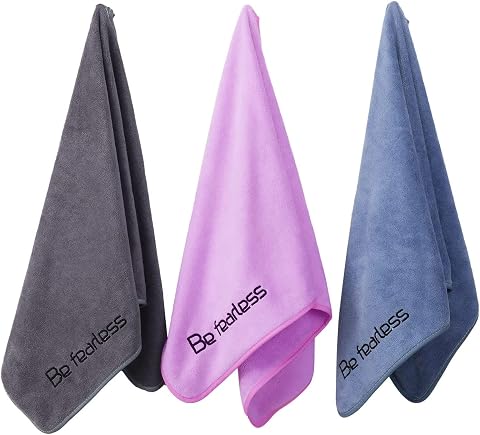
- Bundle accessories:USB charging adapters, microfiber cleaning cloth, power bank, USB car adapter, USB 3.0-to-USB-C adapter, and Air Pro TWS wireless earbuds
Our verdict“Choose this bundle over the standard Forerunner 165 if you will use its power bank and charging extras; otherwise, the added accessories may not justify choosing it.”

How We Picked
I ranked these watches for people who want one wrist-worn device to record both runs and bike rides. I focused on sport suitability across both activities, GPS and training features, battery claims, everyday usability, and whether the watch’s design and feature set suggest a sport-first or smartwatch-first experience. For cycling, I also weighed the practical difference between logging a ride on the wrist and building a setup around dedicated bike sensors or a handlebar computer.
The ranking favors watches with a clear role and a sensible balance for mixed training, rather than rewarding a long list of sports modes on its own. The Forerunner 165 leads as a well-rounded running-focused choice; the PACE 4 ranks highly for a lighter, sport-centered approach, while the vívoactive 5 and Active Max make more sense for buyers who value daily smartwatch functions. The Forerunner 55 entries are grouped in spirit because the supplied names describe closely related listings, and the generic watch ranks lower because its sports claims offer less evidence of dedicated training depth.
| running watch for cycling and running combo | Connectivity |
|---|---|
| Smart Watch for Women and Men | Bluetooth; compatible with iOS and Android |
| Garmin Forerunner 55 GPS Runni | — |
| COROS PACE 4 Ultralight Sport | — |
| Garmin Forerunner 55 GPS Runni | Bluetooth |
| Garmin vívoactive 5 GPS Smartw | Bluetooth, USB, and Wi-Fi |
| Amazfit Active Max Smart Watch | Bluetooth calls and messages |
| Garmin Forerunner 55 GPS Runni | Bluetooth |
| Garmin Forerunner 165 GPS Runn | Bluetooth, USB, Wi-Fi |
| Garmin Forerunner 165 GPS Runn | — |
Factors to Consider When Choosing Running Watch For Cycling And Running Combo
Choosing a watch for both sports is less about finding a model labeled for cycling and running than deciding which compromises fit your routine. I’d start with how you ride, how much training feedback you want, and whether the watch will also serve as your everyday screen.
Decide Whether You Need a Training Watch or a General Smartwatch
A watch built around running workouts may provide a more focused path from recording an activity to reviewing training progress, while a general smartwatch may put more emphasis on notifications, apps, and daily wellness. Think about what you’ll check after a session: workout guidance, activity history, or messages and everyday features. A long list of sport modes can be useful for logging varied activities, but it does not tell you how detailed the training tools are. A common mistake is choosing by display or app features alone, then finding that the training workflow feels basic. If structured workouts guide your week, favor sport-focused tools; if the watch is mainly an all-day companion, broader smart features may matter more.
Match Cycling Data to Your Actual Bike Setup
Wrist-based ride recording is convenient for casual rides, commuting, and keeping a combined activity log. Riders who track cadence, speed, power, or heart rate from external sensors should check the watch’s sensor compatibility before buying rather than assuming every watch supports the same devices. A wrist display can also be harder to read while riding than a dedicated handlebar computer, so consider whether you need live metrics or only a record after the ride. If you already own bike sensors, compatibility may matter more than a long list of built-in activity profiles. Avoid paying for cycling functions you will not use, but do not treat GPS ride recording as a replacement for every bike computer feature.
Plan Battery Needs Around Your Longest Session
Battery claims can refer to different use patterns, so compare GPS activity use with everyday smartwatch use rather than relying on a single headline figure. A long weekend ride followed by a run may place different demands on a watch than short weekday workouts. Always-on displays, frequent GPS recording, notifications, and connected sensors can change how often you need to charge. A common buying error is choosing a watch with enough battery for daily use but too little margin for the longest outing. If your rides regularly last several hours or you train across multiple days, leave room for GPS use, age-related battery wear, and the occasional missed charge.
Choose Fit and Screen for Both Wrist Comfort and Readability
A watch that feels fine on a short run can become distracting over a long ride, particularly if it is bulky or its strap traps sweat. Lightweight construction can appeal to runners, while a larger, brighter display may make glances at ride data easier. Those priorities can pull in opposite directions, so think about whether you value comfort during movement or quick readability most. Check the case size and strap fit against your wrist instead of assuming a listed screen size tells the whole story. If you plan to wear the watch overnight for recovery or sleep tracking, daily comfort deserves as much attention as workout visibility.
Treat Training Features and Sensor Claims as Separate Questions
GPS, wrist heart-rate tracking, workout guidance, and compatibility with extra sensors each answer different questions. GPS can record your route and pace, while external bike sensors may add data a watch cannot infer from wrist movement alone. A watch can offer many activity profiles without offering detailed guidance for improving performance across both sports. Before buying, list the information you actually use during and after training, then check that the device can record or connect to it. This helps avoid two opposite mistakes: buying a feature-heavy watch that adds little to your routine or choosing a simple tracker that cannot support your established training setup.
Check the Exact Listing, Not Just the Product Family
This roundup includes three Forerunner 55 listings and two Forerunner 165 listings, including a bundle. Similar names may refer to the same core watch with different packaging or included accessories, so verify the model identifier and bundle contents before ordering. Do not assume a bundle adds a sensor or accessory you need; confirm what is actually included. The same caution applies to generic watches advertised with many sport modes: check which phone features and data connections are supported for your device. Careful listing checks can prevent duplicate comparisons and help you spend attention on real differences rather than naming variations.
Frequently Asked Questions
Can one watch record both cycling and running without switching devices?
Yes. The watches in this roundup are positioned to record multiple sports, so one device can keep run and ride activities together. The bigger question is whether you need simple activity recording or detailed cycling data from compatible sensors. If you only want route and workout records, a multisport-capable GPS watch may be enough. If you rely on power, cadence, or a handlebar display, verify sensor and display support before choosing.
Is the Garmin Forerunner 55 a meaningful alternative to the Forerunner 165?
The Forerunner 55 is the more basic running-focused choice in this group, while the Forerunner 165 is positioned as the more capable all-rounder. A buyer who mainly wants to record runs and rides may find the 55’s simpler approach adequate. The 165 makes more sense if you want a more developed feature set and are willing to choose a less entry-level model. Check the exact listing, since this roundup includes several 55 listings and a 165 bundle rather than nine wholly distinct designs.
Should I choose the COROS PACE 4 or a Garmin Forerunner for mixed training?
Start with your main priority rather than brand. The PACE 4 is the sport-first, ultralight option in this selection, which may appeal if comfort and focused training use matter most. The Forerunner 165 is the more balanced recommendation here for a buyer seeking a dedicated running watch that can also log rides. Compare the specific training tools and sensor connections you use, since a watch’s role in this roundup does not guarantee it supports every accessory in your setup.
Is a watch with 100-plus sport modes a better choice for cycling and running?
Not by itself. A large mode count can make it easy to label many activities, but it does not reveal how useful the GPS, training feedback, data review, or sensor support will be. For someone focused on running and cycling, those details matter more than modes for activities they never record. The generic Alexa-enabled watch offers broad mode coverage, but I would compare its sport tools carefully against dedicated training watches. Choose mode variety only when it matches the activities you actually do.
Do I need a bundle, or should I buy the watch by itself?
A bundle is useful only when its included items match a real need, such as an accessory you planned to buy separately. The Forerunner 165 bundle listing should not be treated as a different watch until you confirm its contents and model details. If you already own compatible bike sensors or charging accessories, extra items may add little value. Compare the bundle’s contents with the standalone listing and check compatibility before deciding. The watch’s core fit for your training should come first.
Conclusion
For most buyers seeking a running-and-cycling combo, I recommend the Garmin Forerunner 165 as the best overall because it balances a dedicated running focus with use across both activities. The Forerunner 55 is my best value and beginner pick for someone who wants a simpler entry into GPS run and ride tracking, while the COROS PACE 4 is my best premium sport-first choice for buyers who prioritize a lightweight training watch. Choose the vívoactive 5 or Amazfit Active Max if everyday smartwatch features matter as much as workouts; the generic Alexa-enabled model suits shoppers drawn to broad activity coverage more than specialized training. For the Forerunner bundles and repeated 55 listings, verify the exact model and included items before you decide.
Halloween Picks
halloween
As an affiliate, we earn on qualifying purchases.