
Mental fatigue slows down your decision-making and skews how you perceive time and task difficulty. It makes you feel more overwhelmed, reducing focus and leading to more mistakes. Your sense of urgency drops, and tasks may seem more intimidating than before. You might notice your mind wandering more and taking longer to process information. Staying aware of these signs can help you manage your mental energy better—keep going to learn how to regain your focus faster.
Key Takeaways
- Mental fatigue slows information processing, causing tasks to seem more time-consuming and less manageable.
- It reduces motivation and urgency, leading to a slower pace in decision-making and actions.
- Fatigue increases mind wandering, disrupting focus and making perception of time feel distorted.
- Impaired judgment and reduced clarity cause individuals to underestimate or overestimate task durations.
- Overall mental drain diminishes awareness, making perceptions of pace and task importance less accurate.

Have you ever felt mentally drained after a long day of intense focus or decision-making? That tired, foggy sensation isn’t just in your head; it’s a sign of mental fatigue setting in. When your mind becomes overloaded, your ability to concentrate diminishes, and even simple tasks can feel overwhelming. One way your brain responds to this exhaustion is through mind wandering, which might seem harmless at first but can actually hinder your decision-making process. As mental fatigue builds, your thoughts drift more frequently, making it harder to stay engaged with the task at hand. Instead of maintaining focus, your mind wanders off, leading to mistakes or missed details. This drifting reduces your cognitive resources, making decision-making slower and less accurate. It’s like your brain hits a reset button, causing you to lose track of priorities, forget important information, or second-guess choices you’d normally handle confidently.
When your mental energy is depleted, you tend to rely more on automatic or habitual responses rather than actively weighing options. This shift in decision-making style can lead to impulsivity or poor judgment, especially in situations where careful thought is essential. You might notice yourself making snap decisions or avoiding complex problems altogether. Your perception of time also changes; moments can seem to stretch endlessly or pass in a blur. The pace at which you process information slows down, and your sense of urgency diminishes. This isn’t just about feeling sluggish — your perception of how much you can accomplish formidable shrinks, making tasks feel more intimidating than they actually are. Additionally, mental fatigue can impair your mood, leading to increased irritability or frustration, which further hampers your ability to make sound decisions. As a result, you may procrastinate or postpone important actions, knowing deep down that your mental resources are running low.
To combat this, it’s essential to recognize the signs of mental fatigue early. When you notice your mind wandering more frequently or your decision-making becoming less sharp, it’s a cue to take a break. Restoring your mental energy involves stepping away from demanding tasks, engaging in physical activity, or practicing mindfulness techniques. These activities help reset your focus, reduce mind wandering, and improve your decision-making capacity. Remember, continuous mental effort without breaks accelerates fatigue, which then impacts your perception and pace. By managing your mental energy wisely, you can maintain clarity, make better decisions, and keep a more accurate sense of time and progress throughout your day.
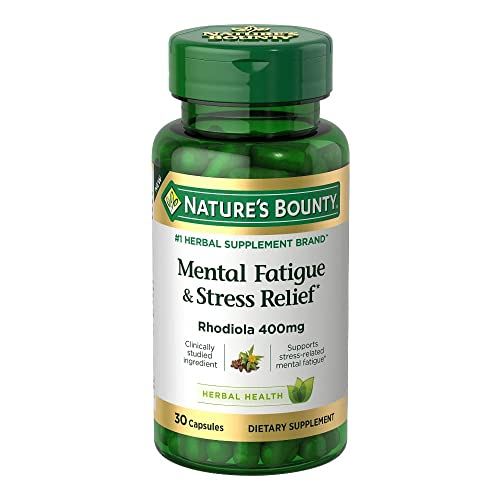
Nature's Bounty Mental Fatigue and Stress Relief, Rhodiola Supplement, 400 mg, Capsules, 30 Count
STRESS AND MENTAL FATIGUE SUPPORT: Nature’s Bounty Mental Fatigue & Stress Relief capsules help support occasional stress-related mental…
As an affiliate, we earn on qualifying purchases.
As an affiliate, we earn on qualifying purchases.
Frequently Asked Questions
How Can Mental Fatigue Be Distinguished From Physical Exhaustion?
You can tell mental fatigue from physical exhaustion by noticing brain fog and mental exhaustion, which make focusing difficult and dull your thoughts. Physical exhaustion usually causes muscle soreness, heavy limbs, and a desire to rest physically. Mental fatigue feels like your brain is weighed down or cloudy, impairing judgment and perception. If your energy feels drained mentally without significant muscle soreness, you’re likely experiencing mental fatigue rather than physical exhaustion.
What Are the Long-Term Effects of Chronic Mental Fatigue?
Chronic mental fatigue can lead to long-term issues like persistent brain fog and emotional burnout. You might find it harder to concentrate, make decisions, or stay motivated, which can affect your overall well-being. Over time, this ongoing exhaustion can increase stress levels, reduce productivity, and strain relationships. If ignored, it may also contribute to anxiety or depression, making it essential to prioritize rest and mental health strategies to recover and prevent further damage.
Can Mental Fatigue Be Completely Cured or Only Managed?
Mental fatigue can often be managed rather than completely cured. You can improve your recovery by practicing good sleep hygiene and engaging in brain training exercises to boost mental resilience. While some strategies help reduce symptoms, persistent mental fatigue may require ongoing care. Focus on maintaining healthy habits, managing stress, and seeking professional support when necessary to keep mental fatigue under control and improve your overall well-being.
How Does Mental Fatigue Influence Decision-Making Skills?
You might notice mental fatigue reduces your decision-making accuracy, making you more prone to mistakes. Evidence suggests that fatigue also diminishes cognitive flexibility, limiting your ability to adapt and consider alternative options. This combination hampers your judgment, especially in high-pressure situations. So, when you’re mentally tired, you may struggle to make well-informed choices quickly, underscoring the importance of rest to maintain sharp decision-making skills.
Are There Specific Diets That Help Reduce Mental Fatigue?
You can reduce mental fatigue by eating nutrient-rich foods like berries, nuts, and leafy greens, which support brain health. Staying hydrated with proper hydration strategies, such as drinking water regularly, keeps your brain functioning at its best. Avoid excessive sugar and processed foods, as they can cause energy crashes. Incorporate balanced meals and maintain hydration to boost your focus, mental clarity, and overall resilience against mental fatigue.

Focus Factor Adults Extra Strength, 120 Count – Brain Supplement for Memory, Concentration and Focus – Complete Multivitamin with DMAE, Vitamin D, DHA – Trusted Health Vitamins
#1 PHARMACIST RECOMMENDED MEMORY SUPPLEMENT BRAND: Focus Factor is the #1 Pharmacist Recommended Brand based on the results…
As an affiliate, we earn on qualifying purchases.
As an affiliate, we earn on qualifying purchases.
Conclusion
Mental fatigue can markedly slow you down and alter how you perceive your efforts. Did you know that studies show mental exhaustion can reduce your decision-making ability by up to 50%? That’s a huge impact on your performance and perception. To stay sharp and maintain your pace, it’s vital to recognize signs of fatigue and prioritize rest. Keep your mind refreshed, and you’ll perform better, feel more confident, and enjoy the journey more.

Mindsight 'Breathing Buddha' Guided Visual Meditation Tool for Mindfulness | Slow Your Breathing & Calm Your Mind for Stress & Anxiety Relief | Perfect for Adults & Kids (Multicolor, Pebble (Sound))
🧠 Introducing (6) Ambient Nature Sounds: the addition of crashing waves, birds chirping or a strong breeze can…
As an affiliate, we earn on qualifying purchases.
As an affiliate, we earn on qualifying purchases.

DUMOS Office Chair – Ergonomic Mid Back Mesh Desk Chair with Lumbar Support & Rocking Mode, Height Adjustable with Fixed Armrest, Computer, Gaming, Conference, 360° Swivel, Black
【Comfort Ergonomic Design】DUMOS features a scientifically contoured mid-back design and lumbar support that precisely fits the natural curve…
As an affiliate, we earn on qualifying purchases.
As an affiliate, we earn on qualifying purchases.