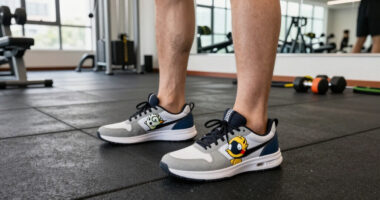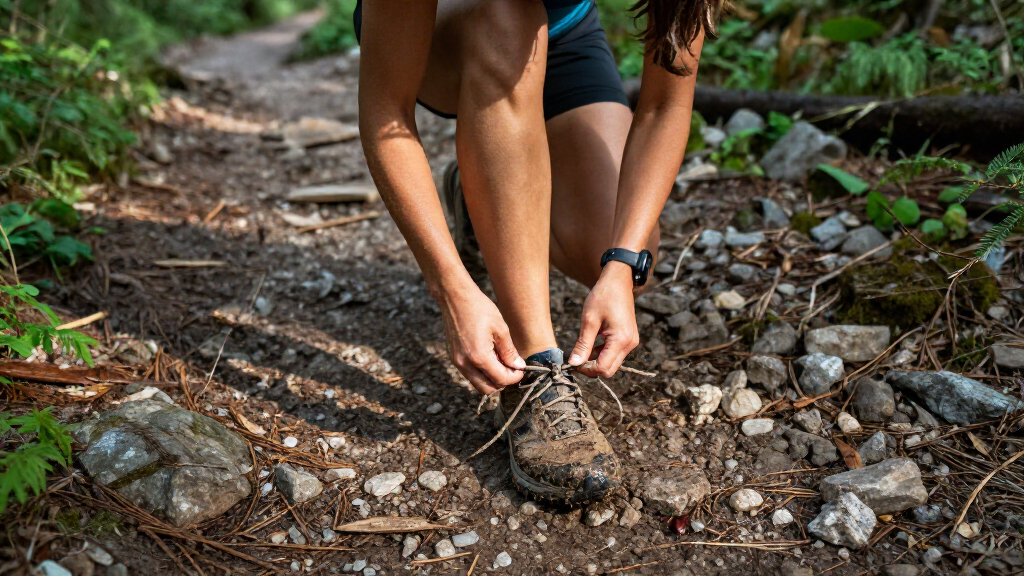
For trail workouts that mix packed paths, loose ground, and changing conditions, I’d start with the Brooks Cascadia 19 as the best overall pick for its trail-focused balance. The New Balance Fresh Foam X Hierro v9 stands out for runners who want plush cushioning, while the New Balance Fresh Foam 410v9 offers a simpler value-oriented option for easier routes. The main tradeoff is between cushioning and ground feel, with grip, fit, and shoe weight also shaping how a pair works on your regular trails. A shoe suited to smooth park paths may feel less secure on rocky or muddy terrain, and a highly cushioned model can feel less nimble during short, fast sessions. Read on for the full breakdown and a guide to matching each option to your workouts.

Get workout gear delivered free with Prime
- Fast, free delivery on millions of items
- Prime Video, Amazon Music and more included
- Member-only deals all year
Complete the kit


Key Takeaways
- The Brooks Cascadia 19 earns the overall lead because it is the most trail-focused all-rounder in this lineup, while the similarly named women’s Cascadia 19 offers a gender-specific alternative.
- The Hierro v9 and Caldera 8 are the clearest cushioning choices; they suit longer, more comfort-led outings better than runners who prize a low, quick feel.
- The Fresh Foam 410v9 and DynaSoft Nitrel models represent more accessible, straightforward options, but they are better matched to moderate trails than demanding technical terrain.
- The Novablast 5 TR and Brooks Ghost Trail appeal to runners who split time between roads and trails, although a hybrid design is not a substitute for aggressive traction on rough routes.
- The MIFAWA barefoot shoe and wide-toe-box NORTIV 8 serve specific fit and feel preferences; neither should be an automatic pick for runners accustomed to cushioned trail shoes.
| Brooks Men’s Cascadia 19 Trail Running Shoe |  | Best Overall for Technical Trail Workouts | Midsole cushioning: DNA LOFT v3 | Outsole: TrailTack Green rubber with 25% recycled content | Stability system: Trail Adapt System with articulated Ballistic Rock Shield | VIEW LATEST PRICE | See Our Full Breakdown |
| New Balance Men’s Fresh Foam 410v9 Trail Running Shoe |  | Best for Mixed Road-and-Trail Workouts | Midsole: BIO Foam with Fresh Foam cushioning | Outsole: AT Tread | Upper: Mesh with durable overlays | VIEW LATEST PRICE | See Our Full Breakdown |
| Brooks Men’s Ghost Trail Running Shoe |  | Best for Dry, Rocky Trails | Midsole: Nitrogen-infused DNA LOFT v3 | Outsole: TrailTack Green rubber | Lug depth: 3 mm | VIEW LATEST PRICE | See Our Full Breakdown |
| MIFAWA Men’s Barefoot Shoes with Wide Toe Box and Zero Drop Sole |  | Best Minimalist Option | Heel-to-toe drop: Zero drop | Toe box: Wide | Outsole: Flexible, non-slip rubber | VIEW LATEST PRICE | See Our Full Breakdown |
| KEFUWU Men’s Trail Running and Hiking Shoes |  | Best Multi-Activity Trail Pick | Upper: Oxford fabric and mesh | Inner material: Mesh | Midsole: EVA | VIEW LATEST PRICE | See Our Full Breakdown |
| Brooks Women’s Caldera 8 Ultra Trail Running Shoe |  | Best for Long, Rugged Trail Workouts | Product type: Women’s ultra trail running shoe | Midsole cushioning: Nitrogen-infused DNA LOFT v3 | Stability features: Raised sidewalls and widened base | VIEW LATEST PRICE | See Our Full Breakdown |
| New Balance Men’s Fresh Foam X Hierro v9 Trail Running Shoes |  | Best for Wet, Technical Trails | Midsole: Dual-density Fresh Foam X | Outsole: Vibram Megagrip with Traction Lug technology | Lug depth: 6 mm | VIEW LATEST PRICE | See Our Full Breakdown |
| New Balance Men’s Fresh Foam X Garoé V2 Trail Running Shoe |  | Best for Mixed Road-and-Trail Routes | Midsole: Fresh Foam X with approximately 3% bio-based content | Outsole: AT Tread with Hydrohesion rubber | Upper: Mesh with no-sew seamless overlays | VIEW LATEST PRICE | See Our Full Breakdown |
| New Balance Men’s DynaSoft Nitrel v6 Trail Running Shoe |  | Best for Everyday Mixed-Surface Workouts | Midsole: DynaSoft | Outsole: AT Tread | Drop: Approximately 6 mm; may vary | VIEW LATEST PRICE | See Our Full Breakdown |
| ASICS Men’s Novablast 5 TR Running Shoes |  | Best for Cushioned, Fast Trail Sessions | Upper: Engineered mesh | Midsole cushioning: FF BLAST MAX | Outsole: Trail-specific synthetic rubber | VIEW LATEST PRICE | See Our Full Breakdown |
| NORTIV 8 Men’s Trail Running Shoes with Wide Toe Box |  | Best for a Roomy Toe Box | Upper: Jacquard mesh | Toe box: Wide | Midsole: Lightweight EVA | VIEW LATEST PRICE | See Our Full Breakdown |
| Brooks Women’s Cascadia 19 Mountain Trail Running Shoe |  | Best for Rugged Trail Stability | Cushioning: DNA LOFT v3 | Outsole: TrailTack Green rubber with 25% recycled content | Upper: Breathable air mesh with 3D print overlays | VIEW LATEST PRICE | See Our Full Breakdown |
| ASICS Women’s GEL-VENTURE 11 Trail Running Shoes |  | Best for Cushioned Everyday Trail Workouts | Upper: Mesh and synthetic fiber | Midsole cushioning: AMPLIFOAM PLUS | Heel technology: Rearfoot GEL | VIEW LATEST PRICE | See Our Full Breakdown |
| New Balance Women’s Dynasoft Nitrel V6 Trail Running Shoes |  | Best for Mixed On- and Off-Road Routes | Midsole: DynaSoft | Outsole: AT Tread | Drop: Approximately 6 mm | VIEW LATEST PRICE | See Our Full Breakdown |
| running shoes for trail workout | Outsole | Upper | Sole material | Midsole |
|---|---|---|---|---|
| Brooks Men’s Cascadia 19 Trail | TrailTack Green rubber with 25% recycled content | Breathable, quick-drying air mesh with 3D print overlays | Rubber | — |
| New Balance Men’s Fresh Foam 4 | AT Tread | Mesh with durable overlays | Rubber | BIO Foam with Fresh Foam cushioning |
| Brooks Men’s Ghost Trail Runni | TrailTack Green rubber | Air mesh with 3D-printed toe cap and mudguard overlays | Rubber | Nitrogen-infused DNA LOFT v3 |
| MIFAWA Men’s Barefoot Shoes wi | Flexible, non-slip rubber | — | Rubber | — |
| KEFUWU Men’s Trail Running and | Rubber with deep tread | Oxford fabric and mesh | — | EVA |
| Brooks Women’s Caldera 8 Ultra | — | Breathable, durable construction | Rubber | — |
| New Balance Men’s Fresh Foam X | Vibram Megagrip with Traction Lug technology | Breathable knit mesh | Rubber | Dual-density Fresh Foam X |
| New Balance Men’s Fresh Foam X | AT Tread with Hydrohesion rubber | Mesh with no-sew seamless overlays | Rubber | Fresh Foam X with approximately 3% bio-based content |
| New Balance Men’s DynaSoft Nit | AT Tread | — | Rubber | DynaSoft |
| ASICS Men’s Novablast 5 TR Run | Trail-specific synthetic rubber | Engineered mesh | Rubber | — |
| NORTIV 8 Men’s Trail Running S | Wear-resistant rubber with 4 mm lugs | Jacquard mesh | — | Lightweight EVA |
| Brooks Women’s Cascadia 19 Mou | TrailTack Green rubber with 25% recycled content | Breathable air mesh with 3D print overlays | — | — |
| ASICS Women’s GEL-VENTURE 11 T | Molded rubber | Mesh and synthetic fiber | — | — |
| New Balance Women’s Dynasoft N | AT Tread | — | Rubber | DynaSoft |
More Details on Our Top Picks
Brooks Men’s Cascadia 19 Trail Running Shoe
The Cascadia 19 is the most trail-focused pick here for workouts that move across uneven, rocky, or muddy ground. Its Trail Adapt System and articulated rock shield are intended to help the shoe respond to changing terrain, while DNA LOFT v3 cushioning adds comfort without making protection the only priority. The TrailTack Green outsole is specified for wet and dry grip, and the reinforced toe and mudguard help shield the upper from trail debris. Compared with the New Balance Fresh Foam 410v9, this model offers more explicit stability and underfoot protection; the 410v9 is the simpler option for mixed on- and off-road use. The tradeoff is that the Cascadia’s specialized trail setup is less suited to road-heavy workouts, and the supplied details do not establish its fit.
Pros:- Trail Adapt System and articulated rock shield are designed for uneven terrain
- TrailTack Green rubber outsole is specified for wet and dry grip
- DNA LOFT v3 cushioning balances comfort with a responsive feel
- Quick-drying mesh, toe cap, and mudguard add airflow and trail protection
Cons:- Its trail-specific design is less suitable for primarily road-based workouts
- The supplied product details do not provide fit or sizing guidance
Best for: Runners who regularly train on rugged, uneven trails and want cushioning, traction, and added protection in one shoe.
Not ideal for: Runners whose workouts are mostly on pavement or who need clear sizing and fit guidance before choosing.
- Midsole cushioning:DNA LOFT v3
- Outsole:TrailTack Green rubber with 25% recycled content
- Stability system:Trail Adapt System with articulated Ballistic Rock Shield
- Upper:Breathable, quick-drying air mesh with 3D print overlays
- Protection:Reinforced toe cap and mudguard
- Sole material:Rubber
- Certification:Carbon neutral product
- Predecessor:Cascadia 18
Our verdict“Choose the Cascadia 19 for varied, technical trail workouts where stability and protection matter more than road versatility.”
New Balance Men’s Fresh Foam 410v9 Trail Running Shoe
The Fresh Foam 410v9 is the adaptable choice for workouts that begin on pavement and continue onto dirt paths. Its AT Tread outsole is designed for traction on and off road, giving it a broader stated use case than the more trail-specialized Brooks Cascadia 19. Fresh Foam and BIO Foam cushioning aim to soften impact during training, while the breathable mesh upper and adjustable lacing keep the design straightforward. Compared with the Cascadia 19, the 410v9 does not list a rock shield, mudguard, or dedicated stability system, so runners tackling rougher, more technical terrain may prefer the Brooks. The product information also gives no specific lug depth or fit details, which makes it harder to judge its grip and sizing for demanding routes.
Pros:- AT Tread outsole is designed for both on-road and off-road traction
- Fresh Foam and BIO Foam cushioning target comfort and impact absorption
- Breathable mesh upper includes durable overlays
- Lace-up closure allows an adjustable fit
Cons:- No rock shield or dedicated stability system is listed for rough trails
- The supplied details provide no lug depth or fit guidance
Best for: Runners who split regular workouts between paved paths, packed dirt, and less technical trails.
Not ideal for: Trail runners who routinely encounter rocky or highly uneven terrain and want stated underfoot protection or a dedicated stability system.
- Midsole:BIO Foam with Fresh Foam cushioning
- Outsole:AT Tread
- Upper:Mesh with durable overlays
- Closure:Lace-up
- Sole material:Rubber
- Outer material:Mesh
- Origin:Imported
Our verdict“Pick the 410v9 if your trail workouts include substantial pavement and you want a versatile outsole rather than specialized protection.”
Brooks Men’s Ghost Trail Running Shoe
The Brooks Ghost Trail suits runners who want cushioned training on dry, rocky routes without giving up a breathable upper. Its nitrogen-infused DNA LOFT v3 midsole is designed to cushion each step, while the 3 mm TrailTack Green lugs provide a defined tread profile for trail grip. The toe cap and mudguard overlays add protection from rocks and debris, though the product is specifically framed for dry, rocky, and technical terrain. Compared with the Cascadia 19, the Ghost Trail lists a lug depth but does not include the Cascadia’s named Trail Adapt stability system or articulated rock shield. That makes the Cascadia the clearer choice for changing, uneven ground, while the Ghost Trail’s appeal is its combination of cushioning and a more specifically described tread. Neither is positioned as a road-first shoe.
Pros:- Nitrogen-infused DNA LOFT v3 midsole is designed for responsive cushioning
- TrailTack Green outsole has a stated 3 mm lug depth
- Air mesh upper supports airflow
- Toe cap and mudguard overlays help protect against rocks and debris
Cons:- Trail-specific design may be less suitable for road running
- Does not list the Cascadia 19’s Trail Adapt system or articulated rock shield
Best for: Runners training on dry, rocky trails who want cushioning, breathable mesh, and protective overlays.
Not ideal for: Runners seeking a versatile road-and-trail shoe or the listed stability and rock-shield features of the Cascadia 19.
- Midsole:Nitrogen-infused DNA LOFT v3
- Outsole:TrailTack Green rubber
- Lug depth:3 mm
- Upper:Air mesh with 3D-printed toe cap and mudguard overlays
- Closure:Lace-up
- Sole material:Rubber
- Intended use:Trail running and outdoor adventures
Our verdict“Choose the Ghost Trail for cushioned workouts on dry, rocky routes, but favor the Cascadia 19 if adaptive stability and a rock shield are higher priorities.”
MIFAWA Men’s Barefoot Shoes with Wide Toe Box and Zero Drop Sole
The MIFAWA barefoot shoe stands apart from the cushioned trail runners in this roundup: its zero-drop sole and wide toe box prioritize a flat stance and room for toes to spread rather than a conventional protective ride. A removable cushioned insole lets the wearer choose between some added padding and a closer-to-ground feel. The flexible, non-slip rubber outsole is described for indoor and outdoor activities, but the product details do not specify trail lug depth or a rock plate. Compared with the New Balance Fresh Foam 410v9, this is a more minimalist option, not the more straightforward pick for cushioning and mixed-surface traction. Runners should also account for the reduced cushioning when removing the insole; it may be a poor match for rocky routes or anyone moving to minimalist footwear without a gradual adjustment.
Pros:- Wide toe box allows room for natural toe spread
- Zero-drop design keeps heel and forefoot level
- Removable cushioned insole allows adjustment of ground feel
- Flexible rubber outsole is described for indoor and outdoor grip
Cons:- Less cushioning when the insole is removed
- No lug depth or rock-protection feature is specified for technical trails
- Minimalist feel may not suit runners accustomed to cushioned shoes
Best for: Runners already comfortable with minimalist footwear who want a wide toe box and zero-drop platform for light trail workouts.
Not ideal for: Runners who need substantial cushioning, underfoot rock protection, or clearly specified trail lugs for rough terrain.
- Heel-to-toe drop:Zero drop
- Toe box:Wide
- Outsole:Flexible, non-slip rubber
- Insole:Removable cushioned insole
- Closure:Buckle
- Sole material:Rubber
- Inner material:Ethylene vinyl acetate
Our verdict“Choose the MIFAWA if you specifically want a zero-drop, wide-toe minimalist shoe for lighter trails, not a cushioned option like the Fresh Foam 410v9.”
KEFUWU Men’s Trail Running and Hiking Shoes
The KEFUWU trail shoe is the broadest-use option here, with listed activities ranging from trail running and hiking to walking and gym workouts. Its deep-tread rubber outsole is intended for varied terrain, while the EVA midsole cushions impact and the mesh-and-Oxford upper combines airflow with reinforced protection. That makes it a more activity-flexible choice than the trail-specific Brooks Ghost Trail, whose stated focus is dry, rocky, technical routes. The tradeoff is that KEFUWU provides fewer performance details: there is no lug measurement, waterproofing claim, or fit information in the supplied data. Runners who need confidence about sizing or wet-weather protection may prefer a model with more clearly described trail construction, such as the Brooks Cascadia 19.
Pros:- Listed for trail running, hiking, walking, jogging, and other activities
- Deep-tread rubber outsole is designed for varied terrain
- EVA midsole provides cushioning for impact
- Mesh and Oxford fabric upper combines breathability with reinforced protection
Cons:- No sizing or fit information is provided
- No waterproofing claim is stated
- Lug depth and specialized stability or rock-protection features are not specified
Best for: Buyers who want one shoe for casual trail runs, hiking, walking, and general workouts across varied surfaces.
Not ideal for: Runners who need reliable sizing guidance, stated waterproofing, or detailed traction and protection specs for technical trails.
- Upper:Oxford fabric and mesh
- Inner material:Mesh
- Midsole:EVA
- Outsole:Rubber with deep tread
- Intended uses:Trail running, hiking, walking, jogging, tennis, cycling, and gym workouts
- Gender:Men
- Origin:Imported
Our verdict“Choose KEFUWU for a multi-activity shoe covering casual trails and hiking, but opt for the Cascadia 19 when technical-trail protection is the priority.”
Brooks Women’s Caldera 8 Ultra Trail Running Shoe
For long workouts over rocky, root-strewn trails, the Caldera 8 puts impact protection ahead of a close-to-ground feel. Its nitrogen-infused DNA LOFT v3 cushioning softens repeated foot strikes, while the widened base and raised sidewalls add support when footing gets uneven. Compared with the New Balance Fresh Foam X Hierro v9, which specifies 6 mm lugs and Vibram Megagrip for traction, the Caldera’s listed strengths center more on plush cushioning and stability than on a named outsole grip system.
The breathable, durable upper is suited to sustained trail use and can help manage moisture without adding a waterproof claim. The tradeoff is that the high-stack, soft ride may feel bulky or less precise for runners who prefer firmer ground feedback. It is also a trail-focused shoe, not a natural choice for road-only training.
Pros:- Nitrogen-infused DNA LOFT v3 cushioning helps soften impact over long trail sessions.
- Widened base and raised sidewalls support stability on uneven ground.
- Breathable upper helps manage heat and moisture.
- Durable upper is designed to resist scratching and snagging.
Cons:- High-stack cushioning may feel overly plush and reduce ground feel for some runners.
- Trail-focused design is less suited to road-only workouts.
Best for: Women planning long trail workouts on rough, rocky routes who want substantial cushioning and a broad, stable platform.
Not ideal for: Runners who prefer a low, firm, highly responsive feel, or who need one shoe mainly for road workouts.
- Product type:Women’s ultra trail running shoe
- Midsole cushioning:Nitrogen-infused DNA LOFT v3
- Stability features:Raised sidewalls and widened base
- Sole material:Rubber
- Outer material:Nylon
- Upper:Breathable, durable construction
- Origin:Imported
- Certification:Carbon neutral
Our verdict“Choose the Caldera 8 for extended, rugged trail workouts when cushioning and platform stability matter more than a firm, nimble feel.”
New Balance Men’s Fresh Foam X Hierro v9 Trail Running Shoes
The Fresh Foam X Hierro v9 is the traction-focused choice here for workouts where wet ground, loose patches, and trail debris call for a more protective setup. Its Vibram Megagrip outsole pairs with 6 mm lugs to target grip across wet and dry terrain, while a toe cap helps shield against rocks and roots. The dual-density Fresh Foam X midsole adds cushioning with a firmer layer for stability. Compared with the Brooks Caldera 8, which emphasizes plush cushioning and a broad platform, the Hierro gives buyers more specific outsole and lug details to judge for technical routes.
A breathable knit upper and gusseted tongue help limit heat and debris entry, but this is still a trail-specific shoe rather than a versatile road trainer. Its more protective, grippy build makes the most sense when trail conditions justify it; runners whose workouts are mostly paved may get less value from those trail-focused features.
Pros:- Vibram Megagrip outsole with 6 mm lugs is designed for traction on wet and dry terrain.
- Dual-density Fresh Foam X balances cushioning with a firmer stabilizing layer.
- Toe Protect technology helps guard against rocks and trail debris.
- Breathable knit upper and gusseted tongue help manage heat and keep debris out.
Cons:- Trail-specific design is less suitable for road-dominant training.
- Protective construction may feel like more shoe than runners need on smooth, mild routes.
Best for: Men running regular workouts on wet, uneven, or debris-strewn trails who prioritize outsole grip and toe protection.
Not ideal for: Runners whose routes are mainly roads or smooth paths, where the trail-specific outsole and protective build are less useful.
- Midsole:Dual-density Fresh Foam X
- Outsole:Vibram Megagrip with Traction Lug technology
- Lug depth:6 mm
- Toe protection:Toe Protect technology
- Upper:Breathable knit mesh
- Tongue:Gusseted
- Closure:Lace-up
- Sole material:Rubber
Our verdict“Pick the Hierro v9 for trail workouts where dependable wet-ground traction and toe protection outrank road versatility.”
New Balance Men’s Fresh Foam X Garoé V2 Trail Running Shoe
When a workout links pavement with dirt paths, the Fresh Foam X Garoé V2 offers a more adaptable profile than the trail-specialist Hierro v9. Its AT Tread outsole is designed for both paved and off-road surfaces, while Hydrohesion rubber targets grip in wet conditions. Fresh Foam X cushioning keeps the ride soft, and the water-resistant upper adds some protection without claiming to be waterproof. That combination suits runners who do not want to switch shoes every time a route leaves the road.
Toe Protect technology helps guard against rocks and debris, and seamless overlays support a clean fit; wide options are available. The tradeoff is that water resistance has limits in sustained rain or deep water. The product data also does not specify lug depth or a dedicated technical-trail grip system like the Hierro’s Vibram Megagrip, so runners tackling demanding wet terrain may prefer that more trail-focused option.
Pros:- AT Tread outsole is designed to handle both paved and off-road surfaces.
- Hydrohesion rubber targets grip in wet conditions.
- Water-resistant construction offers some moisture protection.
- Toe Protect and available wide options address trail debris and fit needs.
Cons:- Water-resistant construction is not fully waterproof.
- The product details do not specify lug depth or a specialized outsole system comparable to the Hierro v9.
Best for: Men whose trail workouts start on pavement and continue onto packed dirt, with occasional wet conditions and a need for wide sizing.
Not ideal for: Runners who regularly tackle deep mud, severe weather, or highly technical trails and need a more specialized grip setup or waterproof protection.
- Midsole:Fresh Foam X with approximately 3% bio-based content
- Outsole:AT Tread with Hydrohesion rubber
- Upper:Mesh with no-sew seamless overlays
- Water protection:Water-resistant; not fully waterproof
- Toe protection:Toe Protect technology
- Fit options:Wide options available
- Sole material:Rubber
- Origin:Imported
Our verdict“Choose the Garoé V2 if your trail workouts mix pavement and off-road paths and you want water resistance without a highly specialized trail shoe.”
New Balance Men’s DynaSoft Nitrel v6 Trail Running Shoe
The DynaSoft Nitrel v6 is the straightforward pick for regular workouts that move between roads and uncomplicated trails. Its responsive DynaSoft midsole and EVA foam insert add cushioning, while the AT Tread outsole is intended to work on and off road. That gives it a more everyday mixed-surface brief than the New Balance Fresh Foam X Hierro v9, whose Vibram Megagrip outsole and 6 mm lugs make its trail grip credentials more explicit. The Nitrel’s no-sew overlays keep the upper construction simple, and the approximate 6 mm drop is a useful reference for runners comparing shoe geometry.
The tradeoff is less evidence in the provided specifications of specialized protection for demanding terrain: no toe protection or wet-condition outsole technology is listed. Its versatility is appealing for moderate routes, but runners who face rocks, mud, or frequent wet trails may be better served by the Hierro v9. The listed drop is approximate and may vary.
Pros:- DynaSoft midsole provides responsive cushioning.
- EVA foam insert adds another layer of comfort.
- AT Tread outsole is designed for both on- and off-road use.
- No-sew overlays avoid added seams in the upper construction.
Cons:- The supplied details do not list dedicated toe protection or a specialized wet-trail grip system.
- Approximately 6 mm drop may vary, so the exact geometry is not fixed in the product data.
Best for: Men who want one shoe for routine workouts across pavement, paths, and moderate trails rather than technical terrain.
Not ideal for: Runners who need specified toe protection, deep-lug grip, or stronger wet-trail credentials for rough and demanding routes.
- Midsole:DynaSoft
- Outsole:AT Tread
- Drop:Approximately 6 mm; may vary
- Overlays:No-sew
- Insert:EVA foam
- Sole material:Rubber
- Inner material:Cotton
- Origin:Imported
Our verdict“Choose the Nitrel v6 for routine mixed-surface workouts, but look to the Hierro v9 if your trails demand more specified grip and protection.”
ASICS Men’s Novablast 5 TR Running Shoes
The ASICS Novablast 5 TR is the livelier-feeling option in this group for runners who want soft landings and responsive toe-offs on trail workouts. FF BLAST MAX cushioning supplies the comfort, while a trail-specific rubber outsole adds traction for varied terrain. A trampoline-inspired outsole pod supports the shoe’s energetic character, and the tongue wing construction helps limit tongue movement as the pace rises. Compared with the Brooks Caldera 8, which is built around a plush, stable platform for long rugged outings, the Novablast is a better match for runners who prioritize a responsive ride.
The engineered mesh upper supports ventilation, and reflective details add visibility cues. The tradeoff is that the provided specifications do not give lug depth or a named wet-grip compound, so the outsole is less precisely described than the Hierro v9’s Vibram Megagrip system. Its trail rubber also makes it less suited to road-only training, despite the shoe’s responsive character.
Pros:- FF BLAST MAX cushioning is designed for soft landings and responsive toe-offs.
- Trail-specific rubber outsole targets traction and durability on varied terrain.
- Tongue wing construction helps reduce tongue movement.
- Engineered mesh supports ventilation, with reflective details included.
Cons:- Trail-specific outsole may be less suitable for road-only training.
- The provided specs do not state lug depth or identify a dedicated wet-grip compound, unlike the Hierro v9.
Best for: Men who want cushioned, responsive trail workouts on varied routes and value a secure-feeling tongue and breathable upper.
Not ideal for: Road-only runners, or trail runners who need specified deep lugs and a named wet-grip outsole for technical conditions.
- Upper:Engineered mesh
- Midsole cushioning:FF BLAST MAX
- Outsole:Trail-specific synthetic rubber
- Outsole feature:Trampoline-inspired outsole pod
- Closure:Lace-up
- Lining and insole:Polyester
- Sole material:Rubber
- Additional feature:Reflective details
Our verdict“Pick the Novablast 5 TR for a soft, responsive trail workout ride, but favor the Hierro v9 when clearly specified wet-terrain grip is the priority.”
NORTIV 8 Men’s Trail Running Shoes with Wide Toe Box
For trail workouts where toe comfort matters more than a highly technical build, I’d put the NORTIV 8 first on the shortlist. Its wide toe box gives toes more room to spread, while the 4 mm rubber lugs are designed to handle both trail paths and pavement. That mixed-surface intent makes it more flexible for everyday routes than the Brooks Women’s Cascadia 19, which is more clearly aimed at rugged trails and adds a rock shield and protective overlays. The NORTIV 8 pairs a breathable jacquard mesh upper with an EVA midsole and arch support insole for cushioning on routine runs. The tradeoff is limited detail: waterproofing, shoe weight, and sizing guidance are not provided, so I wouldn’t choose it for wet conditions or a precise fit without checking sizing information.
Pros:- Wide toe box allows more room for toe spread
- Breathable jacquard mesh upper helps manage heat and sweat
- Arch support insole and shock-absorbing EVA midsole add comfort
- 4 mm rubber lugs are suited to trails and pavement
Cons:- Waterproofing is not specified, limiting confidence for wet-weather use
- No weight or sizing details are provided
- The listed details do not describe a rock plate or reinforced toe protection
Best for: Runners who want extra forefoot room for routine trail workouts that mix packed dirt with pavement.
Not ideal for: Runners who need documented waterproof protection, detailed weight information, or substantial protection for technical rocky trails.
- Upper:Jacquard mesh
- Toe box:Wide
- Midsole:Lightweight EVA
- Insole:Arch support
- Outsole:Wear-resistant rubber with 4 mm lugs
- Sole materials:EVA and rubber
- Outer material:Thermoplastic polyurethane (TPU)
- Closure:Lace-up
Our verdict“Choose the NORTIV 8 if a roomy forefoot and mixed-surface grip matter more to you than detailed fit guidance or rugged-trail protection.”
Brooks Women’s Cascadia 19 Mountain Trail Running Shoe
Among these four, the Cascadia 19 has the clearest equipment for uneven, demanding trails: its Trail Adapt System works with an articulated Ballistic Rock Shield to support footing and help guard against rough ground. The TrailTack Green outsole is designed for grip on wet and dry terrain, while DNA LOFT v3 cushioning adds a softer, responsive feel. Compared with the ASICS GEL-VENTURE 11, which emphasizes everyday comfort and impact absorption, the Cascadia is the more trail-specific choice, with a reinforced toe cap and protective overlays. That added trail focus is less useful if your workouts are mostly on pavement, and the available details don’t include weight or fit guidance. I’d favor it for technical routes, but choose a more road-friendly option for a mostly paved training loop.
Pros:- Trail Adapt System and articulated rock shield support uneven-trail use
- TrailTack Green outsole is designed for wet and dry terrain
- DNA LOFT v3 cushioning offers a soft, responsive ride
- Reinforced toe cap and protective overlays add coverage
Cons:- Its trail-focused design is less suited to workouts mainly on pavement
- No weight or fit details are provided
- Protective construction may be more than casual, smooth-path runners need
Best for: Women runners who train on uneven or rocky trails and want stability features, outsole grip, and added upper protection.
Not ideal for: Runners whose workouts are mainly on pavement or who need published weight and fit details before choosing a shoe.
- Cushioning:DNA LOFT v3
- Outsole:TrailTack Green rubber with 25% recycled content
- Upper:Breathable air mesh with 3D print overlays
- Stability system:Trail Adapt System
- Rock protection:Articulated Ballistic Rock Shield
- Toe protection:Reinforced toe cap
- Shaft height:Ankle
- Origin:Imported
- Product status:Certified carbon neutral
Our verdict“Pick the Cascadia 19 for rugged, uneven routes where stability and protection take priority over road versatility.”
ASICS Women’s GEL-VENTURE 11 Trail Running Shoes
The GEL-VENTURE 11 is the comfort-led pick for runners who want trail shoes for regular workouts rather than a heavily armored shoe for technical terrain. AMPLIFOAM PLUS, a 2 mm higher stack height, and rearfoot GEL technology are intended to soften impact, while the moisture-managing sockliner supports comfort through a run. Compared with the Brooks Women’s Cascadia 19, it offers a more everyday cushioning emphasis; it doesn’t list the Cascadia’s rock shield, stability system, or reinforced toe cap. Its molded rubber outsole provides traction, though the product details don’t specify lug depth or wet-terrain performance, so I’d be cautious about choosing it for very loose or steep trails. One fit note is especially useful: it runs large, making sizing a point to check before buying.
Pros:- AMPLIFOAM PLUS cushioning and added stack height target impact absorption
- Rearfoot GEL technology adds cushioning at heel strike
- Moisture-managing OrthoLite sockliner supports a more comfortable fit
- Molded rubber outsole supplies trail-oriented traction
Cons:- Runs large, so buyers may need to adjust their usual sizing
- Outsole lug depth and wet-terrain grip are not specified
- Listed details do not include a rock shield or reinforced toe cap
Best for: Women runners seeking cushioned, comfortable shoes for regular trail workouts on manageable paths, with occasional everyday wear.
Not ideal for: Runners tackling technical rocky routes who want specified rock protection, or buyers unwilling to account for a fit that runs large.
- Upper:Mesh and synthetic fiber
- Midsole cushioning:AMPLIFOAM PLUS
- Heel technology:Rearfoot GEL
- Sockliner:OrthoLite Hybrid Max Lite
- Outsole:Molded rubber
- Closure:Lace-up
- Silhouette:Low top
- Fit note:Runs large
- Lining and insole:Polyester
Our verdict“Choose the GEL-VENTURE 11 for cushioned workouts on manageable trails if you can account for its large-running fit.”
New Balance Women’s Dynasoft Nitrel V6 Trail Running Shoes
The Dynasoft Nitrel v6 suits runners whose workouts move between dirt paths and pavement, rather than staying on rugged trails. Its AT Tread outsole is designed for versatile on- and off-road traction, and the DynaSoft midsole combines a responsive feel with plush cushioning. That makes it a more explicitly mixed-surface option than the Brooks Women’s Cascadia 19, whose rock shield, stability system, and protective upper point toward rougher trail use. No-sew overlays and an EVA foam insert add comfort, but the provided details offer little guidance on protection from rocks or the shoe’s weight. The approximate 6 mm drop is useful for comparing the shoe’s geometry, though manufacturing variation means it isn’t an exact measurement. I’d pick it for versatile routes, not as my first choice for technical terrain.
Pros:- AT Tread outsole is designed for both on- and off-road traction
- DynaSoft midsole blends responsiveness with plush cushioning
- No-sew overlays reduce seams across the upper
- EVA foam insert adds cushioning underfoot
Cons:- Approximate 6 mm drop may vary between pairs
- The provided details do not specify a rock plate or protective toe cap
- Weight and fit guidance are not included
Best for: Women runners who split workouts between paved approaches, packed paths, and light-to-moderate trails.
Not ideal for: Runners who regularly tackle rocky technical trails and want specified rock protection or a detailed stability system.
- Midsole:DynaSoft
- Outsole:AT Tread
- Drop:Approximately 6 mm
- Sole material:Rubber
- Outer material:Rubber
- Inner material:Cotton
- Upper construction:No-sew overlays
- Comfort feature:EVA foam insert
- Origin:Imported
Our verdict“Choose the Dynasoft Nitrel v6 if your trail workouts include pavement and packed paths, rather than frequent technical terrain.”
How We Picked
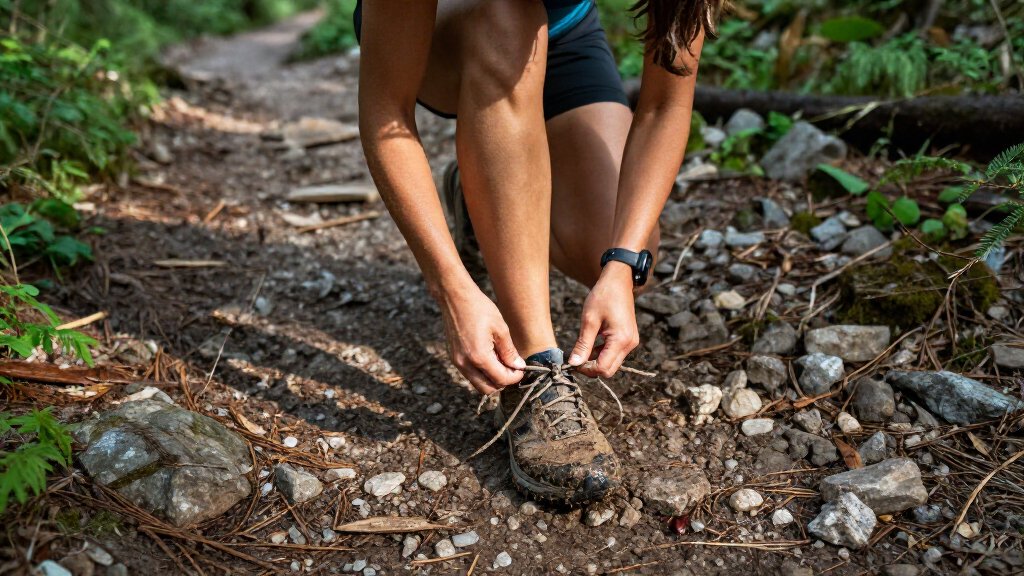
I ranked these shoes around their usefulness for regular trail workouts, not around broad claims that one design suits every runner. The main factors were the intended terrain, cushioning style, likely stability and protection needs, fit options signaled by the product design, and versatility across different workout types. I also separated trail-specific shoes from road-to-trail hybrids and minimalist or wide-toe-box designs, since those categories answer different needs.
The order favors balanced trail utility first, then more specialized strengths such as plush cushioning, entry-level value, road-to-trail versatility, or a particular fit preference. A shoe can rank lower without being a poor choice: it may simply make more sense for a narrower use case. Since the lineup includes men’s and women’s versions alongside distinct models, buyers should check the exact version, fit, and intended conditions rather than assume similarly named shoes are interchangeable.
Factors to Consider When Choosing Running Shoes For Trail Workouts
Before choosing from this list, match the shoe to the routes and sessions you actually run. A trail workout can mean a smooth gravel loop, a muddy singletrack interval session, or a long run over rocky ground, and those demands do not call for the same balance of grip, cushioning, and flexibility.
Match the outsole to your usual trail surface
Start with the surface you run most often, not the toughest route you might tackle once a year. Firm gravel and maintained park trails usually reward a shoe that feels comfortable and moves easily, while loose soil, wet roots, and uneven rock put more emphasis on dependable grip. A lugged outsole can help on soft ground, but deeper tread may feel less smooth on pavement or hard-packed paths. If your workouts include road sections, a very trail-specific sole can become tiring between trailheads. One common mistake is buying for aggressive traction when most runs are on compact paths. Choose for your regular terrain, then accept a modest compromise on occasional routes outside that range.
Choose cushioning for workout length and pace
Cushioning affects more than comfort: it changes how much ground feedback you feel and how quickly the shoe responds underfoot. Plush designs can be appealing for longer efforts or runners who prefer a softer ride, while a firmer or lower-feeling shoe may suit short repeats and runners who want more contact with the trail. Extra cushioning does not automatically mean better protection on every surface, and it can make a shoe feel less agile during sharp turns. Avoid choosing solely by stack height or softness claims; your pace, route, and preferred feel matter just as much. If your training includes both long runs and quick hill sessions, look for a compromise rather than expecting one ride to excel at both. New trail runners may benefit from comfort, but should still check whether the shoe feels stable on uneven ground.
Treat fit as a performance feature
Feet can swell during longer runs, and downhill sections push toes toward the front of the shoe. A fit that feels snug in a shop may become uncomfortable after sustained effort, so leave enough room at the toes while keeping the heel secure. Wide-toe-box and barefoot-style designs offer a different shape and sensation, but they are not interchangeable with conventional cushioned trainers. Switching abruptly to a zero-drop or minimalist shoe can place new demands on calves and feet, so gradual adaptation is wiser than wearing it for a hard workout immediately. Check the specific men’s or women’s version and the maker’s sizing guidance, since a model name alone does not establish fit. When possible, try shoes later in the day and with the socks you run in.
Balance protection, flexibility, and ground feel
Rough trails can bring sharp stones, roots, and uneven landings, so underfoot protection and a secure platform may matter more than a soft step-in feel. Yet extra structure can add bulk or reduce flexibility, which may feel unnecessary on smooth routes. Runners who value natural movement often prefer more ground feedback, while those covering rocky terrain may prioritize a more protective ride. Do not assume that a shoe labeled for hiking or trails offers the same running feel as a purpose-built running model. Think about the consequences of your most common mistake: a light, flexible shoe may leave you wishing for more protection on rocky routes, while an overly substantial shoe can feel cumbersome during quick sessions. Choose the level of structure that matches your terrain and comfort preferences.
Decide how much road-to-trail versatility you need
If your route starts on pavement and continues onto easy trails, a hybrid shoe can save you from changing footwear between surfaces. That convenience may come with less specialized grip or protection than a model built mainly for technical trails. Dedicated trail shoes make more sense when most workouts involve uneven ground, especially if conditions change underfoot. Consider your weekly routine: a runner who uses one pair for mixed routes has different priorities from someone who keeps separate road and trail shoes. A common buying error is expecting a versatile design to perform like a specialist everywhere. Pick the tradeoff you will encounter most often, such as smoother road transitions or stronger off-road security.
Pay for the feature that solves your actual problem
A higher-spec or more cushioned model is only worthwhile if its ride, protection, or construction addresses a real need in your training. If you run short sessions on maintained paths, a simpler shoe may be more practical than a premium-feeling option built for longer outings. If your routes are rough or your workouts demand repeated descents, a more trail-focused design may justify the added spend through features you will use often. Do not confuse a long feature list with a good match: fit and traction still matter more than a label. Also account for how frequently you run and whether you need one versatile pair or separate shoes for different surfaces. The best value is the model that fits your routine without leaving you short on the feature you rely on most.
Frequently Asked Questions
Can I use road-to-trail shoes for rocky or muddy workouts?
You can use a road-to-trail design on mild off-road routes, but it may not provide the grip or underfoot security you want on deep mud, loose slopes, or rocky descents. The Novablast 5 TR and Ghost Trail are the more versatile choices here, while a dedicated trail model is a safer direction for frequent technical terrain. Check the route conditions you face most often rather than choosing based on the word “trail” alone. If your workouts regularly include slippery ground, prioritize outsole traction and a secure fit. Keep a separate, more aggressive pair if you train across both smooth mixed routes and demanding singletrack.
Should I choose a cushioned shoe or a barefoot-style shoe for trail workouts?
That depends on how much cushioning and ground feedback you prefer, along with the terrain and your running history. The Caldera 8 and Hierro v9 are the more comfort-led directions in this lineup, while the MIFAWA barefoot model offers a very different, zero-drop feel. A minimalist shoe can feel less protective on rocky routes and may require a gradual adjustment period. Runners new to barefoot footwear should avoid making it their only shoe for a sudden jump in distance or intensity. If you are unsure, try the new feel on short, easy sessions before using it for demanding workouts.
Are the men’s and women’s versions of the Cascadia 19 the same shoe?
They share the Cascadia 19 name and trail-running focus, but buyers should not assume that the versions fit identically. The lineup lists a men’s Cascadia 19 and a women’s Cascadia 19 Mountain Trail Running Shoe, so check the exact product version, sizing system, and fit guidance before ordering. A familiar model name does not guarantee the same fit experience across versions. Focus on heel hold, toe room, and comfort with your running socks. If you are between sizes or have a particular width need, use the manufacturer’s sizing information rather than converting sizes by guesswork.
Is a wide-toe-box trail shoe a good choice if my feet feel cramped?
A wider toe area may help if your toes feel compressed, especially as your feet swell during longer workouts. The NORTIV 8 and MIFAWA are the lineup’s more noticeable options for shoppers seeking extra toe room, though the MIFAWA also changes the ride with its zero-drop, barefoot-style construction. Width alone does not guarantee a secure fit: the heel and midfoot still need to stay stable on uneven ground. If you have only mild crowding, trying a different size or fit shape may be less of a change than moving straight to a minimalist shoe. Prioritize comfort without allowing the foot to slide inside the shoe.
Can one pair work for both trail intervals and long runs?
One pair can cover both, but a shoe chosen for one workout may feel less suited to the other. Short intervals often reward a nimble, secure feel, while longer runs can make cushioning, fit, and toe room more noticeable. The Cascadia 19 is the strongest all-round direction in this comparison; the Caldera 8 and Hierro v9 lean more toward cushioned outings, and simpler models such as the Nitrel are better suited to moderate routes. Think about which workout makes up most of your weekly trail mileage. If your sessions differ sharply, keeping separate pairs can make more sense than asking one shoe to satisfy every preference.
Conclusion
Best overall: I’d choose the Brooks Cascadia 19 for a balanced, trail-first option. Best value: the New Balance Fresh Foam 410v9 is a sensible pick for moderate routes and straightforward training needs. Best premium cushioning: the Brooks Caldera 8 and New Balance Fresh Foam X Hierro v9 suit runners who favor a softer feel on longer efforts. Best for beginners: the Brooks Ghost Trail is a practical starting point for runners mixing road and easier trail sessions. For specific needs, I’d look to the MIFAWA for a zero-drop barefoot feel, the NORTIV 8 for a wide-toe-box preference, or the Novablast 5 TR for mixed-surface workouts. Match your choice to the trails you run most, then give extra attention to fit and the ride you prefer.