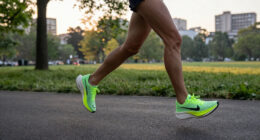
The best 3D-printed running shoes in this lineup are the adidas 4DFWD 2 for runners seeking a purpose-built running design, while the adidas 4D Run 1.0 is a strong alternative for shoppers focused on a recognizable 3D-printed midsole. The ARKKY AeroDash stands out for a lightweight lattice-sneaker approach, though its running suitability deserves a closer look than the adidas running models. These shoes differ in intended use: some are designed for running, while others are better treated as walking or casual footwear. Fit, cushioning feel, and whether the shoe is truly built for your running routine matter more than the novelty of a printed sole. Read on for my full comparison, buying guidance, and recommendations by runner type.

Get workout gear delivered free with Prime
- Fast, free delivery on millions of items
- Prime Video, Amazon Music and more included
- Member-only deals all year
Complete the kit


Key Takeaways
- The adidas 4DFWD 2 and 4D Run 1.0 are the clearest running-oriented choices in this group; the remaining models include walking or casual styles that should not be assumed to suit regular runs.
- 3D-printed lattice construction is not a performance guarantee. The shoe’s intended use, fit, and overall running design matter alongside the midsole material.
- The ARKKY AeroDash is the lineup’s lightweight lattice sneaker option, but buyers should check its running support and intended use before choosing it for training.
- JOY FUTURE and Openwork are better matched to walking or casual wear than to buyers seeking a dedicated running shoe.
- The 4D Fusio occupies a different lane from adidas’s named running models, making intended use and fit key checks rather than assuming every 4D shoe is built for the same activity.
| adidas 4D Run 1.0 Men’s Running Shoes, White |  | Best Overall for Road Running | Upper: adidas Primeknit textile | Midsole: 3D-printed lattice structure using Digital Light Synthesis | Midsole design: Lattice developed using 17 years of athletic data | VIEW LATEST PRICE | See Our Full Breakdown |
| ARKKY AeroDash 3D-Printed Lightweight Lattice Sneakers for Men |  | Best for Wet-Weather Versatility | Construction: One-piece 3D-printed lattice | Sole material: TPU | Outer material: Ethylene vinyl acetate (EVA) | VIEW LATEST PRICE | See Our Full Breakdown |
| Adidas Women’s 4DFWD 2 Running Shoes |  | Best for Adjustable Fit and Traction | Upper: Adidas PRIMEKNIT+ and engineered mesh | Overlay material: Leather | Outsole: Continental rubber | VIEW LATEST PRICE | See Our Full Breakdown |
| Openwork Slip-On Casual Shoes with 3D Printed Lattice Design |  | Best for Poolside and Casual Wear | Design: Hollow-out lattice construction | Sole material: Natural rubber | Outer material: Rubber | VIEW LATEST PRICE | See Our Full Breakdown |
| JOY FUTURE Unisex 3D-Printed Walking Shoes |  | Best Pull-On Walking Pick | Construction: Seamless 3D-printed design | Sole material: Thermoplastic polyurethane (TPU) | Outer material: Thermoplastic polyurethane (TPU) | VIEW LATEST PRICE | See Our Full Breakdown |
| Adidas Men’s 4D Fusio Shoes |  | Best for Everyday Wear | Upper material: Mesh | Outer material: Mesh | Fabric type: Synthetic-and-rubber | VIEW LATEST PRICE | See Our Full Breakdown |
| 3D printed running shoe | Sole material | Outer material | Closure | Fabric type |
|---|---|---|---|---|
| adidas 4D Run 1.0 Men’s Runnin | Synthetic rubber | Rubber | — | Synthetic and rubber |
| ARKKY AeroDash 3D-Printed Ligh | TPU | Ethylene vinyl acetate (EVA) | Elastic | — |
| Adidas Women’s 4DFWD 2 Running | Rubber | — | Lace-up | Synthetic and rubber |
| Openwork Slip-On Casual Shoes | Natural rubber | Rubber | — | — |
| JOY FUTURE Unisex 3D-Printed W | Thermoplastic polyurethane (TPU) | Thermoplastic polyurethane (TPU) | Pull-on | — |
| Adidas Men’s 4D Fusio Shoes | Synthetic rubber | Mesh | Lace | Synthetic-and-rubber |
More Details on Our Top Picks
adidas 4D Run 1.0 Men’s Running Shoes, White
The adidas 4D Run 1.0 is the clearest running-first choice here: its digitally printed lattice midsole is designed to cushion landings and return energy, while a contoured heel clip helps keep the foot in place. The Primeknit upper offers a flexible fit, though it may feel less supportive than a more structured upper. Compared with the ARKKY AeroDash, this shoe is better suited to road-running use than wet-weather walking or barefoot wear; the AeroDash’s open construction favors ventilation over protection. The 4D Run’s tradeoff is versatility: its running-focused build and textile upper may not appeal to buyers seeking a structured everyday shoe. I’d choose it for the most direct mix of 3D-printed cushioning and running-oriented support in this group.
Pros:- 3D-printed lattice midsole is designed to cushion and return energy
- Primeknit textile upper offers a flexible fit
- Contoured heel clip helps hold the foot in place
Cons:- Textile upper may provide less structure than a more supportive upper
- Running-focused design may be less suitable for casual or wet-condition use
Best for: Men seeking a running-oriented 3D-printed shoe with a cushioned lattice midsole and a heel feature designed to help secure the foot
Not ideal for: Buyers who need a highly structured upper or a versatile shoe for wet conditions and casual barefoot wear
- Upper:adidas Primeknit textile
- Midsole:3D-printed lattice structure using Digital Light Synthesis
- Midsole design:Lattice developed using 17 years of athletic data
- Sole material:Synthetic rubber
- Outer material:Rubber
- Fabric type:Synthetic and rubber
- Origin:Made in the USA or imported
Our verdict“Choose the adidas 4D Run 1.0 if your priority is a running-first shoe built around a 3D-printed cushioning midsole.”
ARKKY AeroDash 3D-Printed Lightweight Lattice Sneakers for Men
The ARKKY AeroDash takes 3D-printed lattice design in a more casual, adaptable direction than the adidas 4D Run 1.0. Its open ventilation cells are built to let air through and drain water quickly, while the seamless interior is intended to make barefoot wear more comfortable. A flexible TPU sole, rebound cushioning and textured outsole suit walking, travel and light workouts, but this is not the lineup’s strongest pick for protected road running. Open cells leave feet more exposed to debris, and the elastic closure offers less fit adjustment than the lace-up adidas Women’s 4DFWD 2. I’d favor the AeroDash for warm, wet or changeable settings where airflow and quick drainage matter more than a closed upper or precise lace tension.
Pros:- Open lattice construction supports airflow and quick water drainage
- Seamless interior is designed to reduce friction for barefoot wear
- Flexible, lightweight construction includes rebound cushioning
- Textured outsole is designed for traction on varied surfaces
Cons:- Open cells provide less protection from debris than a closed upper
- Elastic closure offers less adjustability than laces
Best for: Men who want a lightweight lattice shoe for travel, wet conditions, barefoot-friendly casual wear and light workouts
Not ideal for: Runners who need a closed upper for debris protection or a lace-up fit they can adjust precisely
- Construction:One-piece 3D-printed lattice
- Sole material:TPU
- Outer material:Ethylene vinyl acetate (EVA)
- Closure:Elastic
- Water resistance:Water resistant
- Design features:Open ventilation cells, seamless interior and flexible shape-retaining structure
- Outsole:Textured, non-slip
Our verdict“Pick the ARKKY AeroDash for airy, quick-draining casual use rather than a protective, road-running-focused fit.”
Adidas Women’s 4DFWD 2 Running Shoes
The Adidas Women’s 4DFWD 2 combines a 3D-printed running-shoe concept with a more adjustable upper than the pull-on options in this roundup. Its PRIMEKNIT+ and engineered mesh are paired with leather overlays, while the lace-up closure lets runners tune how securely the shoe sits. The Continental rubber outsole is a useful distinction from the adidas 4D Run 1.0: the 4DFWD 2 emphasizes outsole traction and a customizable fit, rather than a contoured heel clip as its stated fit feature. Leather overlays may limit airflow compared with an all-mesh design, and the product data does not detail its 3D-printed midsole construction. I’d pick it over the open-lattice Openwork Slip-On for running use when traction and lacing matter more than quick-drying convenience.
Pros:- PRIMEKNIT+ and engineered mesh combine flexibility with breathability
- Lace-up closure allows a more adjustable fit than pull-on options
- Continental rubber outsole is designed to provide traction on varied surfaces
Cons:- Leather overlays may reduce breathability compared with a full-mesh upper
- Product details do not specify the 3D-printed midsole construction
- Synthetic fabric may wear faster under heavy use
Best for: Women who want a lace-up running shoe with a breathable knit-and-mesh upper, regular fit and traction-focused rubber outsole
Not ideal for: Runners who prioritize an entirely mesh upper, quick-drying open construction or detailed information about the 3D-printed midsole
- Upper:Adidas PRIMEKNIT+ and engineered mesh
- Overlay material:Leather
- Outsole:Continental rubber
- Closure:Lace-up
- Fit:Regular
- Sole material:Rubber
- Fabric type:Synthetic and rubber
Our verdict“Choose the 4DFWD 2 if adjustable lacing and a traction-focused outsole matter more to you than an open, quick-drying design.”
Openwork Slip-On Casual Shoes with 3D Printed Lattice Design
The Openwork Slip-On is the most casual pick in this group, built around a hollow lattice upper, easy pull-on wear and quick drying for beach or poolside use. That makes it more convenient for short walks and warm-weather errands than the running-focused adidas 4D Run 1.0, whose design puts more emphasis on cushioning for running. The Openwork’s open construction also brings a clear compromise: it offers less support for high-impact activity and leaves the foot exposed to grit or debris. The product details name a natural rubber sole and textile inner material, but do not specify a running midsole or performance fit system. I’d keep this as a casual water-adjacent shoe, not a substitute for a dedicated running model such as the Adidas Women’s 4DFWD 2.
Pros:- Hollow lattice design promotes airflow
- Slip-on construction makes it quick to put on and remove
- Lightweight, flexible build is suited to casual wear
- Quick-drying design is practical for beach and poolside use
Cons:- Open weave offers less support for high-impact activity
- Exposed lattice provides less protection from grit and debris
- Product details do not specify a running-focused midsole or fit system
Best for: Buyers seeking an easy-on shoe for poolside wear, beach visits and casual short walks in warm conditions
Not ideal for: Runners who need structured support, a secure adjustable fit or more protection from dirt and debris
- Design:Hollow-out lattice construction
- Sole material:Natural rubber
- Outer material:Rubber
- Inner material:Textile
- Closure style:Slip-on
- Care and drying:Quick-drying and easy to clean
- Fur:No
Our verdict“Choose the Openwork Slip-On for casual beach and poolside use, not for regular running or high-impact workouts.”
JOY FUTURE Unisex 3D-Printed Walking Shoes
The JOY FUTURE Unisex 3D-Printed Walking Shoes focus on easy daily wear rather than the more explicitly running-led design of the adidas 4D Run 1.0. Their seamless TPU construction is intended to adapt to foot shape, with a soft fabric lining and shock-absorbing build aimed at comfortable walking. The pull-on design skips laces, which is convenient but gives buyers less control over fit than the Adidas Women’s 4DFWD 2. The main limitation is missing fit information: no sizing details are supplied, making it harder to judge how the unisex shape may suit different feet. These are a reasonable direction for casual walking, but the product data does not establish the running-specific support or outsole details I’d want before choosing them for regular runs.
Pros:- Seamless 3D-printed TPU design is intended to adapt to foot shape
- Soft, breathable fabric lining adds comfort next to the foot
- Shock-absorbing construction is designed for comfortable walking
- Pull-on closure avoids laces
Cons:- No sizing or fit details are provided
- Pull-on design offers less fit adjustment than the lace-up Adidas Women’s 4DFWD 2
- Product details do not specify running-focused support or outsole performance
Best for: Walkers seeking a unisex pull-on shoe with seamless TPU construction, a soft lining and shock-absorbing design
Not ideal for: Runners who need documented running support or shoppers who need clear sizing and fit guidance before buying
- Construction:Seamless 3D-printed design
- Sole material:Thermoplastic polyurethane (TPU)
- Outer material:Thermoplastic polyurethane (TPU)
- Inner material:Soft, breathable fabric
- Closure:Pull-on
- Design feature:Shock-absorbing construction
- Intended use:Walking
Our verdict“Pick the JOY FUTURE for casual walking and easy pull-on wear, but choose a better-documented running model for regular training.”
Adidas Men’s 4D Fusio Shoes
The Adidas Men’s 4D Fusio is a sensible pick for buyers who want a 3D-printed-shoe roundup option that can also work as an everyday sneaker. Its mesh upper and lace closure offer familiar, adjustable fit features, while the synthetic-rubber sole is built for durable traction. Compared with the adidas 4D Run 1.0, the Fusio is easier to frame as a versatile casual choice from the available product details; those details do not establish a specific running-performance advantage for either shoe. I would choose it for breathable, lace-up wear rather than for a technically supported training upgrade. The tradeoff is limited evidence about the 4D construction itself, cushioning, support, or waterproofing, so runners seeking performance guidance may prefer an option with clearer running specifications.
Pros:- Mesh upper offers a breathable alternative to a fully enclosed upper.
- Lace closure allows the fit to be adjusted.
- Synthetic-rubber sole is specified for durable traction.
- Versatile construction suits everyday wear as well as casual running.
Cons:- Product details do not explain the 4D lattice construction or how it affects the ride.
- Cushioning, stability, and running-performance specifications are not provided.
- Waterproofing is unspecified, limiting confidence for wet-weather use.
Best for: Runners seeking a lace-up sneaker for casual wear and occasional easy runs, with a mesh upper and durable rubber sole.
Not ideal for: Buyers choosing primarily for a proven 3D-printed midsole or detailed running-performance features, since the supplied product information does not specify its lattice construction, cushioning, or support.
- Upper material:Mesh
- Outer material:Mesh
- Fabric type:Synthetic-and-rubber
- Sole material:Synthetic rubber
- Closure:Lace
- Origin:Made in the USA or imported
Our verdict“Choose the 4D Fusio for adjustable, mesh-upper everyday wear, but pick a shoe with clearer performance details if running is your main priority.”
How We Picked
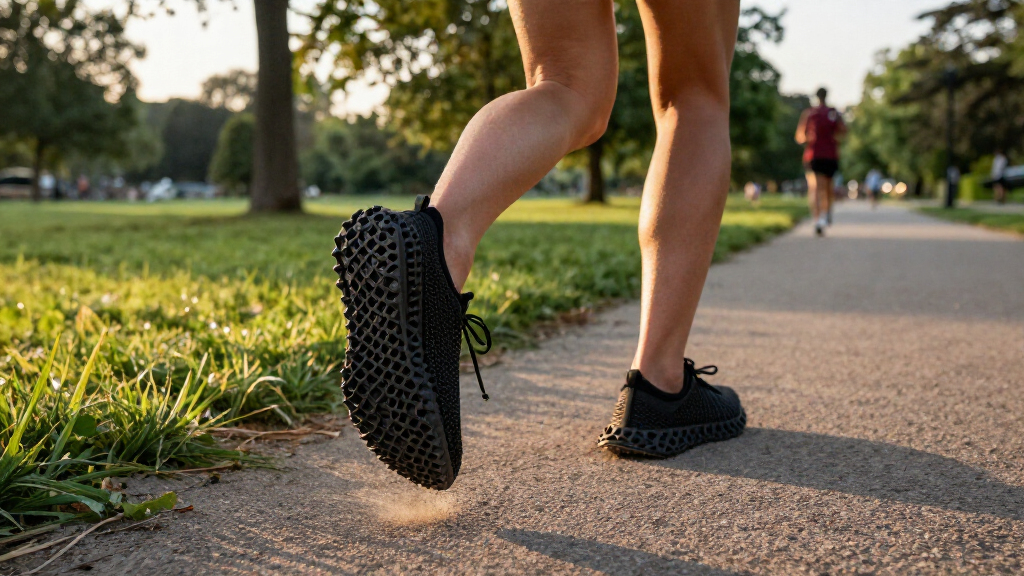
I compared these six options by how clearly their design and stated use align with running, then considered the buyer-facing differences that shape everyday wear: fit, cushioning and midsole construction, upper design, versatility, and how much uncertainty a shopper must resolve before using the shoe for training. A 3D-printed lattice is only one part of the shoe; it does not establish that a model offers the support or ride a runner needs.
That distinction drives the ranking logic. The adidas 4DFWD 2 and adidas 4D Run 1.0 lead because they are explicitly presented as running shoes and center the roundup on the requested use. ARKKY AeroDash follows as a lighter lattice sneaker with less clear running specialization. The 4D Fusio, JOY FUTURE walking shoe, and Openwork casual slip-on rank lower for running because their names or stated uses point to broader or non-running wear, even if their printed designs may appeal to the same shoppers.
| 3D printed running shoe | Sole material | Outer material | Fabric type | Closure |
|---|---|---|---|---|
| adidas 4D Run 1.0 Men’s Runnin | Synthetic rubber | Rubber | Synthetic and rubber | — |
| ARKKY AeroDash 3D-Printed Ligh | TPU | Ethylene vinyl acetate (EVA) | — | Elastic |
| Adidas Women’s 4DFWD 2 Running | Rubber | — | Synthetic and rubber | Lace-up |
| Openwork Slip-On Casual Shoes | Natural rubber | Rubber | — | — |
| JOY FUTURE Unisex 3D-Printed W | Thermoplastic polyurethane (TPU) | Thermoplastic polyurethane (TPU) | — | Pull-on |
| Adidas Men’s 4D Fusio Shoes | Synthetic rubber | Mesh | Synthetic-and-rubber | Lace |
Factors to Consider When Choosing Best 3D Printed Running Shoes
Before choosing a printed lattice shoe, decide whether you need a running shoe or simply like the look and feel of 3D-printed construction. These checks can prevent a casual or walking model from becoming an unsuitable training shoe.
Match the Shoe’s Intended Use to Your Training
Start with the activity named for the shoe, not the fact that it has a 3D-printed midsole. A model labeled for running is a more sensible starting point for regular road miles than a walking or casual shoe. Casual designs may lack the running-specific fit or support you expect, even if the sole looks technical. If you plan to run only occasionally, be honest about that use rather than paying attention to the print pattern alone. For frequent training, prioritize clear running intent and a secure fit. This roundup’s mix of running, walking, and casual styles makes that distinction especially important.
Judge the Lattice by Ride and Support, Not Appearance
Printed geometry can make a midsole look unlike conventional foam, but a striking structure does not automatically mean better cushioning or stability. Think about what your runs demand: a flexible feel, a stable platform, or a ride that feels comfortable over your usual distance. Product names rarely answer all of those questions, so look for specific fit and construction details before buying. Avoid choosing a shoe solely because the lattice appears more advanced. If you have a history of discomfort or need particular support, seek a suitable fit rather than expecting the printed structure to solve it. The adidas 4D models make the technology central, but their different designs still deserve individual evaluation.
Prioritize Fit Over a Novel Upper or Slip-On Design
A running shoe should feel secure through the heel and midfoot without pinching the toes. Lattice uppers and casual slip-on constructions may appeal for airflow or convenience, but those qualities do not replace a locked-in fit during repeated strides. Check the available sizing guidance and return terms, especially when buying a shoe with unfamiliar materials or construction. Do not assume that a unisex label means the shoe will fit every foot shape equally well. If the fit is loose or pressure points appear indoors, it is unlikely to improve during a run. Runners should favor reliable hold over an easy-on design.
Separate Running Value From Everyday Versatility
A shoe that works for errands and walks may offer useful versatility, but that does not make it a good value for running. Decide whether one pair needs to cover multiple settings or whether you want a dedicated training shoe. Walking and casual models in this roundup may suit buyers who value daily wear, while runners should compare them against the running-oriented adidas options on function first. A hybrid choice is sensible only when its fit and support meet the demands of every activity you plan to do. Otherwise, versatility can become a compromise in the one use that matters most. Keep your primary use at the center of the decision.
Check Practical Ownership Details Before Committing
Unusual midsole and upper structures can make buyers wonder how a shoe will handle dirt, moisture, and routine cleaning. Review the care instructions rather than assuming open lattice designs are easy to rinse or quick to dry. Also check the shoe’s weight, upper materials, and return policy where those details are available. A design that looks breathable may still feel different from a conventional mesh running shoe. If you run in wet or muddy conditions, think about how exposed structures may affect cleanup and wear. These practical checks help separate an appealing concept from a suitable daily shoe.
Frequently Asked Questions
Are all six shoes suitable for regular running?
No. The adidas 4DFWD 2 and 4D Run 1.0 are the most clearly identified as running shoes in this lineup. JOY FUTURE is described as a walking shoe, while Openwork is a casual slip-on, so those should not be treated as training shoes based on their printed design alone. ARKKY AeroDash and adidas 4D Fusio call for a closer check of their intended use and fit before regular running. If you run often, choose a model with a clear running purpose and a secure, comfortable fit.
Does a 3D-printed midsole make a shoe better for running?
Not by itself. Printed construction describes how part of the shoe is made, but it does not tell you whether the ride, fit, or support suits your stride and training. Two shoes with lattice structures can feel and function differently because their overall designs are not identical. Compare the shoe’s intended activity and fit details rather than treating the technology as a performance claim. If possible, try the shoe indoors and check the return policy before committing to it for runs.
Which option should I choose if I want one pair for running and everyday wear?
Begin with a running-oriented model, then decide whether its appearance and comfort also work for daily use. The adidas 4DFWD 2 and 4D Run 1.0 are stronger starting points for someone who runs, while the walking and casual styles put everyday wear closer to the center. A versatile shoe is useful only if it remains comfortable and secure during your runs. Check whether the upper and sole feel suitable for the surfaces you use most. If your daily wear needs outweigh running, a walking or casual option may make more sense, but it should not be a substitute for a dedicated trainer.
How should I choose between the adidas 4DFWD 2 and adidas 4D Run 1.0?
Both are the clearest running-focused choices here, so use fit and the specific design details as your tie-breakers rather than assuming the shared 4D label means they are interchangeable. Compare the upper, midsole feel, sizing guidance, and how each model matches your usual running distances. The 4DFWD 2 is the lead pick in this roundup for buyers seeking a purpose-built running design, while the 4D Run 1.0 is a compelling alternative centered on a recognizable printed midsole. If you can try both, choose the one that holds your foot comfortably without pressure. A comfortable, secure fit should outweigh small differences in appearance.
Should I buy a walking or casual lattice shoe for short runs?
Only if the manufacturer’s information supports running use and the shoe fits securely for that activity. A short distance does not remove the need for a stable, comfortable fit, and a walking label does not confirm running suitability. JOY FUTURE and Openwork are more clearly positioned for walking or casual wear in this lineup, so they are not the first choices for training. If you want occasional short jogs, check the product details and try the shoe in a controlled setting before relying on it. For routine runs, choose one of the explicitly running-oriented models instead.
Conclusion
For most runners choosing from this group, I recommend the adidas 4DFWD 2 as best overall because it is clearly positioned as a running shoe. The adidas 4D Run 1.0 is my best value-style pick for shoppers drawn to a 3D-printed midsole who want another running-oriented option, though I would compare fit and construction before deciding. For a premium-leaning choice, consider the adidas 4D Fusio only if its specific use and fit match your needs; the product name alone does not make it a running shoe. Beginners should start with the 4DFWD 2 or 4D Run 1.0 and prioritize comfort over lattice appearance. Choose ARKKY AeroDash for a lightweight lattice-sneaker preference, or JOY FUTURE and Openwork for walking and casual use rather than regular running. If your main goal is training, keep the choice among the two explicitly running-oriented adidas models.