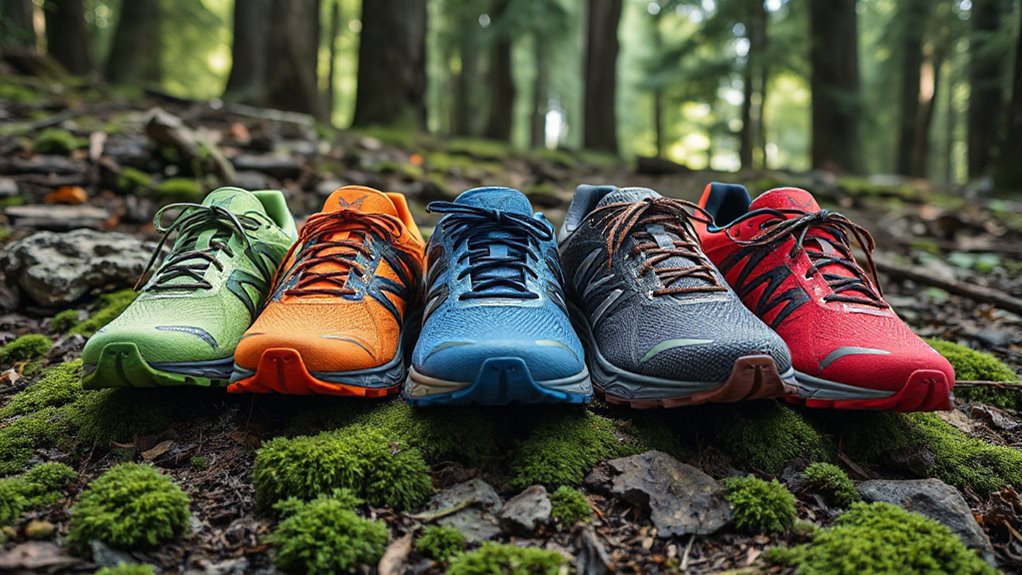

Carbon-plated trail running shoes pair a stiff plate with trail-ready grip and cushioning, but the best choice depends on terrain and how much stability you need. I rank the Brooks Catamount 4 as the best overall balance for fast trail running, while the Speedland RX:LDVL stands out for adjustable fit and the Saucony Endorphin Edge for a more race-focused ride. A plated shoe can feel propulsive on runnable paths yet less forgiving on uneven ground, and extra stiffness may not suit every runner. I compare each model’s intended role, traction, fit, and tradeoffs so you can match the shoe to your routes. Read on for the full breakdown and buying guidance.

Get workout gear delivered free with Prime
- Fast, free delivery on millions of items
- Prime Video, Amazon Music and more included
- Member-only deals all year
Complete the kit


Key Takeaways
- The Catamount 4 is the roundup’s balanced pick: it targets quick trail running without making the decision hinge on a specialized fit system or a highly narrow use case.
- Plates do not automatically make a shoe a better technical-trail choice: underfoot protection, grip, and stable footing matter as much as propulsion when trails are rocky or uneven.
- The Speedland RX:LDVL models stand apart for fit adjustment: their BOA system is a distinct advantage for runners who want to fine-tune lockdown, though that complexity may be unnecessary for simpler needs.
- The lineup includes both plated and non-plated options: models such as the Cascadia 19 and Lone Peak 9 are useful reference points for buyers who may value trail control or a less rigid ride over plate-driven speed.
- Women’s-specific choices are limited in this group: the New Balance FuelCell Supercomp Trail V1 and Saucony Endorphin Edge give women two distinct performance options, so fit should carry extra weight in the decision.
| Brooks Men’s Catamount 4 Trail Running Shoe | 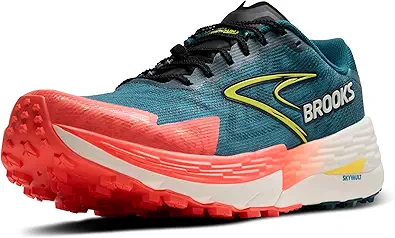 | Best for Fast Climbs | Trail plate: SkyVault Trail Plate | Midsole: DNA FLASH v2 | Outsole: TrailTack Green rubber | VIEW ON AMAZON | See Our Full Breakdown |
| Brooks Men’s Cascadia 19 Mountain Trail Running Shoe |  | Best for Rugged-Trail Protection | Cushioning: DNA LOFT v3 | Outsole: TrailTack Green rubber | Trail system: Trail Adapt System | VIEW ON AMAZON | See Our Full Breakdown |
| Speedland RX:LDVL Carbon Plate Trail Running Shoes – BOA Fit |  | Best Modular Carbon-Plate Option | Plate: Removable carbon plate | Midsole: Drop-in ATPU superfoam | Fit system: Dual-zone BOA Li2 | VIEW ON AMAZON | See Our Full Breakdown |
| ASICS Men’s Trabuco MAX 5 Trail Running Shoes |  | Best for Cushioned Long Runs | Midsole: FF BLAST PLUS | Sole design: GUIDESOLE curved sole | Outsole: ASICSGRIP rubber | VIEW ON AMAZON | See Our Full Breakdown |
| Brooks Cascadia Elite Trail Racing Shoe with Carbon-Infused Pebax Plate |  | Best for Technical Trail Racing | Plate: Carbon-infused Pebax SpeedVault+ | Cushioning: DNA GOLD 100% PEBA | Outsole: VIBRAM Megagrip Elite | VIEW ON AMAZON | See Our Full Breakdown |
| New Balance Women’s FuelCell Supercomp Trail V1 Running Shoes |  | Best Women’s Pick for Grip and Propulsion | Upper: Mesh | Lining: Cotton | Insole: EVA | VIEW ON AMAZON | See Our Full Breakdown |
| Fuga EX PRO Men’s Trail Running Shoes |  | Best for Lightweight Ultra-Distance Racing | Sole: Vibram Megagrip and Vibram Litebase Rubber | Outer material: XDiMESH multidimensional mesh / TPU film | Inner material: XDiMESH multidimensional mesh | VIEW ON AMAZON | See Our Full Breakdown |
| Saucony Women’s Endorphin Edge Trail Running Shoe |  | Best for Experienced Speed-Focused Runners | Fabric type: 100% synthetic/textile | Outer material: Mesh | Sole material: Rubber | VIEW ON AMAZON | See Our Full Breakdown |
| Altra Men’s Lone Peak 9 Trail Running Shoe |  | Best Natural-Fit Alternative to Plated Shoes | Sole material: Rubber | Outer material: Ripstop mesh | Inner material: eVent | VIEW ON AMAZON | See Our Full Breakdown |
| Fuga EX PRO Men’s Carbon-Plate Trail Running Shoes |  | Best for Responsive Ultra-Race Cushioning | Sole: Vibram Megagrip and Vibram Litebase Rubber | Upper: XDiMESH multidimensional mesh / TPU film | Closure: Lace-up with AWS 3.0 dual-zone system | VIEW ON AMAZON | See Our Full Breakdown |
| Speedland RX:LDVL Trail Running Shoes – Carbon Plate, BOA Fit |  | Best for Adjustable Training-to-Race Versatility | Plate: Removable rigid carbon plate | Closure: Reverse Velcro back strap | Fit system: BOA Li2 Fit System | VIEW ON AMAZON | See Our Full Breakdown |
| carbon plated trail running shoe | Upper | Outsole | Closure |
|---|---|---|---|
| Brooks Men’s Catamount 4 Trail | Single-layer mesh made with TPEE fibers | TrailTack Green rubber | — |
| Brooks Men’s Cascadia 19 Mount | Breathable air mesh with 3D print overlays | TrailTack Green rubber | — |
| Speedland RX:LDVL Carbon Plate | High-tenacity fiber spacer mesh | — | Reverse Velcro back strap |
| ASICS Men’s Trabuco MAX 5 Trai | Engineered mesh | ASICSGRIP rubber | — |
| Brooks Cascadia Elite Trail Ra | Matryx woven with Kevlar fibers | VIBRAM Megagrip Elite | Lace-up |
| New Balance Women’s FuelCell S | Mesh | Vibram Megagrip | Lace-up |
| Fuga EX PRO Men’s Trail Runnin | — | — | Lace-up |
| Saucony Women’s Endorphin Edge | — | PWRTRAC | — |
| Altra Men’s Lone Peak 9 Trail | — | — | — |
| Fuga EX PRO Men’s Carbon-Plate | XDiMESH multidimensional mesh / TPU film | — | Lace-up with AWS 3.0 dual-zone system |
| Speedland RX:LDVL Trail Runnin | — | — | Reverse Velcro back strap |
More Details on Our Top Picks
Brooks Men’s Catamount 4 Trail Running Shoe
The Catamount 4 is the clearest pick here for runners who want a plated shoe aimed at moving quickly uphill. Its SkyVault Trail Plate works with the responsive DNA FLASH v2 midsole to support efficient push-offs, while TrailTack Green rubber is intended to keep traction dependable on wet and dry ground. Compared with the more protective Brooks Cascadia 19, this model puts the emphasis on speed rather than a reinforced toe and rock shield. That focus suits fast training and racing, but the plate may feel stiff at first, and buyers wanting a cushioned, protective all-rounder may prefer the Cascadia. The product data identifies a propulsion plate, not specifically a carbon plate, so I would not choose it if confirmed carbon construction is a requirement.
Pros:- SkyVault Trail Plate is designed to support efficient uphill running.
- DNA FLASH v2 midsole provides a responsive ride.
- TrailTack Green rubber is specified for wet and dry traction.
- Breathable TPEE-fiber mesh upper and carbon-neutral certification.
Cons:- The plate may feel stiff during initial wear.
- The provided specifications do not identify the plate as carbon.
- Less explicitly protective than the Cascadia 19, which lists a rock shield and reinforced toe.
Best for: Trail runners prioritizing responsive uphill efforts and a propulsion-plate feel on varied terrain.
Not ideal for: Runners who require a confirmed carbon-fiber plate, prefer a flexible ride, or want the extra protective features listed for the Cascadia 19.
- Trail plate:SkyVault Trail Plate
- Midsole:DNA FLASH v2
- Outsole:TrailTack Green rubber
- Upper:Single-layer mesh made with TPEE fibers
- Sole material:Rubber
- Outer material:Nylon
- Certification:Carbon Neutral Certified
Our verdict“Choose the Catamount 4 for plate-assisted climbing and responsive trail speed, but not if you need a verified carbon plate or maximum underfoot protection.”
Brooks Men’s Cascadia 19 Mountain Trail Running Shoe
The Cascadia 19 favors security and protection over the race-focused propulsion of the Brooks Cascadia Elite. Its Trail Adapt System, Ballistic Rock Shield, and reinforced toe are useful when rough ground and repeated impacts matter more than a pronounced plated sensation. DNA LOFT v3 cushioning adds a softer platform, and TrailTack Green rubber is listed for wet and dry traction. The tradeoff is weight: the supplied description says it may feel heavier than lightweight trail shoes, making it a less natural choice for runners chasing a fast, light race setup. It also has no plate listed in the product data, so it belongs in this roundup as a rugged alternative—not as a confirmed carbon-plated shoe.
Pros:- Ballistic Rock Shield and reinforced toe add protection on rough trails.
- Trail Adapt System is designed to support stability across uneven ground.
- DNA LOFT v3 cushioning offers a softer feel.
- TrailTack Green rubber is specified for wet and dry traction.
Cons:- May feel heavier than lightweight trail-running options.
- No plate is listed in the supplied specifications.
- Protective construction is less tailored to fast racing than the Cascadia Elite.
Best for: Runners covering rocky or variable trails who value cushioning, foot protection, and stability more than plate-driven race speed.
Not ideal for: Competitive runners seeking a verified carbon plate or a lightweight shoe focused on fast uphill efforts.
- Cushioning:DNA LOFT v3
- Outsole:TrailTack Green rubber
- Trail system:Trail Adapt System
- Rock protection:Ballistic Rock Shield
- Upper:Breathable air mesh with 3D print overlays
- Toe protection:Reinforced toe cap
- Inner material:Nylon
Our verdict“Pick the Cascadia 19 for protective, cushioned trail miles, but skip it if a carbon plate and race-weight feel are your priorities.”
Speedland RX:LDVL Carbon Plate Trail Running Shoes – BOA Fit
The RX:LDVL is the most adaptable carbon-plate choice in this group: its removable carbon plate lets runners choose a more race-oriented setup or remove the plate for training, while the dual-zone BOA Li2 fit system allows separate fit adjustments. That modular approach sets it apart from the fixed carbon-infused plate in the Brooks Cascadia Elite. A drop-in ATPU superfoam midsole and 3.5 mm lugs are specified for cushioning and grip on technical terrain, though the data does not state the drop height. The extra adjustability also adds setup complexity, and runners wanting a straightforward conventional lace closure may find this less appealing. It makes the most sense for experienced trail runners who will actually use its configurable design.
Pros:- Removable carbon plate allows training and race configurations.
- Dual-zone BOA Li2 system supports separate fit adjustments.
- Drop-in ATPU superfoam is specified for shock absorption and cushioning.
- 3.5 mm lugs are designed for grip on rugged terrain.
Cons:- The modular fit and plate setup may take adjustment.
- Drop height is not specified in the product data.
- More involved than the fixed-plate Cascadia Elite for runners who want a simple race shoe.
Best for: Experienced trail racers and ultra-distance runners who want a removable carbon plate and fine-tunable, dual-zone fit.
Not ideal for: Runners who prefer a simple lace-up shoe, do not need a plate they can remove, or want a clearly specified drop height.
- Plate:Removable carbon plate
- Midsole:Drop-in ATPU superfoam
- Fit system:Dual-zone BOA Li2
- Lug depth:3.5 mm
- Upper:High-tenacity fiber spacer mesh
- Closure:Reverse Velcro back strap
- Drop:Not specified
Our verdict“Choose the RX:LDVL if you want a configurable carbon-plated shoe with BOA fit, and skip it if you prefer a simple, fixed setup.”
ASICS Men’s Trabuco MAX 5 Trail Running Shoes
The Trabuco MAX 5 is the comfort-led outlier in this set, with FF BLAST PLUS cushioning and a curved GUIDESOLE design intended to reduce ankle flexion. That makes it a different proposition from the plate-focused Speedland RX:LDVL, which offers a removable carbon plate and adjustable BOA fit. ASICSGRIP rubber and a water-repellent treated mesh upper suit changing trail conditions, while the cushioned sockliner adds comfort for longer outings. The key limitation for this roundup is that no plate is listed in the supplied specs, so I would treat it as a cushioned trail alternative rather than a carbon-plated shoe. The description also flags possible durability limits on very rugged trails and a potentially narrow fit for wider feet.
Pros:- FF BLAST PLUS midsole provides lightweight cushioning.
- GUIDESOLE curved design is intended to reduce ankle flexion.
- Water-repellent treatment helps the upper handle wet conditions.
- ASICSGRIP rubber is specified for grip across varied terrain.
Cons:- No plate is listed in the supplied product specifications.
- May be less durable on very rugged trails.
- Potentially narrow fit may not suit runners with wider feet.
Best for: Runners seeking cushioned trail miles, a water-repellent upper, and a rolling feel rather than a plated race setup.
Not ideal for: Buyers who require a confirmed carbon plate, run especially rugged routes, or need a roomier fit for wide feet.
- Midsole:FF BLAST PLUS
- Sole design:GUIDESOLE curved sole
- Outsole:ASICSGRIP rubber
- Water resistance:Water-repellent upper treatment
- Upper:Engineered mesh
- Sockliner:EVA
- Inner material:Polyester
Our verdict“Choose the Trabuco MAX 5 for cushioned, weather-conscious trail running, but not if carbon-plate propulsion is the reason you are shopping.”
Brooks Cascadia Elite Trail Racing Shoe with Carbon-Infused Pebax Plate
The Cascadia Elite is the most clearly race-specific option here, pairing a carbon-infused Pebax SpeedVault+ plate with DNA GOLD PEBA cushioning and a VIBRAM Megagrip Elite outsole. Compared with the removable-plate Speedland RX:LDVL, its listed plate is part of a fixed race setup, which makes the design simpler but less configurable. The Matryx upper woven with Kevlar fibers and PU-coated yarns is built around a secure fit and some water resistance, while the outsole targets grip on technical terrain. Those performance choices may feel excessive for casual trail runs, and the product description notes a potentially high price point. I would also distinguish this model from the unplated Cascadia 19: the Elite is aimed at speed, not the same protective all-round role.
Pros:- Carbon-infused Pebax SpeedVault+ plate is specified for speed and stability.
- DNA GOLD 100% PEBA cushioning is built for a race-oriented ride.
- VIBRAM Megagrip Elite outsole targets traction on varied terrain.
- Matryx upper with Kevlar fibers is designed for a secure, durable fit.
Cons:- Race-focused construction may be less comfortable for casual use.
- Fixed plate is less adaptable than the removable plate in the Speedland RX:LDVL.
- The product description identifies a potentially high price point.
Best for: Competitive trail runners seeking a fixed carbon-infused plate, PEBA cushioning, and grip for fast efforts on technical terrain.
Not ideal for: Casual runners, buyers seeking a more protective everyday trail shoe, or anyone wanting a removable plate for training flexibility.
- Plate:Carbon-infused Pebax SpeedVault+
- Cushioning:DNA GOLD 100% PEBA
- Outsole:VIBRAM Megagrip Elite
- Upper:Matryx woven with Kevlar fibers
- Water resistance:PU-coated yarns
- Closure:Lace-up
- Sole material:Rubber
Our verdict“Choose the Cascadia Elite for a fixed-plate, technical trail racing setup, and skip it if you want a versatile daily trail shoe.”
New Balance Women’s FuelCell Supercomp Trail V1 Running Shoes
The FuelCell Supercomp Trail V1 pairs an Energy Arc carbon-fiber plate with a Vibram Megagrip outsole, a useful combination for runners who want propulsion without giving up traction on wet or dry trails. Its breathable mesh upper and lightweight build suit longer efforts, while lace-up fastening lets runners tune the fit for changing terrain. Compared with the Saucony Endorphin Edge, this New Balance option specifies Megagrip rather than PWRTRAC, giving traction a clearer emphasis in its design. The tradeoff is that its product information cautions against very rugged terrain, so the plated ride may be better matched to runnable trails than repeated abuse on rough ground. Fit may also be a mismatch for some foot shapes, and the advanced construction makes it a specialized choice rather than an all-purpose trail shoe.
Pros:- Energy Arc carbon-fiber plate is designed to return energy and support forward propulsion.
- Vibram Megagrip outsole is specified for traction on wet and dry terrain.
- Lightweight mesh upper supports airflow on longer runs.
- Lace-up closure allows a customized fit for technical trail conditions.
Cons:- May be less durable on very rugged terrain.
- The fit may not accommodate every foot shape.
- A specialized carbon-plated build may be unnecessary for runners seeking a general-purpose trail shoe.
Best for: Women seeking a lightweight plated shoe for long, fast efforts on runnable trails where dependable wet- and dry-surface grip matters.
Not ideal for: Runners tackling very rugged routes regularly or those whose foot shape does not suit the shoe’s fit; the stated durability caveat makes it a less reassuring pick for sustained rough-terrain use.
- Upper:Mesh
- Lining:Cotton
- Insole:EVA
- Outsole:Vibram Megagrip
- Midsole technology:Energy Arc with carbon-fiber plate
- Closure:Lace-up
- Weight:Lightweight; exact weight not specified
Our verdict“Choose the Supercomp Trail V1 if you want a women’s carbon-plated option that puts Megagrip traction alongside lightweight speed, but look elsewhere for frequent rugged-terrain use.”
Fuga EX PRO Men’s Trail Running Shoes
At about 275 g, the Fuga EX PRO is aimed squarely at ultra-distance racers who want a light shoe with a carbon plate and secure trail-ready grip. Its Vibram Megagrip and Litebase rubber combine traction with a lighter outsole construction, while the XDiMESH upper and TPU film provide a layered build with airflow. Compared with the New Balance FuelCell Supercomp Trail V1, the Fuga gives a specific weight and highlights race-focused construction, making it easier to assess for long-distance speed priorities. The tradeoff is focus: its description positions it for trail racing, not casual wear, and it may not stand up as well to very rugged terrain. Runners wanting a more comfort-oriented or broadly usable trail shoe should compare it with the Altra Lone Peak 9, though that model does not list a carbon plate.
Pros:- Approximate 275 g weight supports a lightweight feel over long distances.
- Carbon-fiber plate is designed to aid propulsion and stability.
- Vibram Megagrip outsole targets traction on challenging terrain.
- XDiMESH upper with TPU film combines airflow with a layered construction.
Cons:- May be less durable on very rugged terrain.
- Race-focused design is less suited to casual everyday wear.
- The product details do not specify plate geometry or cushioning material.
Best for: Men training or racing ultra-distance trail events who prioritize low weight, plate-assisted propulsion, and secure footing on technical courses.
Not ideal for: Casual trail users or runners who need a shoe built for repeated use on very rugged terrain; this model’s stated purpose is racing, with a durability caveat.
- Sole:Vibram Megagrip and Vibram Litebase Rubber
- Outer material:XDiMESH multidimensional mesh / TPU film
- Inner material:XDiMESH multidimensional mesh
- Closure:Lace-up
- Weight:About 275 g
- Plate:Carbon fiber
- Intended use:Ultra-distance trail racing
Our verdict“Pick the Fuga EX PRO for lightweight, plate-assisted ultra-distance racing, not as a do-everything trail shoe.”
Saucony Women’s Endorphin Edge Trail Running Shoe
The Endorphin Edge is the most explicitly speed-oriented option here: its Carbitex AFX3-quarter carbon-fiber plate is paired with a 6 mm distance-friendly last and moisture-wicking mesh. That setup favors efficient turnover on trails where a runner can maintain pace, rather than prioritizing plush protection for slow, rough outings. Its PWRTRAC rubber outsole supplies grip, though the product information does not specify the same Vibram Megagrip compound named for the Fuga EX PRO and New Balance Supercomp Trail V1. The plate is therefore a more appealing fit for experienced runners comfortable with a race-minded ride than for those seeking maximum cushioning. The stated drawback of limited cushioning on long runs matters most for buyers who value comfort over pace; the Altra Lone Peak 9 offers a more comfort-oriented contrast, but does not list a plate.
Pros:- Carbitex AFX3-quarter carbon-fiber plate is designed to support speed and efficiency.
- Moisture-wicking mesh helps manage dampness during sustained efforts.
- PWRTRAC rubber outsole provides trail grip.
- 6 mm distance-friendly last is specified for the shoe’s fit geometry.
Cons:- Designed primarily for experienced trail runners.
- May provide limited cushioning for long-distance comfort.
- The product details do not specify an outsole compound as clearly as the Vibram Megagrip options.
Best for: Experienced women trail runners seeking a lightweight, moisture-managing plated shoe for faster efforts and efficient distance running.
Not ideal for: Runners who want generous cushioning for long, slow outings or who are new to race-oriented plated trail shoes.
- Fabric type:100% synthetic/textile
- Outer material:Mesh
- Sole material:Rubber
- Plate:Carbitex AFX3-quarter carbon-fiber plate
- Moisture management:Active moisture-wicking mesh
- Last:6 mm distance-friendly
- Outsole:PWRTRAC
- Origin:Made in the USA or imported
Our verdict“Choose the Endorphin Edge if you are an experienced runner after a lightweight, efficiency-first plated ride and can accept less cushioning.”
Altra Men’s Lone Peak 9 Trail Running Shoe
The Lone Peak 9 is the lineup’s deliberate contrast to carbon-plated racers: its supplied details emphasize balanced cushioning, a FootShape toe box, and an eVent bootie, but do not list a carbon plate. That makes it a more relevant choice for runners who value toe splay and weather resistance over plate-driven propulsion. Against the Saucony Endorphin Edge, it gives up the stated carbon-fiber plate and race-focused speed features in favor of a more natural-feeling fit and a weather-resistant inner construction. The eVent bootie can help keep feet dry, though that protection may feel less breathable in hot conditions. Buyers specifically shopping for carbon-plated trail shoes should treat this as a fit-and-weather alternative, not a plated competitor; its strongest case is comfort and wet-weather utility.
Pros:- FootShape toe box supports natural toe movement and splay.
- Balanced cushioning favors comfort over a firm, race-focused ride.
- Weather-resistant eVent bootie helps keep feet dry in wet conditions.
- Ripstop mesh outer material is specified for the upper.
Cons:- The supplied product details do not list a carbon plate, so it does not meet the core plated-shoe brief.
- The eVent construction may feel less breathable in very hot conditions.
- Its trail-running focus makes it less suited to casual wear.
Best for: Men who prioritize a roomy FootShape toe box, balanced cushioning, and weather resistance for varied trail conditions over carbon-plate propulsion.
Not ideal for: Runners specifically seeking a carbon-plated shoe for racing or those who run in very hot conditions and need maximum breathability.
- Sole material:Rubber
- Outer material:Ripstop mesh
- Inner material:eVent
- Weather feature:Weather-resistant eVent bootie
- Fit feature:FootShape toe box
- Cushioning:Balanced cushioning
- Origin:Imported
Our verdict“Choose the Lone Peak 9 for toe room and wet-weather comfort, but skip it if a carbon plate is a requirement.”
Fuga EX PRO Men’s Carbon-Plate Trail Running Shoes
This Fuga EX PRO listing spells out the performance package more fully than the similarly named Fuga EX PRO: an X-shaped carbon plate, full-length TPU supercritical foam, and Vibram Megagrip with Litebase rubber. The combination is aimed at ultra-distance racers seeking rebound and traction on wet, technical ground, while AWS 3.0 dual-zone lacing lets them adjust different areas of the fit. At about 275 g, it shares the stated weight of the other Fuga EX PRO, but this version adds clearer cushioning and plate details. Compared with the Saucony Endorphin Edge, it offers a specified full-length foam midsole and a named Vibram outsole, rather than a quarter plate and PWRTRAC rubber. Its specialist racing focus and premium materials make it less compelling for casual running or buyers who do not need a highly technical setup.
Pros:- X-shaped carbon-fiber plate is designed for propulsion and energy return.
- Full-length TPU supercritical foam provides responsive cushioning for long efforts.
- Vibram Megagrip outsole targets grip on wet and technical terrain.
- AWS 3.0 dual-zone lacing allows separate fit adjustments.
Cons:- Specialized racing focus may limit comfort for casual running.
- Premium materials may make it a costly choice relative to simpler trail shoes.
- At about 275 g, it is not weight-free despite its lightweight positioning.
Best for: Men racing long, technical trail events who want a lightweight shoe with an X-shaped carbon plate, full-length responsive foam, and adjustable dual-zone lacing.
Not ideal for: Casual trail runners or buyers seeking a versatile everyday shoe; its racing-oriented build and specialized features may be more than they need.
- Sole:Vibram Megagrip and Vibram Litebase Rubber
- Upper:XDiMESH multidimensional mesh / TPU film
- Closure:Lace-up with AWS 3.0 dual-zone system
- Weight:Approximately 275 g
- Plate type:X-shaped carbon fiber
- Cushioning:Full-length TPU supercritical foam
- Energy return:Claimed 70–72%
- Intended use:Ultra-distance trail racing
Our verdict“Choose this Fuga EX PRO over the other listed version if you want explicit X-shaped plate and full-length foam details for technical ultra racing.”
Speedland RX:LDVL Trail Running Shoes – Carbon Plate, BOA Fit
The RX:LDVL makes the strongest case for runners who want one carbon-plated shoe for both training and racing. Its removable rigid plate lets you change the ride, while the BOA Li2 Fit System and heel lockdown give you fine-tuned security on rough ground. Compared with the Brooks Cascadia Elite, this Speedland emphasizes adjustability and a training-ready role rather than a race-focused setup alone.
The 3.5mm lugs and rubber outsole suit varied rugged trails, though they may offer less bite than a shoe built around deeper lugs for especially muddy routes. The tradeoff is complexity: adjusting the BOA and deciding when to use the plate takes more involvement than a conventional lace-up. Its advanced construction may also be more shoe than runners seeking a simple daily trail option need.
Pros:- Removable rigid carbon plate allows the ride to be adapted for different runs
- BOA Li2 Fit System and heel lockdown support a secure, adjustable fit
- 3.5mm rubber lugs provide grip for varied rugged terrain
- High-tenacity fiber spacer mesh is specified for breathability
Cons:- BOA adjustment and removable-plate setup add complexity compared with conventional trail shoes
- 3.5mm lug depth may be less suited to very muddy or exceptionally loose trails
- Advanced features may be unnecessary for runners seeking a simple everyday trainer
Best for: Trail runners who want a secure, adjustable fit and the option to use one shoe for regular training and plated race efforts.
Not ideal for: Runners who prefer straightforward laces, want a dedicated deep-lug shoe for muddy terrain, or do not need a removable plate.
- Plate:Removable rigid carbon plate
- Closure:Reverse Velcro back strap
- Fit system:BOA Li2 Fit System
- Lug depth:3.5 mm
- Sole material:Rubber
- Outer material:Rubber
- Inner material:Mesh
- Breathability:High-tenacity fiber spacer mesh
Our verdict“Choose the RX:LDVL if you want a secure, adjustable carbon-plated trail shoe that can serve both training and racing, and skip it if simplicity or deep-mud traction is your priority.”
How We Picked
I ranked these shoes by how well their stated design and features serve the specific demands of plated trail running: forward drive on runnable terrain, dependable footing, underfoot protection, fit security, and usefulness beyond a single race-day scenario. I also looked at how each shoe’s construction changes the tradeoff between speed and control. A carbon or carbon-infused plate may add structure and a firmer, more propulsive feel, but it cannot replace suitable traction or a stable platform.
The ranking favors options that offer a clear role and a credible balance for that role, rather than treating the most specialized build as automatically best. The Catamount 4 leads for its broad appeal among fast-trail options; shoes with BOA adjustment, race-focused construction, or maximal cushioning rank for buyers who specifically benefit from those traits. The Cascadia 19 and Lone Peak 9 are included as non-plated alternatives, making it easier to decide whether a plate is actually the right tool for your terrain and running style. Because the lineup spans different genders and model purposes, fit and intended use remain key filters alongside the ranking.
| carbon plated trail running shoe | Outsole | Closure |
|---|---|---|
| Brooks Men’s Catamount 4 Trail | TrailTack Green rubber | — |
| Brooks Men’s Cascadia 19 Mount | TrailTack Green rubber | — |
| Speedland RX:LDVL Carbon Plate | — | Reverse Velcro back strap |
| ASICS Men’s Trabuco MAX 5 Trai | ASICSGRIP rubber | — |
| Brooks Cascadia Elite Trail Ra | VIBRAM Megagrip Elite | Lace-up |
| New Balance Women’s FuelCell S | Vibram Megagrip | Lace-up |
| Fuga EX PRO Men’s Trail Runnin | — | Lace-up |
| Saucony Women’s Endorphin Edge | PWRTRAC | — |
| Altra Men’s Lone Peak 9 Trail | — | — |
| Fuga EX PRO Men’s Carbon-Plate | — | Lace-up with AWS 3.0 dual-zone system |
| Speedland RX:LDVL Trail Runnin | — | Reverse Velcro back strap |
Factors to Consider When Choosing Carbon Plated Trail Running Shoes
Before choosing a plated trail shoe, I would start with the routes you run most often, not the plate label. The same rigid construction that can feel efficient on smooth climbs and runnable descents may feel less natural when you need to twist, brake, or make frequent lateral adjustments. These factors can help separate a useful performance tool from a shoe that looks fast on paper but does not suit your trails.
Match the plate to your terrain
Think about how much of your usual route is smooth and runnable versus rocky, root-covered, or sharply uneven. A stiff plate can support a rolling stride on predictable ground, while more technical terrain often asks for foot placement and flexibility that a rigid shoe may limit. Do not assume a carbon plate protects you from every sharp rock; the shoe’s midsole, outsole, and overall platform also shape underfoot comfort. If your routes change often, versatility may matter more than a race-specific feel. A non-plated option can be a better everyday choice if traction and adaptable footing matter most. Save a highly stiff shoe for the terrain where its ride makes sense rather than forcing it onto every trail.
Choose traction for the surface you actually run
Outsole grip is a separate decision from plate material, and it can matter more than the plate on mud, wet rock, or loose dirt. Look at lug design and spacing in relation to your local conditions: widely spaced lugs can shed soft ground, while a different tread pattern may suit firmer trails. No single outsole is ideal across mud, gravel, hardpack, and pavement. A shoe built for soft or rough ground may feel cumbersome on smooth paths, while a faster, lower-profile setup may give up bite when conditions worsen. Consider the worst surfaces you regularly encounter, not only the route on a dry day. If your trail conditions vary widely, prioritize dependable all-around traction over a narrow race-day advantage.
Treat fit and lockdown as performance features
Downhill running pushes the foot forward, so heel hold and toe-room become more than comfort details. A shoe that feels secure on level ground can still cause toe impact or pressure during descents if the fit is too short or the midfoot is not held in place. Adjustable systems such as BOA can help fine-tune tension, but they add complexity and may not be necessary if conventional lacing gives you a stable fit. Try shoes with the socks you plan to run in and allow for natural foot swelling on long outings. Check that your toes can spread without the heel lifting excessively. A close race fit should not come at the expense of control or comfort over your usual distance.
Balance cushioning, stack, and stability
More cushioning can help on long, hard miles, but a tall or highly rockered shoe may feel less controlled when the trail tilts or narrows. A plate can also make the ride feel firmer or more structured, so do not judge comfort by foam thickness alone. Consider whether you prefer a planted feel that helps with precise foot placement or a more cushioned platform for repetitive impact. Runners new to plated shoes should be especially wary of choosing maximum stiffness and maximum stack at once simply because both sound performance-oriented. The combined ride has to suit your balance, stride, and terrain. If possible, compare the shoe on a familiar route before committing it to a long race.
Decide whether you need a plated shoe at all
A plate is a design choice, not a guarantee of faster times or easier running. If your priority is daily trail mileage, comfort, or confidence on technical ground, a conventional trail shoe may be the more useful option. Plated shoes make the most sense when their ride matches your pace, route, and purpose, such as racing or running fast on smoother trails. Consider keeping a non-plated pair for easy days so you are not relying on one stiff setup for every session. This roundup’s Cascadia 19 and Lone Peak 9 provide useful non-plated comparisons rather than forcing a plate into every recommendation. Choose the shoe that supports how you run, not just the construction named in the category.
Pay for useful specialization, not extra complexity
Specialized features are most valuable when they solve a problem you actually have. An adjustable closure can help runners who struggle to get secure lockdown, while a race-focused plate may suit someone who values speed on a particular course. Those features can add weight, complexity, or a less forgiving feel compared with a simpler trail shoe. A more versatile model may serve more training days even if it does not feel as distinctive on race morning. Before paying more for specialized construction, identify the route or fit issue it addresses and how often you will use it. If you cannot name a clear benefit for your running, a simpler model may be the smarter choice.
Frequently Asked Questions
Are carbon-plated trail shoes a good choice for technical, rocky routes?
They can work on rocky trails, but a plate alone does not make a shoe suitable for technical terrain. Grip, platform stability, and how easily you can adjust your stride matter just as much. A stiff ride may feel efficient on runnable sections yet less adaptable when you need quick lateral movement or precise foot placement. Check the outsole and overall fit against the routes you run most, and do not assume the plate replaces a protective midsole. If your trails are consistently rugged, compare a plated model with a more flexible non-plated shoe before choosing.
Should I use a plated trail shoe for everyday training or save it for races?
That depends on how comfortable and controlled the shoe feels during ordinary runs, not only on its race-oriented design. Some runners may enjoy a plated shoe on frequent, runnable trail sessions, while others may prefer a more flexible option for easy mileage and technical routes. Rotating shoes can give you a less rigid choice when you do not need a propulsive ride. If you are new to plated footwear, start with shorter, familiar runs before using it for a long event. Your everyday pair should fit your training terrain and comfort needs, even if a separate shoe is reserved for racing.
How should I choose between a BOA fit system and conventional laces?
Choose based on whether adjustable tension solves a fit problem for you. A BOA closure can make fine adjustments convenient, particularly if you want consistent lockdown or often change fit during a run. Conventional laces are simpler, familiar, and easy to replace, and they may provide all the security you need. Either system still depends on the shoe matching your foot shape; a closure cannot fix an unsuitable width or heel shape. Try the shoe on a downhill slope or similar movement if you can, since forward foot movement is a common fit issue on trails.
Do I need a separate plated shoe for muddy trails and dry hardpack?
Not always, but one outsole may not perform equally well on both surfaces. Mud usually calls for lugs that can bite and clear debris, while hardpack often feels better under a tread that does not seem overly aggressive. A plate does not compensate for a mismatch between tread and terrain. If you regularly run both conditions, prioritize a versatile outsole or keep separate shoes for distinct routes. For occasional muddy outings, consider whether your current shoe’s grip is adequate before buying a specialized pair.
What should beginners prioritize before choosing a carbon-plated trail shoe?
Beginners should start with secure fit, dependable traction, and a stable ride rather than chasing the stiffest or most race-focused option. Learn how your feet handle uneven ground and descents in a comfortable trail shoe before assuming a plate will improve control. If you want to try a plated model, use it on a short, familiar route first and note whether it feels natural through turns and climbs. A non-plated shoe may be the better first purchase if you are still figuring out your preferred terrain and fit. The right choice is the one you can run confidently, not the one with the most specialized construction.
Conclusion
For the best overall balance, I would start with the Brooks Catamount 4, especially for runners who want a fast-trail focus without a highly specialized fit system. For best value, compare the Brooks Cascadia 19 if you want a dependable non-plated alternative and do not need plate-driven propulsion. For a premium, adjustable fit, the Speedland RX:LDVL is the standout for runners who will use its BOA system and specialized ride. For beginners, I would lean toward the Cascadia 19 or Altra Lone Peak 9 before moving to a stiffer plated model, with the Lone Peak especially worth a fit check for its distinct design. For a race-focused option, consider the Saucony Endorphin Edge or Brooks Cascadia Elite; for runners who want a more cushioned trail platform, compare the ASICS Trabuco MAX 5. The best choice is the one whose fit, grip, and stiffness suit your actual routes—not simply the shoe with a plate.
Evergreen bestsellers Picks
bestsellers
As an affiliate, we earn on qualifying purchases.