
For most runners, I’d start with the Maelstrom Running Vest: its 500 ml soft flask offers a practical middle ground between a bulky pack and a handheld bottle. The Fitletic Hydration Running Belt is a standout for runners who prefer bottles at the waist, while the HydraPak Tempo Pro suits short outings where carrying a pack feels unnecessary. The main choice is between easy access and low bulk versus greater capacity and storage, with fit and bounce shaping how comfortable either feels on the move. My ranking weighs those tradeoffs alongside the range of bottle and bladder setups in this lineup. Read on for the full breakdown and help matching a system to your routes and habits.

Get workout gear delivered free with Prime
- Fast, free delivery on millions of items
- Prime Video, Amazon Music and more included
- Member-only deals all year
Complete the kit


Key Takeaways
- The lineup’s strongest middle ground is a vest with a 500 ml soft flask: the Maelstrom Running Vest offers more wearable storage than a handheld without requiring a 1.5–2 L bladder.
- Belts and vests solve different comfort problems: Fitletic and AiRunTech belts move the load to the waist, while vests spread it across the torso and leave hands free.
- Bladder capacity brings a maintenance tradeoff: the 1.5–2 L options suit longer outings, but require more cleaning and more attention to fit and slosh than a single flask.
- The HydraPak Tempo Pro fills a distinct short-run role: its 525 ml handheld format keeps the setup simple, but leaves a bottle in one hand and offers little room for other gear.
- Several products overlap closely: the INOXTO, Maelstrom, Zacro, and Criuage bladder packs vary in stated capacity and format, so buyers should prioritize fit, access, and intended use over capacity alone.


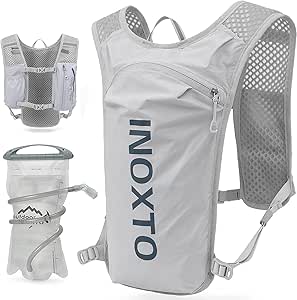


| hydration systems for runner | Weight | Material |
|---|---|---|
| SWIFTVEST Reflective Running H | 285 g | Neoprene |
| CamelBak Dart Running Hydratio | 7.4 oz | — |
| AiRunTech Hydration Running Be | 6 oz | — |
| Zelvot Running Vest for Women | 7 oz | Neoprene |
| HydraPak Tempo Pro Handheld Ru | 62 g (2.2 oz) | — |
| AiRunTech Running Hydration Be | — | Nylon and Lycra |
| Zacro Running Hydration Vest w | 190 g | Quick-dry nylon with ventilated mesh |
| IX INOXTO Hydration Pack Backp | 15.52 oz | — |
| Maelstrom Running Vest | 7.05 oz | Nylon with mesh lining |
| INOXTO Running Hydration Vest | 140 g | Polyester |
| Criuage Running Hydration Vest | 750 g | — |
| INOXTO Running Hydration Vest | 140 grams | Nylon |
| Maelstrom Hydration Backpack w | 1.1 lbs | Durable nylon |
| Fitletic Hydration Running Bel | — | Neoprene |
| BECOJADDE Running Vest for Wom | 0.48 lb (5L); 0.54 lb (6L) | Nylon and breathable stretch fabric |
More Details on Our Top Picks
SWIFTVEST Reflective Running Hydration Vest with 500 ml Soft Flask
The SWIFTVEST is the strongest pick here for runners who want a vest layout that keeps small essentials separated and close at hand. Its six pockets include a zippered, water-resistant phone pouch for devices up to 18 × 10 cm, giving it more dedicated storage than the CamelBak Dart, which has three pockets and a larger reservoir. The tradeoff is hydration capacity: the included 500 ml soft flask is better suited to shorter outings or routes with refill access than the Dart’s 1.5-liter reservoir. Adjustable straps, neoprene padding, quick-dry fabric, and reflective details target a stable, visible fit. I’d choose it for carrying a phone, keys, and run fuel, but check the grouped size ranges carefully; the phone pouch also has a defined size limit.
Pros:- Six pockets make it easier to separate a phone, fuel, and small essentials.
- Zippered water-resistant phone pouch fits devices up to 18 × 10 cm.
- Adjustable straps and neoprene padding are designed to limit bounce and rubbing.
- Reflective detailing and quick-dry material support low-light and sweaty runs.
Cons:- The included 500 ml flask offers less hydration than the CamelBak Dart’s 1.5-liter reservoir.
- Phone storage is limited to devices that fit within the stated pouch dimensions.
- Three grouped size ranges may make a precise fit harder to select.
Best for: Runners on shorter routes who want several separate pockets for a phone, keys, and fuel, plus reflective details for low-light outings.
Not ideal for: Distance runners who need more than 500 ml between refills or anyone whose phone exceeds the stated 18 × 10 cm pouch limit.
- Weight:285 g
- Included flask capacity:500 ml
- Pockets:6
- Phone pouch:Up to 18 × 10 cm
- Dimensions:11 in W × 14 in H
- Material:Neoprene
- Fit:Adjustable; size ranges XS–S, M–L, and L–XL
- Warranty:1 year against manufacturing defects
Our verdict“Choose the SWIFTVEST if organized storage matters more than carrying a large water supply.”
CamelBak Dart Running Hydration Vest
For runners who need a meaningful water supply without moving to a larger, more cargo-heavy pack, the CamelBak Dart has the clearest advantage in this group: its 1.5-liter Crux reservoir. That is three times the listed capacity of the SWIFTVEST’s 500 ml flask and well beyond the AiRunTech belt’s two 175 ml bottles, making the Dart a better fit for long routes where refill stops are uncertain. The 7.4-ounce weight and breathable air mesh keep the design focused on carrying water, while adjustable chest straps support a stable fit. The compromise is storage: its three pockets and 0.5-liter cargo capacity are modest, and the trekking pole attachment is optional. I’d pick it for hydration-first outings, not for runners who want a vest packed with accessible compartments.
Pros:- 1.5-liter reservoir carries substantially more water than the SWIFTVEST or AiRunTech belt.
- Breathable air mesh supports ventilation during sustained runs.
- Adjustable chest straps help keep the vest stable while moving.
- Included quiver and optional trekking-pole attachment add trail-carrying flexibility.
Cons:- Three pockets and 0.5 liters of cargo space limit room for extra layers and gear.
- Trekking pole attachment is optional rather than included.
- A reservoir system may feel less convenient than a handheld bottle for quick, simple outings.
Best for: Runners tackling long road or trail sessions who want a 1.5-liter reservoir and only need to carry a few essentials.
Not ideal for: Runners who prioritize lots of small-item storage or want included trekking-pole hardware; its cargo space is limited and the attachment is optional.
- Reservoir capacity:1.5 liters (50 fl oz)
- Weight:7.4 oz
- Dimensions:10.24 in W × 13.39 in H
- Pockets:3
- Cargo capacity:0.5 liters
- Materials:Nylon and polyester
- Included components:Vest, quiver, and 1.5L Crux reservoir
- Warranty:Got Your Bak Lifetime Warranty
Our verdict“Pick the CamelBak Dart when carrying more water matters more than maximizing pocket space.”
AiRunTech Hydration Running Belt with Two Water Bottles
The AiRunTech belt is the most compact way in this batch to carry water and a phone without wearing a vest. Its two 175 ml bottles split the 350 ml total across both hips, while the adjustable belt, contoured grips, and push-pull nozzles are intended to reduce bounce and make sips accessible. That capacity is far below the CamelBak Dart and even the handheld HydraPak Tempo Pro, so I’d reserve it for shorter runs, races with aid stations, or runners who prefer a light carry. A phone pocket, headphone opening, reflective tab, and removable race bib toggles make it more race-oriented than the HydraPak, which focuses on hand-held hydration and a fuel window. Its limited water supply is the central compromise, and the bottles need several washes before first use.
Pros:- Two BPA-free bottles with push-pull nozzles provide 350 ml total capacity.
- Adjustable fit covers hips from 18 to 51.2 inches.
- Phone pocket, headphone opening, and removable race bib toggles suit race-day use.
- Reflective tab adds a low-light visibility detail.
Cons:- The 350 ml total capacity is much lower than the CamelBak Dart’s 1.5-liter reservoir.
- Bottles should be washed several times before first use.
- A waist-belt format may not suit runners who dislike carrying weight around the hips.
Best for: Race-focused runners and short-distance athletes who want a compact belt, two small bottles, and a place for a phone and bib.
Not ideal for: Runners on long or remote routes who need a larger water reserve, or those who prefer not to carry bottles at the hips.
- Bottle capacity:2 × 175 ml (6 oz)
- Bottle material:BPA-free
- Nozzle:Leakproof push-pull
- Fit:Adjustable; hips 18–51.2 in (46–130 cm)
- Pocket:Fits most phones up to 6.5 in
- Weight:6 oz
- Strap length:130 cm
- Care:Hand wash or delicate machine wash; air dry
Our verdict“Choose the AiRunTech belt for short, race-oriented runs where compact carry matters more than water capacity.”
Zelvot Running Vest for Women and Men with Touchscreen Phone Pocket
The Zelvot makes the most sense for runners who want a vest-style carry and an accessible phone screen without removing the device from its pocket. Its waterproof touchscreen phone pocket sets it apart from the SWIFTVEST, whose phone pouch is described as water-resistant but not touchscreen-enabled. Both include a 500 ml soft flask, so neither is the better pick for long stretches without refills; the CamelBak Dart carries more than either with its 1.5-liter reservoir. At 7 oz, the Zelvot is a light option, with adjustable size ranges, ventilation holes, and reflective strips for low-light runs. The main cautions are fit and capacity: phones over 7 inches may not fit, and some users may find the straps loosen during use. I’d choose it for convenient phone access, not for maximum water or cargo volume.
Pros:- Touchscreen phone pocket allows access to compatible devices without taking them out.
- Includes a 500 ml soft flask with a bite valve.
- Light 7 oz design includes ventilation holes and reflective strips.
- Adjustable fit is offered in three size ranges.
Cons:- The 500 ml flask carries less water than the CamelBak Dart’s 1.5-liter reservoir.
- Phone pocket may not fit devices larger than 7 inches.
- Straps may loosen over time and need readjustment.
Best for: Runners who want to check or operate a compatible phone through a vest pocket while carrying a modest amount of water.
Not ideal for: Runners needing a large water reserve, carrying a phone over 7 inches, or seeking straps that stay firmly set without adjustment.
- Capacity:500 ml
- Weight:7 oz
- Material:Neoprene
- Fit ranges:XS/S: 27–34 in; M/L: 30–40 in; L/XL: 38–46 in
- Phone pocket:Touchscreen pocket; may not fit phones over 7 in
- Hydration valve:Bite valve on included soft flask
- Ventilation:Ventilation holes
- Visibility details:Reflective strips
Our verdict“Choose the Zelvot if touchscreen phone access is a priority and 500 ml is enough for your planned route.”
HydraPak Tempo Pro Handheld Running Squeeze Bottle (525ml, White)
The HydraPak Tempo Pro suits runners who want water in hand rather than strapped to the torso. Its 525 ml capacity is slightly more than the SWIFTVEST and Zelvot flask capacity, and its adjustable hand strap is designed to keep the bottle secure while leaving fingers freer than a bare bottle grip. The ergonomic squeeze shape and clear fuel window make it easy to drink and check remaining water at a glance. Unlike the AiRunTech belt, it offers no phone pocket or race-bib storage, so runners carrying essentials will need another solution. Its 62 g listed weight is light, though the handheld format can be tiring for anyone who dislikes carrying an object throughout a run. Dishwasher-safe construction and a removable strap simplify cleanup; the tradeoff is that 525 ml still calls for refills on longer routes.
Pros:- 525 ml capacity exceeds the 500 ml flasks in the SWIFTVEST and Zelvot.
- Adjustable hand strap helps secure the bottle while running.
- Ergonomic squeeze shape and clear fuel window support convenient drinking and monitoring.
- Dishwasher-safe bottle and removable strap simplify cleaning.
Cons:- The 525 ml capacity is limited for long runs without refill access.
- Handheld carrying may not suit runners who prefer completely hands-free hydration.
- The design does not include the phone or small-item storage found on the AiRunTech belt.
Best for: Runners who prefer a handheld bottle for short-to-moderate outings and want a secure strap, quick-squeeze drinking, and easy cleaning.
Not ideal for: Runners who need hands-free vest or belt storage, want to carry a phone with their hydration system, or need more than 525 ml between refills.
- Capacity:525 mL (17 fl oz)
- Weight:62 g (2.2 oz)
- Dimensions:237 × 61 mm (9.3 × 2.4 in)
- Materials:PP, HDPE, LDPE, TPU, neoprene, nylon, and polyester
- Model number:THC52514
- Color:White
- Cleaning:Dishwasher safe; removable strap
- Manufacture year:2025
Our verdict“Pick the Tempo Pro if you want simple handheld hydration and do not need built-in storage.”
AiRunTech Running Hydration Belt with Water Bottle Holder, Fanny Pack for Phone and Wallet, Running Bag for Marathon and Triathlon
The AiRunTech belt is the simplest choice here for runners who want a place for small essentials without wearing a full vest. Its adjustable Velcro webbing and breathable nylon-Lycra construction are aimed at a close, lightweight fit, while the zippered storage keeps a phone, keys, or wallet secured. Unlike the Zacro Running Hydration Vest, it does not include a specified bladder capacity or hands-free drinking setup, so I would choose it for carrying essentials rather than relying on it as a complete hydration system. The bottle-holder feature may suit runners who already have a preferred bottle, but the available details do not state what size it holds. It also lacks stated reflective elements, making the Zacro or Maelstrom a clearer pick for visibility-focused runs.
Pros:- Adjustable Velcro webbing allows a close fit.
- Lightweight, breathable nylon and Lycra suit active use.
- Zippered storage helps secure small essentials.
- Designed for running and other endurance activities.
Cons:- Water bottle capacity is not specified.
- No reflective elements are mentioned.
- Hand washing requires more care than machine-washable gear.
Best for: Runners who want a lightweight belt for phone, keys, and a bottle they already own, especially on shorter routes.
Not ideal for: Runners who need a known water capacity, hands-free bladder drinking, or stated reflective details for low-light outings.
- Material:Nylon and Lycra
- Adjustment:Full Velcro webbing
- Color:Black
- Intended activities:Running, hiking, marathon, and triathlon
- Storage:Zippered fanny-pack storage
- Hydration format:Water bottle holder; capacity not specified
- Care:Hand wash only
Our verdict“Choose this belt for compact essentials storage and a personal bottle, but pick the Zacro vest if you want specified, hands-free hydration.”
Zacro Running Hydration Vest with 2L Water Bladder
For runners who want substantial water on board without carrying a backpack-style load, the Zacro combines a 2-liter bladder with a lightweight vest listed at 190 g. The hands-free straw supports drinking while moving, and adjustable chest and waist straps help tune the fit. Its six pockets and reflective details make it more run-focused than the larger-storage IX INOXTO Hydration Pack Backpack, which lists eight pockets and an 18-liter capacity but also has conflicting capacity information. Zacro’s divided pockets can keep small items organized, though they may not suit bulky layers or larger gear. The stated chest range is 25–51 inches, so fit is a real limitation for some runners. I’d choose it over the Maelstrom soft-flask vest when carrying more water matters more than keeping the setup especially compact.
Pros:- Included 2-liter TPU bladder provides substantial hands-free hydration.
- Quick-dry nylon and ventilated mesh support airflow.
- Adjustable chest and waist straps allow fit tuning.
- Six pockets and reflective details support organized, visible runs.
Cons:- Stated chest range of 25–51 inches may exclude some runners.
- Divided pockets may not fit larger gear easily.
- A 2-liter bladder adds more carried water than a compact soft-flask setup.
Best for: Distance runners and trail runners who want a 2-liter hands-free water supply, several small-item pockets, and adjustable torso straps.
Not ideal for: Runners outside the stated 25–51-inch chest range or those who need roomy storage for bulky clothing and gear.
- Brand:Zacro
- Material:Quick-dry nylon with ventilated mesh
- Weight:190 g
- Bladder capacity:2 liters
- Bladder material:TPU
- Chest circumference:25–51 inches
- Pockets:6 total, including 2 zippered pockets
- Straps:Adjustable chest and waist straps
- Warranty:1 year
Our verdict“Pick the Zacro for longer runs where bladder capacity and organized storage matter more than a minimal, low-volume vest.”
IX INOXTO Hydration Pack Backpack with 2L Bladder
The IX INOXTO is the storage-heavy option in this group: its listing gives it eight pockets, a 2-liter bladder, and two 250 mL soft flasks. That combination can suit runners who carry more than water, while the Maelstrom Running Vest is much lighter at 7.05 oz and better matched to a pared-down setup. The tradeoff is that the IX INOXTO is listed at 15.52 oz and has inconsistent capacity information: the product details cite 18 liters, while the description says 12L. I would not choose it based on a precise storage-volume expectation until that discrepancy is clarified. Adjustable chest and waist straps and breathable mesh support a more secure, ventilated carry, but its backpack format and multiple storage spaces are more than many road runners need.
Pros:- Includes a 2-liter bladder and two 250 mL soft flasks.
- Eight pockets offer more storage options than the compact Maelstrom vest.
- Adjustable chest and waist straps help secure the load.
- Breathable mesh and reflective trim support outdoor running.
Cons:- Listed capacity conflicts between 12L and 18 liters.
- At 15.52 oz, it is heavier than the listed Maelstrom running vest.
- The backpack-style storage may be excessive for short or minimalist runs.
Best for: Runners who carry extra layers, supplies, or accessories and want a bladder plus two additional soft flasks.
Not ideal for: Minimalist road runners who want a light, compact vest or buyers who need a clearly stated pack capacity.
- Brand:IX INOXTO
- Listed capacity:18 liters; description also states 12L
- Water bladder volume:2 liters
- Weight:15.52 oz
- Dimensions:8.6 in W × 16.9 in H
- Pockets:8
- Included hydration:2L bladder and two 250 mL soft flasks
- Straps:Adjustable chest and waist straps
- Warranty:1 year
Our verdict“Choose this pack when carrying extra gear and multiple hydration options matters more than low weight or a clearly defined storage capacity.”
Maelstrom Running Vest, Lightweight Hydration Pack with 500ml Soft Flask
At a listed 7.05 oz, the Maelstrom is the lightest clearly specified option in this set and keeps hydration simple with one included 500 mL soft flask. That makes it a stronger match for shorter runs or runners who prefer a compact vest over the Zacro’s 2-liter bladder. Adjustable straps and a stated 25–60-inch chest range give it more fit flexibility than Zacro’s 25–51-inch range, while reflective details add a visibility feature absent from the AiRunTech belt listing. The main compromise is capacity: one 500 mL flask may not cover longer efforts without refills or additional water. The product information also refers to a water bladder among included components despite listing a 500 mL capacity, so I’d confirm the exact hydration component before buying if that distinction matters to you.
Pros:- Listed weight of 7.05 oz supports a lightweight setup.
- Included 500 mL BPA-free soft flask offers hands-free hydration.
- Adjustable fit covers a stated 25–60-inch chest range.
- Reflective features support visibility in low light.
Cons:- A single 500 mL flask offers limited capacity for long runs.
- Additional hydration may be needed for routes without refill access.
- Included-component details also mention a water bladder, creating some ambiguity.
Best for: Runners seeking a light, adjustable vest with a single 500 mL flask for shorter routes or runs with refill access.
Not ideal for: Long-distance runners who need more than 500 mL on board or buyers who want the capacity of a 1.5–2-liter bladder.
- Brand:Maelstrom
- Weight:7.05 oz
- Material:Nylon with mesh lining
- Capacity:500 mL
- Included component:One soft flask; listing also mentions a water bladder
- Chest circumference:25–60 inches
- Adjustable straps:Yes
- Reflective:Yes
- Warranty:1 year
Our verdict“Pick the Maelstrom for lightweight, lower-volume runs; choose the Zacro or INOXTO vest when you need a larger water supply.”
INOXTO Running Hydration Vest with 1.5 L Water Bladder
The INOXTO vest sits between a compact soft-flask option and a higher-capacity 2-liter pack. Its 1.5-liter bladder gives runners more water than the Maelstrom’s 500 mL flask, while its 140 g listed weight is lighter than the Zacro’s 190 g. Ventilated mesh, adjustable shoulder and hip straps, reflective trim, and four pockets make it a practical middle ground for runs that need meaningful hydration without the IX INOXTO backpack’s larger listed capacity and storage emphasis. The compromise is straightforward: 1.5 liters will not suit every long route, and four pockets offer less organization than the Zacro’s six. Its broad activity list extends beyond running, but the stated age restriction means it is not intended for children 12 and under.
Pros:- 140 g listed weight is lower than the Zacro vest’s 190 g.
- 1.5-liter bladder offers more capacity than the Maelstrom’s 500 mL flask.
- Ventilated mesh back supports airflow.
- Adjustable shoulder and hip straps, reflective trim, and four pockets suit active use.
Cons:- 1.5-liter capacity may be insufficient for long routes without refills.
- Four pockets provide less storage organization than the Zacro’s six.
- Not intended for children 12 and under.
Best for: Runners who want a lightweight vest with more water than a single soft flask but do not need a 2-liter bladder.
Not ideal for: Runners planning very long routes without refill access, or anyone seeking extensive pocket storage or a children’s fit.
- Brand:INOXTO
- Material:Polyester
- Weight:140 g
- Water bladder capacity:1.5 L
- Dimensions:5.9 in W × 13.77 in H
- Pockets:4
- Straps:Adjustable shoulder and hip straps
- Included component:Water bladder
- Warranty:3 years
Our verdict“Choose this INOXTO for a lighter middle-capacity bladder vest, but step up to the Zacro if your route demands two liters.”
Criuage Running Hydration Vest with 2L Water Bladder
The Criuage pairs a 2-liter bladder with a 5-liter pack and eight pockets, making it a practical choice for runners who carry more than water. The adjustable chest straps and wide mesh shoulder pads are intended to limit shifting and spread contact across the shoulders, while its water-resistant finish offers some protection from light moisture. Compared with the Maelstrom Hydration Backpack, which lists four pockets and a broad chest-strap range, Criuage offers more places to separate small essentials, but its fit range is not specified. At 750 g, it is also substantially heavier than the listed 140-gram INOXTO vest, so runners focused on minimizing load may prefer that lighter option. The tradeoff is a roomier, more organized setup without confirmed sizing details or a waterproof rating.
Pros:- Includes a BPA-free 2-liter PEVA bladder for longer stretches between refill points.
- Eight pockets provide more organization than the Maelstrom Hydration Backpack’s four listed pockets.
- Adjustable chest straps and wide mesh shoulder pads are designed to support a more secure, comfortable fit.
- Water-resistant construction and a listed two-year warranty.
Cons:- At 750 g, it is heavier than the 140-gram INOXTO vest listed in this group.
- No size range or torso-fit measurements are provided.
- Water resistance is listed without a waterproof rating.
Best for: Runners who want a 2-liter bladder and several separate pockets for phone, fuel, keys, and other small essentials.
Not ideal for: Weight-conscious runners or buyers who need documented torso measurements or a stated waterproof rating.
- Brand:Criuage
- Model:HVC-01
- Water bladder capacity:2 liters
- Pack capacity:5 liters
- Weight:750 g
- Dimensions:9 W x 18.5 H in
- Number of pockets:8
- Bladder material:BPA-free PEVA
- Water resistance:Water-resistant
Our verdict“Choose the Criuage if pocket organization and a 2-liter bladder matter more than a low carried weight or clearly documented sizing.”
INOXTO Running Hydration Vest Backpack, Lightweight Insulated Pack with 1.5L Water Bladder for Hiking, Trail Running, Cycling, and Marathon
At a listed 140 grams, this INOXTO is the weight-first option in this group, with breathable mesh, adjustable straps, reflective trim, and a 1.5-liter bladder. That capacity suits shorter runs and many training sessions, though runners covering longer distances may prefer the Criuage or Maelstrom, both listed with 2-liter bladders. The multiple front and side pockets leave room for basic run essentials, but the description does not specify pocket count or pack capacity, so buyers cannot gauge storage as precisely as they can with the Criuage’s eight pockets and stated 5-liter volume. Its reflective trim is a useful visibility detail, but it does not replace dedicated lights in low-light conditions. The main compromises are the smaller reservoir, no included bladder cover, and a fit that may be limiting for very large torsos.
Pros:- Listed weight of 140 grams is far below the Criuage’s 750 grams.
- Breathable mesh is designed to help reduce heat buildup against the back.
- Adjustable straps allow fit adjustments while running.
- Reflective trim adds visibility detail for early or late outings.
Cons:- The 1.5-liter bladder holds less than the 2-liter Criuage and Maelstrom options.
- No bladder cover is included.
- May not fit very large torso sizes comfortably.
Best for: Runners who prioritize a low listed pack weight for shorter training sessions and want a bladder, basic storage, and reflective trim.
Not ideal for: Long-distance runners who need more than 1.5 liters, or buyers with a larger torso who need a clearly broad fit range.
- Water capacity:1.5 liters
- Weight:140 grams
- Material:Nylon
- Pockets:Multiple front and side pockets
- Reflective trim:Yes
- Adjustable straps:Yes
Our verdict“Pick this INOXTO when low listed weight matters more than maximum water capacity or detailed storage specifications.”
Maelstrom Hydration Backpack with 2L Water Bladder, Lightweight Running Vest
The Maelstrom stands out for combining a 2-liter BPA-free bladder with a specified chest-strap range of 22.4–61 inches. That fit detail gives buyers more information than the Criuage provides, while the ventilated back panel and adjustable straps are meant to help manage heat and movement on runs. Its reflective strips add a visibility feature, and hose ports on the shoulder straps give the drinking tube a defined route. Compared with Criuage’s eight pockets, Maelstrom lists only four, so it is less suited to runners who like to sort many small items. The listed weight is 1.1 lbs, and the description says storage is limited for large or heavy gear. It makes more sense for runners seeking a stated adjustment range and hydration capacity than for those needing extensive cargo space.
Pros:- 2-liter BPA-free bladder offers more capacity than the 1.5-liter INOXTO vest.
- Published 22.4–61-inch chest-strap range gives buyers a concrete fit reference.
- Ventilated back panel is designed to improve airflow during activity.
- Reflective strips and shoulder-strap hose ports add practical running details.
Cons:- Only four pockets are listed, fewer than the Criuage’s eight.
- Not designed for carrying large or heavy items.
- The 1.1-pound listed weight is higher than the INOXTO’s 140-gram listing.
Best for: Runners who want a 2-liter bladder and a published chest-strap range to help judge fit before buying.
Not ideal for: Runners who carry bulky layers or want numerous pockets for separating race and personal essentials.
- Water capacity:2 liters
- Weight:1.1 lbs
- Material:Durable nylon
- Bladder:BPA-free
- Chest strap range:22.4–61 inches
- Pockets:4
- Back panel:Ventilated
- Other features:Shoulder strap hose ports, helmet storage, reflective strips
Our verdict“Choose the Maelstrom if its stated chest-strap range and 2-liter capacity suit you better than the lighter INOXTO or more pocketed Criuage.”
Fitletic Hydration Running Belt with Water Bottles for Men & Women
Unlike the bladder-based vests in this roundup, the Fitletic keeps hydration at the waist with two 8-ounce bottles and a neoprene belt designed to sit close to the body. Its 16-ounce total capacity is modest beside the 1.5-liter INOXTO or 2-liter Criuage, but the bottles are easy to access without routing a hose or carrying a pack over the shoulders. A water-resistant main pouch, storage for small items, reflective accents, and integrated race bib toggles make it particularly suited to organized road runs and races. The tradeoff is limited room: the pouch measures 8 by 4 inches, so it is not a substitute for a vest when carrying layers or larger gear. Waist fit may also be less suitable at the smallest and largest sizes.
Pros:- Two quick-flow bottles are accessible at the waist without a hydration hose.
- Neoprene, bounce-free design is intended to keep the belt close during running.
- Water-resistant pouch measures 8 x 4 inches for a phone and small essentials.
- Reflective accents and integrated race bib toggles suit road training and events.
Cons:- Total capacity of 16 ounces is much lower than the bladder systems from Criuage and Maelstrom.
- Limited storage does not suit larger items or extra clothing.
- Fit may not work well for very petite or very large waist sizes.
Best for: Road runners and racers who prefer waist-mounted bottles, need only modest hydration, and want space for a phone and gels.
Not ideal for: Trail or long-distance runners who need more than 16 ounces of water or room for bulky gear.
- Water capacity:16 oz
- Bottle size:Two 8 oz bottles
- Main pocket dimensions:8 x 4 in
- Material:Neoprene
- Key features:Bounce-free design, water-resistant pouch, sweat-wicking
- Visibility and race features:Reflective accents, integrated race bib toggles
Our verdict“Pick the Fitletic for compact road runs where easy-access bottles matter more than high water capacity or pack storage.”
BECOJADDE Running Vest for Women and Men, 5L/6L Lightweight Hydration Backpack for Running, Hiking, Cycling
The BECOJADDE gives buyers a choice between a 5L or 6L vest, with corresponding weights of 0.48 or 0.54 lb and bladder options of 1.5 or 2 liters. That range lets runners match carrying space and water volume to their route, unlike the Fitletic belt, which is a compact 16-ounce system, or the fixed 5-liter Criuage. Nylon and breathable stretch fabric, adjustable straps, and multiple compartments support a more versatile carry than a belt, though the supplied details do not specify pocket count or a torso-fit range. The 2-liter bladder configuration is the better fit for longer outings; the 1.5-liter option keeps the setup smaller but holds less than the Maelstrom’s listed 2-liter bladder. Buyers should check which configuration they are selecting, since the listing notes that water bottles are not included in all configurations.
Pros:- Two vest capacities and two bladder options allow some tailoring to route and gear needs.
- Listed weights are 0.48 lb for the 5L vest and 0.54 lb for the 6L vest.
- Breathable stretch fabric and adjustable straps are designed for a flexible running fit.
- Multiple compartments provide more carrying organization than the Fitletic belt.
Cons:- Water bottles are not included in all configurations.
- No torso-fit range or pocket count is provided.
- The 1.5-liter bladder option holds less than the 2-liter Maelstrom and Criuage systems.
Best for: Runners who want to choose between a lighter 5-liter setup and a roomier 6-liter vest, with a 1.5- or 2-liter bladder option.
Not ideal for: Buyers who need a published size range, known pocket count, or confirmation that every configuration includes bottles.
- Vest capacity options:5L or 6L
- Weight:0.48 lb (5L); 0.54 lb (6L)
- Water bladder capacity:1.5L or 2L
- Material:Nylon and breathable stretch fabric
- Dimensions:14 x 11 in (5L); 16.5 x 11.4 in (6L)
- Storage:Multiple compartments
- Fit features:Adjustable straps
Our verdict“Choose the BECOJADDE if you want to tailor pack and bladder capacity, but confirm the exact configuration and included hydration accessories before ordering.”

How We Picked
I compared these 15 systems by the practical questions that shape a running carry choice: how much fluid they hold, where the weight sits, how readily runners can reach water, and whether the format suits short road runs, longer outings, or mixed-use days. I also considered storage, stated build features, likely cleaning demands, and how easily each setup could work for a runner who prefers a belt, vest, backpack, or handheld bottle. The product details supplied describe different configurations, but do not establish comparative field-test results, so I do not claim that one has proven bounce control or durability over another.
The ranking favors useful capacity without unnecessary carrying burden, then distinguishes products by their best-fit use case. A 500 ml soft-flask vest ranks ahead of higher-capacity bladder packs as a more flexible starting point for varied runs; belts rank well for runners who want waist carry, while the handheld makes sense for minimal kit. Larger bladder systems remain strong picks for runners who need more water or storage, but their size, fit needs, and cleaning workload make them less suitable as universal choices. Closely named models are separated only by their stated capacity or included format, not by unsupported performance claims.
Factors to Consider When Choosing Hydration Systems For Runners
Picking a hydration system is less about choosing the biggest reservoir and more about deciding where the weight should sit, how often you want to drink, and what else you need to carry. These broader questions can help prevent a common mismatch: buying a high-capacity pack for a short route, or choosing a minimal bottle setup that cannot support the outing.
Match Capacity to Your Route, Not Your Ambition
Start with your usual route length, weather, access to refill points, and personal drinking habits rather than the maximum capacity listed on a pack. Extra water adds carried weight, and a larger reservoir can feel like unnecessary bulk when your route has reliable refill options. On a long or remote run, though, too little capacity may force an early turnaround or leave no room for changing conditions. A useful approach is to estimate what your familiar routes require, then add a modest buffer rather than buying the largest system by default. Capacity labels also do not tell you how easily the water is reached, so check whether the format supports quick sipping while moving.
Choose Where You Want the Load to Sit
A belt puts bottles and small essentials around the waist, while a vest distributes gear across the torso and can leave hands free. A handheld keeps the load simple but places weight in one hand, which some runners dislike over longer distances. None of these formats is automatically more comfortable: body shape, clothing layers, bottle placement, and strap adjustment all affect movement. Before buying, consider where you notice weight most and whether you want to carry a phone, keys, or nutrition alongside water. A system that feels manageable while standing may shift or rub once you run, so fit details matter more than a large feature list.
Think Through Drinking Access and Refills
Front-mounted flasks and belt bottles make it easy to see how much water remains and refill from a bottle or fountain. A bladder can carry more fluid without occupying a hand, but drinking through a hose means relying on the pack’s routing and bite-valve setup. Consider whether you prefer measured sips or a steady, hands-free option, and whether you can refill during your planned routes. A common mistake is choosing a reservoir by volume without checking how the opening, hose, and access points fit into everyday use. If you often stop at fountains, ease of refilling may matter more than carrying extra water from the start.
Account for Cleaning and Drying
Every reusable hydration system needs routine cleaning, but a soft flask, bottles, and a bladder differ in how much attention they demand. A bladder’s hose and interior can take longer to rinse and dry than a simple bottle, particularly if it stays assembled between outings. Look at the opening and detachable parts before choosing, and think about whether you have space to dry the reservoir fully. Leaving moisture inside can create odor and residue, while skipping cleaning after sports drink use can make upkeep harder. If you want the least involved routine, a compact bottle-based setup may suit you better than a larger reservoir pack.
Separate Water Carry From Storage Needs
Some runners need only water and a key; others carry a phone, fuel, a light layer, or emergency items. Decide what must stay secure and accessible before selecting a larger pack, since added pockets can also mean more bulk and more items bouncing if poorly arranged. A touchscreen-compatible phone pocket may sound convenient, but fit, closure, and access are still worth checking against your device and running clothes. Do not assume a larger bag is more useful if its extra space encourages you to carry things you do not need. For a short outing, a belt or handheld can keep the setup simpler; longer days may justify more storage.
Check Fit Before Prioritizing Extra Features
Fit determines whether a hydration system stays comfortable as your pace and clothing change. Adjustable straps, chest closures, belt placement, and the shape of the carrier can affect pressure and movement, yet product descriptions rarely predict how a specific body will respond. Check the maker’s sizing guidance and return policy, and try the system over the layers you expect to wear. For a vest or pack, load it with the amount you expect to carry before judging the fit; for a belt, check whether bottles stay put when you move. Pockets and capacity are useful only if the system sits securely without distracting friction.
Frequently Asked Questions
Should I choose a running belt or a hydration vest?
Choose a belt if you want water at your waist and prefer to keep your shoulders and chest free. A vest is a better match when you want hands-free drinking, more distributed storage, or the option of carrying a larger reservoir. The right answer depends on how much you carry and where you prefer the weight, not on a general rule that one format is faster. Try to account for your phone, fuel, and clothing layers, since these can change how either system sits. If possible, check fit while moving rather than relying on a static try-on.
Is a 500 ml flask enough for a run?
It may be enough for a shorter outing or a route with refill access, but there is no single capacity that fits every runner. Duration, temperature, effort, personal drinking habits, and access to water all affect what you need to carry. Compare the flask’s capacity with what you already drink on familiar routes, then account for any expected heat or detours. If you routinely finish your supply before the end of a run, a larger setup or a planned refill may make more sense. Avoid using capacity alone as a substitute for route planning.
Is a bladder pack better than front soft flasks?
A bladder pack can carry more water and lets you drink through a hose without holding a bottle. Front soft flasks are easier to monitor and can be simpler to refill, which some runners prefer on shorter routes. Bladders also add a cleaning and drying task, while flask placement may feel less natural for some body shapes. Think about whether you value greater capacity and hands-free access more than direct visibility and simpler maintenance. The better setup is the one you can wear comfortably and keep clean after regular use.
Can I use a hiking hydration pack for running?
You can, but a pack designed for hiking may prioritize storage or capacity over a close running fit. Extra space can be useful on long outings, yet a loosely fitted load may shift as you run. Check whether the pack has adjustment points that let it sit securely and whether its pockets keep essentials accessible while moving. Also consider whether you need the full reservoir volume on your routes, since carrying unused water adds weight. A running vest or pack is usually the safer starting point if bouncing and movement are your main concerns.
What should I check before buying a running hydration system online?
Check sizing guidance, adjustment options, included bottles or reservoir, stated capacity, and the way the system carries a phone and other essentials. Read the care instructions so you know whether the bladder, hose, or bottles need separate cleaning and drying. Compare the listed format with your route needs instead of assuming a bigger reservoir is a better choice. If fit is uncertain, look for a clear return policy and test the system with water before relying on it for a long run. A secure fit and manageable upkeep matter more than an extra pocket you may never use.
Conclusion
For the broadest mix of running uses, I’d choose the Maelstrom Running Vest with a 500 ml soft flask as best overall: it sits between a minimal handheld and a high-capacity bladder pack. The AiRunTech belt with two bottles is my best value-style pick for runners who favor waist carry and want more than a single handheld, while the INOXTO insulated 1.5 L pack is the best premium-style choice here for runners drawn to a higher-capacity, insulated setup for varied activities. Beginners who want to keep things simple can start with the HydraPak Tempo Pro handheld for shorter runs; runners who want hands-free carry and greater capacity should look at the Zacro 2 L vest or other bladder packs. Choose Fitletic for a belt-focused setup, and skip larger packs unless your routes and carry needs justify the added water and upkeep.