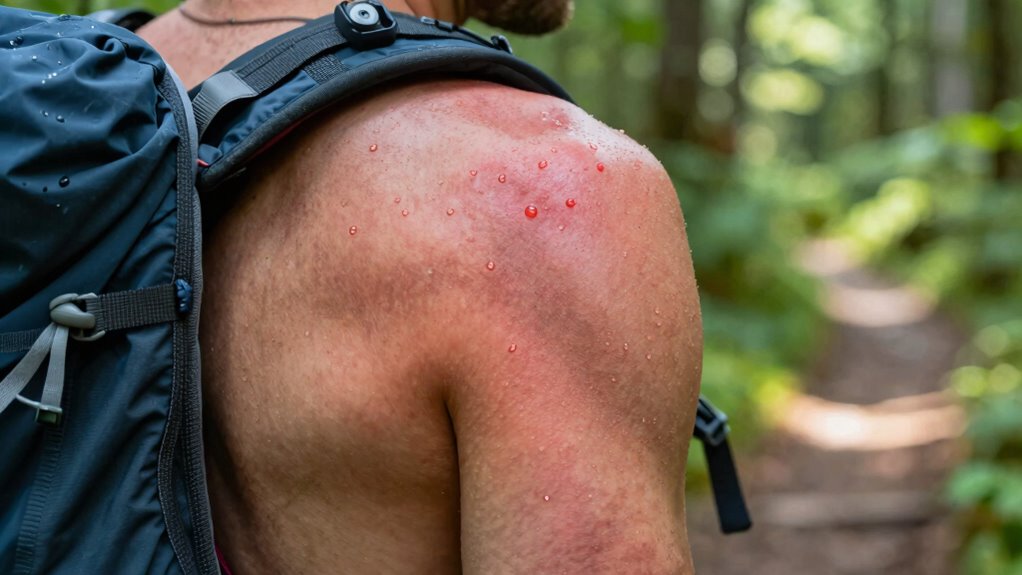

To stop chafing from your hydration pack fast, make sure it fits snugly but isn’t too tight, adjusting straps for comfort and support. Protect your skin with anti-chafing balm or petroleum jelly, and wear moisture-wicking clothing to reduce friction. Regularly check your gear for rough edges or worn straps and keep your skin clean and dry. Focusing on these fixes guarantees a smoother experience—keep going to discover even more effective tips.

Get workout gear delivered free — and shop member deals
- Fast, free delivery on millions of items
- Access to Prime Big Deal Days deals on October 6–7
- Prime Video, Amazon Music and more included
Key Takeaways
- Ensure the hydration pack fits snugly without being too tight or loose to prevent friction and shifting.
- Apply moisture-wicking, anti-chafing balm or petroleum jelly on prone areas before wearing the pack.
- Regularly inspect and smooth straps and seams to eliminate rough edges that cause skin irritation.
- Wear breathable, moisture-wicking clothing to reduce sweat and skin friction during activity.
- Treat any chafing promptly with soothing ointments and keep skin clean and dry to promote healing.
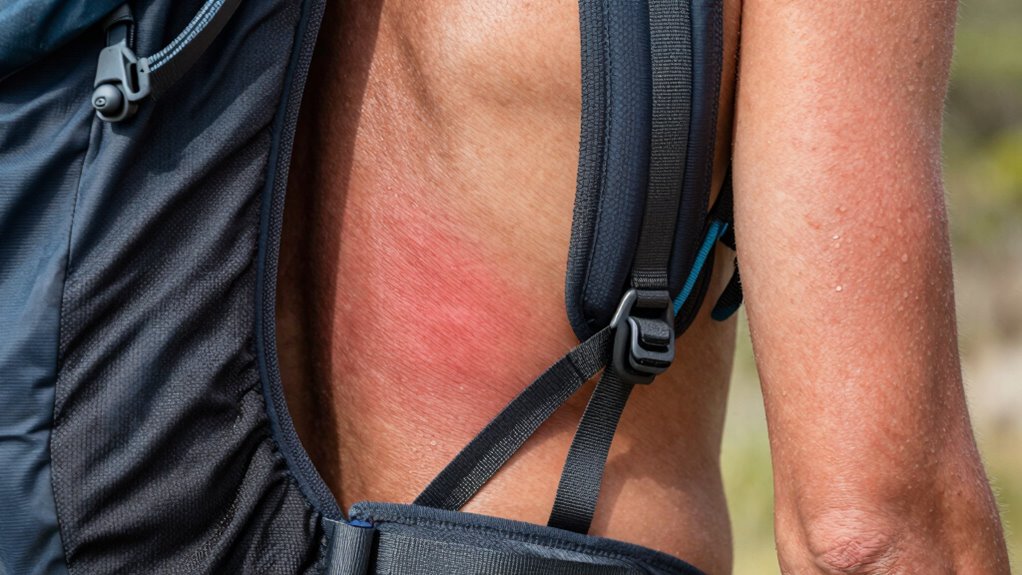
Wearing a hydration pack is a convenient way to stay hydrated during outdoor activities, but it can sometimes cause chafing that leads to discomfort and skin irritation. The key to preventing this issue starts with ensuring a proper fit. When your pack fits snugly without being too tight, it minimizes unnecessary movement that causes friction. Adjust the straps so they sit comfortably against your body, providing support without digging into your skin. A well-fitted pack keeps the bladder and shoulder straps close, reducing the chances of rubbing against sensitive areas. Remember, a loose pack shifts with every step, increasing chafing risk, while an overly tight one can restrict movement and cause pressure points. Take the time to fine-tune the fit before heading out, testing how it feels during a short walk or jog.
Skin protection is equally important. Before wearing your hydration pack, apply a moisture-wicking, anti-chafing balm or a light layer of petroleum jelly on areas prone to rubbing, such as your shoulders, collarbone, or hips. These products create a barrier that reduces friction and helps your skin withstand prolonged contact with the pack’s straps. Wearing moisture-wicking clothing made from breathable fabrics also helps keep your skin dry, which is essential because moisture increases chafing. Avoid cotton shirts, as they absorb sweat and stay damp longer, making irritation worse. Instead, opt for technical shirts designed to wick moisture away from your skin, keeping you more comfortable during intense activities.
Another way to protect your skin is to inspect your gear regularly. Look for rough edges, seams, or worn-out straps that might be causing extra friction. If you notice any chafing hotspots, address them immediately with additional padding or by adjusting the straps. Keep your skin healthy and resilient by staying hydrated and maintaining good hygiene; clean and dry your skin after activities to prevent irritation from sweat and dirt buildup. If chafing has already started, treat it promptly with soothing ointments or creams formulated for skin irritation. Wearing breathable, moisture-wicking clothing and ensuring your gear fits properly are the easiest, most effective ways to prevent chafing from your hydration pack, helping you enjoy your outdoor adventures without discomfort.
hydration pack fitting adjustment
As an affiliate, we earn on qualifying purchases.
As an affiliate, we earn on qualifying purchases.
Frequently Asked Questions
Can Certain Fabrics Cause More Chafing With Hydration Packs?
Yes, certain fabrics can cause more chafing with hydration packs. If you have fabric sensitivity, rough or non-breathable materials may increase irritation. To prevent chafing, opt for smooth, moisture-wicking clothing layers that reduce friction. Choose lightweight, seamless fabrics, and avoid cotton, which traps sweat and aggravates chafing. Adjust your clothing layers as needed to keep skin dry, and consider testing different fabrics to find what works best for your skin.
How Can I Prevent Chafing During Hot Weather Activities?
Like a knight preparing for battle, you can prevent chafing by choosing moisture-wicking clothing that keeps sweat away from your skin. Adjust your hydration pack properly, ensuring a snug but comfortable fit to avoid unnecessary friction. Frequent breaks to let your skin breathe also help. Remember, staying dry and well-fitted is your armor against chafing during hot weather activities, enabling you to perform at your best without discomfort.
Are There Specific Hydration Pack Brands Less Likely to Cause Chafing?
Some hydration pack brands are less likely to cause chafing because of their compatibility and material differences. Look for brands that prioritize lightweight, breathable, and smooth fabrics, like CamelBak or Osprey, which often use softer, more flexible materials. Additionally, check for packs with adjustable straps and ergonomic designs that fit your body well, reducing friction points. Choosing the right brand and material can make your activity much more comfortable and chafe-free.
What’s the Best Way to Treat Skin Irritation From Chafing?
Stop the soreness and soothe the skin swiftly. You should clean the irritated area gently to remove sweat and dirt, then apply a soothing ointment like petroleum jelly or zinc oxide to protect your skin barrier. Let the skin breathe, avoid tight clothing, and stay dry. Using these simple steps helps treat chafing fast, preventing further irritation and encouraging quick healing.
Does Body Hair Affect Chafing Risk From Hydration Packs?
Body hair can influence your chafing risk from hydration packs; having more hair might increase friction and irritation. However, it also can provide a buffer that reduces direct skin contact with the pack. To minimize chafing risk, consider trimming or shaving relevant areas, especially if you notice increased discomfort. Wearing moisture-wicking clothing and using anti-chafing balms can further protect your skin, regardless of your body hair.
Conclusion
To keep chafing at bay, try adjusting your hydration pack, using moisture-wicking clothing, or applying anti-chafe products. Remember, over 60% of outdoor enthusiasts experience discomfort from gear, so it’s common but manageable. With these quick fixes, you can enjoy your adventures without irritation holding you back. Don’t let chafing ruin your ride or hike—take action today and stay comfortable on every trail!
Evergreen bestsellers Picks
bestsellers
As an affiliate, we earn on qualifying purchases.