Many believe you need painful, prolonged wear to break in new shoes, but that’s a myth. Modern materials like flexible leather, synthetics, and mesh are designed to fit comfortably faster. To avoid discomfort, start by wearing shoes gradually, using conditioners, insoles, or heel grips to improve fit. Proper techniques and choosing shoes made with adaptive materials can help you enjoy a comfortable fit quickly. Keep going to discover how to make the process stress-free and safe.
Key Takeaways
- Modern shoes often don’t require painful break-in; proper care can make them comfortable quickly.
- Gradually wearing shoes for short periods helps prevent blisters and accelerates comfort.
- Using leather conditioners or stretching sprays softens stiff shoes safely and effectively.
- Choosing shoes made with flexible, high-quality materials reduces the need for extended break-in.
- Adding padded insoles or heel grips enhances fit and comfort from the outset.
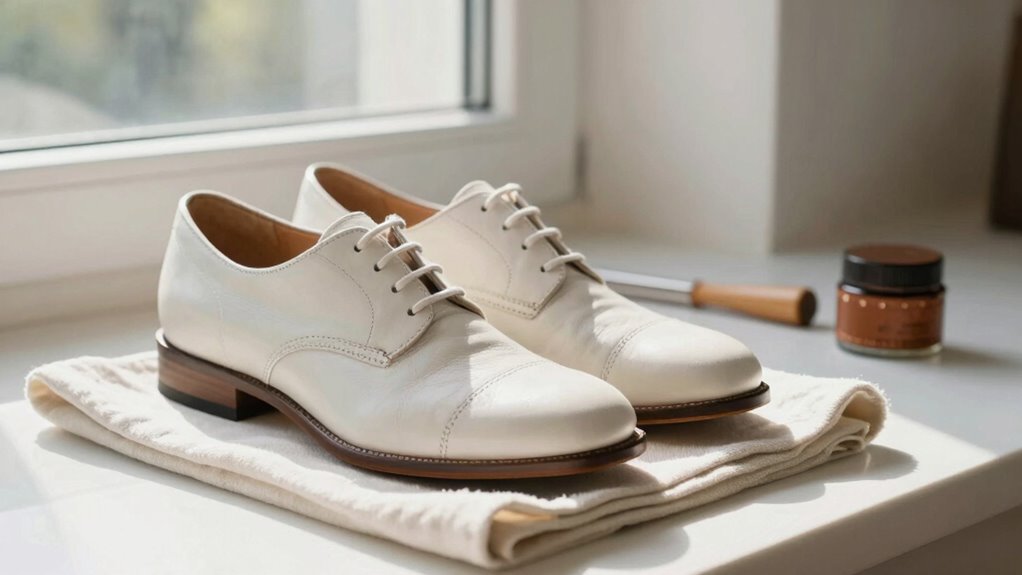
Is the idea that a firearm must be meticulously “broken in” before it performs reliably true? Probably not, and the same misconception often applies to new shoes. Many believe that shoes need to be painfully worn in over time, enduring blisters and discomfort, to reach their full comfort potential. But in reality, shoe comfort and material flexibility can often be achieved much quicker with the right approach. When you buy new shoes, your goal should be to enhance comfort without unnecessary pain or prolonged break-in periods.
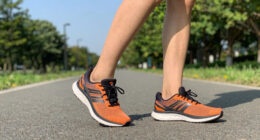
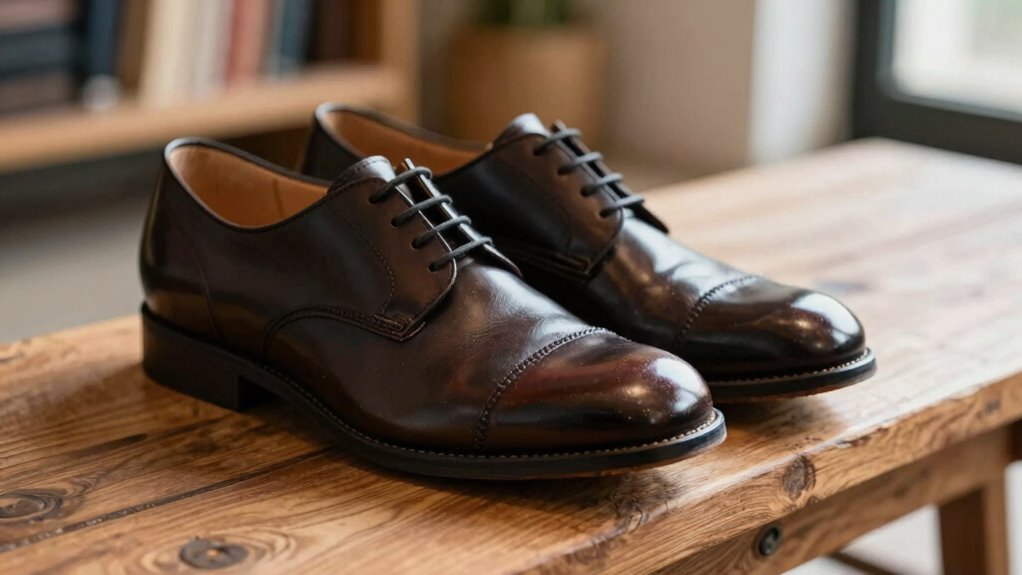
The myth of the long, painful break-in process leads many to think that shoes need to be worn for weeks before they feel good. However, most modern shoes are made with flexible, adaptable materials designed to mold to your feet more quickly. Leather shoes, for example, are often thought to require a lengthy break-in, but quality leather can be softened and shaped faster when you take proper steps—like wearing them for short periods initially, or using shoe stretchers. Synthetic materials and mesh uppers tend to be even more flexible out of the box, requiring less time to conform to your feet.
Instead of enduring discomfort, you can speed up the process by focusing on shoe comfort and material flexibility from the start. Wearing your new shoes gradually, rather than all day on day one, allows the materials to adjust without causing blisters or soreness. Applying a leather conditioner or stretching spray can also make stiff shoes more pliable, helping them mold comfortably to your feet quickly. Using padded insoles or heel grips can improve fit and comfort without waiting for the shoes to loosen naturally. Additionally, modern shoe manufacturing often incorporates flexible, adaptable materials, which significantly reduce the need for lengthy break-in periods.

Bickmore Bick 4 Leather Conditioner 8 oz – Cleaner & Conditioner – Restore Polish & Protect All Smooth Finished Leathers
- Established Leather Care Since 1882: Cleans, polishes, and protects all leather types
- Does Not Darken Leather: Restores shine without changing color
- Wax-Free Formula: Keeps leather breathable and residue-free
As an affiliate, we earn on qualifying purchases.
As an affiliate, we earn on qualifying purchases.
Frequently Asked Questions
How Long Should I Wear New Shoes Each Day During Break-In?
You should start by wearing your new shoes for about 1-2 hours each day during the break-in period. This allows your feet to adapt gradually, promoting proper shoe stretching and comfort. Increase wear time by 30-minute intervals daily, listening to any discomfort. Avoid overdoing it, as excessive wear can cause blisters or foot pain. Consistent, gradual use guarantees your shoes mold comfortably to your feet while minimizing risks.
Can Breaking in Shoes Cause Long-Term Foot Problems?
Breaking in shoes can cause long-term foot problems if you ignore proper precautions. Ill-fitting shoes may lead to foot deformities, arch support issues, and persistent pain. You risk worsening arch support and creating uncomfortable deformities if you force your feet into tight shoes or ignore pain. To prevent this, prioritize proper fitting, gradual wearing, and supportive insoles, ensuring your feet stay healthy and pain-free while breaking in new shoes.
Are There Specific Materials That Require Less Break-In Time?
Leather shoes with high flexibility usually require less break-in time because they adapt quickly to your foot. Synthetic materials, known for their durability, often need a shorter break-in period as they tend to be more pliable from the start. You’ll find that choosing shoes made from flexible leather or durable synthetics allows for quicker comfort, saving you time and reducing discomfort during the break-in process.
Is It Better to Wear New Shoes With Socks or Barefoot?
Wearing new shoes with socks is generally better for sock comfort and preventing blisters. Studies show that 80% of shoe discomfort comes from friction, which socks help reduce. If you want barefoot flexibility, try breaking them in gradually, but socks still provide a protective barrier. For most, starting with socks offers the perfect balance of comfort and flexibility, ensuring your shoes fit perfectly without unnecessary discomfort.
What Are the Signs That Shoes Are Too Tight During Break-In?
If your shoes are too tight during break-in, you’ll notice heel slippage or toe pinching. Heel slippage indicates the shoes are loose, so they need more support, while toe pinching signals they’re too tight, causing discomfort. Pay attention to these signs and modify your fit accordingly. Don’t ignore discomfort, as it can lead to blisters or long-term foot problems. Proper fit ensures comfort and prevents issues during the break-in process.
Conclusion
Don’t let the myth hold you back. Break in your shoes gently, comfortably, and confidently. Avoid shortcuts, rushes, and unnecessary discomfort. Instead, listen to your feet, treat your shoes with care, and enjoy the process. Because when you take your time, you prevent blisters, preserve comfort, and extend your shoes’ life. Embrace the right way, enjoy the journey, and walk confidently into every new step. Your feet—and your shoes—will thank you.