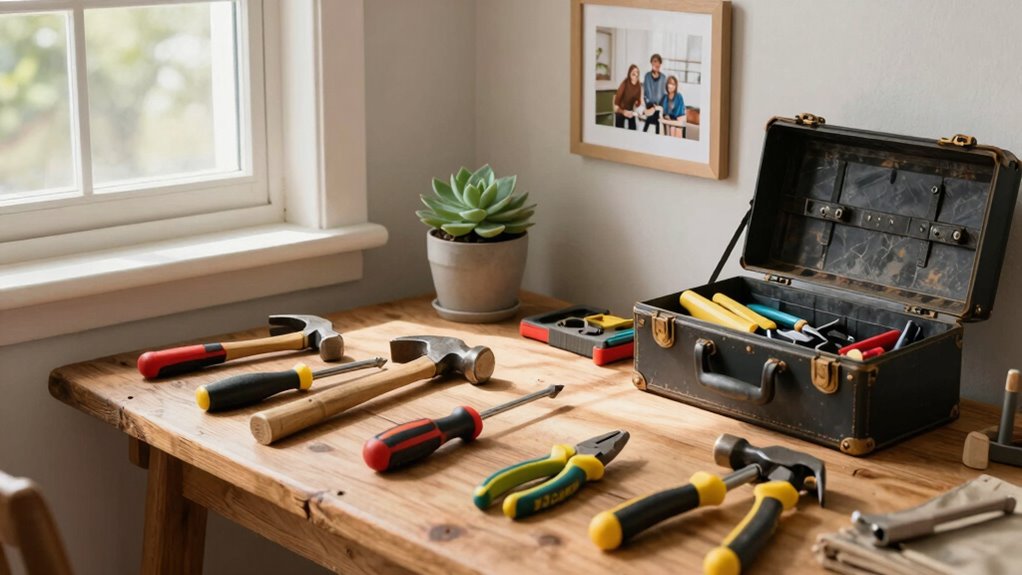

To set up a functional home recovery corner, keep your medications, bandages, and comfort items within easy reach. Organize them in labeled bins and position daily essentials right where you can access them. Clear pathways and arrange furniture for smooth movement. Enhance visibility with good lighting and personalize the space with photos or quotes to uplift your spirits. With these practical tips, you’ll create a supportive environment that speeds up recovery. There’s so much more to contemplate!

Get workout gear delivered free — and shop member deals
- Fast, free delivery on millions of items
- Access to Prime Big Deal Days deals on October 6–7
- Prime Video, Amazon Music and more included
Key Takeaways
- Organize recovery essentials in labeled bins for quick access to medications and comfort items.
- Arrange frequently used items at arm’s reach to minimize strain during recovery.
- Utilize vertical storage solutions to maximize space and keep the area clutter-free.
- Ensure clear pathways and furniture arrangement for easy mobility and access.
- Enhance the environment with personalized touches that promote positivity and comfort.
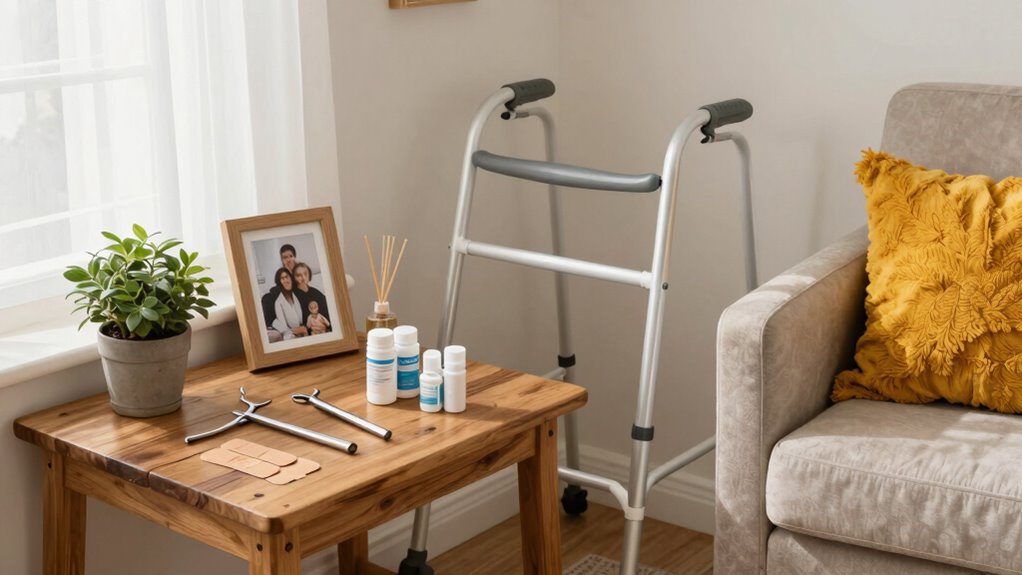
Setting up a Home Recovery Corner can markedly enhance your healing process, especially when you create a space tailored to your needs. This area should serve as a sanctuary where you can easily access everything you need to aid your recovery. By focusing on tool organization and space optimization, you’ll find it easier to navigate your healing journey.
First, think about what recovery essentials you’ll need at arm’s reach. Whether it’s medications, bandages, or comfort items like pillows and blankets, having these at your disposal can make a significant difference. You can use baskets or bins to keep these items organized. Labeling each container not only simplifies retrieval but also helps anyone assisting you understand where everything is. This kind of tool organization minimizes frustration and allows you to focus on getting better.
Next, consider the layout of your Home Recovery Corner. Space optimization is essential, especially if you’re working with limited room. Position your recovery essentials based on how frequently you’ll need them. For example, place daily medications within easy reach while keeping less frequently used items toward the back. This way, you won’t have to rummage through everything each time you need something. You can also utilize vertical space by installing shelves or wall-mounted organizers. This keeps the floor clear and maximizes your usable area. Incorporating space-saving solutions can further help in making the most of your available space. Additionally, using ergonomic furniture can enhance comfort and reduce strain during recovery.
Accessibility features are another important aspect to think about. If you’re using mobility aids, confirm that your Home Recovery Corner allows you to move around easily. Arrange furniture to create a clear pathway, and make sure all items are within reach, avoiding the need to stretch or strain. Incorporating home organization strategies can also contribute to creating a more functional and stress-free environment. A well-organized space can also reduce feelings of overwhelm during recovery.
Lighting also plays an essential role in your recovery space. A well-lit area can reduce strain on your eyes and make it easier to find what you need. Consider adding a small lamp or using natural light to brighten your corner. Incorporating home safety features can also help prevent accidents and make your recovery space safer and more comfortable. Using appropriate lighting can further improve visibility and create a calming atmosphere in your recovery zone.
Finally, don’t hesitate to personalize your space. Add photos, motivational quotes, or anything that brings you joy. A positive atmosphere can uplift your spirits, making your recovery process smoother. By thoughtfully combining tool organization, space optimization, and accessibility features, you’ll create a Home Recovery Corner that not only supports your healing but also brings you comfort and peace.
medication storage bins with labels
As an affiliate, we earn on qualifying purchases.
As an affiliate, we earn on qualifying purchases.
Frequently Asked Questions
What Types of Tools Are Best for Home Recovery Tasks?
For home recovery tasks, focus on versatile tools that simplify your process. Start with recovery essentials like resistance bands for strength training and stability balls for core exercises. A foam roller helps with muscle tension, while a first aid kit guarantees you’re prepared for minor injuries. When it comes to tool selection, prioritize items that promote mobility and comfort, allowing you to effectively manage your recovery while staying motivated and engaged.
How Can I Maintain My Tools for Longevity?
To maintain your tools for longevity, start with regular tool cleaning to remove dirt and debris. Implement rust prevention by storing them in a dry place and using protective coatings. Don’t forget proper lubrication; oil moving parts to keep them functioning smoothly. Finally, conduct routine tool inspection to catch any wear or damage early. These simple steps will guarantee your tools stay in great shape and serve you well for years.
Are There Specific Storage Solutions for Small Tools?
Ever wondered how to keep your small tools organized? You’ve got great options! Magnetic strips can save space and keep tools visible, making it easy to grab what you need. Alternatively, consider compact toolboxes that offer various compartments for neat storage. These solutions not only keep your tools handy but also protect them from damage. With the right setup, you’ll never have to dig through a cluttered drawer again!
How Often Should I Reorganize My Recovery Corner?
You should reorganize your recovery corner every few months or whenever you notice a drop in recovery efficiency. Regularly assess your tool arrangement to guarantee everything’s easily accessible and in the right place. If you find yourself struggling to locate tools or if new ones have been added, it’s time for a refresh. Keeping your corner organized helps you stay focused and makes your recovery process smoother and more effective.
What Safety Precautions Should I Consider When Using Tools?
When using tools, always prioritize tool safety to prevent injuries. Make sure you wear appropriate protective gear, like gloves and goggles. Keep your workspace tidy to avoid tripping hazards, and never use damaged tools. Familiarize yourself with each tool’s instructions and maintain a firm grip while working. If you feel tired or distracted, take a break. By being mindful of these precautions, you can greatly enhance injury prevention during your projects.
Conclusion
Incorporating a home recovery corner can transform your space into a sanctuary of support. By organizing tools and resources, you’re not just enhancing efficiency but also fostering a focused foundation for healing. Remember, a well-designed zone keeps you committed and comfortable on your recovery journey. So, set up your serene space, simplify your supplies, and savor the satisfaction of staying organized. With a little effort, you’ll create a cozy corner that champions your healing habits!
Fall Picks
fall essentials
As an affiliate, we earn on qualifying purchases.