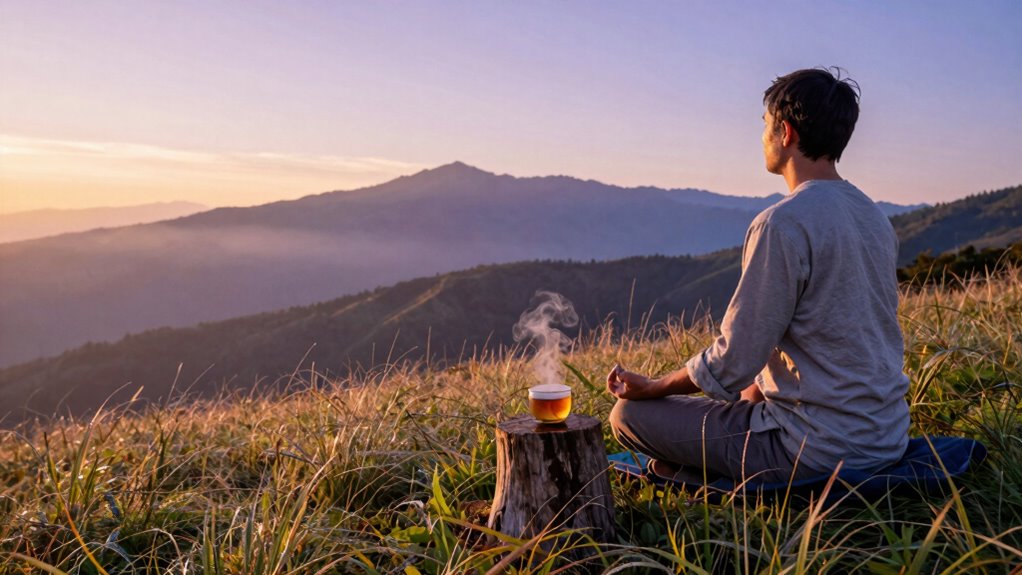

The recovery habit that beats every expensive device is mindful breathing. This simple practice clears your mind, lowers stress, and sets a positive tone for your day. With deep inhalations and slow exhalations, you create a sense of calm while enhancing your overall mental well-being. It’s an accessible tool that promotes recovery and self-awareness. Give it a try, and you might be surprised by its effectiveness. There’s more valuable insight waiting for you, so keep going!
Key Takeaways
- Mindful breathing reduces stress and enhances mental clarity, offering a free way to achieve calmness without expensive gadgets.
- Gratitude journaling fosters emotional resilience and a positive mindset, promoting well-being through simple daily reflections.
- Nature immersion boosts mood and mental clarity, providing restorative benefits that no device can replicate.
- A digital detox reconnects you with yourself and your surroundings, promoting mindfulness without the need for costly technology.
- Restorative practices like yoga and meditation prioritize recovery and relaxation, delivering profound benefits that surpass any pricey device.
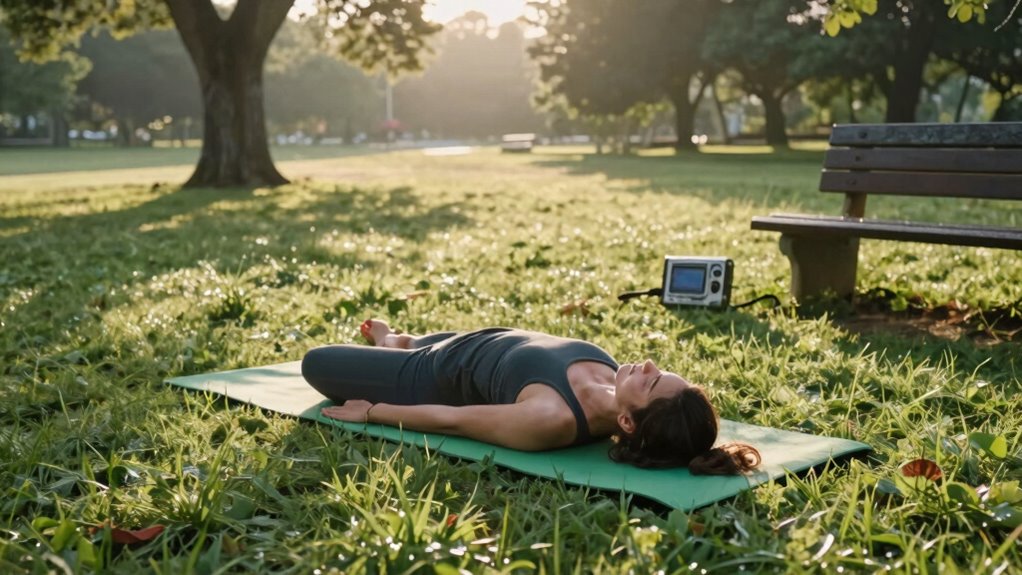
When you prioritize the recovery habit, you’re not just enhancing your physical health; you’re also nurturing your mental well-being. This isn’t about splurging on expensive devices or trendy gadgets. It’s about embracing simple, effective practices that ground you and help you recharge. By integrating mindful breathing, gratitude journaling, and more into your daily routine, you’ll find yourself feeling more balanced and rejuvenated.
Mindful breathing is a fantastic starting point. Taking a few moments each day to focus solely on your breath can clear your mind and lower stress. As you inhale deeply and exhale slowly, you create a sense of calm that sets the tone for your day. Pair this with gratitude journaling, where you jot down a few things you appreciate, and you’ll cultivate a positive mindset. This habit not only shifts your focus toward the good in your life but also encourages a greater sense of fulfillment.
Nature walks are another powerful tool in your recovery arsenal. Just stepping outside and immersing yourself in greenery can do wonders for your mental state. You’ll feel the fresh air invigorate you, while the sights and sounds of nature bring you peace. Plus, there’s something incredibly grounding about connecting with the environment. Incorporating nature immersion into your routine can significantly boost your mood and overall well-being. Engaging with nature can also promote sleep ergonomics, making it easier to relax and fall asleep peacefully. Spending time outdoors can also help regulate your circadian rhythm, improving your natural sleep cycle. Additionally, spending time in nature has been shown to reduce stress levels, supporting your overall recovery. Studies also suggest that consistent exposure to natural environments can enhance mental clarity**** and boost your resilience to daily stressors.
Consider a digital detox, too. In our hyper-connected world, taking breaks from screens can greatly improve your mental clarity and well-being. Dedicating time to unplug allows you to reconnect with yourself and the world around you.
Restorative yoga is another practice that can help you recover both physically and mentally. This gentle form of yoga focuses on deep stretching and relaxation, promoting a sense of serenity. It encourages you to listen to your body and gives you the space to unwind, making it a perfect addition to your recovery routine.
Incorporating a meditation practice into your day can also enhance your recovery habit. Even just a few minutes of focused mindfulness can bring clarity and reduce anxiety. Coupled with proper sleep hygiene, you’ll set yourself up for success. Prioritizing quality sleep guarantees your body has the time it needs to repair and rejuvenate. Developing consistent sleep rituals can further support sleep hygiene, helping you wake up refreshed and ready for the day.
mindful breathing meditation cushion
As an affiliate, we earn on qualifying purchases.
As an affiliate, we earn on qualifying purchases.
Frequently Asked Questions
How Long Does It Take to See Results From This Habit?
You can typically start seeing results from this habit within a few weeks, but the exact progress timeline varies. It depends on individual factors like your current fitness level, consistency, and how well you integrate the habit into your routine. Stay committed and be patient; everyone’s journey is unique. Regularly assess your progress to stay motivated, and remember that small changes can lead to significant improvements over time.
Can This Habit Be Done Anywhere?
Absolutely, you can practice this habit anywhere! Like a calming breeze on a hot day, breathing techniques and mindfulness practices can be done in your living room, at the park, or even while waiting in line. You don’t need fancy equipment or a specific space; just a moment of peace. Whenever you feel overwhelmed, take a few minutes to center yourself, and you’ll feel the benefits wash over you.
Is It Safe for All Fitness Levels?
Yes, it’s safe for all fitness levels! You can easily adjust the intensity based on your personal preferences. Just listen to your body and modify as needed. If you have any injury considerations, take extra care and consult with a professional if necessary. This practice promotes recovery and can help you build strength over time, making it accessible whether you’re a beginner or an experienced athlete. Enjoy the journey!
What Time of Day Is Best for Practicing This Habit?
The best time for practicing this habit really depends on your lifestyle. If you’re looking for morning motivation, try it right after you wake up to kickstart your day. On the other hand, if evening relaxation is more your style, doing it before bed can help you unwind. Listen to your body and choose the time that feels right, ensuring you stay consistent and reap the benefits.
Are There Any Specific Techniques to Enhance Effectiveness?
To really make the most of your practice, you can’t just go through the motions. Try incorporating breathing techniques to center yourself and enhance focus. Deep, rhythmic breaths help calm your mind and body. Additionally, use visualization exercises to picture your desired outcomes. See yourself succeeding in your goals; this mental imagery can boost motivation and effectiveness. By combining these techniques, you’ll elevate your practice to a whole new level.
Conclusion
In the end, don’t underestimate the power of a simple recovery habit. Think of it like watering a plant: just a little care each day makes all the difference. Studies show that consistent recovery routines can boost performance by up to 20%. So, instead of chasing the latest gadget, nurture your body with rest and mindfulness. Like a garden flourishing under your attention, your well-being will thrive, proving that the best tools are often the simplest ones.