
TL;DR

Get workout gear delivered free — and shop member deals
- Fast, free delivery on millions of items
- Access to Prime Big Deal Days deals on October 6–7
- Prime Video, Amazon Music and more included
Fitness tracker watches combine activity tracking with smartwatch features, but their sensors estimate steps, heart rate, sleep, and other measures rather than delivering medical certainty. Choose by your main activity, phone compatibility, GPS needs, comfort, battery life, privacy settings, and total cost, including any subscription.
Your new watch says you slept badly, but you woke up feeling fine. That mismatch is a useful reminder: fitness tracker watches make estimates, and those estimates work best as clues you can compare over time.
These watches combine activity tracking with smartwatch features, from step counts and workout records to phone notifications and, on some models, payments. Here’s how to sort useful features from impressive-sounding extras, understand the limits of the numbers, and pick a watch you’ll actually want to wear.
Pick features for your actual routine: built-in GPS helps when you exercise without your phone; connected GPS may work if you carry it.
Treat heart rate, sleep, and calorie figures as estimates, not medical findings.
Try the fit and charging routine you expect to use, especially if you want to wear the watch overnight.
Check phone compatibility, location and health data controls, subscription fees, and accessory costs before buying.
Use your watch to follow patterns and support habits, not to judge every day by a single score.
What Fitness Tracker Watches Actually Do During Your Day
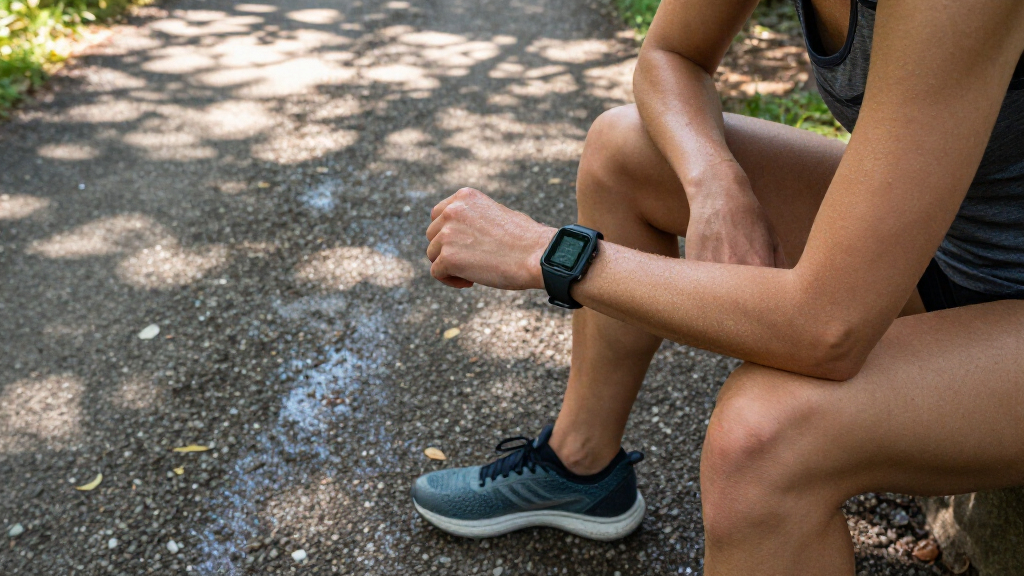
Fitness tracker watches record everyday movement and selected health-related measurements, then show them in a watch or phone app. Depending on the model, you may see steps, distance, heart rate, sleep estimates, workout records, or a GPS route. Some watches also add notifications, apps, and payments. These features turn the watch into both a record of activity and a way to interact with your phone, but each extra function can add setup, alerts, or battery use.
Think of the watch as a pocket notebook on your wrist: it can help you spot patterns, but it does not explain every reason behind them. A nurse finishing a long shift, for example, might use step totals to notice how much she moves at work, then start a short evening walk on quieter days. The count can make an otherwise invisible routine easier to see; it cannot tell her whether she feels rested or whether that activity is enough for her goals.
Simple bands tend to focus on activity and battery life, while full-featured smartwatches add more ways to interact with your phone. Many models sit between those ends, so the labels “tracker” and “smartwatch” do not always tell you exactly what you’re buying. More features can be useful if they replace something you already do on your phone, but they may also mean more frequent charging and more decisions about which alerts to keep.
Some devices offer ECG readings, blood oxygen estimates, skin-temperature trends, or irregular-heart-rhythm notifications. Availability depends on the model, software, intended use, and region; a notification is not a diagnosis, and a normal result cannot rule out a health problem. Treat these as limited signals that may prompt a conversation with a health professional, rather than as a complete picture of your health.
Which Watch Features Matter for Your Kind of Exercise?
Fitness tracker watches earn their keep when their features match the exercise you actually do. For a daily walk, step count and comfort may matter more than advanced training analysis; for a phone-free run, built-in GPS can record your route without your phone in your pocket. The practical difference is whether a feature removes a friction point from your routine: route recording is less useful if you always carry your phone, while a comfortable fit matters every time you wear the watch.
Picture two Saturday runners: Maya always carries her phone for music, while Dan likes to leave his phone at home. Maya could use connected GPS, which relies on a nearby phone; Dan should look for built-in GPS. Connected GPS can avoid paying for hardware you do not need, but it ties route recording to bringing a charged phone. Built-in GPS gives Dan more freedom, while its use during workouts can shorten battery life and may raise the watch’s price.
Before you compare long feature lists, write down your main activity and a couple of things you want your watch to handle. That small step can keep a glossy display or an unfamiliar sensor from crowding out the features you will use. It also makes tradeoffs clearer: a swimmer may prioritize water guidance and secure fit, while a strength-training beginner may care more about simple workout recording than detailed pace data.
- Choose your main activity. Walking, lifting, cycling, swimming, and running call for different workout modes and practical details. A mode is valuable when it captures information you will review; otherwise, a simpler general workout record may be enough.
- Decide whether you need GPS without a phone. Check whether the watch has built-in GPS or uses your phone’s connection. Consider not just whether you can carry a phone, but whether you want to carry it on every outing.
- Check your phone and apps. Confirm the operating-system requirements and whether health data syncs with the apps you already use. Compatibility affects everyday convenience: a watch that cannot share the records you rely on may leave you checking multiple places.
- Try the fit and check the full price. Look at weight, band material, charging habits, and any subscription fees for extra coaching or reports. A feature that requires an ongoing fee belongs in the cost comparison, especially if the basic watch already meets your needs.
For example, a cyclist who keeps a phone in a handlebar bag may not need independent GPS. Someone who wants hands-free route recording on a trail may value it every weekend. In each case, the better choice is the one whose convenience is worth its cost and battery tradeoff in the routine the person actually has.
How Accurate Are the Numbers on Your Wrist?
Fitness tracker watches are useful for following broad trends, but their readings are estimates affected by fit, movement, skin contact, and the activity itself. A snug fit can help the sensor stay against your wrist; a loose, sliding band can make readings less consistent. This matters because a changing number may reflect a change in sensor contact rather than a meaningful change in your body, so comparing readings is most useful when you wear the watch in a similar way.
Heart-rate readings often work better during steady movement than during sudden, intense intervals. If you sprint for 30 seconds, for instance, the watch may take time to reflect the change. Calorie totals and sleep stages can be especially uncertain, so treat them as rough guides rather than precise scores. A calorie estimate can still help compare similar workouts on the same device, but it is a poor basis for deciding exactly how much to eat or whether one session “counts” more than another.
Research and expert guidance often distinguish a useful signal from a clinical measurement: a watch can help you notice that your resting heart rate usually sits in one range, but it cannot tell you what caused a change. If a reading worries you or you feel unwell, contact a health professional instead of relying on an app notification. The trend can give you a concrete observation to share, while symptoms and clinical assessment provide context the watch cannot supply.
Use the watch to ask better questions about your habits. Don’t use a single score to diagnose a health problem or dismiss symptoms.
For example, a gradual rise in your usual walking pace may show that your daily routine is changing. One unusually low sleep score after a restless night tells you much less on its own. Looking across several weeks can help separate a recurring pattern from an isolated reading, though even a consistent pattern does not establish its cause.
What Battery, Comfort, and Water Ratings Mean in Real Life
The best watch is one you can wear and charge without turning either job into a chore. Basic trackers may last several days or longer, while feature-rich watches often need charging more often; GPS, an always-on screen, and frequent measurements can drain power faster. Battery life is part of the feature tradeoff: a bright screen or detailed workout recording may be useful, but it can make the watch unavailable when you want to track sleep or a long outing.
Imagine you want overnight sleep estimates but your watch needs charging every night. The feature list may look impressive, yet the routine will be awkward. A model with a simpler display or fewer always-on measurements might fit your habits better. Another option is to charge at a predictable time, such as while showering, if the watch recharges quickly enough; the important question is whether that routine leaves gaps in the data you care about.
Try to judge comfort across the whole day: check the weight, clasp, band material, and screen readability in bright light. If you want to wear the watch to bed, overnight comfort matters just as much as the feel of the band during a workout. A watch that feels fine for an hour may become irritating after a full day, and an uncomfortable watch is more likely to be left on a dresser, reducing the value of its tracking features.
Water resistance depends on the specific watch and its condition. A swim-friendly rating does not automatically make a watch suitable for diving, hot water, or high-pressure water. If you swim or shower with it, follow the manufacturer’s guidance for that model. This distinction helps avoid treating a rating as a general promise: water exposure the watch was not designed for can damage it, while a suitable rating still does not guarantee that every seal remains intact as the device ages.
Check Phone Compatibility, Privacy, and the Real Price
Before buying, confirm the watch works with your phone and that its companion app supports the features you want. Some functions depend on a particular phone brand, app, software version, or region, so check the specific model’s requirements rather than relying on a product category label. Compatibility shapes how useful the watch feels day to day: if notifications, syncing, or a favorite app do not work as expected, a feature-rich device may create extra steps instead of saving them.
Your watch may collect health and location information and store it in its companion app or a cloud service. Check what the company collects, whether it shares data, and what controls let you limit sharing or delete information. If you record a running route from home, for example, location privacy settings may matter as much as the route map. Reviewing those settings before tracking helps you decide which information you are comfortable storing and whether to change defaults you do not need.
The purchase price may not tell the whole story. Some watches include core tracking without a subscription; others charge for advanced analysis, coaching, or longer historical reports. Add replacement bands and accessories to your budget, too, before an introductory offer makes the price look lower than it will be later. A subscription is worthwhile only if the paid features answer questions you actually have; if you mainly want steps and workout records, paying for analysis you rarely open can make the total cost poor value.
Make Your Watch Useful Without Letting It Run Your Day
A fitness watch can support a routine when you use it to notice patterns, set small goals, and celebrate consistency. It can become a distraction if every move, meal, or night of sleep turns into a score you feel pressured to improve. The difference is how you use the information: a trend can help you adjust a routine, while treating every score as a target can make normal variation feel like failure.
Try one simple experiment: pick a single habit to track for two weeks, such as lunchtime walks. On Friday, look at the week as a whole rather than judging each day; a rainy Tuesday with fewer steps is one day, not a verdict on your effort. This review gives you a chance to ask whether the habit fits your schedule and what got in the way, which is more actionable than trying to compensate for one low count.
Start with reminders and workout records you find helpful, then turn off alerts that interrupt conversations or make movement feel like a chore. A quiet wrist can be more useful than a buzzing one. Keeping only the prompts that lead to an action you value makes the watch easier to live with and less likely to compete for your attention.
- Track one useful habit before adding more measurements.
- Compare patterns over time instead of treating every daily score as exact.
- Keep alerts selective so the watch supports your routine without taking it over.
Frequently Asked Questions
Are fitness tracker watches accurate?
They can help you follow trends, but accuracy varies by measurement, fit, movement, and model. Heart-rate readings may lag during sudden effort, while calorie and sleep estimates deserve extra caution.
Do I need built-in GPS?
You need built-in GPS if you want to record outdoor routes without carrying your phone. If your phone usually comes along, a watch that uses connected GPS may be enough.
Can I sleep or swim with a fitness watch?
You can wear many watches overnight, but comfort and charging frequency may affect whether you want to. Swimming depends on the specific model’s water-resistance rating and manufacturer guidance; that rating does not mean it is safe for every water activity.
Can a fitness watch diagnose a health problem?
No. Some models provide specific readings or notifications, but those are not a diagnosis and a normal result does not rule out a problem. Ask a health professional about symptoms or readings that concern you.
Conclusion
Choose a watch that fits your phone, your favorite activity, and your everyday habits. Then use its numbers as a trail of clues, not a grade stamped on your wrist.
Fall Picks
fall essentials
As an affiliate, we earn on qualifying purchases.