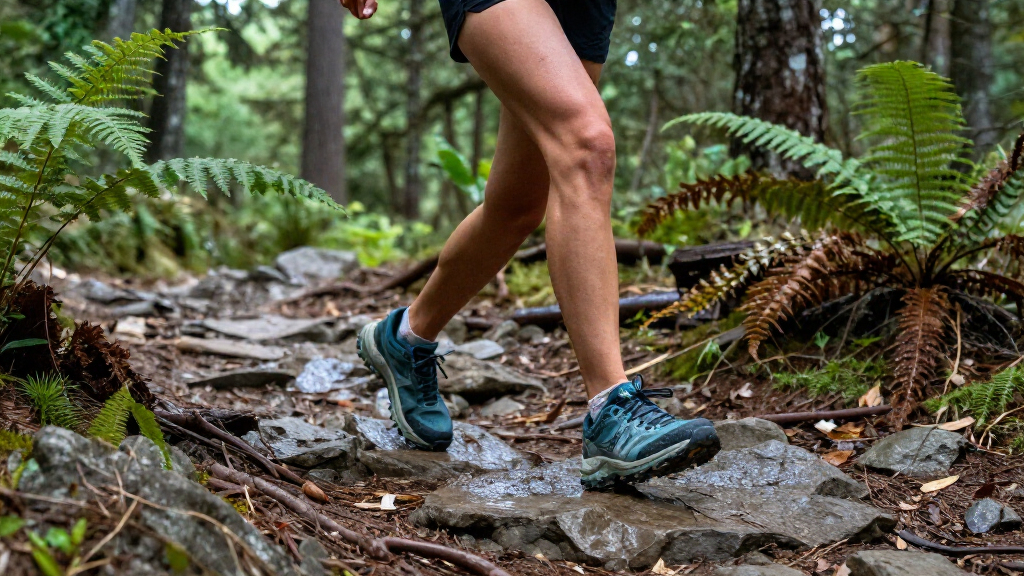

For a versatile starting point, I’d choose the Brooks Cascadia 19 as the best overall women’s running shoe for trail running, while the Brooks Caldera 8 stands out for long, cushioned days and the Altra Lone Peak 8 for a roomy toe box and zero-drop feel. The right choice depends on the terrain and fit you need: deeper, more protective designs can feel like too much on smooth paths, while lighter road-to-trail shoes may offer less security on rough ground. Waterproofing can help in wet conditions but may feel warm and hold moisture after water gets inside. Read on for the full breakdown of 14 options, including value picks and shoes for specific preferences.

Get workout gear delivered free with Prime
- Fast, free delivery on millions of items
- Prime Video, Amazon Music and more included
- Member-only deals all year
Complete the kit


Key Takeaways
- The Brooks Cascadia 19 is the most balanced pick: it suits buyers who want a trail-focused option without choosing a highly specialized minimalist or ultra-cushioned design.
- Cushioning separates the Brooks Caldera 8 from the leaner picks: its focus on comfort over long outings makes more sense for extended trail time than for runners seeking a nimble, close-to-ground feel.
- Fit preference can outweigh brand or cushioning: the Altra Lone Peak 8 pairs a wide toe box with zero drop, a distinct feel that may suit some runners and require an adjustment for others.
- Road-to-trail models trade ruggedness for versatility: the Merrell Morphlite is a better match for mixed surfaces than a shoe chosen chiefly for rough, technical trails.
- Waterproofing and minimalism are specialized choices: the Terrex Soulstride RAIN.RDY and SAGUARO barefoot-style shoe address different needs, but neither is the obvious default for every trail runner.
| Saucony Women’s Versafoam Excursion TR13 Trail Running Shoe |  | Best Value for Straightforward Trail Runs | Cushioning: VERSAFOAM | Outsole: Rubber with triangular lugs | Upper: Knit mesh with supportive overlays | VIEW LATEST PRICE | See Our Full Breakdown |
| Merrell Women’s Morphlite Road-to-Trail Running Shoes |  | Best for Mixed Road-and-Trail Routes | Midsole: FloatPro Foam | Outsole: Merrell sticky rubber with custom lug pattern | Upper: Jacquard synthetic | VIEW LATEST PRICE | See Our Full Breakdown |
| Brooks Women’s Cascadia 19 Mountain Trail Running Shoe |  | Best for Rugged, Variable Terrain | Cushioning: DNA LOFT v3 | Stability system: Trail Adapt System | Underfoot protection: Flexible, articulated Ballistic Rock Shield | VIEW LATEST PRICE | See Our Full Breakdown |
| NORTIV 8 Women’s Slip-On Trail Running and Hiking Shoes |  | Best Slip-On for Easy Access | Closure: Pull-on | Midsole: EVA with 57% rebound | Outsole: EVA and rubber | VIEW LATEST PRICE | See Our Full Breakdown |
| SAGUARO Women’s Barefoot Minimalist Trail Runner Shoes – Wide Toe Box, Zero Drop |  | Best Minimalist Pick for Natural Foot Movement | Upper: Spandex | Outsole: Rubber | Toe box: Wide | VIEW LATEST PRICE | See Our Full Breakdown |
| New Balance Women’s Dynasoft Nitrel V6 Trail Running Shoes |  | Best for Road-to-Trail Versatility | Midsole: DynaSoft | Outsole: AT Tread | Sole material: Rubber | VIEW LATEST PRICE | See Our Full Breakdown |
| Altra Women’s Lone Peak 8 Trail Running Shoe |  | Best for a Roomy Toe Box | Fit: FootShape fit with roomy toe box | Underfoot protection: StoneGuard | Gaiter attachment: GaiterTrap hook-and-loop tab | VIEW LATEST PRICE | See Our Full Breakdown |
| Brooks Women’s Caldera 8 Ultra Trail Running Shoe |  | Best for Plush Long-Distance Cushioning | Cushioning: Nitrogen-infused DNA Loft v3 | Upper: Breathable air mesh | Stability features: Raised sidewalls and widened base | VIEW LATEST PRICE | See Our Full Breakdown |
| Saucony Excursion TR14 Women’s Trail Running Shoes |  | Best for a More Structured Trail Fit | Category: Trail running | Offset: 8 mm (23/31) | Weight: 8.8 oz | VIEW LATEST PRICE | See Our Full Breakdown |
| adidas Women’s Terrex Soulstride RAIN.RDY Trail Running Shoes |  | Best for Multidirectional Trail Grip | Upper: Breathable mesh | Midsole: EVA | Outsole: Traxion with multidirectional lugs | VIEW LATEST PRICE | See Our Full Breakdown |
| ASICS Women’s GEL-VENTURE 11 Trail Running Shoes |  | Best for Cushioned Everyday Trail Runs | Silhouette: Low-top | Upper: Synthetic fiber mesh | Midsole cushioning: AMPLIFOAM PLUS | VIEW LATEST PRICE | See Our Full Breakdown |
| New Balance Women’s Fresh Foam 410v9 Trail Running Shoes |  | Best for Road-to-Trail Versatility | Model: Fresh Foam 410v9 | Gender: Women’s | Upper: Mesh with no-sew overlays | VIEW LATEST PRICE | See Our Full Breakdown |
| NORTIV 8 Women’s Breathable Trail Running Shoes |  | Best for Added Trail Protection | Upper: Mesh and TPU | Inner material: Textile | Midsole: Flexible EVA | VIEW LATEST PRICE | See Our Full Breakdown |
| FENLERN Women’s Waterproof Trail Running Shoes |  | Best for Wet-Weather Versatility | Water resistance: Waterproof | Upper: Mesh with abrasion-resistant overlays | Closure: Lace-up | VIEW LATEST PRICE | See Our Full Breakdown |
| women’s running shoes for trail running | Upper | Outsole | Sole material | Origin |
|---|---|---|---|---|
| Saucony Women’s Versafoam Excu | Knit mesh with supportive overlays | Rubber with triangular lugs | — | Imported |
| Merrell Women’s Morphlite Road | Jacquard synthetic | Merrell sticky rubber with custom lug pattern | — | Imported |
| Brooks Women’s Cascadia 19 Mou | Breathable, quick-drying air mesh with 3D print overlays | TrailTack Green rubber with 25% recycled content | — | — |
| NORTIV 8 Women’s Slip-On Trail | Jacquard mesh | EVA and rubber | — | — |
| SAGUARO Women’s Barefoot Minim | Spandex | Rubber | — | Imported |
| New Balance Women’s Dynasoft N | — | AT Tread | Rubber | Imported |
| Altra Women’s Lone Peak 8 Trai | — | — | Rubber | Imported |
| Brooks Women’s Caldera 8 Ultra | Breathable air mesh | — | Rubber | — |
| Saucony Excursion TR14 Women’s | Mesh | — | Rubber | — |
| adidas Women’s Terrex Soulstri | Breathable mesh | Traxion with multidirectional lugs | Rubber | Imported |
| ASICS Women’s GEL-VENTURE 11 T | Synthetic fiber mesh | Molded rubber | — | — |
| New Balance Women’s Fresh Foam | Mesh with no-sew overlays | AT Tread | Rubber | Imported |
| NORTIV 8 Women’s Breathable Tr | Mesh and TPU | Rubber with 4 mm traction lugs | EVA and rubber | — |
| FENLERN Women’s Waterproof Tra | Mesh with abrasion-resistant overlays | Multi-directional rubber | TPR and MD | — |
More Details on Our Top Picks
Saucony Women’s Versafoam Excursion TR13 Trail Running Shoe
The Excursion TR13 is a practical pick for runners who want basic trail-specific grip and cushioning without a more elaborate stability system. Its VERSAFOAM cushioning adds comfort underfoot, while the triangular-lug rubber outsole is designed to bite into trail surfaces. Supportive overlays help hold the foot in place, and the mesh upper adds a layer of protection from debris. Compared with the more technical Brooks Cascadia 19, this Saucony has fewer documented features for adapting to rugged terrain, so I would favor it for familiar routes and moderate trail conditions rather than demanding, variable ground. Its listed mid-top shaft may also feel less like a conventional low-cut running shoe. The tradeoff is a simpler package: useful fundamentals, but no stated quick-drying upper or advanced stability system.
Pros:- VERSAFOAM cushioning adds comfort for everyday trail runs.
- Triangular-lug rubber outsole is designed for trail traction.
- Supportive overlays help secure the foot.
- Mesh upper helps shield feet from trail debris.
Cons:- No advanced stability system is specified for uneven, technical terrain.
- No quick-drying or wet-condition outsole details are provided.
- Listed mid-top shaft may feel less familiar to runners who prefer low-cut trail shoes.
Best for: Trail runners seeking cushioned comfort, lugged traction, and foot-holding overlays for regular runs on familiar, moderate trails.
Not ideal for: Runners tackling rugged or frequently wet routes who want an explicitly adaptive stability system and a quick-drying protective upper.
- Cushioning:VERSAFOAM
- Outsole:Rubber with triangular lugs
- Upper:Knit mesh with supportive overlays
- Shaft height:Mid-top
- Origin:Imported
- Predecessor:Excursion TR12
Our verdict“Choose the Excursion TR13 for straightforward trail runs where dependable cushioning and lugged grip matter more than technical-terrain features.”
Merrell Women’s Morphlite Road-to-Trail Running Shoes
The Morphlite suits runners whose routes move between pavement and packed trails, where a shoe built for one surface can feel like a compromise on the other. Its custom lug pattern is designed to retain a road-running feel while adding trail traction, and lightweight FloatPro Foam cushioning keeps the setup focused on easy movement. An internal bootie aims to hold the foot securely, while the sticky rubber outsole supplies grip. Compared with the more trail-focused Brooks Cascadia 19, the Merrell is the more natural fit for mixed-surface outings, but it has fewer stated protections and stability features for rough ground. The tradeoff is a less specialized trail package: the product details do not specify a rock plate, reinforced toe cap, or fit guidance, so I would not choose it for highly technical routes.
Pros:- Road-to-trail design suits routes that alternate between pavement and trails.
- Lightweight FloatPro Foam cushioning supports a less cumbersome feel.
- Custom lug pattern balances road use with added trail traction.
- Recycled breathable mesh lining encourages airflow.
Cons:- No reinforced toe cap or rock-protection feature is specified.
- Less purpose-built for rugged terrain than the Brooks Cascadia 19.
- Product details provide no specific fit or sizing guidance.
Best for: Runners who start on roads, run through parks or packed paths, and want one lightweight shoe for both surfaces.
Not ideal for: Trail runners who regularly face rocky, rugged routes or need stated toe protection, adaptive stability, or detailed sizing guidance.
- Midsole:FloatPro Foam
- Outsole:Merrell sticky rubber with custom lug pattern
- Upper:Jacquard synthetic
- Fit feature:Internal bootie for a locked-in fit
- Lining:100% recycled breathable mesh
- Shaft height:Ankle
- Origin:Imported
Our verdict“Pick the Morphlite if your runs combine pavement and firm trails, but choose a more protective model for rough, technical ground.”
Brooks Women’s Cascadia 19 Mountain Trail Running Shoe
For runners who need a more protective, terrain-ready setup, the Cascadia 19 brings together responsive DNA LOFT v3 cushioning and the Trail Adapt System, which is designed to support stability across uneven ground. Its TrailTack Green rubber outsole is specified for wet and dry conditions, giving it a broader trail focus than the mixed-surface Merrell Morphlite. A flexible, articulated Ballistic Rock Shield, reinforced toe cap, and mudguard add protection where loose or rough terrain can be hard on feet and uppers. The breathable, quick-drying mesh is another practical advantage when conditions change. The tradeoff is that its more protective, stability-oriented construction may be more than runners need for pavement-heavy routes or smooth paths. Its recycled-content outsole and carbon-neutral certification may also appeal to buyers weighing environmental attributes alongside trail performance.
Pros:- Trail Adapt System is designed to support stability on rugged terrain.
- TrailTack Green outsole is specified for wet and dry traction.
- Ballistic Rock Shield, reinforced toe cap, and mudguard add trail protection.
- Quick-drying mesh upper and 25% recycled-content outsole.
Cons:- Its trail-focused protection may be unnecessary for pavement-heavy routes.
- More specialized than the Merrell Morphlite for runners who prioritize road-to-trail versatility.
Best for: Runners who regularly cover uneven or rugged trails and want specified stability, underfoot protection, and grip for both wet and dry conditions.
Not ideal for: Road-to-trail runners mostly on pavement or smooth paths who would rather have a simpler shoe without a trail-focused stability and protection setup.
- Cushioning:DNA LOFT v3
- Stability system:Trail Adapt System
- Underfoot protection:Flexible, articulated Ballistic Rock Shield
- Outsole:TrailTack Green rubber with 25% recycled content
- Upper:Breathable, quick-drying air mesh with 3D print overlays
- Protection:Reinforced toe cap and mudguard
- Certification:Carbon neutral
- Shaft height:Ankle
Our verdict“Choose the Cascadia 19 for rough, changing trails where stability, grip, and protective construction matter more than road versatility.”
NORTIV 8 Women’s Slip-On Trail Running and Hiking Shoes
The NORTIV 8 stands apart for its pull-on design, which makes it convenient for runners and hikers who value easy on-and-off more than precise lace adjustment. Its EVA midsole is described as responsive and supportive, while the 8 mm drop and arch support give it a more structured feel than the SAGUARO barefoot minimalist trail runners. A breathable jacquard mesh upper, moisture-wicking perforated EVA insole, and 3.5 mm lugs round out the practical comfort package. Those lugs are a stated grip detail, though the product information does not describe the outsole’s performance across particular terrain conditions. The main tradeoff is fit control: unlike a lace-up such as the Brooks Cascadia 19, this shoe offers less opportunity to fine-tune how securely it holds the foot. That makes it a better match for accessible paths and casual outings than technical running.
Pros:- Pull-on closure makes the shoes easy to put on and remove.
- EVA midsole is specified with 57% rebound and arch support.
- Breathable jacquard mesh upper and moisture-wicking perforated insole.
- 3.5 mm lugs provide a defined tread depth.
Cons:- Slip-on closure offers less fit adjustability than a lace-up shoe.
- Product details do not identify specific wet-weather or technical-terrain grip performance.
- The 8 mm drop and arch support will not suit runners seeking a minimalist, zero-drop design.
Best for: Runners and hikers who prioritize quick pull-on access, arch support, and cushioning for casual outings on accessible trails.
Not ideal for: Technical-trail runners who need adjustable lockdown, or minimalist-shoe fans seeking a zero-drop feel and a wide toe box.
- Closure:Pull-on
- Midsole:EVA with 57% rebound
- Outsole:EVA and rubber
- Lug depth:3.5 mm
- Heel-to-toe drop:8 mm
- Upper:Jacquard mesh
- Insole:Perforated EVA
- Weight:9.98 oz (US size 6)
Our verdict“Choose this NORTIV 8 for easy-on comfort and supportive casual trail outings, not for terrain that calls for a finely adjustable fit.”
SAGUARO Women’s Barefoot Minimalist Trail Runner Shoes – Wide Toe Box, Zero Drop
The SAGUARO barefoot trail runners take a different approach from cushioned options such as the Saucony Excursion TR13: their wide toe box and zero-drop sole are intended to leave more room for natural foot movement, rather than adding a structured, cushioned ride. A breathable spandex upper keeps the design lightweight, and the rubber outsole offers a trail-ready base. The shoes also fold for easier packing, making them a flexible choice for travel, cross-training, and other activities beyond running. That minimal construction is also the key compromise. With limited cushioning and no stated arch support, they may be uncomfortable over long distances, on hard surfaces, or for runners accustomed to more underfoot protection. I would treat them as a deliberate minimalist choice, not as a direct substitute for a conventional trail-running shoe.
Pros:- Wide toe box allows room for toe splay.
- Zero-drop sole suits runners seeking a more natural gait.
- Breathable spandex upper keeps the design lightweight.
- Foldable construction is convenient for packing and travel.
Cons:- Minimal cushioning may feel uncomfortable on long runs or hard surfaces.
- No arch support is specified for runners who need additional support.
- Less protective and structured than the Saucony Excursion TR13.
Best for: Experienced minimalist-shoe wearers who want a wide toe box, zero-drop construction, and a lightweight option for short trail runs and cross-training.
Not ideal for: Runners who need substantial cushioning or arch support, or those planning long runs over hard or rocky surfaces.
- Upper:Spandex
- Outsole:Rubber
- Toe box:Wide
- Heel-to-toe drop:Zero drop
- Foldable:Yes
- Origin:Imported
Our verdict“Choose the SAGUARO if you already prefer minimalist footwear and want a packable, wide-toe-box option, but skip it if you need cushioning or arch support.”
New Balance Women’s Dynasoft Nitrel V6 Trail Running Shoes
The DynaSoft Nitrel V6 is a practical choice for runners who split their miles between pavement and nontechnical trails. Its AT Tread outsole is designed for both surfaces, giving it broader everyday usefulness than the more trail-focused Saucony Excursion TR14. The responsive DynaSoft midsole and EVA foam insert add cushioning for mixed-surface runs, while the no-sew overlays avoid bulky seams and add support. The tradeoff is that its versatile tread is not described as especially aggressive, so runners tackling steep, muddy, or very rocky routes may want a more specialized shoe. The drop is listed as approximately 6 mm, rather than a precise figure; runners who choose shoes around a specific heel-to-toe drop should factor in that uncertainty.
Pros:- AT Tread outsole is suited to both on-road and off-road surfaces
- Responsive DynaSoft midsole offers cushioned comfort
- EVA foam insert adds plushness underfoot
- No-sew overlays add durability without bulky seams
Cons:- Versatile tread may be less suited to demanding muddy or technical trails
- Approximate 6 mm drop may be a concern for runners who need a precise drop measurement
Best for: Runners who alternate between paved paths, park trails, and moderate off-road routes and want one shoe for those surfaces.
Not ideal for: Runners who need aggressive traction for steep or muddy terrain, or who require a precisely specified heel-to-toe drop.
- Midsole:DynaSoft
- Outsole:AT Tread
- Sole material:Rubber
- Overlays:No-sew
- Insert:EVA foam
- Approximate drop:6 mm
- Origin:Imported
Our verdict“Choose the Nitrel V6 for cushioned runs across pavement and moderate trails, but pick a more specialized shoe for rugged terrain.”
Altra Women’s Lone Peak 8 Trail Running Shoe
The Lone Peak 8 stands apart for its FootShape fit, which leaves more room for toes to spread than the product details indicate for the Brooks Caldera 8 or Saucony Excursion TR14. That shape may suit runners who find conventional trail shoes cramped, while the StoneGuard adds a layer between the foot and rough ground. A GaiterTrap tab also makes strapless gaiter attachment straightforward for routes where grit and debris are a nuisance. The available details do not specify cushioning level, drop, or outsole-lug depth, so I would not choose it based on assumptions about those traits. Its roomy fit is a clear advantage for some feet, but runners who prefer a close, narrow hold may find the extra space less secure.
Pros:- FootShape fit provides a roomy toe box and space through the midfoot
- StoneGuard helps shield the foot from rocks and debris
- GaiterTrap tab supports strapless gaiter attachment
- Ripstop mesh outer material
Cons:- Roomy fit may feel less secure to runners who prefer a close-fitting shoe
- Available product details do not specify drop, cushioning, or lug depth
Best for: Trail runners who want room for their toes to move and value underfoot protection on rocky or debris-strewn routes.
Not ideal for: Runners who prefer a snug, narrow fit or need published details about cushioning, drop, and lug depth before choosing.
- Fit:FootShape fit with roomy toe box
- Underfoot protection:StoneGuard
- Gaiter attachment:GaiterTrap hook-and-loop tab
- Outer material:Ripstop mesh
- Inner material:Polyester
- Sole material:Rubber
- Origin:Imported
Our verdict“Pick the Lone Peak 8 if toe room and a protective layer underfoot matter more than a snug fit or fully specified ride details.”
Brooks Women’s Caldera 8 Ultra Trail Running Shoe
For long trail outings where cushioning is the priority, the Caldera 8 offers a more protective, high-stack feel than the lower-profile character suggested by the Saucony Excursion TR14’s listed specs. Its nitrogen-infused DNA Loft v3 cushioning is paired with raised sidewalls and a widened base, a combination aimed at comfort and support as the ground gets uneven. The breathable, durable upper may also help manage moisture while resisting trail scuffs and snags. This substantial build has a clear tradeoff: runners who want close ground feel or a lighter, more agile sensation may prefer a different option. It is also described as a trail-running design, so it is less suited to someone seeking a single shoe for frequent road use.
Pros:- Nitrogen-infused DNA Loft v3 cushioning is designed for plush long-distance comfort
- Raised sidewalls and a widened base support stability on uneven terrain
- Breathable upper helps manage moisture
- Durable materials are described as resisting trail scratches and snags
Cons:- High-stack cushioning may feel too removed from the ground for some runners
- Trail-specific design may be less versatile for regular road running
Best for: Runners planning long trail sessions who prefer generous cushioning and a broad, supportive platform on uneven ground.
Not ideal for: Runners who favor low-profile ground feel, or who want a trail shoe that also serves as their regular road-running pair.
- Cushioning:Nitrogen-infused DNA Loft v3
- Upper:Breathable air mesh
- Stability features:Raised sidewalls and widened base
- Flex features:Flex grooves
- Sole material:Rubber
- Outer material:Nylon
- Certification:Carbon neutral
- Predecessor:Caldera 7
Our verdict“Choose the Caldera 8 for cushioned, supported long trail miles, but skip it if you want a low-profile feel or broad road-and-trail use.”
Saucony Excursion TR14 Women’s Trail Running Shoes
The Excursion TR14 makes sense for runners who want a straightforward trail build with cushioning, defined lugs, and overlays that help hold the foot in place. Its 6 mm outsole lugs are a more clearly specified traction feature than the general-purpose AT Tread description on the New Balance DynaSoft Nitrel V6. VERSARUN cushioning is intended to absorb impact, while the mesh upper and supportive overlays are designed to keep trail debris out and the foot more secure. The listed 8 mm offset gives drop-conscious buyers a concrete figure, unlike the Nitrel V6’s approximate 6 mm. The tradeoff is its trail-focused design: runners who spend most of their time on pavement may prefer a more surface-flexible option.
Pros:- VERSARUN cushioning helps absorb impact
- 6 mm outsole lugs provide a defined trail-traction feature
- Supportive overlays help secure the foot for off-road running
- Trail-specific mesh is designed to help protect against debris
Cons:- Trail-focused construction may be less suited to frequent road running
- Listed 8 mm offset may not suit runners who prefer a lower drop
Best for: Runners seeking a trail-specific shoe with specified lug depth, impact-absorbing cushioning, and a more secure upper.
Not ideal for: Runners whose weekly miles are mostly on roads, or anyone looking for a shoe positioned equally for pavement and trails.
- Category:Trail running
- Offset:8 mm (23/31)
- Weight:8.8 oz
- Outsole lugs:6 mm
- Cushioning:VERSARUN
- Upper:Mesh
- Sole material:Rubber
- Women’s sizes:5–12
Our verdict“Choose the Excursion TR14 for a specified, trail-oriented setup and secure hold, but look elsewhere if road versatility is a priority.”
adidas Women’s Terrex Soulstride RAIN.RDY Trail Running Shoes
The Terrex Soulstride RAIN.RDY is the pick here for runners focused on grip across rugged terrain: its Traxion outsole with multidirectional lugs is more explicitly aimed at varied trail footing than the New Balance DynaSoft Nitrel V6’s on-and-off-road AT Tread. A lightweight mesh upper and EVA midsole keep the stated design focused on breathable, durable cushioning, while at least 20% recycled materials offer a defined materials detail for buyers who value that specification. The listing does not provide lug depth, cushioning stack, or specific waterproofing details, so the RAIN.RDY name alone should not substitute for information about protection in wet conditions. Its trail-oriented outsole may also feel less appropriate for runners who want one shoe mainly for pavement.
Pros:- Traxion outsole uses multidirectional lugs for rugged-terrain grip
- Breathable mesh upper
- EVA midsole provides lightweight, durable cushioning
- Made with at least 20% recycled materials
Cons:- Trail-oriented outsole may be less suitable for predominantly paved running
- Product details do not specify lug depth or cushioning stack
- RAIN.RDY naming is not accompanied by specific waterproofing details in the provided information
Best for: Trail runners who prioritize multidirectional outsole grip and want a mesh-upper shoe with a stated recycled-material component.
Not ideal for: Runners who mainly run on pavement or need confirmed details about waterproof protection, lug depth, or cushioning stack.
- Upper:Breathable mesh
- Midsole:EVA
- Outsole:Traxion with multidirectional lugs
- Sole material:Rubber
- Closure:Lace-up
- Recycled materials:At least 20%
- Origin:Imported
Our verdict“Choose the Terrex Soulstride RAIN.RDY for its trail-grip focus and stated recycled content, but seek clearer wet-weather specifications if water protection is a priority.”
ASICS Women’s GEL-VENTURE 11 Trail Running Shoes
The GEL-VENTURE 11 suits runners who want familiar cushioning for everyday routes rather than a highly specialized mountain shoe. Its AMPLIFOAM PLUS midsole and rearfoot GEL are designed to soften impact, while the mesh upper and moisture-managing sockliner support comfort over routine outings. Compared with the more traction-focused NORTIV 8 Women’s Breathable Trail Running Shoes, this ASICS pick emphasizes cushioning and a conventional low-top feel over specified lug depth and a reinforced toe cap. That makes it a sensible match for maintained paths, but the supplied details give less evidence of protection for rocky, technical terrain. The main fit caveat is clear: it runs large, so buyers may need to adjust sizing. Choose it for cushioned daily trail use, not for the most demanding or unpredictable ground.
Pros:- AMPLIFOAM PLUS and rearfoot GEL are designed to soften impact.
- Breathable mesh upper with no-sew details supports airflow and reduces potential irritation.
- OrthoLite Hybrid Max Lite sockliner adds cushioning and moisture management.
Cons:- Runs large, so finding the right size may take adjustment.
- No specific lug depth or toe protection is listed for rough, technical trails.
Best for: Women who run or walk on maintained trails and want cushioned everyday comfort from a familiar low-top design.
Not ideal for: Runners tackling rocky, technical routes who want specified deep lugs or a reinforced toe cap, and anyone who prefers a roomier fit without sizing adjustments.
- Silhouette:Low-top
- Upper:Synthetic fiber mesh
- Midsole cushioning:AMPLIFOAM PLUS
- Heel technology:Rearfoot GEL
- Sockliner:OrthoLite Hybrid Max Lite
- Outsole:Molded rubber
- Closure:Lace-up
- Fit note:Runs large
Our verdict“Choose the GEL-VENTURE 11 for cushioned runs on maintained trails, provided you account for its large-running fit.”
New Balance Women’s Fresh Foam 410v9 Trail Running Shoes
The Fresh Foam 410v9 is the most natural fit here for runners whose routes mix pavement, packed paths, and easier trail sections. Its AT Tread outsole is described for both paved paths and varied terrain, while the lightweight Fresh Foam midsole offers cushioning without making this a trail-only choice. Compared with the ASICS GEL-VENTURE 11, the New Balance has a clearer road-to-trail brief; ASICS, by contrast, specifies rearfoot GEL and a moisture-managing sockliner. The breathable mesh and no-sew overlays aim to keep the upper comfortable, though the supplied details do not specify lug depth, toe protection, or a fit note. That leaves less guidance for technical or rocky routes than the NORTIV 8 Women’s Breathable Trail Running Shoes, which lists 4 mm lugs and a TPU toe cap. Pick this for mixed, mostly moderate terrain.
Pros:- AT Tread outsole is designed for paved paths and varied terrain.
- Lightweight Fresh Foam midsole provides cushioning for mixed-surface outings.
- Breathable mesh upper supports airflow.
- No-sew overlays are intended to reduce irritation.
Cons:- No lug depth or specific technical-trail traction details are provided.
- No fit information is supplied to help buyers judge sizing or shape.
Best for: Women who run a mix of paved paths and moderate, nontechnical trails and want one lightweight shoe for both.
Not ideal for: Runners who regularly face rocky or highly technical trails and need clearly specified lug depth or added toe protection.
- Model:Fresh Foam 410v9
- Gender:Women’s
- Upper:Mesh with no-sew overlays
- Midsole:Fresh Foam cushioning
- Outsole:AT Tread
- Sole material:Rubber
- Inner material:Mesh
- Origin:Imported
Our verdict“Choose the Fresh Foam 410v9 if your running routinely shifts between pavement and moderate trails rather than rugged terrain.”
NORTIV 8 Women’s Breathable Trail Running Shoes
Among these four, the NORTIV 8 Breathable Trail Running Shoes provide the clearest trail-specific protection details: 4 mm traction lugs are paired with a reinforced TPU toe cap for grip and help against bumps. The flexible EVA midsole adds lightweight cushioning, giving this model a more protective trail brief than the New Balance Fresh Foam 410v9, whose listed outsole is positioned for a broader road-and-trail mix. The NORTIV 8 is also described for hiking and trekking, which may appeal to buyers who want one shoe for several outdoor activities. The tradeoff is limited fit guidance: no sizing information is supplied, and the details do not establish how the shoe performs on especially technical terrain. Choose it for varied everyday trails where toe coverage and defined lugs matter, but seek fit certainty elsewhere if sizing is a concern.
Pros:- 4 mm rubber outsole lugs provide specified traction detail.
- Reinforced TPU toe cap adds a layer of protection against trail bumps.
- Flexible EVA midsole is designed for cushioning and responsive energy return.
- Breathable mesh upper supports airflow.
Cons:- No sizing or fit details are provided.
- No specific performance information is supplied for highly technical terrain.
Best for: Women seeking a lightweight shoe for everyday trails, hikes, and trekking who value defined lugs and a reinforced toe.
Not ideal for: Buyers who need reliable sizing guidance before ordering or runners seeking documented performance for highly technical trails.
- Upper:Mesh and TPU
- Inner material:Textile
- Midsole:Flexible EVA
- Outsole:Rubber with 4 mm traction lugs
- Sole material:EVA and rubber
- Toe protection:Reinforced TPU toe cap
- Closure:Lace-up
- Listed uses:Trail running, hiking, trekking, and everyday wear
Our verdict“Choose this NORTIV 8 when defined lugs and toe protection matter more than detailed sizing guidance.”
FENLERN Women’s Waterproof Trail Running Shoes
The FENLERN Waterproof Trail Running Shoes stand apart in this group by listing waterproof construction, making them the clearest option here for buyers prioritizing wet conditions. Their mesh upper has abrasion-resistant overlays, and the multi-directional rubber outsole is intended to support grip across varied terrain. That broader outdoor-and-everyday positioning contrasts with the NORTIV 8 Women’s Breathable Trail Running Shoes, which gives more concrete trail details through its 4 mm lugs and reinforced toe cap but does not list waterproofing. FENLERN instead leaves important performance specifics open: there is no fit guidance, lug measurement, or durability testing information. The waterproof claim may suit damp-weather walks and mixed outdoor use, but the supplied data does not clarify how the shoe handles sustained rain or technical trails. Choose it for water resistance and versatility, not when precise fit or traction evidence is your priority.
Pros:- Water resistance is listed as waterproof.
- Abrasion-resistant overlays add reinforcement to the mesh upper.
- Multi-directional rubber outsole is designed for varied terrain.
- Cushioned midsole is intended to absorb impact across running and walking activities.
Cons:- No sizing or fit details are provided.
- No specific lug measurements or traction test results are listed.
- The supplied details do not establish durability or performance in sustained wet conditions.
Best for: Women who want a waterproof-listed shoe for damp-weather trail outings, hikes, and everyday activities.
Not ideal for: Runners who need clear sizing guidance, measured lug details, or documented traction and durability performance for technical routes.
- Water resistance:Waterproof
- Upper:Mesh with abrasion-resistant overlays
- Closure:Lace-up
- Midsole:Cushioned midsole
- Outsole:Multi-directional rubber
- Sole material:TPR and MD
- Listed uses:Trail running, hiking, workouts, and everyday wear
Our verdict“Choose FENLERN for a waterproof-listed, multipurpose option, but look elsewhere if you need precise fit or trail-traction details.”

How We Picked
I compared the 14 shoes around the decisions that matter on actual routes: how trail-focused each design is, the balance of cushioning and ground feel, stated fit features, and whether the shoe is aimed at mixed surfaces, long outings, wet conditions, or minimalist running. I also weighed practical tradeoffs such as weather protection versus breathability and ease of use versus a more running-specific fit. I did not treat every shoe as interchangeable: a slip-on trail-and-hiking design and a zero-drop barefoot-style model serve different buyers from a conventional trail runner.
The ranking favors versatility for trail running first, then gives specialist models credit when their intended use is clear. That puts the Cascadia 19 at the top as the most balanced trail-oriented choice, while the Caldera 8 and Lone Peak 8 rise for distinct cushioning and fit needs. Road-to-trail, budget-oriented, waterproof, and minimalist options rank lower as general recommendations because their advantages apply to narrower conditions or come with more noticeable compromises. Check the current model details and sizing before buying, since product specifications and fit can vary.
| women’s running shoes for trail running | Sole material |
|---|---|
| Saucony Women’s Versafoam Excu | — |
| Merrell Women’s Morphlite Road | — |
| Brooks Women’s Cascadia 19 Mou | — |
| NORTIV 8 Women’s Slip-On Trail | — |
| SAGUARO Women’s Barefoot Minim | — |
| New Balance Women’s Dynasoft N | Rubber |
| Altra Women’s Lone Peak 8 Trai | Rubber |
| Brooks Women’s Caldera 8 Ultra | Rubber |
| Saucony Excursion TR14 Women’s | Rubber |
| adidas Women’s Terrex Soulstri | Rubber |
| ASICS Women’s GEL-VENTURE 11 T | — |
| New Balance Women’s Fresh Foam | Rubber |
| NORTIV 8 Women’s Breathable Tr | EVA and rubber |
| FENLERN Women’s Waterproof Tra | TPR and MD |
Factors to Consider When Choosing Women’s Running Shoes For Trail Running
I’d start with the route and the fit you need, rather than choosing by cushioning or waterproofing alone. These factors can help you tell whether a versatile trail shoe is enough or whether a specialized design earns its tradeoffs.
Match the outsole to your usual terrain
Hard-packed paths, gravel roads, and muddy singletrack ask different things of a shoe. A road-to-trail model can feel more natural on pavement and smooth paths, but may not provide the same grip or protection on loose, uneven ground. For routes that change from dirt to rock to road, a middle-ground outsole can prevent the shoe from feeling excessive on easy sections. Don’t assume that a shoe labeled for trails is suited to every trail condition; look for product details about lug pattern and intended surfaces. If you mostly run groomed paths, aggressive traction can add bulk without helping much. If steep, muddy trails are routine, prioritize secure traction over a sleek road-like feel.
Choose cushioning for distance and feel
Cushioning affects more than softness: it changes how connected you feel to the ground and how stable the shoe feels underfoot. A plush design can appeal on long outings, while a lower or firmer feel may suit runners who prefer a more direct response. More cushioning is not automatically better, especially if a tall, soft platform feels awkward on uneven surfaces. Think about your usual run length, surface, and preference rather than selecting the thickest-looking midsole. A common mistake is buying for an occasional ultra-distance goal when most runs are short and local. If possible, compare the intended use and fit in person, because cushioning descriptions do not tell you how a shoe will feel on your foot.
Treat fit as a performance feature
Trail descents can push your toes toward the front of the shoe, so length, toe room, and heel hold all matter. A wide toe box can reduce crowding, but a roomy forefoot does not guarantee a secure midfoot or heel. Zero-drop designs also change how your foot sits compared with conventional shoes; runners new to them may prefer a gradual adjustment rather than using them for every run immediately. Try shoes later in the day or after a run, when feet may be slightly larger, and check that your toes have room without the shoe slipping. Don’t buy a size solely from another brand’s label, since fit can differ between models. For online orders, review the seller’s sizing guidance and return terms before committing.
Decide whether waterproofing suits your weather
A waterproof membrane can be useful on wet grass, cold rain, or muddy routes, but it can also reduce airflow. Once water enters over the collar, a waterproof shoe may take longer to dry than a breathable model. In warm weather or on routes with stream crossings, ventilation and quick drying may matter more than keeping every drop out. Consider how often you run in sustained rain, not just whether your area gets occasional showers. Another common mistake is treating waterproofing as a replacement for traction; a dry foot does not make a slippery outsole grip better. For mixed seasons, some runners may prefer a breathable everyday pair and reserve waterproof shoes for specific conditions.
Balance trail protection against versatility
Rock plates, reinforced toes, and structured uppers can add comfort and protection on rough ground, yet extra structure can make a shoe feel less flexible on easy paths. Minimalist shoes make the opposite trade: they offer a closer-to-ground experience but give less built-in cushioning and protection. Consider the roughest surface you regularly run, not the most extreme trail you might try once. If your routes include frequent sharp rocks or roots, protection may be worth the added weight or stiffness. If you run mostly smooth dirt, a lighter and more flexible option may feel less cumbersome. Match protection to repeated use so you do not pay in comfort for features your routes rarely need.
Set expectations for wear and rotation
Trail shoes encounter grit, water, and uneven wear, so upkeep can affect comfort and lifespan. Let wet shoes dry at room temperature, remove loose dirt after muddy runs, and avoid direct high heat that can damage materials. Check the outsole and upper periodically for wear that affects grip or fit instead of relying on a fixed mileage estimate. If you run on both roads and trails, one shoe may wear faster when used across both surfaces than a pair reserved for trail use. Buying a second pair only makes sense if your running schedule and terrain justify the rotation. Keep the intended surfaces in mind when judging value: a versatile shoe may earn more use, while a specialist can be worthwhile for a recurring need.
Frequently Asked Questions
Can I use road-to-trail shoes for rocky or muddy routes?
They can handle some mixed routes, but the label alone does not tell you how much grip or protection they provide. Compare the outsole design and the product’s stated terrain use with the surfaces you run most often. Smooth gravel and packed dirt are a different challenge from steep mud, loose rock, or sharp roots. If those tougher conditions are frequent, a more trail-focused option is likely a better match. For occasional rough sections, a versatile shoe may be a reasonable compromise.
Should I choose the Altra Lone Peak 8 if I have never worn zero-drop shoes?
Choose it for its wide toe box and zero-drop platform only if those traits match your preferences, not simply because extra toe room sounds appealing. Zero drop changes the relationship between heel and forefoot, so it can feel different from conventional running shoes. A gradual adjustment—starting with short, easy runs—can help you judge comfort before using it for longer outings. If you want a familiar ride, compare it with a more conventional trail shoe first. Fit and comfort should decide, rather than the idea that one foot shape or platform suits everyone.
Are waterproof trail running shoes a good choice for summer?
They can work in cool, wet summer conditions, but a waterproof upper may feel warm during hot runs. Breathable shoes often make more sense in heat, especially if you cross streams or expect water to enter from above the collar. Waterproofing is most useful when keeping rain or wet grass off your feet is a recurring need. It does not make the shoe suitable for every wet route, since traction still depends on the outsole. Choose based on your typical conditions rather than occasional weather.
How much toe room should I leave for downhill trails?
Your toes should have space to spread and should not repeatedly hit the front of the shoe on descents. At the same time, too much length can let the foot slide, reducing control on uneven ground. Check the fit while standing and, if possible, test it on an incline or with the socks you plan to run in. Heel and midfoot security matter alongside forefoot room. If one size feels too short and the next feels unstable, try another width or model rather than accepting a poor fit.
Is one pair enough for road runs and trail runs?
One pair can work if your runs often combine pavement, gravel, and maintained trails, which is where a more versatile design has an advantage. A dedicated trail shoe may feel less comfortable or wear faster if most of its use is on hard roads. Conversely, a road shoe may lack the grip and protection you want on uneven ground. Think about the proportion of each surface in your weekly routine and whether you need one pair to cover all of it. If conditions vary sharply, separate pairs can make sense, but they are not a requirement for every runner.
Conclusion
I’d pick the Brooks Cascadia 19 as the best overall for a balanced trail-focused option, and the Saucony Versafoam Excursion TR13 as the best value-minded choice for buyers who want a straightforward trail shoe. For longer outings and a more cushioned feel, the Brooks Caldera 8 is my premium-leaning pick; the Merrell Morphlite makes more sense for beginners who expect to split time between roads and maintained trails. Choose the Altra Lone Peak 8 for a wide toe box and zero drop, the adidas Terrex Soulstride RAIN.RDY when wet-weather coverage is a priority, or the SAGUARO barefoot-style shoe if you specifically want a minimalist feel. The best choice is the one whose fit and terrain focus match the runs you actually do.
Halloween Picks
halloween
As an affiliate, we earn on qualifying purchases.