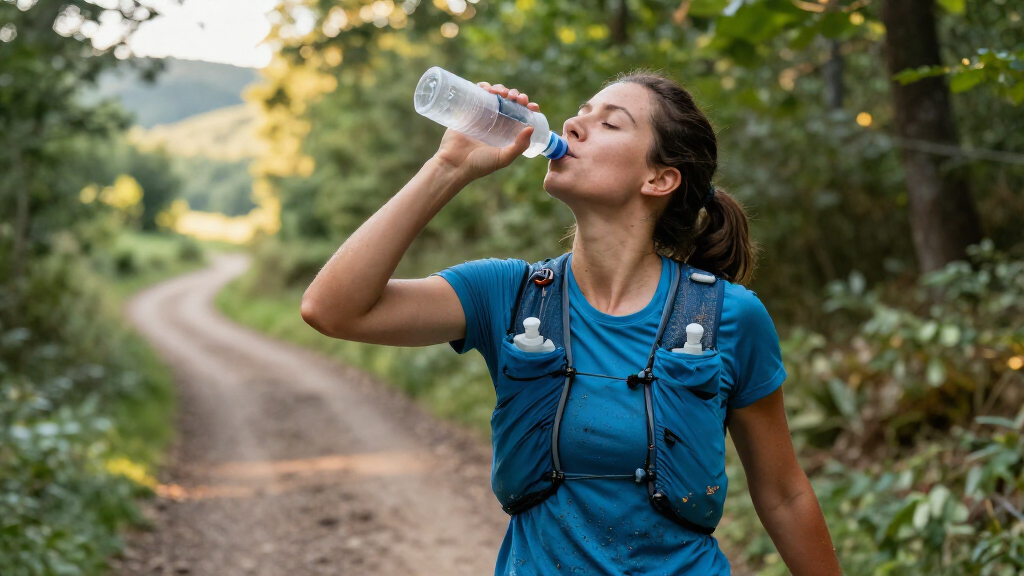

The best hydration pack overall in this roundup is the CamelBak M.U.L.E., a focused choice for mountain biking, while the Osprey Sportlite suits hikers who want a lightweight pack built around a reservoir. For longer outings with room for extra gear, the N NEVO RHINO 18L offers a larger-capacity alternative. Choosing among them means balancing fit, storage, sport-specific features, and how much water you need to carry. Read on for the full comparison of all 12 picks and guidance on choosing the right setup for your routes.

Get workout gear delivered free with Prime
- Fast, free delivery on millions of items
- Prime Video, Amazon Music and more included
- Member-only deals all year
Complete the kit


Key Takeaways
- Sport-specific fit separates the shortlist: the running vest, mountain-bike pack, and snow packs serve different movement and gear needs, so a general backpack may not feel interchangeable.
- Capacity changes the job of the pack: the 12L and compact snow options focus on essentials, while the 18L and 20L hiking models leave more room for layers, food, and other equipment.
- Reservoir size alone does not determine comfort: fit, load placement, and access to the drinking tube matter just as much, especially during running or technical riding.
- Several models pair a larger pack body with a 2L or 3L bladder: buyers should distinguish water capacity from overall storage before choosing a pack for long outings.
- The strongest choice depends on the activity: CamelBak’s M.U.L.E. and snow packs are specialized picks, while the hiking packs provide more flexible storage for general trail use.
| NOOLA Tactical Hydration Backpack with 3L Water Bladder |  | Best for Organized Gear Carry | Brand: NOOLA | Material: 900D nylon | Water bladder capacity: 3 liters | VIEW LATEST PRICE | See Our Full Breakdown |
| Criuage Running Hydration Vest with 2L Water Bladder |  | Best for Lightweight Running | Brand: Criuage | Model: HVC-01 | Pack capacity: 5 liters | VIEW LATEST PRICE | See Our Full Breakdown |
| CamelBak M.U.L.E. Mountain Bike Hydration Pack |  | Best for Mountain Biking | Brand: CamelBak | Total storage: 12 liters | Reservoir capacity: 3 liters | VIEW LATEST PRICE | See Our Full Breakdown |
| CamelBak Powderhound 12 Snow Hydration Pack |  | Best for Cold-Weather Hydration | Brand: CamelBak | Model: 2704603000 | Color: Rust | VIEW LATEST PRICE | See Our Full Breakdown |
| N NEVO RHINO 18L Hydration Backpack with 3L Water Bladder |  | Best for Longer Day Hikes | Brand: N NEVO RHINO | Pack capacity: 18 liters | Water bladder capacity: 3 liters | VIEW LATEST PRICE | See Our Full Breakdown |
| CamelBak Cloud Walker 18 Hiking Hydration Pack, Tahitian Tide |  | Best for Organized Day Hikes | Pack capacity: 18 liters | Reservoir capacity: 85 fl oz (2.5 L) | Weight: 1.5 lb | VIEW LATEST PRICE | See Our Full Breakdown |
| Osprey Sportlite Lightweight Hiking Backpack with Hydraulics Reservoir |  | Best Lightweight Hiking Pick | Pack capacity: 15 liters | Reservoir volume: 2.5 liters | Pack weight without reservoir: 1.11 lb (505 g) | VIEW LATEST PRICE | See Our Full Breakdown |
| Maelstrom Hydration Backpack with 2L Water Bladder |  | Best for Multi-Sport Essentials | Bladder capacity: 2 liters | Weight: 1.1 lb | Material: Nylon | VIEW LATEST PRICE | See Our Full Breakdown |
| N NEVO RHINO 12L Hydration Backpack with 2L Water Bladder |  | Best for Lightweight, Weather-Resistant Carry | Pack capacity: 12 liters, including the bladder | Water bladder capacity: 2 liters | Weight: 8.5 oz | VIEW LATEST PRICE | See Our Full Breakdown |
| CamelBak Zoid Snow Hydration Pack |  | Best for Snow Sports | Reservoir capacity: 2 liters | Weight: 1.2 lb | Dimensions: 9.8 in W x 16.1 in H | VIEW LATEST PRICE | See Our Full Breakdown |
| Maelstrom 20L Hydration Hiking Backpack with 2L Water Bladder |  | Best for Gear-Heavy Day Hikes | Pack capacity: 20 liters | Included bladder: 2 liters; compartment supports up to 3 liters | Weight: 2 pounds | VIEW LATEST PRICE | See Our Full Breakdown |
| Everfun 18L Hydration Backpack with 2L Water Bladder |  | Best for Changeable Weather | Pack capacity: 18 liters | Included bladder: 2 liters; compartment fits up to 3 liters | Bladder material: Food-grade PEVA | VIEW LATEST PRICE | See Our Full Breakdown |
| hydration pack | Weight | Dimensions | Material | Bladder material |
|---|---|---|---|---|
| NOOLA Tactical Hydration Backp | — | 11.81 in W × 18.11 in H | 900D nylon | TPU |
| Criuage Running Hydration Vest | 750 g | — | — | PEVA |
| CamelBak M.U.L.E. Mountain Bik | 0.62 kg | 9.4 in W × 18.5 in H | Nylon | — |
| CamelBak Powderhound 12 Snow H | — | 10.63 in W × 19.69 in H | Polyester | — |
| N NEVO RHINO 18L Hydration Bac | 0.79 kg | — | — | BPA-free PEVA |
| CamelBak Cloud Walker 18 Hikin | 1.5 lb | 10.24 in W x 18.11 in H | — | — |
| Osprey Sportlite Lightweight H | — | 17.3 x 11 x 7.9 in | 100% recycled nylon ripstop | — |
| Maelstrom Hydration Backpack w | 1.1 lb | — | Nylon | BPA-free PEVA |
| N NEVO RHINO 12L Hydration Bac | 8.5 oz | 11.8 in W x 16.5 in H | PU-coated nylon | BPA-free, food-grade PEVA |
| CamelBak Zoid Snow Hydration P | 1.2 lb | 9.8 in W x 16.1 in H | Nylon and polyester | — |
| Maelstrom 20L Hydration Hiking | 2 pounds | — | — | 100% food-grade material |
| Everfun 18L Hydration Backpack | 1.74 pounds | 18.5 x 10.5 x 6 inches | — | Food-grade PEVA |
More Details on Our Top Picks
NOOLA Tactical Hydration Backpack with 3L Water Bladder
The NOOLA suits hikes and outdoor days when keeping small items sorted matters as much as carrying water. Its nine pockets and five MOLLE straps offer more ways to organize and attach gear than the CamelBak M.U.L.E., which is more specifically arranged for mountain biking. A 3-liter BPA-free, odor-free TPU bladder provides substantial water capacity, while the padded shoulder straps and breathable back pad address comfort on longer outings. The tradeoff is a more tactical, feature-dense design: at 1.8 pounds before water and gear, it weighs more than the Criuage running vest. The listed dimensions also omit depth, and waist-strap adjustment details are not provided, so fit and packing shape are harder to judge from the specs.
Pros:- 3-liter BPA-free, odor-free TPU bladder
- Nine pockets separate small essentials
- Five MOLLE straps allow external gear attachment
- Abrasion-resistant 900D nylon with padded shoulder straps and a breathable back pad
Cons:- The 1.8-pound pack adds substantial weight before water and gear
- No waist-strap adjustment details are provided
- Listed dimensions give width and height but not depth
Best for: Hikers and outdoor users who want a 3-liter reservoir plus plentiful pockets and attachment points for accessories.
Not ideal for: Runners or weight-conscious riders who want a light, close-fitting pack and do not need MOLLE attachments or extensive organization.
- Brand:NOOLA
- Material:900D nylon
- Water bladder capacity:3 liters
- Bladder material:TPU
- Number of pockets:9
- MOLLE straps:5
- Item weight:1.8 pounds
- Dimensions:11.81 in W × 18.11 in H
Our verdict“Choose the NOOLA if organized storage and attachment options matter more than a lightweight, streamlined carry.”
Criuage Running Hydration Vest with 2L Water Bladder
The Criuage is the lightest-feeling style in this group by design: a 750 g vest with adjustable straps and wide mesh shoulder pads that favors a close, active fit over backpack-style storage. Its 2-liter BPA-free PEVA bladder and eight pockets give runners room for water and essentials without the more substantial carry of the NOOLA Tactical Hydration Backpack. The tradeoff is less water capacity than the NOOLA or CamelBak M.U.L.E., both of which include 3-liter reservoirs. Water-resistant fabric adds useful protection for changing conditions, but the bladder is specified for water, not other hydration mixes. The listed sports are cycling and motorcycling, so runners should treat its running suitability as part of the product description rather than a detailed fit specification.
Pros:- 750 g weight is lower than the listed weight of the NOOLA pack
- Adjustable straps and wide mesh shoulder pads support a secure fit
- Eight pockets organize essentials
- Water-resistant design and BPA-free 2-liter PEVA bladder
Cons:- 2-liter bladder holds less than the 3-liter reservoirs in the NOOLA and CamelBak M.U.L.E.
- Bladder is described as designed for water, limiting drink options
- Listed dimensions omit depth, and listed sport types do not include running
Best for: Runners and active day hikers seeking an adjustable, mesh-padded vest with a 2-liter bladder and organized pocket storage.
Not ideal for: Long-distance users who need a 3-liter reservoir, or buyers who want detailed running-fit measurements and a bladder suited to drinks beyond water.
- Brand:Criuage
- Model:HVC-01
- Pack capacity:5 liters
- Water bladder volume:2 liters
- Bladder material:PEVA
- Number of pockets:8
- Weight:750 g
- Water-resistant:Yes
Our verdict“Pick the Criuage for a lighter, vest-style carry with useful storage, and skip it if you need more than two liters of water.”
CamelBak M.U.L.E. Mountain Bike Hydration Pack
For mountain biking, the M.U.L.E. brings together hydration and ride-specific storage rather than simply adding a reservoir to a general daypack. It pairs a 3-liter Crux reservoir with Quicklink and 12 liters of total storage with an airflow-channeling back panel, ventilated harness, tool roll, and exterior helmet carry. Compared with the NOOLA Tactical Hydration Backpack, its four pockets and integrated bike features make it less focused on sorting lots of small items but more tailored to trail riding. A removable stability belt and adjustable sternum strap let riders tune the fit, though the pack weighs 0.62 kg before water and gear. That hardware may be unnecessary for someone seeking a stripped-down setup, and its bike-oriented organization is less compelling for general hiking than a simpler pack.
Pros:- 3-liter Crux reservoir with Quicklink is included
- Airflow-channeling back panel and ventilated harness support airflow
- Integrated tool roll and exterior helmet carry suit trail rides
- Removable stability belt and adjustable sternum strap allow fit adjustment
Cons:- The 0.62 kg pack adds weight before water and equipment
- Four pockets offer less compartment count than the NOOLA’s nine
- Stability belt and bike-specific features may be unnecessary for general use
Best for: Mountain bikers who want a 3-liter reservoir, dedicated tool storage, helmet carry, and a stabilizing fit.
Not ideal for: Minimalist riders who want the lightest possible setup, or hikers who have little use for bike-specific storage and carry features.
- Brand:CamelBak
- Total storage:12 liters
- Reservoir capacity:3 liters
- Weight:0.62 kg
- Number of pockets:4
- Material:Nylon
- Dimensions:9.4 in W × 18.5 in H
- Features:Air Director back panel, ventilated harness, tool roll, exterior helmet carry, removable stability belt
Our verdict“Choose the M.U.L.E. for trail-focused storage and fit features; for a lighter, less specialized carry, consider the Criuage vest.”
CamelBak Powderhound 12 Snow Hydration Pack
The Powderhound addresses a problem the other packs here do not: keeping a drinking tube usable in freezing conditions. Its insulated tube harness is paired with ski and snowboard carry options, adjustable shoulder, chest, and waist straps, and a lift-access harness for reaching essentials without taking the pack off. Compared with the CamelBak M.U.L.E., this is the more snow-specific choice; the M.U.L.E. instead offers a 3-liter reservoir and bike tools for trail rides. The Powderhound includes a 70 oz Crux reservoir, while its listed pack capacity is 2 liters, so buyers should distinguish reservoir volume from pack storage. The waist belt is removable, which allows adjustment but may not suit every preferred fit out of the box. Its specialized features add less value for warm-weather hiking.
Pros:- Insulated drinking tube harness helps protect hydration in cold conditions
- Supports A-frame and diagonal ski carry plus snowboard attachment
- Lift-access harness keeps essentials reachable without removing the pack
- Adjustable shoulder, chest, and waist straps
Cons:- Snow-specific carry features are unnecessary for most warm-weather outings
- Listed pack capacity is 2 liters, while the reservoir is specified separately at 70 oz
- Removable waist belt may require adjustment to suit individual fit preferences
Best for: Skiers and snowboarders who need hydration, equipment carry, and a tube harness designed to help resist freezing.
Not ideal for: Warm-weather hikers or cyclists who have no need for snow carry features and want a clearly stated larger pack-storage capacity.
- Brand:CamelBak
- Model:2704603000
- Color:Rust
- Material:Polyester
- Listed capacity:2 liters
- Reservoir:70 oz Crux Reservoir
- Carry options:A-frame or diagonal ski carry; snowboard attachment
- Dimensions:10.63 in W × 19.69 in H
Our verdict“Choose the Powderhound for snow sports and cold-weather drinking access, not as a general-purpose alternative to the CamelBak M.U.L.E.”
N NEVO RHINO 18L Hydration Backpack with 3L Water Bladder
The N NEVO RHINO combines a 3-liter bladder with 18 liters of pack capacity, making it better suited to longer days when spare layers and other gear compete for space. Its insulated bladder compartment is specified to keep liquids cool for up to five hours, and the broad mix of compartments, side mesh pockets, and waist pouches gives smaller items more places to go than the CamelBak M.U.L.E.’s four-pocket layout. The M.U.L.E. is the more bike-focused option, with a tool roll and helmet carry; this pack spreads its appeal across hiking, cycling, and running. Ventilated cushioning and reflective strips add practical comfort and visibility, but the insulation has a stated time limit, and the product is not suitable for children aged 12 and under. Its listed dimensions give width and height only.
Pros:- 18-liter pack capacity plus a 3-liter BPA-free PEVA bladder
- Insulated bladder compartment is specified to keep liquids cool for up to five hours
- Three zippered compartments, two side mesh pockets, and two waist pouches
- Ventilated cushioning and reflective strips support comfort and visibility
Cons:- Not suitable for children aged 12 and under
- Cooling duration is specified for up to five hours, not longer outings
- Listed dimensions omit depth
Best for: Adult hikers and outdoor users who need room for extra gear alongside a 3-liter bladder and value insulated storage.
Not ideal for: Children aged 12 and under, or minimalists who want a small pack without extra storage and an insulated compartment.
- Brand:N NEVO RHINO
- Pack capacity:18 liters
- Water bladder capacity:3 liters
- Bladder material:BPA-free PEVA
- Insulation duration:Up to 5 hours
- Weight:0.79 kg
- Storage:3 zippered compartments, 2 side mesh pockets, 2 waist pouches
- Age restriction:Not suitable for children aged 12 and under
Our verdict“Choose this pack for longer outings that call for generous storage and a 3-liter bladder, provided its size and age restriction fit your needs.”
CamelBak Cloud Walker 18 Hiking Hydration Pack, Tahitian Tide
The Cloud Walker 18 is the strongest fit here for hikers who want room for trail layers and useful carry features alongside a substantial reservoir. Its 2.5-liter Crux reservoir holds more water than the 2-liter bladders in the Maelstrom and N NEVO RHINO packs, while the ventilated Air Support panel is designed to ease heat buildup against your back. Compression straps and trekking pole carry add flexibility when your load changes during the day.
The tradeoff is that its listed cargo capacity is 15.5 liters within an 18-liter pack, and the waist strap must be attached when you want added stability. The lighter Osprey Sportlite is a better match for minimalist outings; I’d choose this CamelBak for a more organized, gear-carrying hike.
Pros:- 2.5-liter Crux reservoir with high-flow delivery
- Ventilated Air Support back panel
- Trekking pole carry and compression straps support changing trail loads
- Zippered phone pocket and side cargo pockets help separate essentials
Cons:- Listed cargo capacity is 15.5 liters within the 18-liter pack
- Removable waist strap needs to be attached when extra stability is needed
Best for: Day hikers carrying layers, snacks, and trail accessories who want a 2.5-liter reservoir and trekking pole carry.
Not ideal for: Minimalist hikers prioritizing the lightest possible pack, or anyone who wants a fixed waist strap without setup.
- Pack capacity:18 liters
- Reservoir capacity:85 fl oz (2.5 L)
- Weight:1.5 lb
- Dimensions:10.24 in W x 18.11 in H
- Pockets:3
- Strap types:Shoulder, hip, and sternum
- Included components:Pack and hydration reservoir
- Warranty:Got Your Bak Lifetime Warranty
Our verdict“Choose the Cloud Walker 18 for organized day hikes where its larger reservoir and carry features matter more than a minimalist weight.”
Osprey Sportlite Lightweight Hiking Backpack with Hydraulics Reservoir
The Osprey Sportlite earns its place for hikers who want a hydration pack that keeps carried weight down without giving up a ready-to-use reservoir. At 1.11 pounds without the reservoir, it is lighter than the CamelBak Cloud Walker 18, and its included 2.5-liter Hydraulics LS reservoir matches that pack’s water capacity. The close-to-body AirScape back panel and trekking pole attachment points suit short hikes where a stable, streamlined carry matters more than extensive organization.
Its 15-liter capacity leaves less room for extra layers and supplies than the Cloud Walker 18, and the one-size fit may not work for every body shape. Compared with the Maelstrom’s four pockets, this is the more pared-back choice. I’d skip it for long outings that call for substantial gear storage.
Pros:- Light 1.11-pound pack weight without the reservoir
- Includes a 2.5-liter Hydraulics LS reservoir
- AirScape back panel supports a stable, close-to-body fit
- Made from 100% recycled ocean-sourced nylon ripstop
Cons:- 15-liter capacity limits space for longer or gear-heavy outings
- One-size unisex fit may not suit every body shape
Best for: Hikers taking short day trips who want a lightweight pack, a 2.5-liter reservoir, and a close-fitting carry.
Not ideal for: Hikers carrying bulky layers or extensive gear, and buyers who need a range of pack sizing.
- Pack capacity:15 liters
- Reservoir volume:2.5 liters
- Pack weight without reservoir:1.11 lb (505 g)
- Reservoir weight:0.29 lb (132 g)
- Dimensions:17.3 x 11 x 7.9 in
- Material:100% recycled nylon ripstop
- Fit:One size, unisex
- Color:Raven Black
Our verdict“Pick the Sportlite for short hikes when low pack weight and included 2.5-liter hydration take priority over extra storage.”
Maelstrom Hydration Backpack with 2L Water Bladder
The Maelstrom is aimed at buyers who want a hydration pack that can move between hiking, cycling, and running, with practical features for visibility and equipment carry. Its four pockets, helmet clips, and reflective strips give it a more utility-focused setup than the single-pocket CamelBak Zoid Snow. Adjustable chest straps and a ventilated back panel also help make the pack adaptable across activities, while the 2-liter BPA-free PEVA bladder covers shorter outings.
The smaller reservoir holds less than the 2.5-liter options in the Osprey Sportlite and CamelBak Cloud Walker 18, so longer or hotter days may call for refills. Its nylon construction has no specified waterproof rating, unlike the waterproof, tear-resistant description for the N NEVO RHINO 12L. I’d choose the Maelstrom for versatile storage, not weather protection.
Pros:- Four pockets provide more organization than the single-pocket CamelBak Zoid Snow
- Helmet clips support cycling and other gear-carry needs
- Reflective strips add visibility in lower light
- Adjustable chest straps and ventilated back panel support a more adaptable fit
Cons:- 2-liter bladder holds less than the 2.5-liter reservoirs in the Osprey Sportlite and CamelBak Cloud Walker 18
- No waterproof rating is specified
Best for: Hikers, cyclists, and runners wanting one lightweight pack with multiple pockets, helmet clips, and reflective details.
Not ideal for: People needing more than 2 liters of water between refills or a pack with a stated waterproof rating.
- Bladder capacity:2 liters
- Weight:1.1 lb
- Material:Nylon
- Bladder material:BPA-free PEVA
- Pockets:4
- Chest strap adjustment:22.4–61 in
- Features:Lined bladder sleeve, ventilated back panel, helmet clips, and reflective strips
- Warranty:1 year
Our verdict“Choose the Maelstrom if you want a multi-sport hydration pack with useful storage and visibility features for shorter outings.”
N NEVO RHINO 12L Hydration Backpack with 2L Water Bladder
The N NEVO RHINO stands out for buyers who want a simple hydration pack with a weather-resistant material description and a notably light stated weight. Its PU-coated nylon is described as waterproof and tear-resistant, giving it a clearer weather-protection claim than the Maelstrom, which lists no waterproof rating. Four pockets and adjustable shoulder and chest straps make it more versatile for hiking, running, or cycling than a basic bladder carrier.
The main capacity caveat is easy to miss: the 12-liter figure includes a 2-liter bladder, leaving less room for other gear than the CamelBak Cloud Walker 18. Its 2-liter reservoir also falls short of the 2.5-liter capacity in the Osprey Sportlite. The very low listed weight is appealing, but buyers should weigh that against limited cargo space and the adult-oriented fit.
Pros:- PU-coated nylon is described as waterproof and tear-resistant
- Four pockets offer storage for small trail essentials
- Adjustable shoulder and chest straps allow fit adjustment
- Breathable mesh back supports airflow
Cons:- The 12-liter capacity includes the 2-liter bladder, limiting remaining cargo space
- 2-liter bladder holds less than the 2.5-liter reservoirs in the Osprey Sportlite and CamelBak Cloud Walker 18
- Adult-oriented design may not fit smaller users well
Best for: Adult hikers and cyclists seeking a lightweight pack with a 2-liter bladder, multiple pockets, and PU-coated fabric.
Not ideal for: People carrying bulky day-hike gear, needing more than 2 liters of water, or shopping for a smaller-user fit.
- Pack capacity:12 liters, including the bladder
- Water bladder capacity:2 liters
- Weight:8.5 oz
- Material:PU-coated nylon
- Bladder material:BPA-free, food-grade PEVA
- Dimensions:11.8 in W x 16.5 in H
- Pockets:4
- Warranty:365 days
Our verdict“Choose the N NEVO RHINO 12L for a lightweight, weather-resistant option when compact storage is enough.”
CamelBak Zoid Snow Hydration Pack
The Zoid Snow is the specialist in this group: its insulated drinking tube and harness are made for cold-weather use, where exposed hydration tubing can be a weak point. The slim profile and lift-access QR harness suit skiers and snowboarders who want water close at hand without a larger hiking pack’s bulk. Compared with the CamelBak Cloud Walker 18, it gives up general-purpose storage and trekking features for a more snow-focused carry.
That focus is also its limit. The single 1-liter pocket leaves little room for anything beyond essentials, and the pack is designed primarily for snow sports rather than warm-weather hikes. The CamelBak Powderhound 12 Snow is another snow-oriented option in this roundup, while the Zoid’s compact format makes most sense when a small, low-profile setup matters more than capacity.
Pros:- Insulated tube and harness help maintain water flow in cold conditions
- Low-profile shape reduces bulk while riding
- Lift Access QR harness is designed for chairlift use
- SnowShield fabric helps repel snow and moisture
Cons:- One zippered pocket with only 1 liter of pocket capacity limits gear storage
- Snow-sport focus makes it less suited to general hiking and warm-weather use
Best for: Skiers, snowboarders, and snowshoers who want a compact hydration pack with insulated tubing and a lift-access harness.
Not ideal for: Hikers or riders who need substantial gear storage, multiple pockets, or a pack for varied warm-weather use.
- Reservoir capacity:2 liters
- Weight:1.2 lb
- Dimensions:9.8 in W x 16.1 in H
- Material:Nylon and polyester
- Pockets:1
- Pocket capacity:1 liter
- Sport type:Skiing, snowboarding, and snowshoeing
- Included components:Pack and hydration reservoir
- Warranty:Got Your Bak Lifetime Warranty
Our verdict“Choose the Zoid Snow for cold-weather riding when insulated hydration and a low-profile fit matter more than storage.”
Maelstrom 20L Hydration Hiking Backpack with 2L Water Bladder
The 20-liter capacity and dedicated helmet storage make this Maelstrom a better fit for gear-heavy hikes and bike outings than compact options such as the Criuage Running Hydration Vest. Its included bladder holds 2 liters, but the compartment supports a replaceable bladder up to 3 liters, giving buyers room to increase water capacity later. The wide opening also makes filling and cleaning less awkward, while the insulated compartment can accommodate ice packs.
The tradeoff is weight: at 2 pounds, it is heavier than the 1.74-pound Everfun 18L, and the bite valve requires both a push and a bite to drink. Multiple pockets, a breathable padded back, adjustable waist and chest straps, reflective strips, and a whistle add useful trail features, but this is more pack than minimalist outings require.
Pros:- Replaceable bladder compartment supports capacity up to 3 liters, and the bladder has a large opening for filling and cleaning.
- Insulated bladder compartment can accommodate ice packs.
- Dedicated helmet and outdoor-tool storage help organize bulky gear.
- Adjustable chest and waist straps, reflective strips, and a built-in whistle suit trail use.
Cons:- At 2 pounds, it is heavier than the Everfun 18L in this roundup.
- The included bladder holds 2 liters, so using the full supported capacity requires a separate bladder.
- The bite valve requires pushing the tube tip and biting the outlet to drink.
Best for: Hikers and cyclists who carry a helmet, tools, and extra layers and want the option to upgrade from the included 2L bladder.
Not ideal for: Runners and weight-conscious hikers who want a small, light pack or a simpler bite valve.
- Pack capacity:20 liters
- Included bladder:2 liters; compartment supports up to 3 liters
- Weight:2 pounds
- Pack material:High-density polyester
- Bladder material:100% food-grade material
- Fit:3D breathable padded back; adjustable chest and waist straps
- Storage and features:Multiple pockets, helmet storage, insulated bladder compartment, reflective strips, built-in whistle
- Warranty:1 year
Our verdict“Choose this Maelstrom for organized day-hike or bike gear and expandable water capacity, but skip it if low weight is your priority.”
Everfun 18L Hydration Backpack with 2L Water Bladder
The Everfun stands out for pairing an 18-liter main pack with an included rain cover, making it a practical choice for hikers who expect shifting weather. It is also lighter than the Maelstrom 20L at 1.74 pounds, while its eight pockets offer dedicated organization for items such as valuables and sunglasses. The included 2L food-grade PEVA bladder has a wide opening for cleaning, and the insulated compartment can keep liquids cold for up to six hours when used with ice packs.
That capacity is still 2 liters out of the box, even though the compartment fits a bladder up to 3 liters. The insulation also depends on ice packs, so it is not a substitute for active cooling. Compared with the Maelstrom, the Everfun gives up some pack volume and helmet-specific storage in exchange for a rain cover and a lower listed weight.
Pros:- Included rain cover adds protection during wet-weather outings.
- Eight pockets help separate valuables, sunglasses, and other small essentials.
- At 1.74 pounds, it weighs less than the Maelstrom 20L.
- Wide-mouth bladder opening simplifies filling and cleaning.
Cons:- The included bladder holds 2 liters, despite the compartment fitting up to 3 liters.
- Cold retention for up to six hours depends on adding ice packs.
- Its 18-liter capacity offers less room than the Maelstrom 20L for bulky gear.
Best for: Day hikers who want organized storage, weather coverage, and a lighter pack for changing conditions.
Not ideal for: Hikers who need a dedicated helmet pocket or want 3 liters of water capacity without buying a larger bladder separately.
- Pack capacity:18 liters
- Included bladder:2 liters; compartment fits up to 3 liters
- Bladder material:Food-grade PEVA
- Weight:1.74 pounds
- Dimensions:18.5 x 10.5 x 6 inches
- Pack material:High-density nylon
- Pockets:8
- Insulation:Keeps liquids cold for up to 6 hours with ice packs
- Included features:Rain cover, reflective strips, breathable mesh back panel, adjustable shoulder straps, chest clip with emergency whistle, waist belt
Our verdict“Pick the Everfun if a rain cover, organized pockets, and lighter carry matter more than maximum pack volume or included water capacity.”
How We Picked
I compared these 12 packs by how well their stated design and included hydration setup match the activity named in their product descriptions. The ranking gives more weight to fit for the intended sport, useful storage, and practical hydration capacity than to a large pack volume or bladder size on its own. I also weighed ease of use, versatility, and the tradeoff between a compact carry and room for extra layers or supplies.
The order reflects how clearly each option serves a buyer’s likely needs across this lineup. Sport-focused packs rank well when their form matches running, biking, or snow travel; larger hiking backpacks make more sense for carrying additional gear, but can be unnecessary for short or fast outings. Since product names and listed capacities do not establish details such as exact fit or durability, I avoid treating those as proven advantages and focus recommendations on the distinctions buyers can compare.
Factors to Consider When Choosing Best Hydration Packs
Before choosing a pack, start with the outing rather than the biggest capacity or bladder included. The right balance depends on how you move, what else you carry, and how often you can refill. These broader tradeoffs can help narrow the field beyond the individual product picks.
Match the Pack Shape to Your Activity
A running vest is designed around a close carry, while a hiking backpack has more room for items beyond water. Biking and snow travel bring different movement and access demands, so a sport-specific profile may be easier to manage than a general-purpose bag. A common mistake is buying one pack for every activity without checking whether its fit stays stable during the fastest or most technical part of an outing. Think about whether you need to reach water while moving, carry protective gear, or keep the load out of the way. If your activities vary widely, prioritize a pack whose fit and storage remain useful across your most frequent use cases.
Separate Water Capacity From Pack Volume
A 3L bladder describes the water supply, not the amount of space available for food, clothing, or tools. Likewise, a pack labeled 18L or 20L can carry substantial gear without holding more water than a smaller model. Estimate your refill opportunities and typical water use before selecting a reservoir size; carrying more water adds weight from the start of the outing. Buyers often focus on the largest number on a product listing and overlook which capacity it describes. Choose water volume for the route and pack volume for the gear list, treating them as separate decisions.
Prioritize Fit and Load Stability
A pack that shifts or bounces can distract from the activity, even when it has enough storage. Fit matters most when movement is repetitive, such as running, or when body position changes during biking and snow sports. Check how the pack is intended to sit on your torso and whether its adjustment system can accommodate the clothing you wear on typical outings. Buying a roomy pack for flexibility can backfire if the load moves when it is only partly filled. When possible, assess fit with the reservoir and usual gear in place rather than judging an empty pack alone.
Plan for Cleaning and Drying the Reservoir
A hydration system needs regular rinsing and full drying, so maintenance affects whether it remains convenient over time. Before buying, check how the reservoir opens, how accessible the hose and bite valve are, and whether the components can be cleaned and stored dry. A large bladder may reduce refill stops, but it can also take more effort to clean and dry than a smaller setup. Avoid putting a damp reservoir away for long periods, since trapped moisture can lead to unwanted odors or buildup. If you prefer low-maintenance gear, favor a system you can easily inspect and clean after each trip.
Decide How Much Extra Storage You Will Actually Use
Extra capacity is useful for layers, food, and safety essentials, but unused space can encourage overpacking. For short rides or runs, a compact setup may keep the carry simpler; longer hikes often call for room beyond the reservoir. Consider whether your gear needs a dedicated place or can be carried safely in pockets or another bag. A 12L design and an 18L or 20L backpack represent different outing styles, not simply better and worse versions of the same pack. Choose the smallest capacity that fits your regular load, with a modest allowance for the longest trips you expect to take.
Pay More for a Specific Need, Not a Bigger Number
A premium or specialized pack makes sense when its intended activity matches your regular use and its design solves a real carrying problem. If you ride mountain trails often, a bike-oriented pack may be more useful than a larger hiking backpack; frequent snow outings can justify a dedicated snow model. For occasional walks, a straightforward hydration backpack may cover the need without a specialized shape. A frequent buying error is paying for more capacity or sport-specific styling that rarely gets used. Compare the cost of carrying extra features against how often those features will improve comfort, access, or organization.
Frequently Asked Questions
Should I choose a 2L or 3L hydration bladder?
Choose based on the length of your outings, refill access, and the weight you are willing to carry. A 3L bladder can reduce refill stops on longer routes, but it adds water weight even when you do not need the full amount. A 2L setup can be a more manageable match for shorter outings or routes with reliable refill points. Also check whether the pack’s storage and fit work well when the reservoir is full. If your plans vary, estimate water needs for your common trips rather than buying the largest bladder by default.
Can I use a hiking hydration pack for running or mountain biking?
You can, but a hiking pack may not stay as comfortable during repeated bouncing or aggressive movement as a closer-fitting sport-specific design. Running vests prioritize a snug carry, while bike packs are shaped for riding needs and access. A hiking pack is a better fit when you also need space for layers, food, or other equipment. Think about how much the load moves and whether you can reach water without disrupting your activity. If you split time across sports, choose based on the activity where fit and stability matter most.
Is a larger pack worth choosing for day hikes?
A larger pack is useful when your day hike calls for extra clothing, food, or safety gear, but it is not automatically better for every route. More storage can make it easier to carry a changing gear list, though unused capacity may tempt you to pack more than you need. Compare the pack volume with your typical load, not just the longest outing you might take. Also keep reservoir capacity separate from total backpack volume when comparing listings. For short walks with minimal gear, a more compact option may be easier to manage.
What should I check before using a hydration pack for snow sports?
Start with whether the pack is designed for snow use and whether its fit leaves room for the clothing you wear on the mountain. Check how the reservoir and drinking tube are arranged, since cold-weather conditions can affect access to water. Think through what else you need to carry, including layers and activity-specific equipment, rather than choosing on water capacity alone. A compact snow pack may suit a minimalist load, while a larger hiking-style bag can offer more space but may feel less purpose-built. Review the care and storage instructions after cold-weather use so the reservoir can be cleaned and dried properly.
How can I tell whether a hydration pack will fit before buying?
Check the manufacturer’s fit guidance and adjustment range, then compare it with your torso and the clothing layers you normally wear. Product names alone do not confirm that a pack will sit securely on every body shape. Consider where the pack rests and whether its straps can keep the load stable when the reservoir is full. If you can try it on, test it with water and typical gear rather than evaluating an empty pack. For an online purchase, review the return policy and avoid assuming that a pack designed for your sport will automatically fit your body.
Conclusion
For most buyers whose main activity is mountain biking, I recommend the CamelBak M.U.L.E. as the best overall because this roundup includes it as a focused bike option. The best value depends on the space you need: the N NEVO RHINO 12L is a sensible starting point for a moderate load, while the 18L version suits buyers who carry more gear. For a premium, activity-specific choice, consider the CamelBak snow models for snow outings or the Osprey Sportlite for hiking; choose by use case rather than assuming one is universally superior. Beginners should start with the pack that matches their most frequent activity and a manageable water capacity, not the biggest reservoir. For specific needs, choose the Criuage vest for running, the CamelBak Powderhound 12 or Zoid for snow, and a larger N NEVO RHINO, Maelstrom, or Everfun model when extra hiking storage matters.