To care for your Achilles tendon, focus on proper loading by gradually increasing activity levels and avoiding sudden jumps in intensity. Incorporate regular stretching, especially calf and Achilles stretches, to keep the tendon flexible and prevent tightness. Wear supportive footwear that reduces strain, and avoid high heels and rigid shoes. Consistent care and smart movement habits can prevent injuries, and you’ll discover more tips on protecting your Achilles as you continue exploring effective strategies.
Key Takeaways
- Gradually increase activity intensity to avoid overloading the Achilles tendon.
- Incorporate consistent stretching routines to improve flexibility and reduce strain.
- Wear supportive, well-fitting footwear to minimize stress on the Achilles.
- Include low-impact exercises, like swimming or cycling, to maintain activity without excessive load.
- Monitor for pain and allow adequate recovery time to prevent overuse injuries.

Are you experiencing pain or stiffness in your Achilles tendon? If so, you’re not alone. This common issue can result from overuse, tight calf muscles, or improper footwear. To protect and heal your Achilles, one of the most effective strategies is incorporating proper stretching routines into your daily routine. Stretching helps improve flexibility, reduces tension, and prepares your tendon for activity. Focus on gentle, consistent stretches like calf raises, wall stretches, and Achilles stretches, holding each for at least 15-30 seconds. Be mindful not to overstretch, as this can worsen your condition. Instead, aim for gradual, controlled movements that ease your tendon into greater flexibility. Complement your stretching routines with strength exercises once discomfort subsides, but always prioritize listening to your body’s signals. Regularly practicing these routines can also help prevent future injuries.
In addition to stretching, your footwear choices play a critical role in Achilles care. Worn-out shoes or those with inadequate heel support can increase strain on your tendon, making injuries more likely. Opt for shoes that provide proper arch support and cushioning, especially if you spend a lot of time on your feet or engage in running or jumping activities. Avoid high heels or shoes with rigid soles that limit natural foot movement, as these can alter your gait and put extra stress on your Achilles. When shopping for footwear, look for options that fit well, offer stability, and are suited to your activity level. If you’re unsure, consult a specialist who can recommend the best shoes for your foot type and activity needs. Proper footwear not only reduces immediate strain but also promotes better biomechanics, decreasing the chances of future injury.
Building awareness about proper footwear selection and incorporating consistent stretching can significantly enhance your Achilles tendon health and recovery process. Combining these approaches—stretching routines and appropriate footwear choices—creates a solid foundation for Achilles tendon prevention and recovery. Consistency is key; make stretching part of your daily routine, especially before and after physical activity. Regularly assess your footwear, replacing worn shoes before they lose their supportive qualities. Remember, small daily habits can profoundly impact your tendon health in the long run. If pain persists despite these efforts, consider consulting a healthcare professional for a tailored treatment plan. Taking proactive steps now can help you avoid worsening injuries and get you back to your activities with less discomfort and a healthier Achilles tendon.

comness Foot and Calf Stretcher-Stretching Strap For Plantar Fasciitis, Heel Spurs, Foot Drop, Achilles Tendonitis & Hamstring. Yoga Foot & Leg Stretch Strap. (Black)
Alleviate pain effectively: The foot and calf stretcher helps improve blood circulation by stretching the plantar fascia and…
As an affiliate, we earn on qualifying purchases.
As an affiliate, we earn on qualifying purchases.
Frequently Asked Questions
When Should I See a Doctor for Achilles Pain?
You should see a doctor for Achilles pain if you notice persistent discomfort, swelling, or difficulty moving your ankle. Early diagnosis is key to prevent worsening symptoms. Don’t ignore signs like sharp pain during activity or at rest. Conduct a symptom assessment and seek medical advice promptly. A healthcare professional can evaluate your condition and recommend appropriate treatment to help you recover and prevent future injury.
Are There Specific Exercises to Prevent Achilles Injuries?
To prevent Achilles injuries, you should incorporate eccentric exercises and stretching routines into your routine. Eccentric exercises, like heel drops, strengthen your tendon, while stretching routines improve flexibility. Consistently doing these exercises before and after activity helps reduce strain and promotes healthy tendon healing. Listen to your body, avoid overtraining, and gradually increase intensity to keep your Achilles tendon strong and injury-free.
How Long Does Achilles Tendinitis Typically Take to Heal?
Achilles tendinitis usually takes about 4 to 12 weeks to heal, but the exact rehabilitation timeline varies based on severity and your adherence to treatment. You’ll notice tendon healing as pain decreases and mobility improves. To support recovery, follow your healthcare provider’s rehab plan, gradually increase activity, and avoid overstressing the tendon. Consistent care and patience are key to ensuring proper healing and preventing future injuries.
Can I Run With a Mild Achilles Injury?
Running with a mild Achilles injury isn’t recommended, as it can worsen the condition. Instead, focus on running precautions and mild injury management by resting, applying ice, and avoiding activities that strain your tendon. If you must run, do so cautiously and listen for pain signals. However, prioritizing proper recovery helps prevent further damage and speeds up healing, so consider cross-training or low-impact exercises until your Achilles is fully healed.
What Are the Risks of Ignoring Achilles Tendon Pain?
Ignoring Achilles tendon pain can lead to serious risks like a tendon rupture or chronic inflammation. If you don’t address the pain early, you might weaken the tendon, increasing the chances of tearing or rupturing it altogether. Chronic inflammation can also cause long-term damage, making recovery more difficult. It’s vital to rest, seek proper treatment, and avoid aggravating activities to protect your Achilles tendon from further injury.
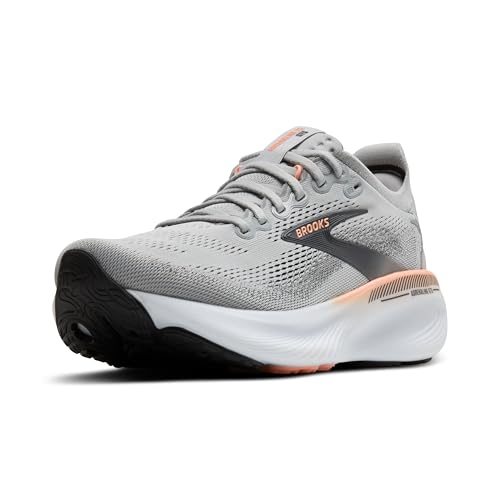
Brooks Women’s Adrenaline GTS 25 Supportive Running & Walking Shoe – Grey/Blackened Pearl/Coral – 9 Medium
THIS WOMEN’S SHOE IS FOR: The Adrenaline GTS 25 is perfect for runners and walkers seeking reliable support…
As an affiliate, we earn on qualifying purchases.
As an affiliate, we earn on qualifying purchases.
Conclusion
Just like Icarus learned, pushing too hard without caution can lead to a fall. By properly loading your Achilles and prioritizing prevention, you safeguard your future mobility. Remember, the key isn’t just in the effort but in understanding your limits. With mindful care and consistent prevention, you can avoid setbacks and keep moving forward—strong and resilient, like the hero who rises after every fall. Your Achilles’ health is your journey’s foundation; nurture it wisely.

Gaiam Restore Resistance Band Stretching Strap – Stretch Legs & Arms with Medium Resistance Loops, Multiple Holds for Increased Range of Motion, Flexibility or Strength Training
Stretching Strap – The Gaiam Restore stretch strap is the ideal resistance loop band for pre- and post-workout…
As an affiliate, we earn on qualifying purchases.
As an affiliate, we earn on qualifying purchases.

SIIHEA Adjustable Heel Lifts for Shoes, 1/4'' Height Increase Insoles for Achilles Tendonitis, Heel Pain, Leg Length Discrepancy, Plantar Fasciitis, Shoe Lifts Men, Women (Brown, Medium (1 Pair))
Design for Leg Length Discrepancy & Pain Relief: SIIHEA heel lifts design for leg length discrepancy, help prevent…
As an affiliate, we earn on qualifying purchases.
As an affiliate, we earn on qualifying purchases.