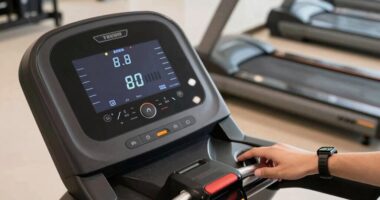

Breathwork can boost your endurance and help you stay calm under pressure by strengthening your connection between mind and body and calming your nervous system. Techniques like diaphragmatic and box breathing increase oxygen flow, reduce stress hormones, and enhance mental clarity. Regular practice makes it easier to manage stress, stay focused, and push through challenges with a calm mindset. Keep exploring to discover specific techniques that can maximize these benefits in your performance.
Key Takeaways
- Breathwork enhances the mind-body connection, improving focus and mental resilience during endurance activities.
- Techniques like diaphragmatic and box breathing activate the parasympathetic nervous system, promoting relaxation and recovery.
- Conscious breathing controls oxygen intake, reducing stress hormones and lowering heart rate during physical and mental challenges.
- Regular practice helps manage stress in high-pressure situations, fostering calmness and mental clarity.
- Long-term breathwork improves emotional regulation, supporting sustained performance and inner calm in daily life and exertion.

Breathwork is a powerful tool you can use to enhance both your endurance and calmness. When you focus on your breath, you tap into the mind-body connection, which plays a vital role in how your body responds to physical and mental challenges. By consciously controlling your breathing patterns, you can influence your nervous system, reducing stress and increasing your capacity to perform over extended periods. This is especially beneficial when you’re looking to improve endurance because it allows you to stay present and manage fatigue more effectively. Breathwork also acts as a set of stress management techniques that help you stay calm under pressure, whether during a race, workout, or daily stressful situations.
Using breathwork enhances endurance and calmness by strengthening the mind-body connection and managing stress effectively.
Through intentional breathing, you activate your parasympathetic nervous system, which promotes relaxation and recovery. This activation helps lower your heart rate, decrease cortisol levels, and clear your mind from distractions. As a result, you’re better equipped to maintain focus and stamina during demanding activities. When you incorporate breathwork into your routine, you’re not just training your lungs but also strengthening your mental resilience. This mental resilience is the cornerstone of endurance, as it allows you to push through physical and emotional barriers with a sense of control and calmness.
Practicing specific breathing techniques like diaphragmatic breathing or box breathing can deepen your mind-body connection, making your responses to stress more adaptive. These techniques teach you to breathe slowly and deeply, which floods your body with oxygen and stimulates a relaxation response. Over time, this improves your ability to stay centered when faced with intense exertion or anxiety. Consistent practice also enhances your awareness of how your body reacts to certain triggers, empowering you to use breath to regulate those reactions effectively.
You’ll find that using breathwork as part of your training routine improves your overall stress management techniques. Instead of letting stress or fatigue overwhelm you, you learn to return to your breath, grounding yourself in the present moment. This mental shift not only boosts your physical endurance but also cultivates a calmer, more focused mindset. Ultimately, integrating breathwork into your daily life makes it easier to stay balanced, resilient, and in control—qualities that are essential for sustained performance and inner peace.
Top picks for "breathwork endurance calm"
Open Amazon search results for this keyword.
As an affiliate, we earn on qualifying purchases.
Frequently Asked Questions
Can Breathwork Improve Mental Clarity During High-Stress Situations?
Yes, breathwork can improve your mental clarity during high-stress situations. By practicing mindfulness techniques, you can center your mind and reduce stress quickly. Controlled breathing helps calm your nervous system, making it easier to focus and think clearly. Regular stress reduction through breathwork trains your brain to stay composed under pressure, ensuring you’re better equipped to handle intense moments with clarity and confidence.
How Long Does It Take to See Benefits From Regular Breathwork Practice?
You can start noticing benefits from regular breathwork, like mindfulness meditation or respiratory therapy, within a few weeks. Consistent practice helps improve your lung capacity, reduce stress, and enhance mental clarity. With daily dedication, you’ll feel calmer and more focused, especially during high-stress moments. Keep at it, and you’ll gradually experience these positive changes, making breathwork an effective tool for endurance and overall well-being.
Are There Any Risks or Contraindications for Specific Breathwork Techniques?
Did you know that around 5% of people should avoid certain breathwork techniques? Some breathwork safety concerns involve contraindicated techniques like hyperventilation or breath-holding if you have high blood pressure, heart issues, or anxiety disorders. Always consult a healthcare professional before starting new practices. Avoid techniques that cause dizziness, chest pain, or discomfort, and listen to your body to prevent risks or adverse effects.
Can Breathwork Replace Traditional Endurance Training Methods?
Breathwork can’t replace traditional endurance training like running, but it can supplement your exercise routine effectively. While breathwork improves your control, stamina, and calmness, it doesn’t build the same muscular strength or cardiovascular fitness as running or other endurance activities. Think of breathwork as a valuable supplement that enhances your overall performance and recovery, rather than a substitute for rigorous endurance training like running. Combining both yields the best results.
What Accessories or Tools Can Enhance Breathwork Sessions at Home?
Imagine your breath flowing smoothly like a gentle river—tools can help you stay on course. Breath sensors provide real-time feedback, allowing you to refine your technique with precision. Breath coaching apps act like personal guides, offering structured sessions and progress tracking. Together, these accessories enhance your at-home breathwork practice, making each session more effective and engaging, helping you deepen calm and boost endurance effortlessly.
Conclusion
By incorporating breathwork into your routine, you can enhance both your endurance and calmness. Imagine Sarah, a marathon runner who used mindful breathing techniques to stay focused and relaxed during her races. After just a few weeks, she noticed improved stamina and reduced anxiety before starting. You too can experience these benefits—simply start with a few deep breaths before your workouts or stressful moments. Breathwork is a simple, powerful tool to elevate your performance and peace of mind.