
TL;DR

Get workout gear delivered free — and shop member deals
- Fast, free delivery on millions of items
- Access to Prime Big Deal Days deals on October 6–7
- Prime Video, Amazon Music and more included
A compact rowing machine offers full-body, low-impact cardio in less space. Focus on fit, resistance type, storage, and stability to find the best model for your home. Quality varies, so compare features carefully.
Imagine transforming even the tiniest corner of your apartment into a full-body gym. That’s the promise of a compact home rowing machine. It’s not just about saving space; it’s about fitting a versatile workout into your life without sacrificing convenience or stability.
Whether you live in a small studio or simply want a sleek, easy-to-store option, understanding what makes a rower truly compact can save you money and frustration. You’ll learn what to look for, which resistance types fit your needs, and how to avoid common pitfalls—so you can enjoy effective rowing workouts in your own space.
Always compare both operating and stored dimensions—’compact’ can be misleading.
Magnetic resistance is the quietest, making it ideal for apartments and shared spaces.
Verify your body size and space before choosing a model—full extension and stability matter.
Don’t fall for hype—safe vertical storage requires manufacturer approval and proper setup.
Maintenance is key: regular cleaning, water treatment, and inspections keep your rower performing well.
What does ‘compact’ really mean—and what should you check?
‘Compact’ can mean different things depending on the manufacturer. Some rowers have shorter frames or monorails, while others fold or stand upright for storage. The trick is to look beyond marketing jargon and compare both when in use and stored.
For example, a rower might have a footprint of 72 inches in length when in use, but fold down to 36 inches. Even then, a small clearance is needed around it for comfortable mounting and strokes. Always check operating dimensions and storage size before buying—what’s the point of a tiny footprint if it’s awkward to get on or off?
Imagine a rower tucked into a closet, only to find it needs a full 4 feet of clearance to operate. That defeats the purpose for most small spaces. The key is balancing size, stability, and ease of use.
As an affiliate, we earn on qualifying purchases.
Which resistance system gives you the quiet, smooth workout you need?
When choosing a compact home rowing machine, resistance type makes a big difference. Magnetic resistance is the quietest and most suited for apartments. It offers controlled, predictable resistance—ideal if you want a peaceful workout after work.
Water resistance models provide that satisfying water swoosh and a more natural feel. They tend to be quieter than air rowers but still produce a gentle splash—perfect for a calming routine in a quiet home.
Air resistance machines are often the loudest, with that distinctive fan noise. They’re great for performance training but less ideal if noise is a concern. Hydraulic models are compact and budget-friendly but may feel less natural and have limited stroke length.
For example, a user in an apartment chose a magnetic rower, appreciating how it barely made a sound during early morning workouts. Meanwhile, another person loved the water sound for relaxation but kept it away from shared walls.
Understanding these differences is crucial because your choice impacts not just noise but also the quality of your workout. Magnetic rowers tend to offer smoother, more consistent resistance, which can be better for controlled, injury-free training. Water and air resistance, while engaging, may introduce more variability and noise, which could be disruptive depending on your living situation. The tradeoff is often between natural feel and quiet operation—knowing which aligns with your priorities will help you select the best system for your environment and workout style.
How to ensure your new rower fits your body and space comfortably
- Check maximum user height or inseam. Tall users need longer rails for full leg extension.
- Evaluate stroke length and seat height. A higher seat makes getting on easier, especially for older users.
- Assess weight capacity. Choose a model rated well above your weight for stability.
- Test footplate adjustability and handle width. Comfort here prevents strain and discouragement.
- Ensure stability during vigorous strokes. A wider, heavier frame typically feels more secure.
Imagine a 6’2” athlete trying a rower with a 45-inch inseam limit—if the rail is only 40 inches, he’ll struggle to reach full extension. Knowing these specs saves frustration and ensures safe, effective workouts. Fitting your body properly isn’t just about comfort; it directly impacts your ability to perform correct, injury-free strokes. An ill-fitting rower can lead to improper form, which over time can cause joint strain or back pain. The same applies to space—if your machine is too large or awkwardly shaped, it might discourage regular use or cause safety hazards. Take the time to verify these measurements and consider your future needs, especially if you plan to upgrade or share the machine with others.
Storage options—what really works, what’s hype?
Many rowers claim they’re “foldable,” “vertical,” or “portable,” but not all are equally easy or safe to store. Folding models reduce length but may still be bulky or require disassembly. Vertical models can save space but need ceiling height and stable support.
For example, a model with a folding rail might fold to half its length but still weigh 60 pounds, making it tricky to move. Conversely, a lightweight upright model with wheels can be effortlessly tucked away in a closet or corner.
Safety matters too—never store a rower in a way that risks tipping or damage. Some models need to be drained or locked before vertical storage. Always check manufacturer instructions and prioritize stability over marketing claims. Poor storage practices can lead to accidents or damage to your equipment, which ultimately costs more and disrupts your fitness routine. Consider your physical strength and available space when choosing storage options—what seems convenient in theory might be impractical in daily use. For households with children or pets, safety features like locking mechanisms or covers are essential to prevent accidents. The right storage solution balances ease, safety, and longevity—don’t sacrifice one for the other.
Noise and vibration—what impacts your peace and your floor?
Magnetic and hydraulic rowers are generally the quietest, making them perfect for shared or apartment living. Water rowers produce a moderate splash and swoosh—generally pleasant but audible. Air rowers tend to be louder, with the fan whirring loudly during each stroke.
Even the quietest models transmit vibrations through floors, which can disturb neighbors or shake furniture. This is especially problematic in buildings with thin floors or shared walls. Using an exercise mat can significantly reduce these vibrations, acting as a buffer that absorbs both noise and movement. The material and thickness of the mat matter—thicker mats provide better insulation but may be less portable. Positioning the rower on a level, stable surface also minimizes unwanted vibrations. For example, a user placed a thick yoga mat under their magnetic rower, which not only dampened vibrations but also protected their flooring from scratches and dents. Considering vibration and noise mitigation is essential in shared living environments, as it ensures your workout doesn’t become a source of disturbance for others, and prolongs the lifespan of your flooring and equipment.
Rowing technique: your secret weapon for safety and results
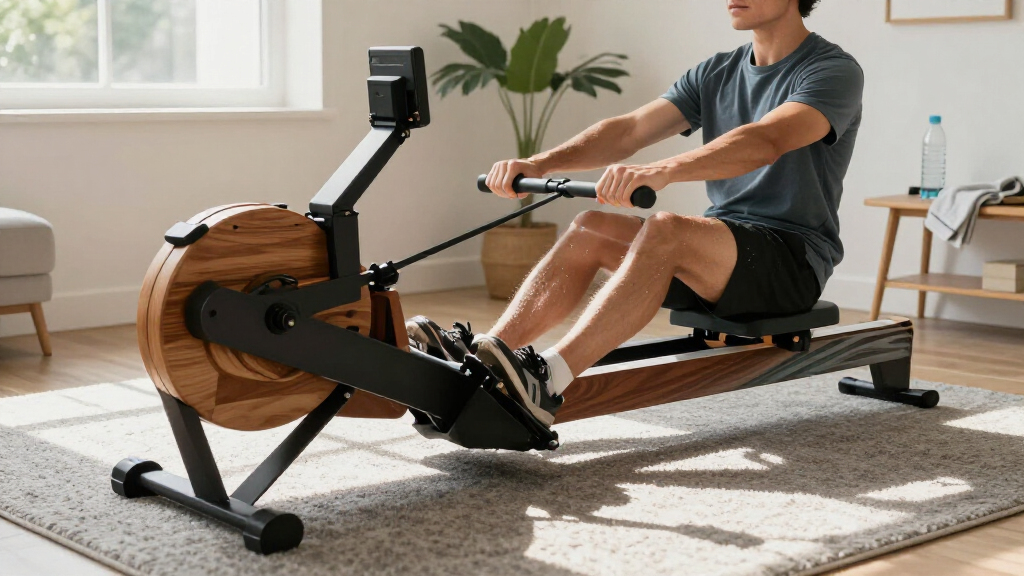
Good technique turns your rowing machine into a safe, effective workout. The key is the drive—push with your legs, lean back slightly, then pull the handle. Recovery is the reverse: extend your arms, hinge forward at the hips, then bend your knees.
Common mistakes include pulling with arms too early, rounding the back, or overreaching at the front. These errors can cause strain, especially in the lower back and shoulders. Over time, poor technique can lead to injuries or strain that discourages consistent use. For example, a beginner in an apartment was surprised to feel lower back discomfort after a workout. A quick review of technique—focusing on driving with legs, keeping a straight back, and avoiding overreaching—improved comfort and effectiveness. Remember, a compact rower is only as safe and effective as your form. Investing a few minutes in proper technique not only enhances results but also reduces injury risk, ensuring long-term enjoyment and progress in your fitness journey.
What performance data can you really trust from small rowers?
Most compact rowers display basic stats like time, strokes per minute, and estimated calories. More advanced models add distance, split times, watts, and heart-rate data. But beware—accuracy varies widely, especially on budget models.
For instance, a $200 rower might estimate calories based on stroke count and resistance, but real calorie burn depends on effort, not just numbers. A more expensive model with Bluetooth sync can track your heart rate and provide tailored feedback. However, even advanced sensors can have inaccuracies, especially if not calibrated or worn properly. Use these metrics as guidelines rather than absolute truths—your perceived exertion, breathing, and fatigue levels are often more reliable indicators of your workout intensity. Over-reliance on numbers can lead to frustration or misguided training. For example, if your monitor shows high calorie estimates but you feel unchallenged, trust your body’s signals more than the readout. The key is to interpret data contextually, using it to motivate and adjust rather than obsess over precise figures.
Durability and maintenance: keep your rower running smoothly
Every machine needs some TLC. The main wear points are the seat rollers, drive belt or chain, resistance piston, and electronic console. Regular cleaning, lubrication, and inspections extend lifespan and performance.
For example, a user with a chain-driven rower lubricated the chain monthly, preventing squeaks and ensuring smooth pulls. Water tanks benefit from periodic water treatment to prevent algae growth and odors. Neglecting maintenance can lead to costly repairs or early replacement, so establishing a routine helps preserve your investment. Hydraulic pistons should be checked for leaks, and fasteners tightened to prevent wobbling. Batteries for the console may need replacement annually, depending on usage. Additionally, inspecting the integrity of moving parts ensures safety and smooth operation. Manufacturers often provide maintenance guides and warranty info—favor models with good support. A well-maintained rower stays quiet, stable, and safe for years, ultimately saving you money and frustration over time.
Latest trends shaping the compact rowing market
Newer models focus on quieter magnetic resistance, sleeker designs, and smarter features. Many now include Bluetooth connectivity, app-based coaching, and scenic workout options—bringing the gym to your living room.
For example, a recent model combines a slim profile, silent magnetic resistance, and a large tablet holder, making it perfect for small spaces and tech-savvy users. Some rowers even mimic outdoor scenery, motivating longer sessions. These innovations aim to enhance user engagement, convenience, and motivation, making workouts more enjoyable and less monotonous. Connected features often come with subscriptions, but many machines work fully without them. Look for models with adjustable resistance, sturdy construction, and user-friendly interfaces—these make your investment worthwhile. Keep an eye on innovations like higher seats for accessibility and integrated strength exercises—these add versatility without increasing footprint.
Why a compact rower can be your best home workout buddy
A compact home rowing machine offers a full-body workout without dominating your space. It combines low-impact cardio, strength, and endurance—perfect for busy schedules or small homes.
Imagine fitting one into your apartment corner, then hopping on for a quick 15-minute session that energizes your day. It’s a smart, efficient way to stay fit without the clutter or noise of larger equipment.
The best part? Well-designed models deliver stability, comfort, and durability—so your investment lasts. They’re not just space-savers but versatile tools that adapt to your fitness level and goals.
By choosing thoughtfully, you turn your home into a personal gym—compact, convenient, and ready whenever you are.
Your quick checklist for buying the right compact rower
- Measure your available space and compare with machine dimensions—don’t forget clearance for movement.
- Choose resistance type based on noise preference and feel—magnetic for quiet, water for natural feel, air for performance.
- Check maximum user height and weight capacity—ensure it suits your body size and strength.
- Inspect storage options: foldable, upright, or lightweight models—pick what fits your space and safety needs.
- Review console features: basic stats vs. advanced tracking—match with your motivation style.
- Consider the warranty, parts availability, and ease of maintenance—long-term support matters.
- Test the fit and stability, if possible—comfort and safety come first.
Frequently Asked Questions
Are compact rowing machines effective for a full-body workout?
Absolutely. When selected properly, a compact rowing machine provides a full-body, low-impact cardio workout. It engages your legs, core, back, and arms, offering both aerobic and muscular benefits—just like larger models, but in a smaller package.How much space do I need for a typical compact rower?
Most compact rowers need about 72 inches of length and 20-24 inches of width during use, with extra clearance for comfortable mounting and strokes. When stored, some fold to half or less, but always check specific dimensions to ensure it fits your available space.Can I use a compact rowing machine in my apartment?
Yes. Magnetic resistance models are especially suited due to their quiet operation. Just consider noise levels, floor vibration, and storage options. Using an exercise mat can help absorb vibrations and protect your flooring, making your workouts neighbor-friendly.Which resistance system is the quietest?
Magnetic resistance is generally the quietest, producing almost no sound during operation. Hydraulic models are quiet as well but may offer less natural feel. Water rowers produce a gentle swoosh but are still suitable for quiet environments.Is vertical storage safe and recommended?
Only if the manufacturer explicitly approves it. Unsupported vertical storage can cause leaks, damage, or tipping hazards. Always follow the manufacturer’s instructions and ensure stability before storing your rower upright.Conclusion
Choosing a compact home rowing machine is about more than size. It’s about finding a stable, comfortable, and versatile workout partner that suits your space and lifestyle. Think carefully about resistance, fit, storage, and noise—then enjoy the full-body benefits that a good rower delivers.
Remember, a well-chosen machine isn’t just space-friendly; it’s a long-term investment in your health and convenience. Your perfect fit is out there—ready to turn your living room into a personal gym.
Fall Picks
fall essentials
As an affiliate, we earn on qualifying purchases.