To optimize race-week performance after traveling across time zones, gradually adjust your sleep schedule by 1 hour before departure and get plenty of natural light at your destination. Stay hydrated by drinking water and electrolyte drinks, while avoiding alcohol and caffeine. Create a sleep-friendly environment with darkness and silence, and use relaxation techniques to fall asleep easily. If you want to discover more effective tips to beat jet lag, keep exploring ways to adapt quickly.
Key Takeaways
- Gradually adjust sleep schedule before race week to align with the destination time zone.
- Maximize natural light exposure during the day to reset internal circadian rhythms.
- Stay well-hydrated with water and electrolyte drinks to combat dehydration and fatigue.
- Use relaxation techniques and create a dark, cool sleep environment to improve sleep quality.
- Minimize long naps and prioritize consistent sleep routines to reduce jet lag effects.

Traveling across multiple time zones often disrupts your body’s internal clock, leading to jet lag. This disruption can leave you feeling exhausted, disoriented, and out of sync with your destination’s schedule. To combat this, focus on effective sleep adjustment strategies. Before your trip, try gradually shifting your sleep schedule closer to your destination’s time zone. If you’re traveling east, go to bed and wake up an hour earlier each day; if heading west, do the opposite. Once you arrive, expose yourself to natural light during the day, as sunlight helps reset your internal clock faster. If you’re feeling sleepy during the day, resist the urge to nap excessively, but short, strategic power naps of 20-30 minutes can help recharge your energy without interfering with nighttime sleep. Maintaining a consistent sleep environment is essential—keep your room dark, cool, and quiet to facilitate quality rest. Consider using earplugs and an eye mask if noise or light is an issue. If you find it hard to fall asleep at your new local bedtime, a light, non-caffeinated snack and relaxation techniques like deep breathing or meditation can help you wind down. Additionally, high refresh rates in your sleep environment, such as a comfortable mattress and pillows, can promote better quality sleep and quicker adjustment. Hydration strategies also play a significant role in minimizing jet lag. Traveling dehydrates your body, and dehydration can worsen fatigue and impair cognitive function. To stay well-hydrated, drink plenty of water before, during, and after your flight. Avoid excessive alcohol and caffeine, as they can dehydrate you further and disturb your sleep cycle. Instead, opt for water or electrolyte-rich drinks to replenish lost fluids and maintain electrolyte balance. Once you arrive, continue drinking fluids regularly, especially if you’re in a dry or heated environment. Proper hydration supports your body’s natural circadian rhythms, helping you adjust more quickly to the new time zone. It also keeps your energy levels stable and aids in recovery from travel fatigue. Remember that even if you don’t feel thirsty, staying hydrated is essential—thirst can be a late indicator of dehydration.
sleep mask for travel
As an affiliate, we earn on qualifying purchases.
As an affiliate, we earn on qualifying purchases.
Frequently Asked Questions
How Long Before Travel Should I Start Adjusting My Sleep Schedule?
You should start your sleep adjustment about a week before travel. This helps with travel preparation by gradually shifting your sleep schedule closer to your destination’s time zone. Set a consistent bedtime and wake time, and adjust them by 15-30 minutes each day. Doing this makes the changeover smoother, reduces jet lag, and guarantees you’re well-rested for your race. Early planning is key to a successful trip.
Are There Specific Foods That Help Reduce Jet Lag?
To reduce jet lag, focus on hydration strategies and meal timing. Eating light, high-protein foods like nuts, eggs, and lean meats can help stabilize your energy levels, while avoiding heavy or greasy meals. Stay well-hydrated by drinking plenty of water, especially during travel. Consuming fruits like oranges and berries also supplies antioxidants and vitamins that support your body’s adjustment. Proper hydration and strategic meal timing boost your recovery and help you adapt faster to new time zones.
Can Certain Supplements Effectively Prevent Jet Lag Symptoms?
Yes, certain supplements like melatonin can effectively prevent jet lag symptoms by helping you adapt to new time zones faster. Herbal remedies such as valerian root or chamomile may promote relaxation and improve sleep quality, easing the shift. However, always consult your healthcare provider before starting any supplements, especially if you’re on medication or have health concerns, to guarantee safety and proper dosage.
How Does Age Affect Recovery From Jet Lag?
As you age, recovery from jet lag can feel like climbing Mount Everest without oxygen. Age-related sleep changes mean your internal clock shifts are tougher to reset, making it take longer to feel normal again. To combat this, embrace senior recovery strategies like sunlight exposure, strategic napping, and maintaining consistency in sleep schedules. These methods help your body adapt faster and reduce the overwhelming fatigue that comes with traveling across time zones.
What Are Quick Relief Options During a Long Flight?
During a long flight, for quick relief, prioritize in-flight comfort by using neck pillows, eye masks, and noise-canceling headphones. If you struggle to sleep, consider sleep aids like melatonin or natural remedies to help you rest. Staying hydrated and moving around periodically also eases discomfort. These strategies help you feel more refreshed upon arrival, making your journey smoother and reducing travel fatigue.

POWERADE Electrolyte Enhanced Zero Sugar Grape Sports Drink, 20 Ounce (Pack of 8)
50% more electrolytes* versus the leading sports drink
As an affiliate, we earn on qualifying purchases.
As an affiliate, we earn on qualifying purchases.
Conclusion
So, after all this, you might think that battling jet lag is just about timing your sleep. But here’s the irony: despite all the planning, your body still might rebel just when you need it most. It’s almost poetic, isn’t it? You race across time zones, only to find that your internal clock refuses to keep up. Sometimes, the best strategy is accepting the chaos — because no amount of prep can fully outsmart your biological stubbornness.
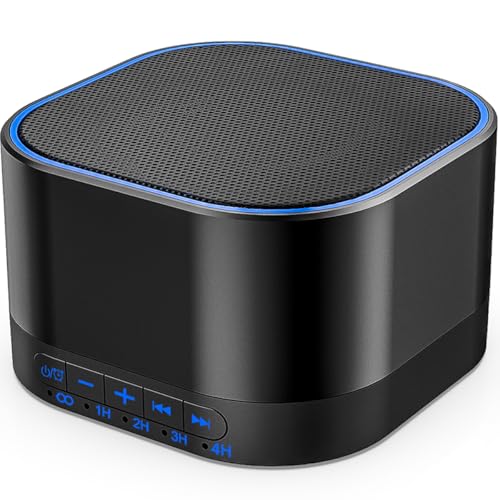
Magicteam Sound White Noise Machine with 20 Non Looping Natural Soothing Sounds and Memory Function 32 Levels of Volume Powered by AC or USB and Sleep Sound Timer Therapy for Baby Kids Adults
❤20 Non-Looping Sleep Sounds: White noise ,Brown noise, pink noise, blue noise, fan,brook, rain, ocean,bird and Bonfire,suitable for…
As an affiliate, we earn on qualifying purchases.
As an affiliate, we earn on qualifying purchases.
comfortable travel pillow
As an affiliate, we earn on qualifying purchases.
As an affiliate, we earn on qualifying purchases.