
TL;DR

Get workout gear delivered free — and shop member deals
- Fast, free delivery on millions of items
- Access to Prime Big Deal Days deals on October 6–7
- Prime Video, Amazon Music and more included
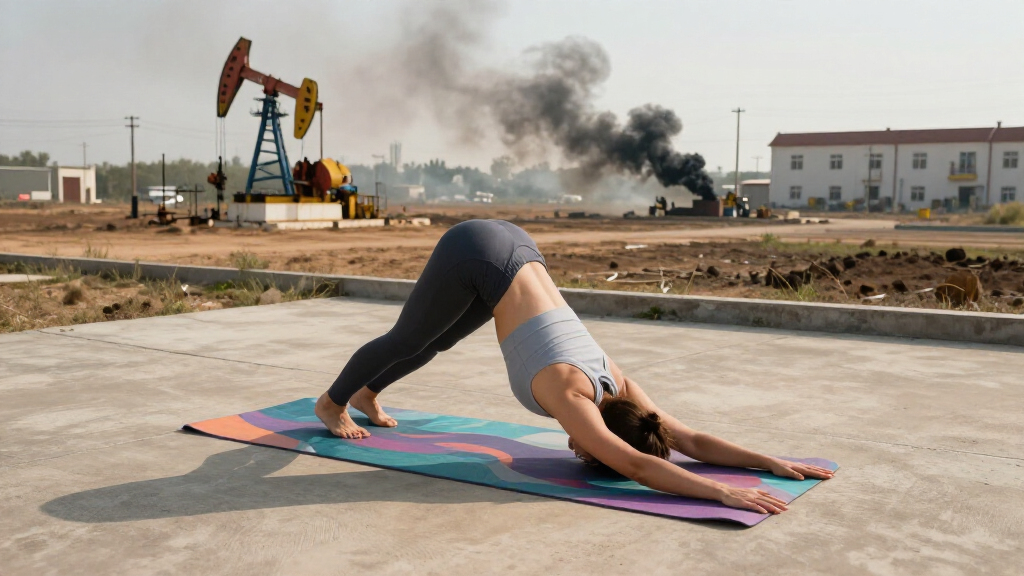
Residents of Los Angeles are experiencing increased health problems and deteriorating air quality due to proximity to urban oil fields. Authorities are investigating the impact, but definitive links are still being studied.
Los Angeles residents living near urban oil extraction sites are reporting worsening health conditions and declining air quality, according to recent local reports. The concerns come amid increased public awareness and ongoing investigations into the environmental and health impacts of these oil fields.
Multiple residents in neighborhoods adjacent to urban oil fields have described symptoms such as respiratory issues, headaches, and fatigue. Local environmental groups have raised alarms about the potential for these oil operations to emit hazardous pollutants, including volatile organic compounds (VOCs) and particulate matter.
Official data from air quality monitoring stations indicate a rise in pollution levels in areas surrounding these oil sites over the past year, although authorities have not yet confirmed a direct causal link. The Los Angeles Department of Public Health has acknowledged the reports and is conducting studies to evaluate the health impacts.
Potential Public Health and Policy Implications of Urban Oil Extraction
This situation underscores the ongoing debate over urban oil extraction’s safety and its impact on community health. If confirmed, the health effects could lead to policy changes regarding oil operations within city limits, affecting local economies and energy policies. The public’s concern highlights the need for stricter regulation and more comprehensive environmental oversight of urban oil fields.
As an affiliate, we earn on qualifying purchases.
History of Urban Oil Fields and Growing Public Concern
Urban oil fields in Los Angeles have operated for decades, often in residential areas. In recent years, increased attention to environmental justice and air pollution has amplified scrutiny of these sites. Previous studies have identified potential health risks associated with oil extraction activities, but definitive links to community health issues remain under investigation. The current spike in public concern appears to be driven by new reports of health symptoms and rising pollution levels.
Unconfirmed Links Between Oil Fields and Health Outcomes
While residents report health issues and air quality has declined, it is not yet confirmed that urban oil fields are the direct cause. Investigations are ongoing, and scientists caution that establishing a definitive causal relationship requires more comprehensive data. The extent of health impacts and specific pollutants involved remain under study.
Expected Outcomes of Ongoing Health and Environmental Studies
Authorities plan to release detailed findings from air quality monitoring and health assessments within the next several months. Policy discussions around regulating or phasing out urban oil extraction in residential areas are also anticipated, depending on the investigation’s conclusions. Community groups are calling for increased transparency and immediate protective measures.
Key Questions
Are urban oil fields in LA legally allowed to operate near residential areas?
Many urban oil fields in Los Angeles have historically operated within city limits, often close to homes and businesses. Regulations vary, but recent discussions focus on stricter oversight and potential restrictions to protect residents.
What specific health problems are residents experiencing?
Residents have reported symptoms such as respiratory issues, headaches, fatigue, and in some cases, skin irritation. However, official health assessments are still underway to determine causality.
How is the city responding to these concerns?
The Los Angeles Department of Public Health is conducting air quality monitoring and health studies. City officials have acknowledged the reports and are working to assess the situation but have not yet implemented specific policy changes.
Could this lead to shutting down urban oil operations?
Potential policy responses depend on the outcomes of ongoing investigations. If a clear link between oil fields and health risks is established, stricter regulations or closures could be considered.
Source: local
Fall Picks
fall essentials
As an affiliate, we earn on qualifying purchases.