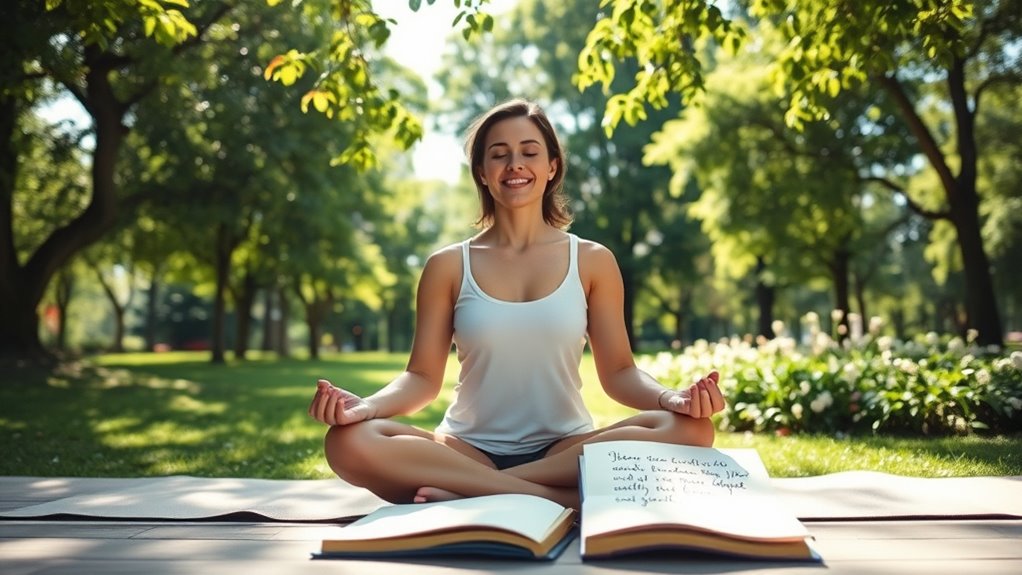

To enhance your performance, focus on building mental skills like visualization and positive self-talk. Visualization involves vividly imagining your success, activating neural pathways and boosting motivation. Positive self-talk replaces doubts with empowering statements, reinforcing confidence and resilience. When combined, these techniques sharpen your focus and help you stay composed during high-pressure moments. Mastering these skills transforms how you approach challenges, making success feel more achievable—keep exploring to learn more about harnessing your mental strength.
Key Takeaways
- Visualization mentally rehearses success, activating neural pathways and reinforcing positive expectations to boost confidence and motivation.
- Positive self-talk replaces doubts with empowering statements, strengthening mental resilience and focus during challenges.
- Combining visualization and positive self-talk creates a cycle that enhances overall mental toughness and goal achievement.
- Visualization engages all senses to create a vivid mental image, making success feel more attainable and internalized.
- Mindfulness helps recognize negative thoughts, allowing positive self-talk and visualization to reinforce a confident, focused mindset.

Have you ever wondered what sets top performers apart? It’s often not just natural talent or hard work, but the mental skills they develop to stay focused and resilient. Two powerful tools in this arsenal are visualization and positive self-talk. When you harness these techniques, you create a mental environment that fosters confidence and sharpens your performance. To start, incorporating mindfulness exercises into your routine can immensely boost your mental clarity. Mindfulness helps you stay present, reduces anxiety, and sharpens your awareness of your thoughts and feelings. By practicing mindfulness regularly, you learn to observe your mind without judgment, which makes it easier to replace negative or distracting thoughts with positive, empowering ones. This process is essential for confidence building because it helps you recognize and challenge self-doubt before it takes hold. When you become more mindful, you develop a stronger sense of control over your mental state, which translates into better performance under pressure.
Visualization is another key mental skill that top performers use consistently. It involves vividly imagining yourself successfully completing a task or achieving a goal. This mental rehearsal primes your brain to perform at its best because it creates a mental blueprint of success. When you visualize, you activate the same neural pathways used during actual performance, making the experience feel familiar and attainable. To maximize its benefits, make your visualization as detailed as possible, engaging all your senses—sight, sound, smell, and touch. Picture yourself overcoming obstacles and feeling confident in your abilities. This process not only boosts your motivation but also reinforces positive expectations, which are vital for confidence building. When you regularly practice visualization, you start to internalize success, reducing fear of failure and increasing your resilience in high-pressure situations.
Positive self-talk complements visualization perfectly. It involves consciously replacing negative or doubtful thoughts with affirming, empowering statements. Instead of thinking, “I can’t do this,” you tell yourself, “I am prepared and capable.” This shift in mindset rewires your brain toward optimism and self-assurance. The more consistently you practice positive self-talk, the more it becomes a default mental habit, helping you maintain focus and confidence even when faced with setbacks. Combining mindfulness exercises, visualization, and positive self-talk creates a powerful cycle that enhances your mental toughness. When you’re mindful, you notice negative thoughts; with visualization, you reinforce your goals; and through positive self-talk, you build the confidence necessary to pursue those goals relentlessly. Mastering these mental skills can transform how you approach challenges, making success not just possible but inevitable.

KASUE Portable Infrared Sauna, Steam Sauna with XL Steamer, 5-Layer Waterproof & Heat Insulation for Relaxation, Detoxification, Muscle Pain Relief Indoor & Outdoor(Obsidian Black)
【Spa-Quality Detox & Relaxation at Home】This advanced infrared sauna combines infrared heat with steam to promote detoxification, ease...
As an affiliate, we earn on qualifying purchases.
Frequently Asked Questions
How Quickly Can I See Results From Visualization Techniques?
Results from visualization techniques vary based on your consistency and mindset, but you might notice changes within a few weeks. If you stay consistent and practice daily, your timing expectations should be realistic, and improvements can become more evident over time. Keep in mind that visualization is a skill, so patience and regular effort are key to seeing tangible results. Stay committed, and you’ll likely notice progress sooner than you think.
Can Positive Self-Talk Improve Mental Resilience During High-Pressure Situations?
Absolutely, positive self-talk can be your secret weapon during high-pressure moments. When you practice self-talk consistency, you reinforce mental resilience strategies that help you stay calm and focused. Like a steady drumbeat, these habits build strength over time, enabling you to face challenges with confidence. By nurturing positive thoughts consistently, you transform stress into a manageable wave, empowering you to perform your best when it matters most.
Are There Specific Exercises to Enhance Visualization Clarity?
Yes, you can enhance visualization clarity through specific exercises like guided imagery and mental rehearsal. Find a quiet space, close your eyes, and vividly imagine yourself succeeding in your goal. Use all your senses, detail every aspect, and practice regularly. These exercises strengthen your ability to create clear mental images, making your visualization more effective for performance and confidence. Consistent practice improves your mental focus and clarity over time.
How Do I Maintain Motivation When Practicing Self-Talk Daily?
Maintaining motivation when practicing self-talk daily is like nurturing a delicate plant—you need consistent care and positive reinforcement. Use motivational strategies like setting small, achievable goals and celebrating progress. Habit formation helps make this routine automatic, keeping your mindset sharp. Remind yourself of your purpose regularly, and visualize the benefits. Staying connected to your “why” fuels your commitment, turning daily self-talk into a powerful habit.
Can These Mental Skills Help With Anxiety Beyond Sports Performance?
Yes, these mental skills can help with anxiety beyond sports performance. By practicing visualization and positive self-talk, you enhance mindfulness meditation and emotional regulation, which reduce anxiety. When you focus on calming imagery and encouraging words, you train your mind to stay present and manage stress better. Incorporate these techniques into your daily routine, and you’ll likely notice improved emotional resilience and a calmer, more focused outlook.

noerishia Portable Infrared Sauna Box for Home with 3L 1200W Steamer, Big Folding Chair, 99 Mins Timer, 9 Levels, Steam Sauna Tent with 660nm + 850nm Red Light Therapy, for Home Spa Detoxification
【True Red Light Therapy Infrared Sauna】Experience advanced skin care with our professional-grade red light (660nm) and near-infrared (850nm)...
As an affiliate, we earn on qualifying purchases.
Conclusion
By practicing visualization and positive self-talk, you can boost your confidence and stay focused even under pressure. You might think it takes special talent, but anyone can develop these skills with consistent effort. Imagine yourself succeeding, feeling proud and prepared. Even if doubts creep in, remember that your mind is a powerful tool—use it to create a mental image of victory. With persistence, these mental skills will become your secret weapon.
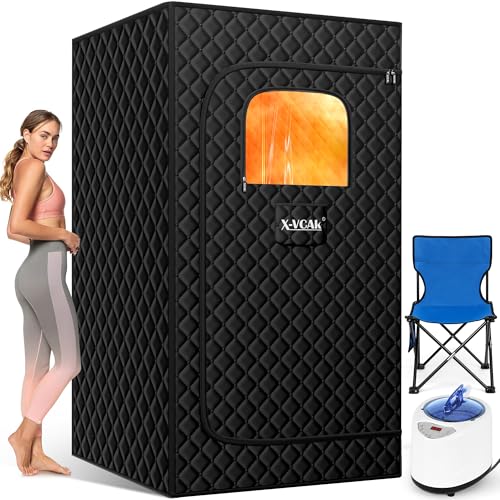
X-Vcak Upgraded Portable Sauna for Home,Relaxation, Steam Sauna for Home with Steamer, Remote Control, Folding Chair, 9 Levels
The high-power steamer can quickly generate steam and shorten the preheating time. You can set the temperature and...
As an affiliate, we earn on qualifying purchases.

X-Vcak 2 Person Sauna, Extra Large Sauna, Portable Steam Sauna Tent with 2 Steamers, 2 Folding Chair, 71”x 49”x 36”, Black
【Extra Large Size 71”x 49”x 36”】This double portable sauna allows two people to sauna at the same time....
As an affiliate, we earn on qualifying purchases.