
TL;DR
A Nov. 14, 2026, New York Times report says some older adults may not need to lose modest amounts of weight, particularly when their health is stable. The report highlights questions about applying standard weight measures to older people, but the supplied material does not provide study findings establishing that extra weight itself improves health.
A New York Times report published Nov. 14 examines why researchers say many older adults do not need to lose weight, even as GLP-1 medications draw attention as weight-loss treatments. The article’s supplied excerpt focuses on a 72-year-old woman whose doctor considers her body mass index healthy, but it does not include the research details needed to establish that extra weight itself benefits older people.

Get workout gear delivered free with Prime
- Fast, free delivery on millions of items
- Prime Video, Amazon Music and more included
- Member-only deals all year
The article describes Glenna Ganster, 72, a retired mental health counselor in Tucson, who has struggled with 10 to 15 pounds she gained after menopause. She and her husband tried intermittent fasting, restricting calories on three days each week and eating freely on the other four. The approach initially reduced their weight, she said, but they stopped after about two years and the pounds returned.
Ganster has since added cardio and squats to her regular weight training and daily walks of three to four miles. She also bakes treats using ingredients such as black beans and chickpeas. She said she is tempted by GLP-1 drugs, but her doctor discouraged her interest, telling her that her BMI of 25.7 was compatible with a healthy size.
The excerpt presents her experience as an example, not as proof of a general health effect. It says researchers argue that many people do not need to shed pounds, but the available text provides no study results, named researchers, or clinical recommendations to explain how that view applies across older adults.
Weight Goals After Age 65
The question matters because older adults may face pressure to pursue weight loss, including through medication, even when a clinician considers their current weight healthy. The report’s framing challenges the assumption that weight reduction is automatically beneficial for every older person. It does not establish that gaining or keeping extra weight is beneficial for any particular individual.
Ganster’s account also distinguishes a personal preference from a medical indication. She wants to fit into clothes from earlier in life and says she does not want to look like her mother or grandmother. Those concerns are personal, while her doctor’s advice reflects an assessment of her current health. The supplied excerpt does not describe other measures—such as her medical history, strength, or nutrition—that might inform an individual weight decision.
Products Worth Considering
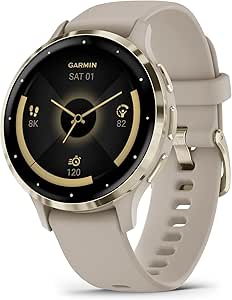
Garmin Venu 3S GPS Fitness Smartwatch, 41 mm, French Gray

Oral-B iO5 Rechargeable Electric Toothbrush with Visual Pressure Sensor, Travel Case, and 3 Brush Heads (Black)

Withings Body Smart Wi-Fi and Bluetooth Body Composition Scale
As an affiliate, we earn on qualifying purchases.
A Patient Weighs Her Options
The report appears in The New York Times’ New Old Age coverage and was published during a period of public interest in medications used for weight loss. Its headline asks why a little extra weight may benefit older people, while the accompanying preview says researchers believe many people do not need to shed pounds even in the age of obesity drugs.
The excerpt gives limited background on the evidence behind that position. It does not name a study or define what counts as “a little extra” weight for older people. Ganster’s case therefore supplies a concrete account of one person’s experience with dieting, exercise, and a physician’s advice, rather than a population-level finding.
““You’re fine, you’re absolutely fine. Don’t worry about it,””
— Ganster’s doctor, as quoted by Ganster
Limits of the Available Evidence
The supplied article preview does not include the full report, so the research basis for the headline remains unavailable. It provides no study design, participant numbers, outcome measures, or estimates of how any relationship between weight and health differs with age. The headline’s suggestion that extra weight may help should not be read as proof of a benefit.
It is also unclear how the report defines “older people,” what degree of additional weight it discusses, or which health conditions and personal circumstances might change the advice. The excerpt does not state whether researchers recommend weight maintenance, weight loss, or a different approach for particular groups. Ganster’s account alone cannot answer those questions.
Full Report and Individual Advice
The next step for readers seeking the evidence is to consult the full New York Times report and any studies or expert guidance it cites; those details are not present in the supplied preview. Until they are available, the confirmed development is the report’s discussion of the issue and Ganster’s account, not a new clinical guideline.
For older adults considering weight-loss medication or changes to diet and exercise, the excerpt supports no universal recommendation. Decisions should be discussed with a health professional who can consider an individual’s health and goals. Whether modestly higher weight is beneficial, neutral, or harmful may depend on factors that the available source does not specify.
Key Questions
Does the report prove that extra weight benefits older people?
No. The supplied excerpt says researchers argue many people do not need to lose pounds, but it includes no research results establishing that extra weight itself improves health.
What was Ganster’s BMI?
Ganster said her BMI was 25.7. Her doctor told her she was fine and discouraged her interest in weight-loss drugs, according to the excerpt.
Did intermittent fasting work for her?
Ganster said she and her husband initially lost weight while restricting calories three days a week. They stopped after about two years because they were tired of the routine, and she said the pounds returned.
Does the excerpt recommend GLP-1 drugs or weight loss?
No. It reports Ganster’s interest in GLP-1 medications and her doctor’s advice, but offers no general treatment recommendation in the available text. Individual decisions require advice from a health professional.
Source: nytimes.com