

To debrief your race effectively, honestly review your performance by analyzing split times, pacing, and effort levels, checking if your strategy met your goals. Reflect on how you managed emotions and resilience under stress, noting any mental lapses. Consider external factors like weather and course challenges, and gather feedback from coaches or officials. Use detailed data to spot patterns and develop actionable plans for next time. Keep improving; if you continue exploring, you’ll find even more ways to boost your performance.

Get workout gear delivered free — and shop member deals
- Fast, free delivery on millions of items
- Access to Prime Big Deal Days deals on October 6–7
- Prime Video, Amazon Music and more included
Key Takeaways
- Review race data and split times to identify strengths and areas for improvement.
- Honestly assess emotional resilience and mental focus during challenging moments.
- Gather external feedback and consider weather, course, and unforeseen obstacles.
- Develop a specific action plan addressing pacing, tactics, and mental techniques for next race.
- Keep a race journal to track progress, insights, and adjustments over time.
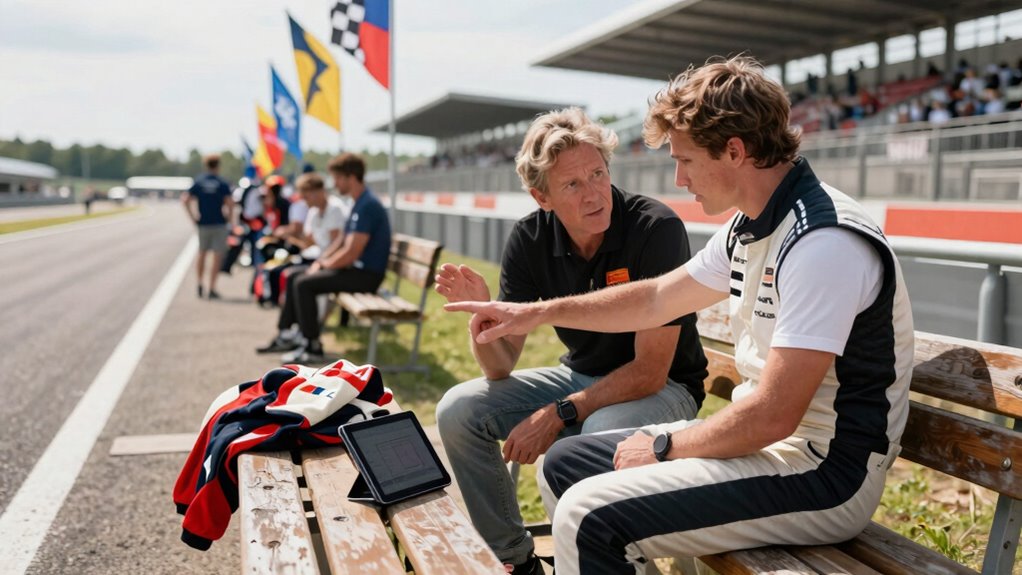
After you review your race, be honest about both successes and setbacks. Look at the data — your split times, pacing, and effort levels. Did your race strategy align with your goals? If not, what adjustments can you make? Maybe you need to refine your pacing or incorporate different tactics, like a surge at a specific mile or a more conservative start. But don’t just focus on physical metrics. Think about your emotional resilience. Did you stay positive when things got tough? Did you give up mentally during difficult moments? Understanding how you handle stress and setbacks during a race helps you build mental toughness, which is just as important as physical preparation. Incorporating mental resilience techniques into your training can significantly improve your performance under pressure.
Debriefing also involves considering external factors. Was the weather tougher than expected? Did the course present unexpected challenges? These elements can influence your performance and should be part of your analysis. Knowing what external factors impacted you lets you prepare better for similar conditions in future races. It’s also beneficial to gather feedback from others—coaches, training partners, or race officials—who might have observed things you didn’t notice. Their insights can shed light on areas you might overlook. Additionally, reviewing race data in detail can reveal patterns or habits worth addressing. Recognizing the importance of data analysis helps you identify consistent issues and track your progress over time. Developing a systematic approach to performance review ensures you extract valuable lessons from each race. Incorporating self-assessment methods can deepen your understanding of your strengths and weaknesses, making your debriefs even more effective.
Once you’ve gathered your observations, create a concrete plan for improvement. If your race strategy needed adjustment, outline specific tactics to try next time. If emotional resilience was a weak point, develop mental exercises or routines to strengthen your focus and composure. The key is to turn your debrief into actionable steps. Keep a race journal to track your insights and progress over time. Each race becomes a learning experience, so you’re better prepared mentally and physically for the next challenge. By consistently analyzing your performance, you guarantee that each race helps you grow stronger and more resilient.
running race performance analysis tools
As an affiliate, we earn on qualifying purchases.
As an affiliate, we earn on qualifying purchases.
Frequently Asked Questions
How Soon After the Race Should I Debrief?
You should debrief within 24 hours of the race to keep details fresh. Use this time for a mental review, analyzing your race timing and performance. Discuss what went well and identify areas for improvement. This quick reflection helps you stay objective and motivated. The sooner you review, the better you’ll remember specifics, making your debrief more effective and setting you up for a stronger next race.
What Tools Are Best for Analyzing Race Data?
Think of race data tools as your personal GPS for improvement. You’ll find that data visualization platforms like Strava, TrainingPeaks, or WKO5 are best for analyzing race data. They help you interpret performance metrics effectively, turning raw numbers into clear insights. Use these tools to identify strengths and weaknesses, guiding your training adjustments. With precise analysis, you’ll navigate your way to better results and a smoother race experience.
Should I Involve My Coach in the Debrief?
Yes, involving your coach in the debrief is essential. They can help you analyze race data, focusing on aspects like race nutrition and mental resilience, which are vital for improvement. Your coach provides an objective perspective, helping you identify strengths and areas for growth. Together, you can develop tailored strategies to optimize nutrition plans and mental toughness for your next race, ensuring continuous progress and enhanced performance.
How Do I Stay Objective During the Debrief?
Think of your debrief as a detective’s investigation—staying objective helps avoid bias awareness from clouding your judgment. To maintain emotional detachment, focus on facts, not feelings, and review race data and performance logs. Remember, you’re analyzing for improvement, not blame. Keep questions open-ended and invite input from others, which encourages a clear perspective. This approach helps you see the race objectively, so you can identify real lessons and improve.
What Common Mistakes Should I Avoid in Debriefing?
When debriefing, avoid common mistakes like letting bias awareness slip or losing emotional control. Stay objective by focusing on facts rather than assumptions or feelings. Don’t blame others or get defensive, as that clouds judgment. Keep emotions in check and listen carefully to all perspectives. This approach guarantees your debrief remains constructive, highlights real issues, and helps you improve without getting sidetracked by personal biases or emotional reactions.
Conclusion
Think of your race as a puzzle; each piece—your strengths, mistakes, and surprises—fits together to create the full picture. When you debrief, you’re not just sorting through the pieces, but assembling a clearer image of what worked and what didn’t. Use this insight to fine-tune your strategy and sharpen your skills. With each race, you’re building a masterpiece, one thoughtful reflection at a time, turning setbacks into stepping stones for your next victory.
Fall Picks
fall essentials
As an affiliate, we earn on qualifying purchases.