
To plan your life around your menstrual cycle, track your phases to adjust workouts and activities accordingly. During the follicular phase, when energy and motivation are higher, focus on strength training and intense sessions. In the luteal phase, opt for lighter activities like yoga or walks to match lower energy levels. During your period, prioritize rest or gentle exercises. Understanding these shifts helps manage fatigue and optimize performance—if you want to discover how to align your entire routine, keep going.
Key Takeaways
- Align high-intensity workouts with the follicular phase when estrogen boosts energy and motivation.
- Schedule lighter activities or rest during the luteal phase to accommodate fluctuating energy and mood.
- Prioritize gentle exercises or recovery during menstrual days to support physical and emotional wellbeing.
- Use body signals to adjust training intensity, preventing overtraining and burnout throughout the cycle.
- Plan your overall schedule around hormonal changes to enhance performance, consistency, and life balance.

Have you ever wondered how your menstrual cycle impacts your training? The truth is, hormonal fluctuations throughout your cycle can considerably influence your performance, energy levels, and recovery. Understanding these changes allows you to better manage your energy and tailor your workouts for ideal results. During different phases of your cycle, your hormone levels shift—estrogen, progesterone, and other hormones rise and fall, affecting everything from muscle strength to endurance. Recognizing these patterns helps you plan your training smarter, rather than pushing through days when your body might need extra rest or lighter activity.
In the follicular phase, which starts on the first day of your period and lasts until ovulation, estrogen levels gradually increase. This hormone boost tends to enhance your energy, improve mood, and increase your motivation. You might find that workouts feel easier and more effective during this time, making it ideal for strength training or high-intensity sessions. Since your energy management is more predictable here, you can push yourself a little harder, knowing your body is primed for performance. However, it’s still important to listen to your body and avoid overtraining, especially if you’re feeling fatigued.
As you move into the luteal phase, after ovulation, progesterone rises while estrogen dips. This shift can lead to increased fatigue, bloating, and mood swings, which may impact your motivation and physical capacity. During this phase, your energy levels might fluctuate more, so it’s wise to adjust your training intensity accordingly. Focus on moderate workouts, like yoga, walking, or lighter cardio, to avoid overexertion. This period is also critical for recovery and maintaining consistency without risking burnout. Paying attention to your body’s signals helps you manage your energy more effectively and prevents setbacks.
The menstrual phase itself can vary widely from person to person, with some experiencing heavy flow and discomfort. During this time, you might notice decreased strength, endurance, or motivation. That’s perfectly normal. Instead of forcing high-intensity workouts, prioritize gentle exercises or rest when needed. This approach supports your overall wellbeing and allows your body to recover naturally. Remember, managing your energy isn’t just about pushing harder; it’s about respecting your body’s current needs. By aligning your training with your cycle, you can maximize your performance, reduce fatigue, and stay consistent over the long term. Additionally, choosing optimal training tools, such as a home projector setup, can help you seamlessly adapt your workout environment to suit your energy levels and preferences.

Day By Cycle: Daily Planner for Women | Starter 3-Month Edition: Plan your life by your cycle — a science-backed framework for women optimizing health, focus, and productivity.
As an affiliate, we earn on qualifying purchases.
As an affiliate, we earn on qualifying purchases.
Frequently Asked Questions
Can Menstrual Cycle Tracking Improve Athletic Performance?
Yes, tracking your menstrual cycle can improve athletic performance by enabling cycle synchronization with your training. You’ll better understand hormonal patterns that influence strength, endurance, and recovery. By aligning intense workouts with high-energy phases and easing up during lower-energy times, you optimize results and reduce injury risk. Monitoring your cycle empowers you to tailor your training plan, helping you perform at your best throughout each phase.
How Does Hormonal Fluctuation Affect Recovery Times?
Hormonal impact causes recovery variation, making it harder to predict how quickly you’ll bounce back at different cycle stages. During your luteal phase, higher progesterone levels can increase inflammation and fatigue, delaying recovery. Conversely, estrogen peaks in the follicular phase may promote faster healing. Understanding these fluctuations helps you plan rest and training, optimizing recovery times and reducing injury risk. Being aware of hormonal impact allows for smarter, cycle-informed training strategies.
Are There Specific Exercises Recommended During Different Cycle Phases?
During different cycle phases, you should tailor your workouts based on hormonal impact. During the follicular phase, opt for high-intensity exercises as energy levels are higher. In the luteal phase, consider exercise modifications like lowering intensity or focusing on restorative activities, since hormonal fluctuations can cause fatigue. Adjusting your routine this way helps you stay consistent, reduce discomfort, and optimize your training results throughout your cycle.
What Are Signs of Overtraining Related to Menstrual Cycle Symptoms?
Think of your body as a finely tuned orchestra; overtraining can cause hormonal imbalance, leading to fatigue symptoms that disrupt your rhythm. Signs include persistent exhaustion, decreased performance, and mood swings during your cycle. If you notice these, you might be pushing too hard. Listening to your body and adjusting intensity helps prevent overtraining, ensuring your hormonal harmony stays intact and your energy remains balanced through each phase.
How Can Diet Be Adjusted Throughout the Cycle for Optimal Energy?
To optimize energy throughout your cycle, focus on nutrient timing and meal customization. During the luteal phase, include complex carbs and healthy fats to boost energy and stabilize mood. In the follicular phase, prioritize lean proteins and fresh vegetables for sustained stamina. Adjust portion sizes based on your activity level, and listen to your body’s signals. By tailoring your diet, you support your body’s changing needs and enhance overall performance.

Hormone & Cycle Tracker for Women: Track Your Period, Mood, Energy & Hormonal Changes Throughout Every Phase
As an affiliate, we earn on qualifying purchases.
As an affiliate, we earn on qualifying purchases.
Conclusion
By tuning into your body’s natural rhythms, you’ll craft a symphony of strength and resilience that flows seamlessly through your days. Like a master gardener tending to different blooms at their peak, adjusting your training to your cycle allows your energy to flourish and your spirit to soar. Embrace this dance with your biology; it’s your personal masterpiece, turning each month into a canvas of growth and empowered living.
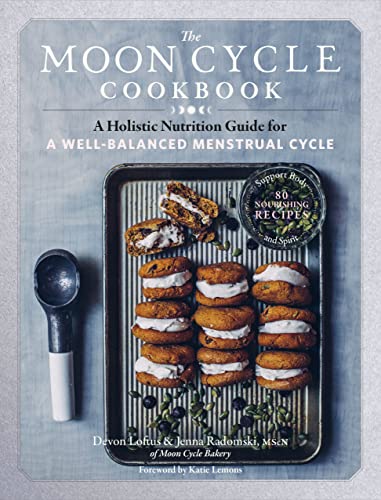
The Moon Cycle Cookbook: A Holistic Nutrition Guide for a Well-Balanced Menstrual Cycle
As an affiliate, we earn on qualifying purchases.
As an affiliate, we earn on qualifying purchases.

Season Mat Log: The 4-Week Wrestling Training & Competition Journal: A Cycle-Based System for Wrestlers to Track Practice, Matches, Technique & Progress
As an affiliate, we earn on qualifying purchases.
As an affiliate, we earn on qualifying purchases.