Foam rollers come in various types, like soft for beginners, firm for deep tissue, and textured for targeting trigger points, each suited for different needs. Use them before workouts to warm up muscles and after to aid recovery, helping improve flexibility and prevent injuries. Focus on sore or tight muscles, adjusting pressure to stay comfortable. Want to discover how to choose the right roller and perfect your technique? Keep exploring for expert tips and insights.
Key Takeaways
- Foam rollers come in various types, including soft, firm, and textured, suited for different muscle needs and sensitivity levels.
- Use foam rollers before workouts to warm up muscles and after workouts to aid recovery and reduce soreness.
- Target specific tight or sore muscles, avoiding inflamed areas, to maximize benefits and prevent injury.
- Incorporate foam rolling several times weekly as part of your routine for improved flexibility and injury prevention.
- Adjust pressure and duration based on muscle response, focusing on trigger points and tender areas for optimal results.

Foam rollers have become a popular tool for athletes and fitness enthusiasts looking to improve muscle recovery and flexibility. When you incorporate foam rolling into your routine, you’re actively supporting your muscles’ ability to recover faster and reducing the risk of injury. By rolling out tight or sore muscles, you promote better blood flow, which delivers essential nutrients and oxygen to tissues, speeding up recovery. This process isn’t just about feeling better after workouts; it’s also a proactive approach to injury prevention. When muscles are tight and stiff, they’re more prone to strains and imbalances that can lead to more serious injuries down the line. Using a foam roller regularly helps keep your muscles supple and balanced, lowering the chances of pulling a muscle or developing overuse injuries.
Understanding when to roll is vital. Ideally, you should incorporate foam rolling both before and after exercise. Pre-workout, it helps warm up your muscles, loosening tight areas so they’re less likely to strain during activity. Post-workout, foam rolling aids in flushing out lactic acid and other metabolic waste, which can contribute to soreness. By doing this, you not only recover faster but also maintain your range of motion, which is essential for performance and injury prevention. It’s important to listen to your body; if a particular muscle feels especially tight or tender, spend extra time on it, but avoid rolling directly over painful or inflamed areas. Instead, target surrounding muscles to release tension and promote healing.
Choosing the right type of foam roller depends on your needs. Softer rollers are gentle, making them suitable for beginners or those with sensitive muscles. Firm rollers provide deeper pressure, which is effective in breaking up knots and fascia restrictions. Some rollers come with textured surfaces, which can offer more targeted pressure, especially for trigger points. Regardless of the type, consistency is key. Incorporate foam rolling into your routine several times a week, especially after intense training sessions or long periods of inactivity. As you become more familiar with how your muscles respond, you’ll learn the ideal pressure and duration needed to maximize benefits without causing discomfort.
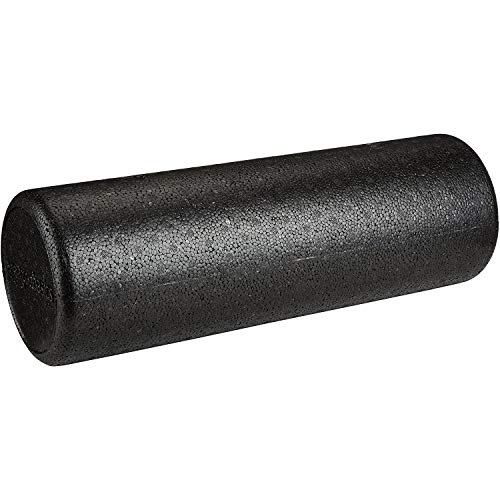
Amazon Basics High-Density Foam Roller for Exercise and Recovery, 18 Inches, Black
High-density foam roller in Black
As an affiliate, we earn on qualifying purchases.
As an affiliate, we earn on qualifying purchases.
Frequently Asked Questions
Can Foam Rolling Improve Athletic Performance Long-Term?
Yes, foam rolling can improve your athletic performance long-term by boosting muscle recovery and preventing injuries. When you regularly use a foam roller, you help release muscle tension, increase blood flow, and enhance flexibility. These benefits reduce injury risk and keep your muscles in ideal condition. Over time, consistent foam rolling supports better movement quality, stamina, and strength, making you a more resilient and efficient athlete.
Are There Any Risks for Beginners Using Foam Rollers?
While foam rolling is generally safe, beginners should be cautious to avoid any unintended discomfort. Using proper technique is key; applying gentle pressure and avoiding sensitive areas helps prevent injury. Start slowly, listen to your body, and don’t push too hard. This approach guarantees injury prevention, allowing you to enjoy the benefits safely. With mindful practice, foam rolling becomes a helpful addition to your fitness routine without unnecessary risks.
How Often Should I Incorporate Foam Rolling Into My Routine?
You should incorporate foam rolling into your daily routines, especially if you want to prevent injuries. Aim for 5 to 10 minutes of rolling each day, focusing on major muscle groups. Consistent use helps improve flexibility, reduce muscle tension, and promote recovery. However, listen to your body—if you feel pain, ease up or rest. Regular foam rolling becomes a simple, effective part of injury prevention and overall wellness.
Can Foam Rolling Help With Chronic Pain Conditions?
Foam rolling can be a game-changer for chronic pain, offering incredible muscle relaxation and pain relief. You might feel like a new person as you loosen tight muscles and ease persistent discomfort. While it’s not a cure-all, consistent use helps reduce inflammation and improve mobility. Just remember, for serious conditions, it’s best to consult a healthcare professional, but foam rolling can be a powerful tool in managing chronic pain daily.
What Are the Best Techniques for Targeting Specific Muscles?
To target specific muscles effectively, focus on muscle targeting and technique precision. Use slow, controlled motions and apply gentle pressure, adjusting based on your comfort level. Focus on the muscle belly, avoid joints, and pause on tender spots to release tension. Maintain proper body positioning, and breathe deeply to relax your muscles. Consistent, deliberate movements help make certain you hit the right areas and maximize the benefits of foam rolling.

TriggerPoint Grid 1.0 Foam Roller – 13" Multi-Density Massage Roller for Deep Tissue & Muscle Recovery – Relieves Tight, Sore Muscles & Kinks, Improves Mobility & Circulation – Targets Key Body Parts
IMPROVE MUSCLE RECOVERY – Multi-density GRID features a three-dimensional surface that provides more efficient muscle recovery by promoting…
As an affiliate, we earn on qualifying purchases.
As an affiliate, we earn on qualifying purchases.
Conclusion
Now, picture yourself gripping a foam roller, feeling its firm surface beneath your hands. As you roll, imagine knots and tension melting away like ice melting under the sun, leaving your muscles smooth and ready for action. With each gentle press and glide, you’re carving out space for movement and recovery. Keep rolling, and let the soothing pressure transform your muscles into a landscape of relief, empowering you to move freely and confidently through your day.
TriggerPoint Grid 1.0 Foam Roller – 13" Multi-Density Massage Roller for Deep Tissue & Muscle Recovery – Relieves Tight, Sore Muscles & Kinks, Improves Mobility & Circulation – Targets Key Body Parts
IMPROVE MUSCLE RECOVERY – Multi-density GRID features a three-dimensional surface that provides more efficient muscle recovery by promoting…
As an affiliate, we earn on qualifying purchases.
As an affiliate, we earn on qualifying purchases.
Amazon Basics High-Density Foam Roller for Exercise and Recovery, 18 Inches, Black
High-density foam roller in Black
As an affiliate, we earn on qualifying purchases.
As an affiliate, we earn on qualifying purchases.