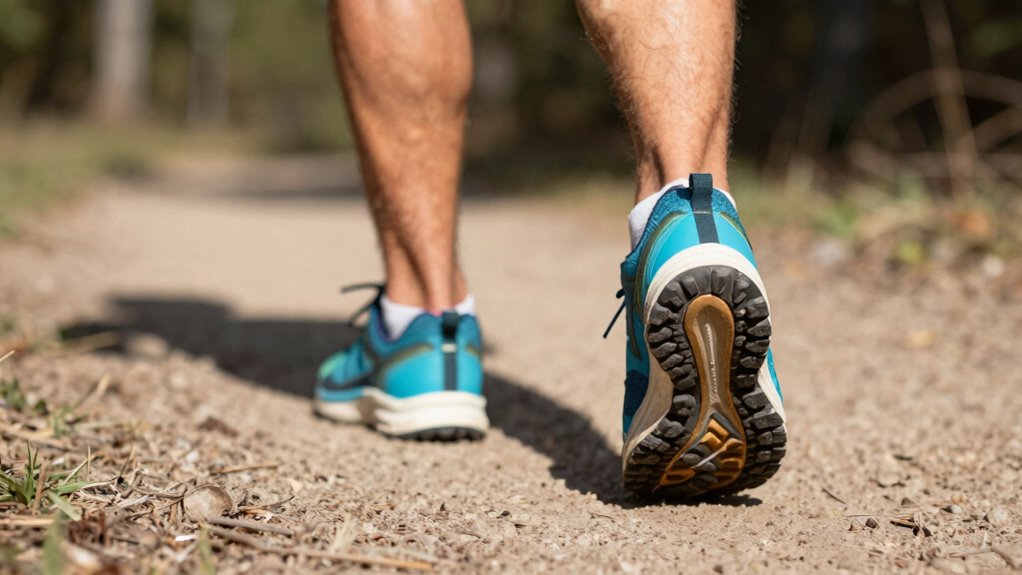

To know if a stability shoe is helping you, pay attention to how your feet feel during and after activities. You should notice less discomfort or pain in your feet, knees, or hips. Check for even wear on the shoe sole, which indicates good support. If your feet feel stable without excessive movement while still allowing for natural motion, that’s a good sign. Want to enhance your understanding of what to look for in footwear? Keep exploring.

Get workout gear delivered free — and shop member deals
- Fast, free delivery on millions of items
- Access to Prime Big Deal Days deals on October 6–7
- Prime Video, Amazon Music and more included
Key Takeaways
- Evaluate comfort levels during activities; reduced pain indicates effective support from the stability shoe.
- Monitor any wear patterns on the shoe sole for signs of proper alignment and support.
- Check for adequate arch support; it should feel like a gentle hug around your foot’s arch.
- Reassess shoe fit if discomfort persists, as proper fitting is essential for stability and injury prevention.
- Note improvements in balance and overall performance, as effective shoes enhance stability during movement.
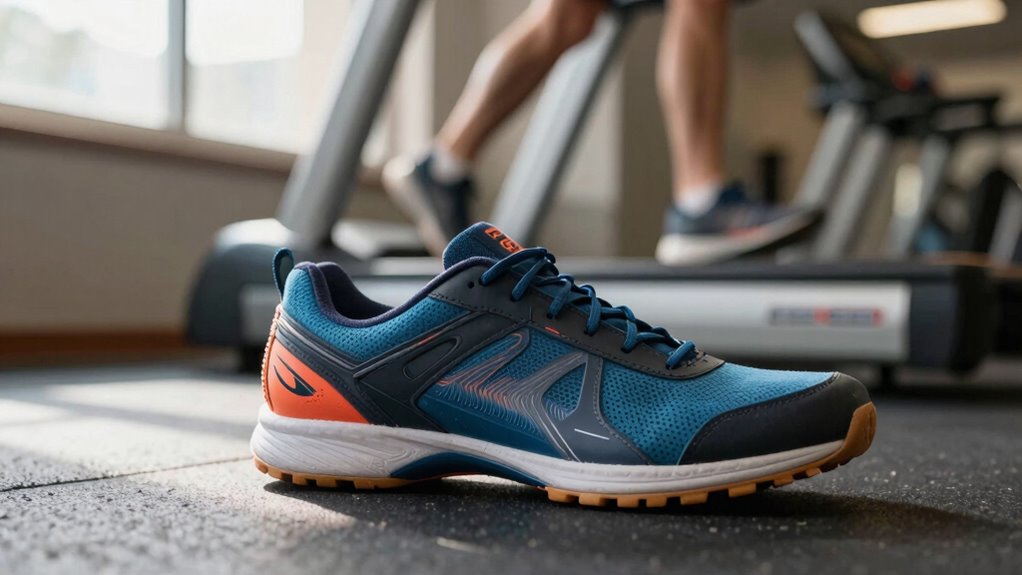
Have you ever wondered if your stability shoes are truly making a difference? It’s a valid question, especially if you’re investing time and money into finding the perfect pair. The right shoes should enhance your performance and comfort, but how can you tell if they’re doing their job? One of the first things to contemplate is the quality of your shoe fitting. If your shoes aren’t properly fitted to your feet, no amount of stability technology will help. Make certain you’re trying on shoes at the end of the day when your feet are slightly swollen, as this will give you a more accurate fit.
When you slip your feet into a pair of stability shoes, pay attention to how they feel. You should experience a snug fit without any pinching or excessive movement. Your toes shouldn’t be cramped, and you should have a bit of space to wiggle them. A good shoe fitting goes beyond just size; it involves evaluating the width and arch support as well. If you have high arches, look for shoes designed specifically for that feature. If your arches are low, you’ll need shoes that offer proper support to prevent overpronation. A shoe that aligns with your foot’s natural shape can make a world of difference.
Pay attention to how your stability shoes fit—snug, yet comfortable, with enough room for your toes to move freely.
Next, think about the arch support the shoes provide. If you’re feeling discomfort or pain in your feet, knees, or hips, it could be a sign that your shoes aren’t offering enough support. Ideally, the arch support should feel like a gentle hug around your foot’s arch, providing stability without feeling overly rigid. If you’re running or walking long distances, this support will help distribute pressure evenly, reducing the risk of injury. Ensuring your shoes provide appropriate arch support can significantly impact your overall comfort and injury prevention. Additionally, understanding foot biomechanics can help you select footwear that complements your natural gait and movement patterns.
After wearing your stability shoes for a while, take note of how you feel during and after your activities. If you notice a reduction in pain or discomfort, that’s a good sign your shoes are doing their job. Conversely, paying attention to wear patterns on the sole can help identify if your shoes are functioning correctly or if they need replacing. Properly fitted shoes with the right support can also help prevent foot-related issues, especially in seniors who might be more vulnerable to balance problems. On the flip side, if you’re still experiencing issues, it might be time to reassess your choice. Sometimes, even the most advanced technology can’t compensate for a poor fit or inadequate support. Remember, proper fit and support are essential for the shoes to be effective.
Ultimately, finding the right stability shoes is a process that requires attention to detail. By focusing on shoe fitting and arch support, you can guarantee that your footwear enhances your performance and keeps you comfortable. So, lace up those shoes and pay attention; they might just be the difference you’re looking for.
stability running shoes for overpronation
As an affiliate, we earn on qualifying purchases.
As an affiliate, we earn on qualifying purchases.
Frequently Asked Questions
How Do Stability Shoes Differ From Neutral Shoes?
Stability shoes differ from neutral shoes primarily in how they address pronation types and foot arch. If you overpronate, stability shoes offer support to help control excessive inward rolling, providing a firmer midsole and additional structure. Neutral shoes, on the other hand, cater to those with normal pronation and higher arches, allowing for more flexibility and cushioning. Choosing the right type based on your pronation can enhance comfort and performance during your runs.
Can Stability Shoes Prevent Injuries?
Yes, stability shoes can help prevent injuries by supporting proper foot biomechanics. They’re designed to correct overpronation, which can lead to issues like shin splints or plantar fasciitis. When you wear them, you’ll likely notice better alignment and less strain on your joints. If you consistently feel comfortable and experience fewer aches during and after your runs, those stability shoes might be doing their job in keeping you injury-free.
How Often Should I Replace My Stability Shoes?
You won’t believe how quickly your shoes can wear out! Typically, you should replace your stability shoes every 300 to 500 miles, depending on your weight and running style. Key replacement indicators include visible wear on the outsole, reduced cushioning, or discomfort during runs. If you notice any of these signs, it’s time for a new pair to guarantee peak performance and support. Don’t wait until they’re completely worn out!
Are There Specific Brands Known for Good Stability Shoes?
Yes, there are several brands known for good stability shoes. You can try the Asics Gel series for cushioning and support, or the Brooks Adrenaline for a reliable fit. The Saucony Guide offers great stability, while New Balance is well-regarded for comfort. Hoka One is popular for its lightweight design, and Mizuno Wave provides excellent durability. Each brand has unique features, so it’s worth testing a few to find your perfect match.
Can I Use Stability Shoes for Different Activities?
Yes, you can use stability shoes for different activities, but keep shoe compatibility in mind. While they offer cross-training benefits, such as added support during various workouts, make certain they suit the specific demands of each activity. For instance, they might work well for gym sessions or light jogging, but may not provide the flexibility needed for high-intensity training. Always assess how they feel during your workouts to guarantee you’re getting the best support.
Conclusion
To truly know if a stability shoe is helping you, pay attention to how you feel. Notice if your comfort improves, if your stride feels smoother, and if your aches diminish. Trust your body’s signals; if you’re running longer, feeling stronger, and recovering faster, your shoes are likely doing their job. Embrace the journey, listen to your feet, and celebrate the progress. With the right stability shoe, you can run with confidence, run with ease, and run with joy.
Fall Picks
fall essentials
As an affiliate, we earn on qualifying purchases.