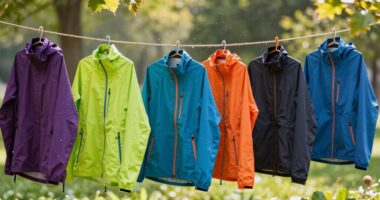
To layer a shell, vest, and base layer without overheating, start with a lightweight, moisture-wicking base layer. Choose a fitted vest for insulation that traps heat while allowing breathability. Your outer shell should be lightweight and waterproof, featuring ventilation options. Make sure each layer fits comfortably without being too tight. Adjust your layers based on activity and temperature—don’t hesitate to unzip or remove layers if you feel warm. There’s more to mastering this technique for ultimate comfort.

Get workout gear delivered free with Prime
- Fast, free delivery on millions of items
- Prime Video, Amazon Music and more included
- Member-only deals all year
Key Takeaways
- Choose moisture-wicking base layers made of merino wool or synthetic blends to keep dry and comfortable.
- Opt for a fitted vest with insulation that traps heat without adding bulk for optimal warmth.
- Select a lightweight outer shell with ventilation options to regulate temperature and prevent overheating.
- Ensure all layers fit comfortably, allowing freedom of movement and preventing heat retention.
- Adjust layers throughout the day based on activity level and body temperature to maintain comfort.
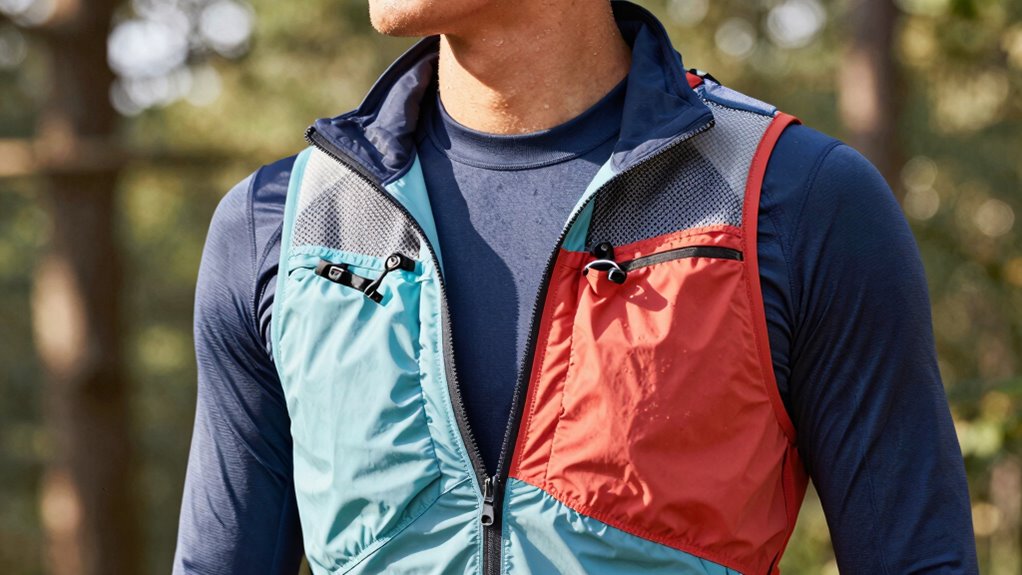
Layering is one of the most versatile techniques in fashion, allowing you to create stylish looks while staying comfortable in varying temperatures. When it comes to layering a shell, vest, and base layer without overheating, the right fabric choices and insulation types are essential. You want to guarantee that each piece works together seamlessly, providing warmth without making you feel like you’re in a sauna.
Start with your base layer. This is your first line of defense against the cold, so choose a lightweight material that wicks moisture away from your skin. Fabrics like merino wool or synthetic blends are excellent options. They keep you dry and regulate your body temperature, which is important for layering. Avoid cotton, as it retains moisture and can leave you feeling damp and chilly. Moisture-wicking fabrics are key to maintaining comfort throughout the day.
Next, add a vest. This piece should serve as a mid-layer, providing additional insulation without bulk. Look for vests that use down or lightweight synthetic insulation types. These materials trap heat effectively while allowing for breathability. A fitted vest will keep warmth close to your body without restricting your movements. Layering a vest over your base layer not only adds warmth but also enhances your style, giving you a polished look. Incorporating proper insulation materials can further improve your comfort and heat retention.
Now, let’s talk about the shell. This outer layer should be lightweight yet protective. A good shell will shield you from wind and rain while still being breathable. Look for fabrics that feature waterproof and windproof technology, such as Gore-Tex or other similar materials. These shells often come with ventilation options, which can help regulate your temperature, especially if you start to feel too warm. Additionally, understanding the importance of fabric technology can help you select the most effective outer layer. Choosing a shell with adjustable features can also improve your overall comfort and adaptability.
As you layer these three pieces, pay attention to how they fit together. You don’t want any of the layers to be too tight, as this can trap heat and lead to overheating. Instead, aim for a comfortable fit that allows for movement. If you’re layering for a specific activity, such as hiking or skiing, consider how much insulation you’ll need based on the intensity of your exertion.
Finally, remember to adjust your layers as needed throughout the day. If you start to feel warm, unzip your shell or remove the vest for a quick temperature adjustment. Layering effectively means being adaptable, so keep an eye on how your body feels. With the right fabric choices and insulation types, you can master the art of layering and stay stylishly comfortable all day long.
moisture-wicking merino wool base layer
As an affiliate, we earn on qualifying purchases.
As an affiliate, we earn on qualifying purchases.
Frequently Asked Questions
What Materials Are Best for Each Layering Piece?
For your base layer, opt for moisture-wicking materials like merino wool or synthetic fabrics; they’ll keep you dry and comfortable. For the vest, look for lightweight insulation, like down or synthetic fill, which provides warmth without bulk. Finally, choose a shell fabric that’s breathable and water-resistant, such as Gore-Tex or similar materials, to protect you from the elements while allowing body heat to escape. This combo helps maintain your comfort.
How Do I Choose the Right Size for Layering?
Choosing the right size for layering is like finding the perfect puzzle piece—it needs to fit just right. Start by checking size charts, as they guide you through fit considerations. You want each layer to snugly hug your body without restricting movement. Remember, your base layer should be close-fitting, while your shell and vest can have a bit more room to allow for airflow. Trust the numbers, and you’ll stay comfortable.
Can I Mix Different Brands for Layering?
Yes, you can mix different brands for layering. Just make sure the fabrics are compatible regarding breathability and moisture-wicking properties. This layering versatility allows you to create a customized outfit that suits your needs. Check that each layer fits well together; too tight or too loose can hinder performance. Ultimately, comfort and functionality matter more than sticking to a single brand, so choose what works best for you.
How Do I Care for My Layering Pieces?
Think of your layering pieces as delicate treasures, like vintage vinyl records. To keep them in top shape, focus on fabric maintenance. Use gentle washing techniques, like cold water cycles and mild detergents, to avoid damage. Skip the fabric softeners, as they can clog the fibers. Air dry your layers to prevent shrinkage and wear. With these simple steps, you’ll keep your layers performing well for all your adventures.
When Is the Best Time to Wear This Layering System?
The best time to wear this layering system is during changing seasons, like fall or spring, when the weather’s unpredictable. If you’re engaging in high-intensity activities, the ideal weather for this setup is cool but not freezing—ideally between 40°F to 60°F. You’ll appreciate the versatility it offers, letting you adjust layers as your activity level changes, ensuring you stay comfortable without overheating. Enjoy your outdoor adventures with the right gear!
Conclusion
By mastering the art of layering, you can stay comfortable without overheating. Remember, “Dress for the weather, not the season.” Choose breathable fabrics for your base layer, opt for a lightweight vest, and finish with a shell that lets moisture escape. Adjust as needed throughout the day to maintain your ideal temperature. With these tips, you’ll enjoy your outdoor adventures without the discomfort of excess heat. Stay smart, stay comfortable!
Halloween Picks
halloween
As an affiliate, we earn on qualifying purchases.