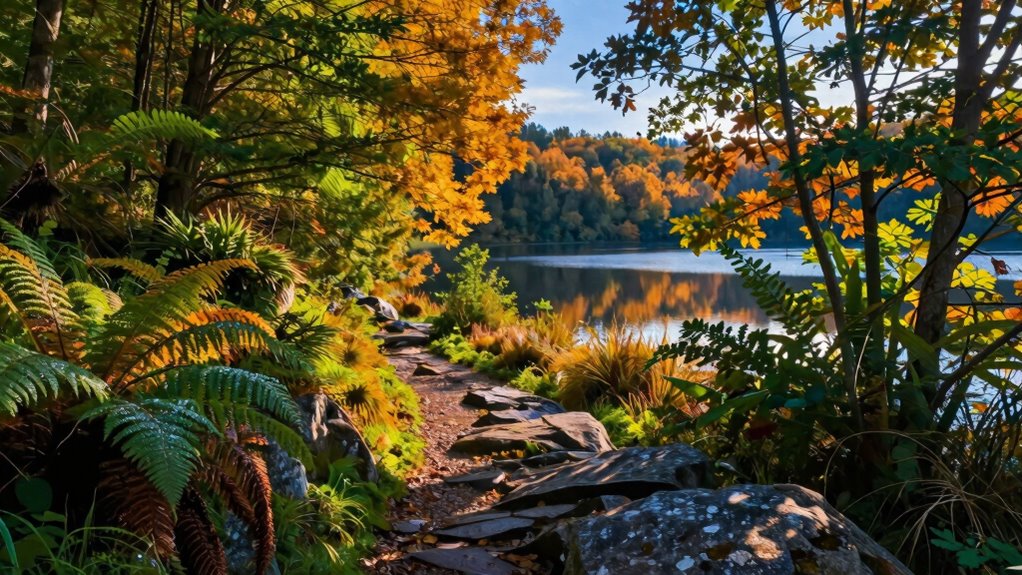

Lens tint changes what you notice on trails by enhancing contrast and color. For example, gray tints reduce brightness while preserving natural views, perfect for long hikes. Yellow or gold tints brighten shaded areas and improve depth perception, helping you navigate uneven terrain. Meanwhile, rose or pink tints boost visibility against snow, making bumps more apparent. Each tint creates a unique outdoor experience, revealing details you might otherwise miss. Discover how to choose the best tint for your adventures!

Get workout gear delivered free with Prime
- Fast, free delivery on millions of items
- Prime Video, Amazon Music and more included
- Member-only deals all year
Key Takeaways
- Lens tint enhances contrast perception, allowing you to notice details like rocks and roots on trails more effectively.
- Gray tints reduce brightness while maintaining natural colors, making landscapes easier to appreciate over long distances.
- Yellow or gold tints brighten shaded areas, improving visibility of trail surfaces and enhancing safety on uneven ground.
- Rose or pink tints improve depth perception in snowy conditions, helping you identify bumps and dips for safer navigation.
- Choosing the right lens tint can transform your outdoor experience by highlighting overlooked details in various environmental conditions.
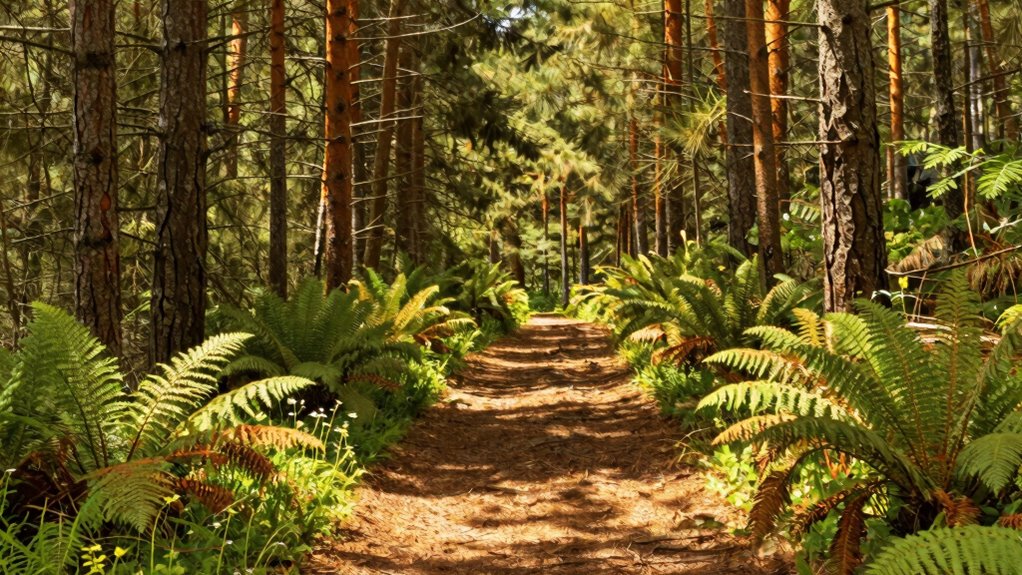
When you’re traversing trails under bright sunlight, the right lens tint can make all the difference. It’s not just about protecting your eyes; it’s about how you perceive the world around you. Different tints can greatly affect your contrast perception and color enhancement, allowing you to notice details you might otherwise miss. For instance, brown or amber tints enhance contrast, making it easier to differentiate between colors and textures. This clarity can be essential when maneuvering rocky paths or spotting wildlife hiding in the brush.
The right lens tint transforms your outdoor experience, enhancing contrast and revealing details you might otherwise overlook.
You might find that a gray tint is ideal for reducing overall brightness without distorting colors too much. This neutral approach helps maintain a natural view, which is perfect for long hikes where you want to appreciate the landscape without color interference. However, on a bright day with glaring reflections, gray may not provide enough contrast perception, leaving some nuances lost in the brightness. Lens tint choices can also influence how your eyes adapt to changing light conditions during your outdoor activities. Understanding visual contrast can further help you select the most suitable tint for your needs. Additionally, the perception of light can be significantly affected by your choice of lens tint, shaping how you experience the outdoor environment. Incorporating sustainable tech in outdoor gear, like eco-friendly lenses or coatings, can also enhance your experience while supporting environmental efforts.
If you’re exploring shaded areas or heavily wooded trails, yellow or gold tints can be incredibly beneficial. These tints brighten up your field of vision, enhancing shadows and depth perception. You’ll notice the details of the trail surface more clearly, helping you traverse uneven ground or roots that could trip you up. This color enhancement not only aids in safety but also enriches your experience, allowing you to appreciate the play of light through leaves and the intricate patterns on the forest floor. Additionally, different lens tints can influence how you perceive natural light, further shaping your outdoor experience.
On the other hand, if you’re skiing or snowboarding on a sunny day, a rose or pink lens can be a game-changer. These tints improve depth perception and contrast against the white snow, making bumps and dips more visible. This can help you maintain speed while ensuring you’re aware of your surroundings, which is vital for both safety and enjoyment.
As you gear up for your next outdoor adventure, think carefully about the lens tint you choose. It’s about more than just style; it’s about how the world appears to you. Each tint has its unique advantages, influencing what you notice on your trails. You’ll find that with the right lens, you don’t just see the scenery; you experience it in vivid detail, enhancing every moment of your journey. So, next time you hit the trails, remember that your choice of lens tint can elevate your outdoor experience in ways you might not expect.
As an affiliate, we earn on qualifying purchases.
Frequently Asked Questions
How Do Different Lens Tints Affect Color Perception?
Different lens tints can greatly affect your color perception. For instance, yellow tints enhance contrast and depth, making objects stand out in low light. In contrast, gray tints provide neutral color clarity, reducing glare without altering colors. Brown or amber lenses can boost warm tones, helping you see details in varying light conditions. By choosing the right tint, you can improve lens clarity and enhance your overall visual experience outdoors.
Can Lens Tint Improve Contrast in Low-Light Conditions?
Absolutely, lens tint can considerably improve contrast in low-light conditions. You might think that any tint would dull your vision, but the right colors actually enhance contrast enhancement, making details pop. Yellow and amber tints, for instance, boost low light visibility, helping you spot obstacles or changes in terrain more easily. So, don’t underestimate the power of a good lens tint—it can transform your experience in dim environments, making every step safer and clearer.
What Is the Best Lens Tint for Snow Sports?
The best lens tint for snow sports is often a rose or yellow tint, as they enhance contrast and depth perception in bright conditions. You’ll want lenses with UV protection to shield your eyes from harmful rays reflecting off the snow. Durability is also key; look for scratch-resistant coatings to guarantee your lenses withstand rough conditions. A quality pair will keep you safe and help you enjoy your time on the slopes.
Are Polarized Lenses Better Than Tinted Lenses for Trails?
Polarized lenses are often better for trails because they reduce glare from surfaces like water or wet rocks, enhancing your visibility and comfort. You’ll notice improved contrast and clarity, which can make traversing tricky terrain easier. However, your tint preferences also matter; certain tints can enhance depth perception or filter specific light conditions. Ultimately, it’s about what feels right for you and how you plan to use your lenses on the trails.
How Do Lens Tints Impact Eye Strain During Long Hikes?
When you hit the trails, choosing the right lens tint can be like finding a needle in a haystack. The right tint enhances eye comfort by filtering glare and bright light, which helps reduce fatigue during long hikes. Darker tints might block too much light, causing strain, while lighter tints can offer clarity without overwhelming brightness. By selecting the right tint, you can keep your eyes fresh and focused on the beautiful scenery ahead.
Conclusion
Choosing the right lens tint can transform your trail experience. A darker tint might obscure subtle details, leaving you focused on the broad strokes of nature, while a lighter hue reveals the intricate beauty of every leaf and rock. It’s fascinating how a simple color shift can alter your perception, turning vibrant trails into muted pathways or vice versa. In the end, it’s not just about seeing; it’s about what you choose to notice along the journey.
Fall Picks
fall essentials
As an affiliate, we earn on qualifying purchases.