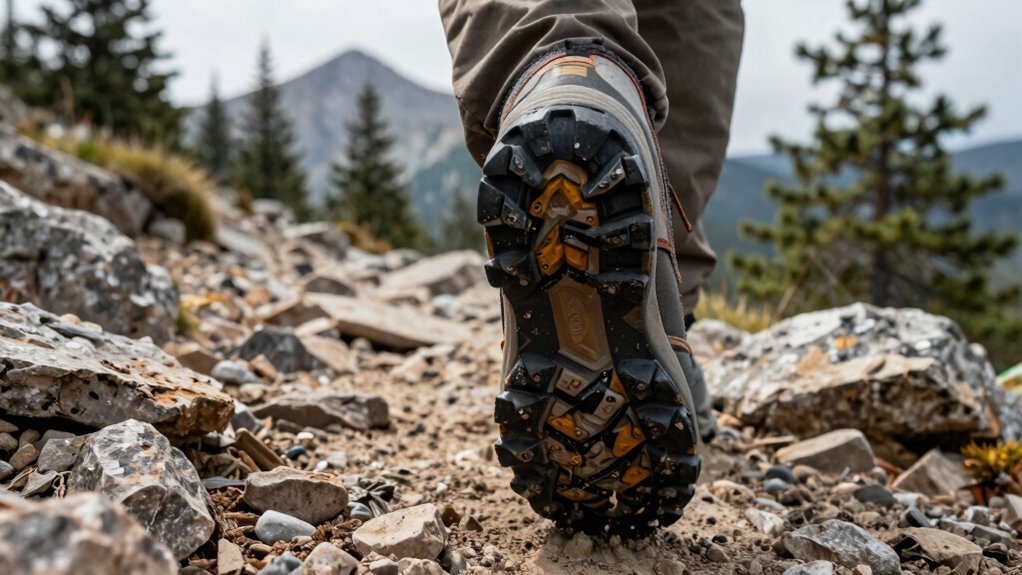

To match trail lug depth to your local conditions, assess the terrain you encounter most. For rocky paths or hard-packed dirt, opt for shallower lugs for quicker responsiveness. A moderate lug depth strikes a balance between control and drag, while deeper lugs are essential for muddy areas. Choose shapes and patterns based on specific surfaces, like wider spacing for mud and tighter patterns for better grip. Stick around for more insights on optimizing your trail performance.

Get workout gear delivered free with Prime
- Fast, free delivery on millions of items
- Prime Video, Amazon Music and more included
- Member-only deals all year
Key Takeaways
- Assess your local terrain to determine if it’s rocky, muddy, or hard-packed, influencing the required lug depth.
- Use shallower lugs for quick responsiveness on rocky or hard-packed trails, ensuring agility in movement.
- Opt for moderate lug depth to balance control and drag for versatile conditions.
- Choose deeper lugs for muddy or soft terrains to provide necessary traction and stability.
- Regularly evaluate seasonal changes in terrain to adjust lug depth needs accordingly.
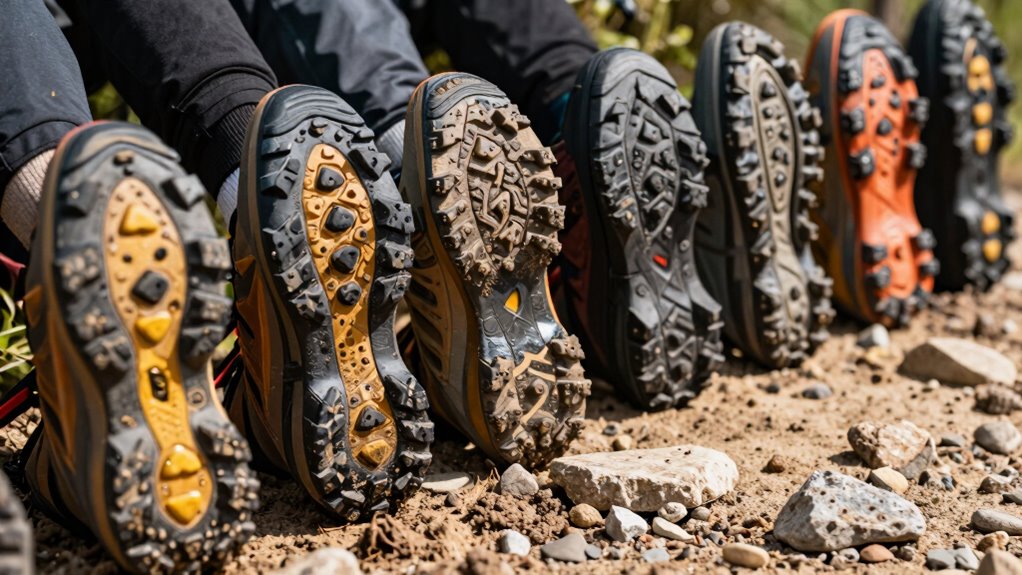
When you hit the trails, the depth of your lug can make all the difference in your performance. The right trail lug types can enhance your grip and stability, ensuring you tackle tough terrains with confidence. But how do you determine the ideal lug depth for your local conditions? It all starts with a solid terrain evaluation.
First, think about the surfaces you’ll encounter most often. If you’re traversing rocky paths or hard-packed dirt, you don’t need an aggressive lug design. A shallower lug depth will provide enough traction without feeling cumbersome. This setup allows for quicker changes and more responsive movement, essential for tight turns and quick shifts in direction. You’ll find that a moderate lug depth can offer a perfect balance, giving you the control you need while preventing unnecessary drag.
On the other hand, if your favorite trails are muddy or soft, you’ll want to opt for deeper lugs. These provide the necessary bite to keep you from slipping and sliding. The larger surface area helps to channel mud away from your shoe, preventing that dreaded sinking feeling. When conditions get messy, having the right lug depth can mean the difference between a smooth run and a frustrating struggle. Additionally, considering the terrain evaluation can help you choose the most effective lug design for specific conditions. Incorporating sustainable tech and environmentally-friendly gear can also improve your overall trail experience, especially in sensitive ecosystems. Using gear designed with eco-friendly materials can further enhance your connection to nature while reducing your environmental impact. Being mindful of trail sustainability can help preserve these environments for future adventures.
When evaluating the terrain, consider seasonal changes, too. What works well in dry summer months may not hold up during rainy seasons or winter snow. If you’re in a place where conditions fluctuate, having a couple of different pairs of shoes with varying lug depths can be a game-changer. This way, you’ll always be prepared, whether you’re facing a slick, snow-covered path or a dry, rocky trail.
Remember, it’s not just about depth; the shape and pattern of the lugs matter, too. Some trail lug types feature wider spacing which helps in shedding mud, while others may have a tighter pattern for better grip on compact surfaces. Your choice should align with your typical terrain, so pay attention to how your shoes perform in different conditions.
Ultimately, staying adaptable and alert to your surroundings will enhance your trail experience. By conducting a terrain evaluation and matching your trail lug depth to local conditions, you’ll enjoy a safer and more enjoyable journey on every run. So lace up, evaluate, and hit the trails with confidence! Understanding the trail lug design can help you make more informed choices for your outdoor adventures.
trail running shoes with adjustable lug depth
As an affiliate, we earn on qualifying purchases.
As an affiliate, we earn on qualifying purchases.
Frequently Asked Questions
How Do I Clean My Shoes After a Muddy Trail Run?
After a muddy trail run, start by removing excess mud with a stick or your hands. Then, rinse your shoes with water, focusing on the lugs for effective mud removal. Use a soft brush to scrub away any remaining dirt. For shoe care, let them air dry, avoiding direct sunlight or heat sources. If needed, apply a waterproof spray once they’re dry. This keeps your shoes in top shape for your next adventure!
What Materials Are Trail Shoe Lugs Typically Made From?
Did you know that 70% of trail runners prioritize lug performance factors when choosing shoes? Trail shoe lugs are typically made from rubber, EVA foam, or a combination of both. Rubber offers durability and traction, while EVA provides lightweight cushioning. Different lug material types can greatly influence grip and wear resistance, so it’s essential to take into account your running conditions to maximize performance. Choose wisely for the best trail experience!
Can I Use Road Shoes on Trails?
You can use road shoes on trails, but it’s not ideal. Road shoe performance shines on pavement, offering cushioning and support. However, their flat soles lack the traction needed for uneven terrain. If you’re hitting light trails occasionally, road shoes might work, showcasing some trail shoe versatility. For serious trail running, invest in dedicated trail shoes with lugs for better grip and stability. Your feet will thank you for it!
How Often Should I Replace My Trail Running Shoes?
You should replace your trail running shoes every 300 to 500 miles, depending on their shoe lifespan and tread wear. Pay attention to how they feel—if you notice reduced cushioning or stability, it’s time for a new pair. Inspect the lugs; if they’re worn down or the grip isn’t as effective, don’t hesitate to switch them out. Keeping your shoes fresh helps prevent injuries and enhances your trail running experience.
What Are the Benefits of Breathable Trail Shoe Materials?
Breathable trail shoe materials offer significant benefits. They promote airflow, keeping your feet cool during runs. This ventilation helps with moisture management, reducing sweat buildup and the risk of blisters. When you wear breathable fabrics, you’ll notice improved comfort and performance, especially on warmer days. Plus, they dry quicker after wet conditions, keeping you light on your feet. Choosing these materials can make all the difference in your trail running experience.
Conclusion
In the end, matching trail lug depth to your local conditions can make all the difference in your ride. Don’t just go with the flow; consider the terrain and climate you usually encounter. Whether you’re facing muddy trails or rocky paths, the right depth will keep you steady and in control. Remember, it’s better to be safe than sorry when tackling those trails. So gear up smartly, and enjoy every adventure!
Fall Picks
fall essentials
As an affiliate, we earn on qualifying purchases.