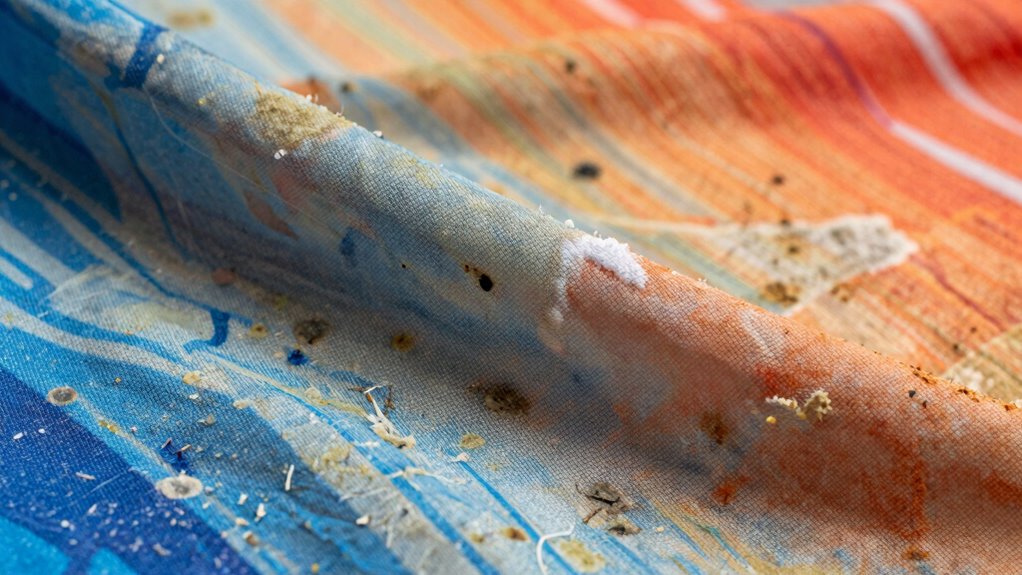

Avoid using fabric softeners, bleach, or harsh chemicals, as these can break down fibers, clog pores, and reduce breathability. Wash your gear in cold or lukewarm water and turn it inside out to prevent surface damage. Skip high-heat tumble drying and opt for air drying in shade to preserve water-repellent finishes and prevent shrinking. Following these tips protects your gear’s performance and longevity. Keep going to discover more ways to master proper fabric care.
Listen free for 30 days with Audible
Thousands of audiobooks and originals — cancel anytime.
As an affiliate, we earn on qualifying purchases.
Key Takeaways
- Using fabric softener leaves residues that clog fabric pores, reducing breathability and moisture-wicking ability.
- Washing with bleach weakens fibers, damages water-repellent coatings, and causes color fading.
- Washing at high temperatures accelerates fiber degradation and diminishes fabric elasticity.
- Tumble drying on high heat shrinks fabrics and destroys water-repellent treatments.
- Not turning gear inside out or skipping gentle detergents increases surface abrasion and fabric wear.
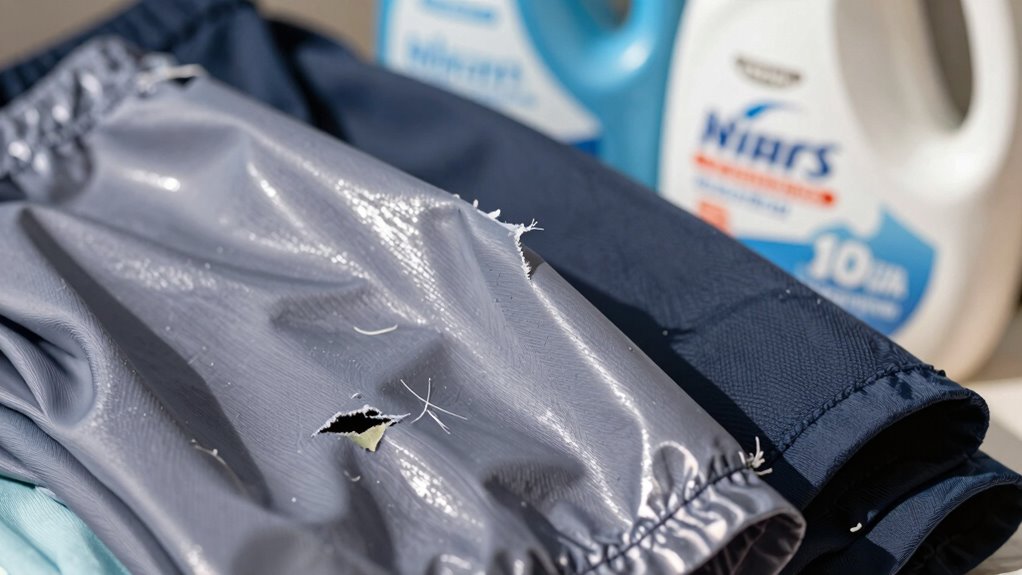
Proper laundry care is essential to maintain the performance and durability of your technical running fabrics, yet many common mistakes can cause irreversible damage. One of the biggest errors you might make is using fabric softener, which seems harmless but can considerably impair the moisture-wicking properties of your gear. Fabric softeners leave a residue on synthetic fibers, clogging the tiny pores that help wick sweat away from your skin. Over time, this buildup reduces breathability and can even lead to quicker wear and tear. Instead of softener, opt for specialized products designed for technical fabrics or skip the softening process altogether. Your running clothes will stay light, breathable, and effective for longer.
Another mistake to watch out for is using bleach or traditional bleach alternatives on your technical gear. While bleach might seem like a quick fix for stains and odors, it’s actually a major enemy of performance fabrics. Bleach breaks down the fibers, causing them to weaken and lose their elasticity, which diminishes the overall lifespan of your clothing. Even if you’re tempted to use a bleach alternative, be cautious. Many contain harsh chemicals that can damage synthetic fibers, strip away water-repellent coatings, or alter the fabric’s color and texture. Instead, look for gentle, enzyme-based detergents or products specifically formulated for technical fabrics. These are designed to clean effectively without compromising the fabric’s integrity or performance.
You might also be tempted to wash your technical running gear at high temperatures, thinking it will remove dirt more thoroughly. However, heat is one of the fastest ways to degrade these fabrics. High temperatures break down the elastic fibers and diminish their ability to wick moisture. Always follow the manufacturer’s instructions for water temperature, usually cold or lukewarm water, to preserve the fabric’s properties. When washing, turn your gear inside out to minimize abrasion and reduce the risk of pilling or surface damage. Avoid fabric softeners altogether, and instead, use a mild detergent formulated for synthetics, which will clean without harming the fabric’s delicate construction. Additionally, understanding the importance of color accuracy can help you choose the right detergents and avoid discoloration over time.
Drying is another vital step where mistakes are often made. Tumble drying on high heat can cause shrinking, weaken fibers, and ruin the water-repellent treatments on your gear. Whenever possible, air dry your technical running clothes, hanging them in a shaded area away from direct sunlight, which can fade colors and degrade fabric over time. If you must use a dryer, choose the lowest heat setting and remove the garments promptly. By paying attention to these details—skipping fabric softener, avoiding bleach, washing in cold water, and air drying—you can considerably extend the life of your technical fabrics and keep them performing at their best for every run.
technical fabric laundry detergent
As an affiliate, we earn on qualifying purchases.
As an affiliate, we earn on qualifying purchases.
Frequently Asked Questions
Can Fabric Softeners Damage Technical Running Fabrics?
Yes, fabric softener damage can harm your technical running fabrics. When you use softeners, they coat the fibers with chemicals that can clog the fabric’s moisture-wicking properties, leading to technical fabric deterioration. This reduces the fabric’s breathability and elasticity, making your gear less effective and more prone to wear. To keep your running clothes in top shape, avoid fabric softeners and opt for gentle, technical fabric-friendly detergents instead.
How Often Should I Wash Technical Running Gear?
You should wash your technical running gear after every 1-3 wears, depending on how much you sweat and odor buildup. Maintaining a proper washing frequency helps with odor control and keeps the fabric in top shape. Avoid over-washing, which can wear down the fabric, but don’t skip regular cleanings. Use gentle detergents and avoid fabric softeners to preserve the technical properties of your gear.
Are There Specific Detergents Recommended for Technical Fabrics?
Yes, you should use detergents specifically designed for technical fabrics. Look for enzyme-based detergents with gentle ingredients that clean effectively without damaging the fabric’s moisture-wicking properties. Avoid harsh chemicals and fabric softeners, which can break down the fabric’s performance. Choose detergents formulated to preserve the integrity of technical running gear, ensuring your gear stays functional and durable after each wash.
Can I Tumble Dry Technical Running Clothes?
You should avoid tumble drying your technical running clothes, as the heat can cause fabric pilling and fade the colors over time. Instead, lay them flat or hang them to air dry, which preserves the fabric’s integrity and performance. This gentle drying method helps maintain the moisture-wicking properties and prevents damage that could lead to premature wear or color fading, keeping your gear in top condition longer.
What’s the Best Way to Remove Stubborn Stains From Technical Fabrics?
To remove stubborn stains from technical fabrics, start with effective pre-treatment by applying a gentle stain remover or a mixture of water and mild detergent directly to the stain. Let it sit for 15-20 minutes. Use a soft brush or your fingers to work the solution in, then wash on a cold cycle. Avoid hot water or harsh chemicals, which can damage the fabric’s performance.
Conclusion
Now that you know the common laundry mistakes, imagine your favorite technical running gear slowly losing its magic—fibers fraying, moisture-wicking fading, durability diminishing. One wrong wash could silently sabotage your performance, leaving you unprepared for your next run. Don’t let careless habits be the end of your gear’s lifespan. Pay attention, follow the right steps, and keep your fabrics in peak condition—because the secret to lasting performance is just one careful wash away.
Fall yard work Picks
leaf blowers
As an affiliate, we earn on qualifying purchases.