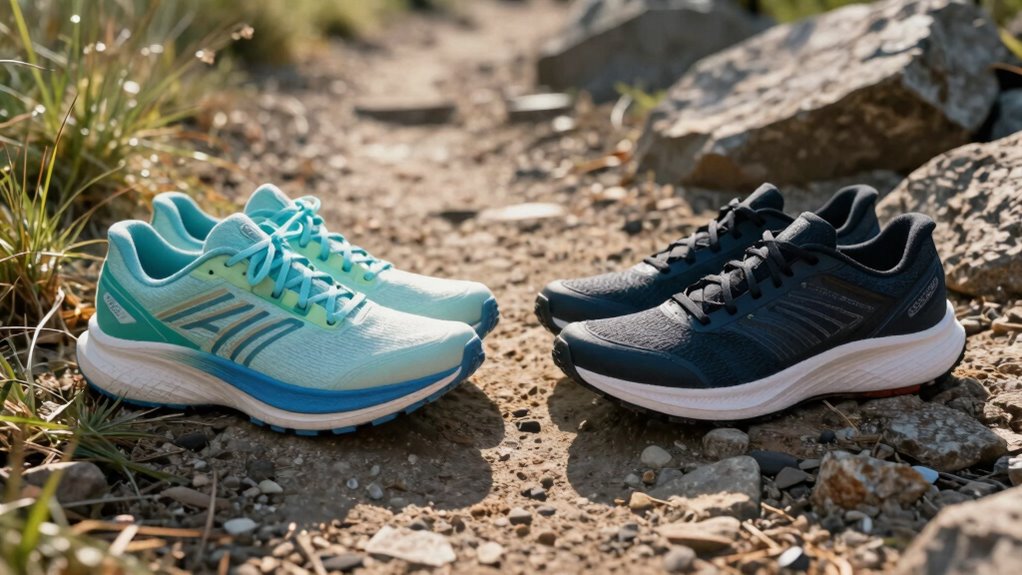

When choosing between max cushion and ground feel shoes, think about your running style and terrain. If you’re a heel striker or often run on hard surfaces, max cushion provides essential shock absorption and comfort. Conversely, ground feel shoes enhance surface connection, which is great for experienced runners tackling uneven trails. Pay attention to your foot structure and biomechanics to find the perfect match for your needs. There’s plenty more to explore on optimizing your running experience.

Get workout gear delivered free with Prime
- Fast, free delivery on millions of items
- Prime Video, Amazon Music and more included
- Member-only deals all year
Key Takeaways
- Consider your running surface: Max cushion is ideal for hard surfaces, while ground feel is better for uneven trails and rocky paths.
- Assess your foot strike: Heel strikers may benefit from max cushioning, while midfoot or forefoot strikers should explore ground feel options.
- Evaluate your injury history: If you have joint issues, max cushion helps reduce impact stress and minimize injury risk.
- Analyze your experience level: Experienced runners may prefer ground feel for better feedback and adaptability on varied terrains.
- Match shoes to foot structure: Understanding your biomechanics enhances comfort and running efficiency, guiding your footwear choice.
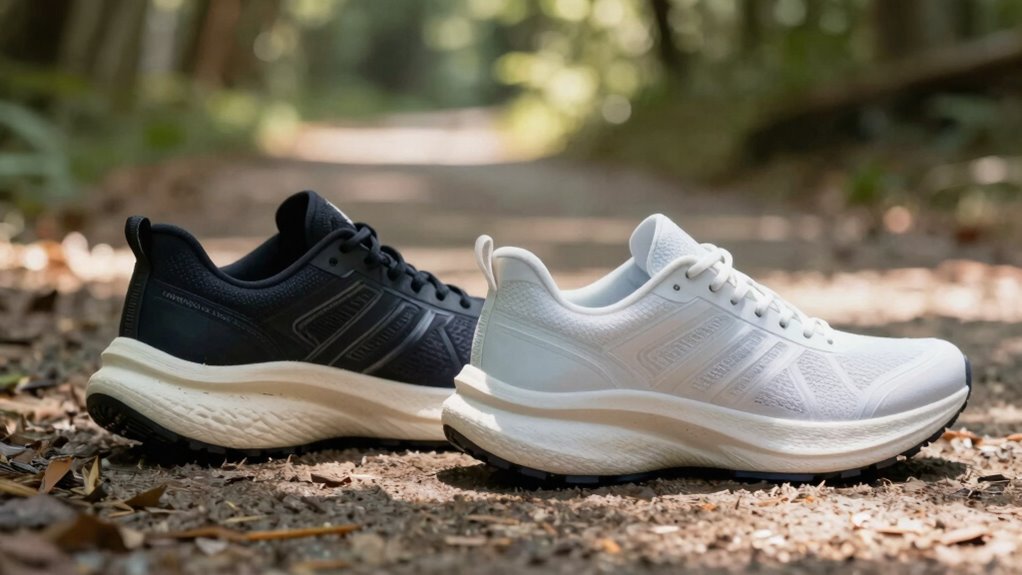
When you’re deciding between max cushion and more ground feel in your footwear, it’s important to evaluate how each option impacts your comfort and performance. Max cushion shoes offer significant benefits, especially if you’re prone to long runs or face hard surfaces. The extra padding can absorb shock, reducing joint stress and minimizing injury risk. If you’ve got a history of foot or knee issues, opting for max cushion might be your best choice.
On the other hand, shoes designed for more ground feel provide distinct advantages, particularly for those who thrive on technical terrain or prefer a responsive ride. Ground feel allows you to connect with the surface beneath your feet, enhancing your foot strike analysis. This connection can improve your balance and agility, making it easier to navigate uneven trails or urban landscapes. If you’re an experienced runner looking for feedback from each stride, you may lean toward shoes that prioritize ground feel.
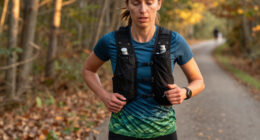
When considering terrain, think about where you’ll be running most often. Max cushion footwear shines on pavement or hard-packed trails, where shock absorption is essential. If you’re frequently on softer, more forgiving surfaces, you might not need as much cushioning. Conversely, if you enjoy tackling rocky paths or fluctuating elevation, a shoe with more ground feel could help you adapt quickly to the changing landscape. Incorporating appropriate footwear features can further optimize your running experience. Additionally, understanding your running biomechanics can help you select the most suitable shoe type. Choosing the right footwear based on terrain and biomechanics is crucial for a comfortable and efficient run.
Injury prevention is another important factor. While max cushion shoes can help mitigate impact stress, relying too heavily on cushioning can sometimes mask underlying issues in your running technique. It’s essential to analyze your foot strike; if you’re a heel striker, max cushioning might be beneficial, but if you tend to land midfoot or forefoot, a shoe that promotes ground feel could enhance your form. Additionally, understanding the impact absorption features of footwear can guide your choice in reducing injury risks. Recognizing how your body responds to different levels of cushioning is crucial for injury prevention and overall running comfort. Moreover, selecting shoes that match your foot structure can further improve comfort and reduce injury potential.
As an affiliate, we earn on qualifying purchases.
Frequently Asked Questions
What Are the Benefits of Max Cushion Shoes for Long-Distance Running?
Max cushion shoes offer several benefits for long-distance running. They provide excellent energy return, allowing you to maintain your pace without feeling fatigued. The extra cushioning absorbs shock, which greatly aids in injury prevention, keeping your joints safe during those long miles. You’ll appreciate the comfort they deliver, especially as you log more hours on your feet. With the right pair, you can enjoy a smoother, more enjoyable running experience.
How Do Ground Feel Shoes Improve Balance and Stability?
“You can’t judge a book by its cover.” Ground feel shoes improve balance and stability by enhancing your foot strike and providing better proprioceptive feedback. With a closer connection to the ground, you’re more aware of your movements, allowing for quicker adjustments. This heightened sensitivity helps you maintain your balance, especially on uneven surfaces. As a result, you’ll feel more secure and confident in each step you take.
Can I Use Max Cushion Shoes for Trail Running?
Yes, you can use max cushion shoes for trail running, but it depends on your cushioning preferences. Max cushion shoes provide excellent comfort and shock absorption, which can enhance your trail shoe performance on rocky terrain. However, they might not offer the same ground feel as lower-cushioned options, potentially impacting your stability. If you prioritize comfort and protection over responsiveness, max cushion shoes could be a great choice for your trail runs.
What Type of Foot Shape Suits Ground Feel Shoes Best?
If you’ve got a narrow foot shape, ground feel shoes might be your best friend, giving you that snug fit and responsiveness you crave. But if your foot’s wider, you might feel cramped, losing that natural connection with the ground. Your running style can also play a role; agile runners often thrive in these shoes, while those who heel strike may prefer more cushioning. Choose wisely to enhance your experience on the trails!
How Do Cushioning Technologies Differ Between Brands?
Cushioning technologies vary considerably across brands, often using distinct cushioning materials. For instance, some brands focus on EVA foam for lightweight support, while others might use proprietary gels for enhanced shock absorption. When you make brand comparisons, pay attention to factors like durability and responsiveness. Each brand’s approach can influence your comfort and performance, so try different options to find what feels best for your running style and preferences.
Conclusion
In the end, choosing between max cushion and ground feel is like deciding between gliding on soft clouds or dancing barefoot on warm sand. Picture the comfort of plush support that cradles your every step versus the exhilarating connection to the earth beneath you. Trust your instincts; listen to your body’s whispers. Whether you crave the gentle embrace of cushioning or the vibrant pulse of the ground, the right choice will ignite your passion for every run.
Halloween Picks
halloween
As an affiliate, we earn on qualifying purchases.