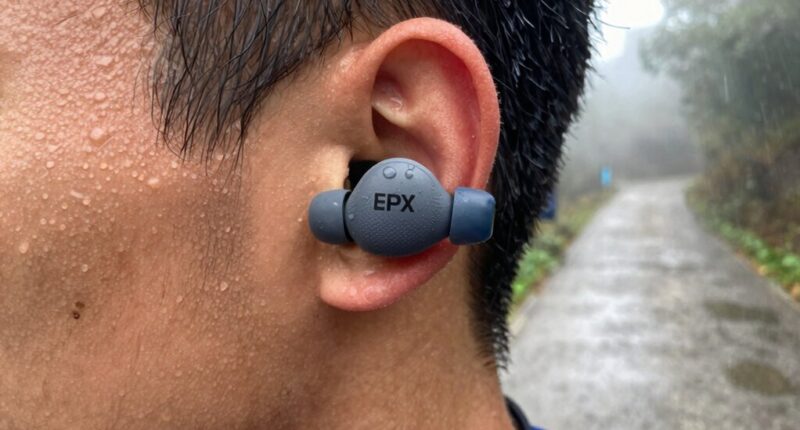
Great gear depends on understanding IPX ratings; discover what each level truly means for your running protection.
Browsing Category
Running Science & Metrics
14 posts
Running Power Metrics: What ‘Watts’ Really Mean on Your Wrist
The term “Watts” on your wrist reveals your true running effort, but understanding what it means can transform your training—so keep reading to find out more.
Footpods Explained: When They Beat GPS
A detailed look at how footpods outperform GPS in providing precise running metrics, revealing why they might be your best training tool—discover more inside.
Recovery Time Estimates: Helpful Signal or Noise?
A deeper understanding of recovery time estimates reveals whether they are helpful signals or just noise, shaping your expectations—continue reading to find out how.
Training Load Metrics: Which Numbers Actually Matter
Narrowing down the key training load metrics reveals which numbers truly matter for optimizing performance and avoiding overtraining.
Why Elevation Data Is Wrong (And How Barometric Altimeters Help)
Why elevation data can be inaccurate and how barometric altimeters offer a more reliable solution—discover the key to precise altitude measurements.
Wrist HR vs Chest Strap: The Truth About Accuracy While Running
Knowing whether wrist HR monitors or chest straps are more accurate while running can make all the difference; discover the surprising truth inside.
Dual-Frequency GPS Explained Without the Tech Headache
Keen to understand how Dual-Frequency GPS boosts accuracy without the tech headache? Keep reading to discover the simple secrets behind it.
GPS Accuracy Secrets: Why Your Watch Adds ‘Phantom Miles’
Many factors cause GPS inaccuracies, leading your watch to add phantom miles—discover how to improve your tracking accuracy.
Outdoor Pace vs Treadmill Pace: The Conversion Rules That Actually Work
Discover why converting outdoor pace to treadmill pace isn’t straightforward and learn the effective rules that really work.