
Carbon race shoes are built for speed and efficiency, making them ideal for competition. They’re lightweight and feature carbon plates that give you a spring-like effect for better propulsion. In contrast, carbon trainers focus on comfort and durability, offering more cushioning for daily workouts and longer distances. While race shoes minimize slippage and boost performance, trainers help prevent injury by providing support. Want to know more about choosing the right shoe for your running goals?

Get workout gear delivered free — and shop member deals
- Fast, free delivery on millions of items
- Access to Prime Big Deal Days deals on October 6–7
- Prime Video, Amazon Music and more included
Key Takeaways
- Carbon race shoes are designed for speed and efficiency, while carbon trainers focus on comfort and durability for training sessions.
- Race shoes feature a snug fit to minimize slippage, whereas trainers offer a more relaxed fit for longer distances.
- The carbon plate in race shoes provides propulsion, making them ideal for competitions and personal records.
- Trainers emphasize cushioning and support to reduce fatigue and help prevent injuries during daily workouts.
- Choosing between race shoes and trainers depends on individual running goals, such as performance or mileage.
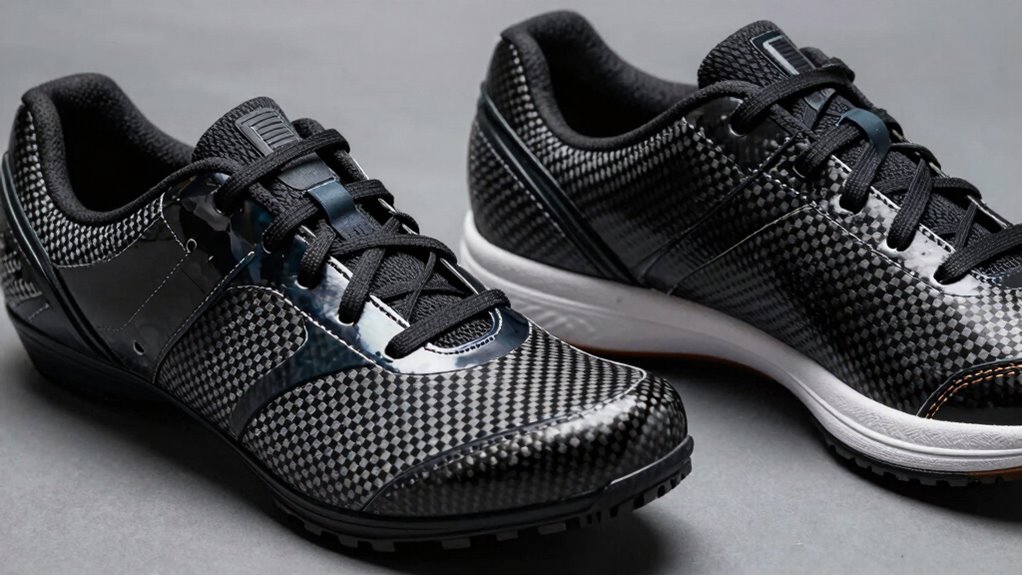
When you’re gearing up for a race, choosing the right footwear can make all the difference. You might find yourself torn between carbon race shoes and carbon trainers. Both types have their unique advantages, but understanding their differences can help you make an informed decision that enhances your performance on race day.
Carbon race shoes are designed specifically for speed and efficiency. They often feature a lightweight construction, allowing you to feel almost like you’re running barefoot. The carbon plates embedded in the soles provide a spring-like effect that propels you forward with each stride. This translates into significant performance benefits, especially during competitions where every second counts. You’ll notice how these shoes can help you maintain your pace, especially in those final, grueling miles.
Carbon race shoes enhance speed and efficiency with their lightweight design and spring-like carbon plates, propelling you forward in every stride.
On the other hand, carbon trainers are built with a different focus in mind. While they still incorporate carbon technology, their design features prioritize comfort and durability over sheer speed. You’ll find that these trainers provide ample cushioning, making them ideal for daily workouts or longer training sessions. The added support helps reduce fatigue, allowing you to log your miles without the risk of injury. If you’re training for a marathon or just want a reliable shoe for your regular runs, carbon trainers may serve you better in the long run. Incorporating training-specific footwear can further optimize your overall performance and reduce injury risk. Recognizing the role of performance-enhancing features can help you select the most suitable shoe for your needs.
When you slip into carbon race shoes, you’ll immediately feel the difference. They’re engineered to be snug, reducing any excess movement that could slow you down. In contrast, carbon trainers often have a more relaxed fit, which can be beneficial for longer distances where comfort takes precedence. Think about your goals: if you aim to set personal records and race at your peak, carbon race shoes will likely be your go-to. But if you’re more focused on building mileage and preventing injuries, carbon trainers will offer the support you need. Additionally, understanding the importance of proper fit can help maximize comfort and performance. Staying informed about latest footwear innovations can also help you choose shoes that incorporate the newest advancements for better results.
Ultimately, the choice between carbon race shoes and carbon trainers boils down to your individual running style and objectives. If you’re looking to maximize your performance benefits during races, carbon race shoes are a no-brainer. However, if you’re in it for the long haul and want a shoe that can withstand the rigors of training, carbon trainers will prove invaluable. So, when the time comes to lace up, consider what you truly need from your footwear to guarantee you’re ready to conquer your next challenge. Understanding the latest trends in fitness and exercise can also help you tailor your gear choices to your overall training plan.
As an affiliate, we earn on qualifying purchases.
Frequently Asked Questions
Can Carbon Race Shoes Be Used for Everyday Running?
Yes, you can use carbon race shoes for everyday running, but it might not be ideal. While they offer impressive performance benefits, like energy return and speed, they often compromise on comfort levels for longer distances. If you’re running short, they’ll feel great, but for daily wear, you might prefer something with more cushioning. Listen to your body; if you start feeling discomfort, switch back to your regular trainers.
How Do I Choose the Right Size for Carbon Trainers?
Choosing the right size for carbon trainers is like finding your perfect running rhythm. Start by consulting the size chart provided by the manufacturer; it’s your compass in this journey. Use a fitting guide to measure your foot length and width accurately. Remember, a snug fit prevents blisters while still allowing some wiggle room for your toes. Trust your instincts, and you’ll hit that sweet spot between comfort and performance.
Are Carbon Trainers Suitable for Trail Running?
Carbon trainers can be suitable for trail running, but it depends on the specific design and features. Look for trainers with a rugged outsole for traction and adequate cushioning for uneven terrain. The carbon plate can enhance your energy return, offering trail running benefits like improved efficiency over longer distances. Just make sure they fit well and provide the support you need for those rocky paths. Enjoy your run!
What Is the Lifespan of Carbon Race Shoes?
Ever wondered how long those sleek carbon race shoes will last? Typically, you can expect a lifespan of about 200 to 300 miles. While carbon shoe durability isn’t as high as traditional trainers, the racing shoe performance they provide is unmatched. You’ll feel the difference with each stride, but keep an eye on wear and tear. When they start losing that bounce, it’s time to think about a replacement for peak performance.
How Do I Clean and Maintain Carbon Trainers?
To clean and maintain your carbon trainers, start with gentle cleaning techniques. Use a soft brush or cloth to remove dirt, and avoid harsh chemicals. For stubborn stains, a mild soap solution works well. Let them air dry away from direct heat. Regularly check for wear on the soles and laces, replacing them if needed. Store them in a cool, dry place to prolong their lifespan. These maintenance tips will keep your trainers in top shape!
Conclusion
In the end, choosing between carbon race shoes and carbon trainers is like picking a sports car versus a reliable sedan. You wouldn’t take a race car on a long road trip, just as you wouldn’t wear race shoes for everyday runs. If you’re chasing personal bests, the lightweight feel of race shoes will lift you. But for those daily miles, trainers keep you grounded and ready for the next challenge. Know your journey, and pick your ride wisely!
Fall Picks
fall essentials
As an affiliate, we earn on qualifying purchases.