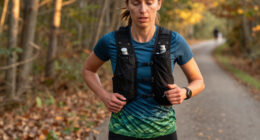
To estimate your threshold pace without a lab, focus on monitoring your effort during tempo runs or sustained efforts. Pay attention to how your breathing and muscles feel, and note your pace when effort feels challenging but controlled. Track these efforts over time, and observe improvements as your sustainable pace increases at the same perceived effort. By consistently analyzing these cues, you’ll improve your approximation of threshold pace—stay tuned to learn more effective strategies.

Get workout gear delivered free with Prime
- Fast, free delivery on millions of items
- Prime Video, Amazon Music and more included
- Member-only deals all year
Key Takeaways
- Use recent, hard but sustainable runs to gauge your effort and pace during challenging segments.
- Pay attention to breathing and muscle fatigue as indicators of nearing your threshold pace.
- Incorporate perceived effort and subjective feelings to refine your threshold pace estimates over time.
- Track your pace and effort consistently in a training journal to monitor improvements and adjustments.
- Use heart rate zones and real-time effort monitoring to validate and fine-tune your threshold pace without a lab.
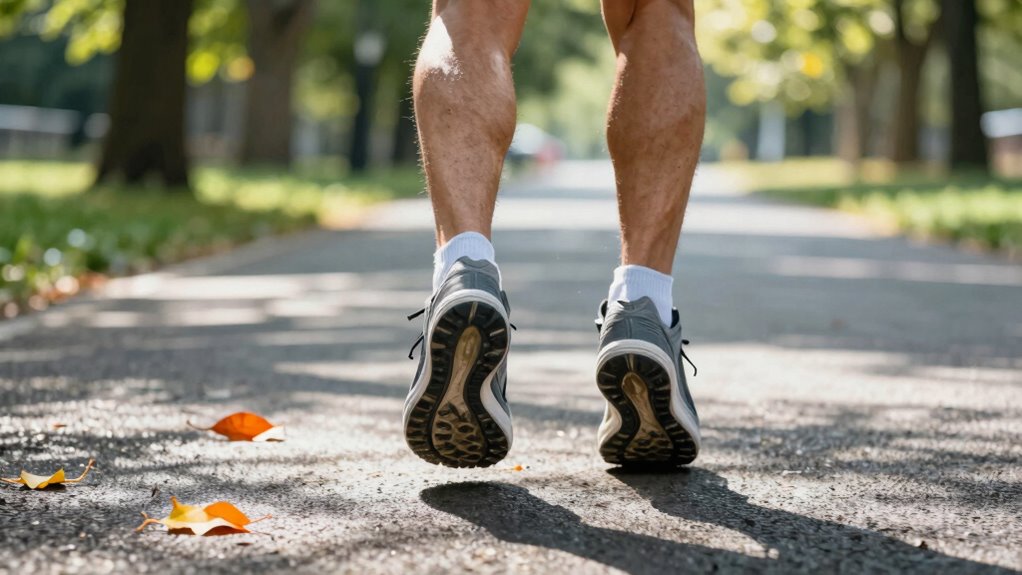
Estimating your threshold pace without a lab might seem challenging, but it’s entirely possible with simple tests and careful observation. Your threshold pace is the maximum effort you can sustain for about an hour, and knowing it helps you tailor your training for better endurance and speed. To find it on your own, start by paying attention to how you feel during a hard run. Choose a recent run where you pushed yourself but didn’t go all-out, and note your pace. If you’re consistent in your effort, this can give you a reliable estimate of your threshold.
In addition to monitoring effort and pace, paying attention to hydration strategies and nutrition timing can improve your performance during these tests. Proper hydration before and during your runs ensures you maintain energy levels and avoid early fatigue, which can skew your perceived effort. Drinking water or an electrolyte beverage about 15-20 minutes before your run sets a good foundation. During longer efforts, sip small amounts regularly to stay hydrated, helping you sustain your pace without crashing due to dehydration. Similarly, nutrition timing plays a vital role. Eating a balanced meal 2-3 hours before your run provides the energy needed for a hard effort, while a small carbohydrate snack 30-60 minutes before can boost your glycogen stores. Avoid heavy, high-fat foods close to your run, as they can cause discomfort and affect your pace perception.
Additionally, understanding your threshold pace can be enhanced by tracking your heart rate during runs, as it often correlates with the effort level that defines your maximum sustainable pace. Incorporating heart rate zones into your training can further refine your ability to estimate your threshold more accurately. Monitoring your perceived effort during runs also helps you identify when you are nearing your threshold, especially if you notice a significant increase in breathing or muscle fatigue. To improve your accuracy, consider using a heart rate monitor to get real-time feedback on your effort level. Once you’ve completed a challenging run, analyze your perceived effort and pace. If you felt like you were working hard but could still maintain the effort for about an hour, that pace is close to your threshold. Over time, keeping a training journal to record these runs helps track your progress and refine your estimates. As your fitness improves, your threshold pace will also increase, and you’ll notice you can sustain faster speeds at the same perceived effort.
As an affiliate, we earn on qualifying purchases.
Frequently Asked Questions
How Often Should I Re-Test My Threshold Pace?
You should re-test your threshold pace every 4 to 6 weeks, depending on your training consistency and progress. Regular testing helps you adjust your pacing strategies and stay on track with your goals. Pay attention to how your body responds to training, and if you notice improvements or fatigue, modify your re-test schedule accordingly. Consistent effort and monitoring guarantee your pacing remains accurate and effective.
Can Altitude Affect Threshold Pace Estimates?
Altitude effects can impact your threshold pace estimates, as running efficiency often decreases at higher elevations. When you’re at altitude, your body works harder, leading to a slower perceived pace and potentially skewed results. To get accurate estimates, consider adjusting your threshold pace based on altitude effects or perform tests at lower elevations when possible. This helps guarantee your training paces remain effective and aligned with your true fitness level.
What Are Common Mistakes When Estimating Threshold Pace?
You often make mistakes estimating threshold pace by losing pacing consistency or ignoring fatigue levels. If you start too fast or fluctuate your pace, it becomes hard to gauge your true threshold. Focus on steady pacing and managing fatigue throughout your effort. By maintaining consistent pace and listening to your body, you’ll get a more accurate estimate, avoiding common errors that skew your perception of your threshold pace.
Is Threshold Pace the Same for All Types of Running?
Think of threshold pace as a personal speed limit—it’s not the same for everyone or every run. Your running form and nutrition strategies influence it, making it vary based on your conditioning and race goals. For longer runs, your threshold might be slower, while shorter, intense efforts push it higher. To find your true pace, pay attention to how your body feels and adjust your nutrition accordingly, always listening to your body’s signals.
How Do Weather Conditions Impact Threshold Pace Testing?
Weather impact and environmental factors profoundly influence your threshold pace testing. Hot, humid conditions can cause fatigue faster, lowering your pace, while cold weather might make muscles stiff, affecting performance. Wind resistance can also slow you down, and rain makes surfaces slippery, increasing injury risk. To get accurate results, try to perform tests in consistent, moderate conditions or account for weather variability when analyzing your pace.
Conclusion
So, next time you’re tempted to fork over big bucks for a lab test, remember—you can actually guess your threshold pace with just a little effort and some simple tests. Irony? The most accurate results might come from a sweaty, huffing, and puffing session in your own driveway, not some fancy lab. Who knew that the best way to find your limit is actually just a good old-fashioned run? Happy pacing!
Halloween Picks
halloween
As an affiliate, we earn on qualifying purchases.