

To tell fatigue from fitness in your data, look for patterns. Fatigue shows up as short-term dips after intense sessions and sudden drops in metrics like heart rate or pace. Fitness, on the other hand, appears as gradual improvements, sustained progress, and better recovery times over time. Recognizing these trends helps you adjust your training smartly and prevent burnout. Keep exploring, and you’ll discover how to interpret these signals effectively for peak progress.

Get workout gear delivered free with Prime
- Fast, free delivery on millions of items
- Prime Video, Amazon Music and more included
- Member-only deals all year
Key Takeaways
- Fatigue appears as short-term performance dips following intense activity, while fitness shows as sustained, gradual improvements over time.
- Sudden declines in metrics indicate fatigue; consistent upward trends reflect ongoing fitness progress.
- Fatigue signals are often linked to recent training stress; fitness gains result from effective adaptation to workload.
- Recognizing pattern differences helps distinguish between temporary performance drops and long-term positive adaptation.
- Proper monitoring of data trends guides appropriate training adjustments to balance recovery and progress.
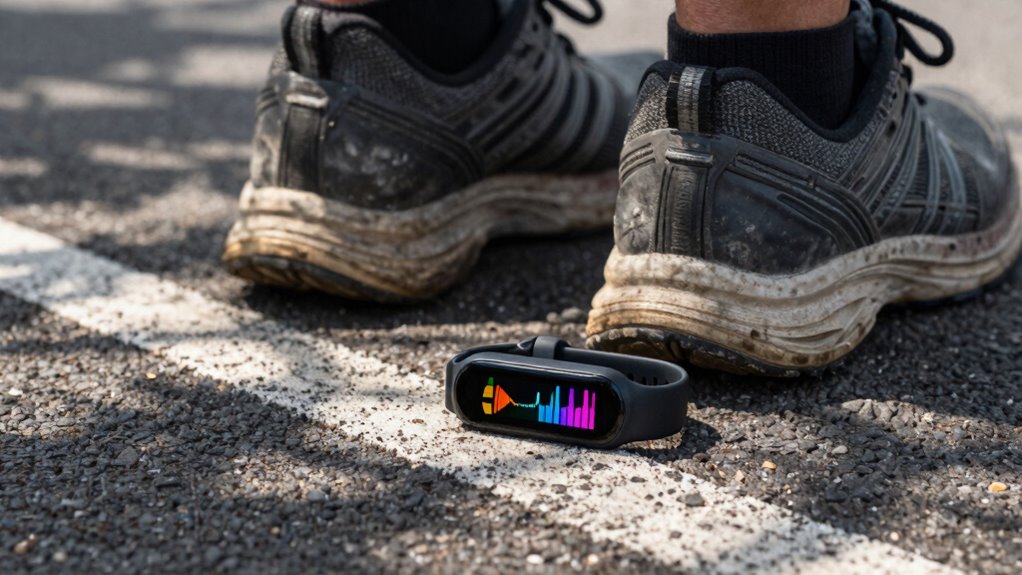
Fatigue shows up as a sudden dip in your performance metrics—like increased heart rate, slower pace, or decreased power output during workouts. It’s your body’s way of telling you that it’s been pushed too hard recently. If you ignore these signals and push through, you risk overtraining, injury, or burnout. Conversely, fitness is a gradual increase in your body’s ability to handle stress, represented in your data by improvements over time—faster recovery times, higher endurance levels, or increased strength. When you see these positive trends, they indicate your training is effective, and your body is adapting as it should.
To differentiate between fatigue and fitness, pay attention to patterns in your data. Short-term drops in performance often point to fatigue, especially if they follow intense training sessions or races. On the other hand, sustained improvements across multiple metrics point to increased fitness. Recognizing these patterns helps you decide whether to back off or push forward. If fatigue dominates your data, prioritize recovery strategies like rest days, active recovery, proper hydration, and nutrition. These measures help your body repair and prevent setbacks. Incorporating training load monitoring can also give you a clearer picture of your overall stress levels and aid in balancing fatigue and fitness effectively. Additionally, understanding how performance metrics fluctuate over time can give you deeper insights into your body’s responses. Recognizing the importance of recovery strategies is essential for maintaining progress and preventing injuries. Moreover, understanding the concept of progressive overload ensures that you are safely increasing your training intensity to promote fitness without risking overtraining. Regularly tracking your training data can help you identify trends and make more informed adjustments to your routine. Conversely, if your data signals progress, you can maintain training consistency, gradually increasing intensity or volume to build further fitness.
Maintaining training consistency is key to progress, but it’s equally *imperative* to listen to your body’s signals. Sometimes, pushing through fatigue may seem tempting, but doing so can undermine your gains and lead to setbacks. By understanding your data, you can balance pushing yourself with necessary recovery. This may include scheduling lighter sessions, incorporating cross-training, or taking complete rest days when needed. Over time, this approach helps your body adapt efficiently, ensuring that each training cycle builds on the last without risking burnout. Recognizing the difference between fatigue and fitness enables you to make smarter decisions, optimize recovery, and sustain steady improvements in your performance.
As an affiliate, we earn on qualifying purchases.
Frequently Asked Questions
How Can I Accurately Measure Fatigue in My Data?
To accurately measure fatigue in your data, combine biomarker analysis with subjective surveys. Biomarkers like cortisol or heart rate variability can provide objective insights into your physiological state, while subjective surveys capture your personal feelings of tiredness. Using both methods together gives an all-encompassing view, allowing you to distinguish fatigue from fitness levels effectively. Regular monitoring ensures you can adjust training or activity plans based on your body’s actual condition.
What Are the Common Signs of Overtraining Versus Fitness Gains?
You’ll notice overtraining signs when your training thresholds become overly intense, leading to persistent fatigue, decreased performance, and mood changes. Conversely, fitness gains show up as improved strength, endurance, and faster recovery indicators. To distinguish these, monitor your recovery indicators closely—if they’re delayed or your fatigue lingers, it’s a sign you need more rest. Properly balancing training intensity and recovery helps prevent overtraining and promotes steady fitness progress.
Which Data Tools Best Differentiate Fatigue From Fitness?
Imagine you’re in the year 3000—futuristic tools exist today! The best data tools to differentiate fatigue from fitness focus on performance metrics and recovery indicators. Wearable devices like advanced heart rate monitors and smart watches track your heart rate variability, sleep quality, and training load. These insights help you understand if your body’s fatigued or progressing, enabling smarter training decisions and preventing overtraining while maximizing fitness gains.
How Often Should I Assess Fatigue Levels in Training?
You should assess fatigue levels daily or every few training sessions, especially during intense or extended periods of training. This helps you monitor your rest recovery needs and gauge mental resilience. Regular checks guarantee you’re not overtraining and allow you to adjust your workload accordingly. Pay attention to both physical signs and mental signals, using tools like questionnaires or performance metrics to maintain a balanced, effective training routine.
Can Fatigue Data Predict Injury Risks?
Fatigue data can indeed hint at injury risks, making performance monitoring essential. When you track how your body responds to training, subtle signs of overexertion emerge, warning you to adjust your recovery strategies. Ignoring these signals might lead to setbacks or injuries. By paying close attention to fatigue levels, you can proactively tweak your training, stay ahead of potential issues, and safeguard your progress—keeping injuries at bay and performance at its peak.
Conclusion
Understanding the difference between fatigue and fitness in your data helps you train smarter, recover better, and perform at your best. Recognize the signs of fatigue, embrace your progress in fitness, and adjust accordingly. Track your metrics, interpret your data, and listen to your body. By doing so, you empower yourself to push further, recover faster, and achieve more. Stay aware, stay consistent, and let your data guide your journey to peak performance.
Fall Picks
fall essentials
As an affiliate, we earn on qualifying purchases.