Spring weather can make your pace data look strange because rapid changes in temperature, humidity, wind, and rain affect your running conditions. Cold mornings slow muscle warm-up, while warmer afternoons boost energy, causing pace fluctuations. Wind and rain also impact your effort and safety, leading to inconsistent data. Understanding these external factors helps you interpret your performance more accurately. If you keep exploring, you’ll discover how to better adapt and interpret your pace data during spring runs.

Get workout gear delivered free — and shop member deals
- Fast, free delivery on millions of items
- Access to Prime Big Deal Days deals on October 6–7
- Prime Video, Amazon Music and more included
Key Takeaways
- Fluctuating temperatures cause muscles to warm up unevenly, affecting initial pace consistency.
- Variable weather conditions like wind, rain, and humidity impact effort levels and pace measurements.
- Sudden temperature swings during spring can lead to inconsistent energy levels and performance.
- Wet and windy conditions force runners to adjust form, skewing pace data.
- Environmental changes in spring require awareness for accurate interpretation of pace fluctuations.

As spring arrives, the changing weather patterns directly influence running conditions and pace data. You might notice your usual pace fluctuating more than expected, and that’s often because of the unpredictable nature of spring weather. Temperature fluctuations are common during this season, swinging from chilly mornings to warmer afternoons. These shifts can make your pace data look inconsistent, even if you’re running the same route and effort level. When it’s cold, your muscles take longer to warm up, which can slow you down initially. Conversely, warmer weather can boost your energy, leading to faster splits — but only if your body adjusts properly. It’s a delicate balance, and these temperature swings can throw off your pace averages without you even realizing it. External factors like weather variability can significantly impact your running performance and data accuracy. Additionally, sudden changes in humidity can also influence your breathing and overall comfort during runs, further affecting your pace. Recognizing how environmental factors influence your performance can help you better interpret your pace data and make necessary adjustments during your runs.
Spring weather causes pace fluctuations due to temperature swings and environmental changes.
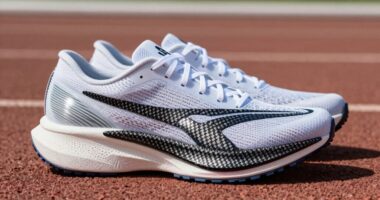
During these unpredictable conditions, being aware of climatic fluctuations can help you better prepare for the inconsistencies in your run. Additionally, proper hydration and clothing choices tailored to the weather can help mitigate some of these effects, ensuring your effort remains steady. Wearing the right shoes for the terrain and weather helps you maintain a steady effort, making your pace recordings more reliable.
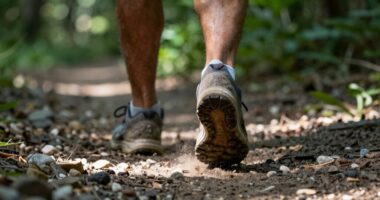
Spring weather also brings wind variability, which can unexpectedly slow you down or push you forward. Blustery days make it harder to hold a consistent pace because you’re constantly fighting against or benefiting from gusts. When the wind is strong, your pace might look erratic on your data, but it’s often just an external factor outside your control. Additionally, frequent rain showers can lead to wet roads and sidewalks, increasing the risk of slipping and causing you to alter your running form. These adjustments, while necessary for safety, can again skew your pace data from what it might be on a clear, calm day. Recognizing external environmental factors helps runners better understand their performance fluctuations.
In essence, spring’s unpredictable weather forces you to adapt on the fly, from managing temperature fluctuations to choosing suitable footwear and handling wind and rain. These factors make your pace data appear strange or inconsistent, but they’re simply reflections of the environment’s influence. Recognizing this helps you interpret your metrics more accurately, understanding that your performance isn’t just about effort but also about how the weather impacts your run. Being prepared for these changes ensures you stay safe and maintain a realistic view of your progress through the season.
running shoes for variable weather
As an affiliate, we earn on qualifying purchases.
As an affiliate, we earn on qualifying purchases.
Frequently Asked Questions
How Does Temperature Variation Affect Pace Data Accuracy?
Temperature fluctuations can impact your pace data accuracy because they affect the calibration of your device’s sensors. When temperatures vary, your device might misinterpret motion signals, leading to inconsistent pace readings. To maintain accuracy, make sure your device is properly calibrated for different temperatures. Keeping your device protected from extreme weather and regularly updating its software can also help mitigate the effects of temperature variations on your pace data.
Can Humidity Levels Distort Pace Measurement Readings?
Yes, humidity levels can cause humidity interference that leads to data distortion in pace measurements. High humidity makes the air denser, which can affect your breathing and perceived effort, potentially skewing pace data. Some devices might also misinterpret humidity-related signals, resulting in inaccurate readings. To get the most reliable data, consider the weather conditions and how humidity might interfere with your device’s sensors during your run.
What Role Do Wind Conditions Play in Pace Data?
Wind influence can dramatically skew your pace data, making it seem like you’re running faster or slower than you actually are. Strong headwinds can create significant data distortion, causing your GPS and pace sensors to record artificially slower times. Conversely, tailwinds can boost your speed readings, giving a false sense of achievement. Always consider wind conditions when analyzing your pace data—these gusty influences can turn your accurate run into an unpredictable rollercoaster.
How Often Should Pace Data Be Recalibrated in Spring?
You should recalibrate your pace data frequently in spring, especially after changing weather or running conditions. Running shoe technology and GPS signal interference can affect accuracy, so updating your device’s calibrations weekly or after significant weather shifts helps. Spring’s unpredictable weather, combined with these factors, can distort pace readings, so staying vigilant and recalibrating regularly guarantees your data remains reliable and your training stays on track.
Do Different Running Surfaces Impact Pace Data Consistency?
Different running surfaces definitely impact your pace data consistency. Running shoe technology can help absorb shock and improve comfort on uneven terrain, but GPS signal stability is essential for accurate data. Hard surfaces like asphalt often provide better signal stability, while trails or softer surfaces might cause inaccuracies. Keep in mind that changing surfaces can cause fluctuations in your pace readings, so stay aware of these factors when analyzing your data.
Conclusion
Spring weather can turn your pace data into a wild goose chase, making it seem like your runs are more a Shakespearean comedy than a workout. As you dodge rain and chase fleeting sunshine, your data might look all over the place — a reminder that even in this digital age, nature’s whims can still throw a wrench in your plans. So, embrace the chaos, and remember: every runner’s journey is a quest, not a fixed point in time.
Fall Picks
fall essentials
As an affiliate, we earn on qualifying purchases.