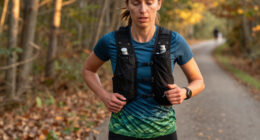
To read your watch’s elevation data accurately, regularly calibrate it to adjust for local atmospheric conditions. Focus on trends rather than single data points; consistent increases in elevation signal strength gains. Remember that different terrains can affect readings, so consider where you’re working out. Stay mindful of how atmospheric pressure impacts accuracy. By analyzing these factors, you’ll get a clearer picture of your fitness progress and how to optimize your training approach effectively.

Get workout gear delivered free with Prime
- Fast, free delivery on millions of items
- Prime Video, Amazon Music and more included
- Member-only deals all year
Key Takeaways
- Regularly calibrate your watch to ensure accurate elevation readings based on local atmospheric conditions.
- Focus on overall elevation trends rather than individual data points for a clearer performance picture.
- Consider the terrain type when analyzing elevation data, as it can significantly affect your results.
- Be aware of atmospheric pressure fluctuations that can impact the accuracy of barometric sensors.
- Set specific fitness goals based on elevation gains to maintain motivation and track progress effectively.

Ever wondered how to make sense of the elevation data on your watch? You’re not alone. Many people rely on their devices for fitness tracking, but understanding the altitude measurement can be tricky. The elevation data your watch provides can help you analyze terrain trends, but only if you know how to interpret it correctly.
First off, let’s talk about data accuracy. Watches use barometric sensors to track elevation changes, which means they’re affected by atmospheric pressure. If you’re hiking or running in areas with fluctuating weather, your data accuracy might suffer. To combat this, you should regularly calibrate your watch. Calibration involves resetting your device to account for local atmospheric conditions, ensuring your altitude measurement is as precise as possible.
Data accuracy is crucial; regularly calibrate your watch to ensure precise elevation measurements, especially in changing weather conditions.
Next, keep an eye on elevation trends over time. Instead of focusing on individual data points, look at your overall performance across multiple sessions. For instance, if you notice a consistent increase in climbing elevation during your workouts, it indicates you’re getting stronger. Conversely, a plateau might signal that it’s time to mix up your routine. By analyzing these trends, you can better tailor your training to meet your fitness goals.
Terrain analysis is another essential aspect of reading your elevation data. Different terrains can affect your performance and the data your watch records. If you’re running in the mountains, the changes in elevation will be more dramatic compared to flat terrains. Understanding how various terrains influence your data can help you plan your workouts more effectively. Additionally, being aware of barometric sensor sensitivity can help you interpret sudden changes in elevation readings more accurately. Recognizing how atmospheric pressure fluctuations impact your data can further refine your analysis.
When you integrate all this information, you can optimize your fitness tracking. Use your watch to set goals based on elevation gains and monitor your progress. This can motivate you to push your limits while ensuring you stay aware of how elevation impacts your workouts.
barometric watch calibration tool
As an affiliate, we earn on qualifying purchases.
As an affiliate, we earn on qualifying purchases.
Frequently Asked Questions
How Accurate Are Watch Elevation Readings Compared to GPS Data?
Watch elevation readings can be surprisingly accurate, but they’re not infallible. GPS limitations, like signal loss and atmospheric conditions, can skew your data. Elevation algorithms in watches often use barometric pressure to estimate changes, providing better accuracy in stable conditions. However, when weather varies, discrepancies can occur. So, while your watch gives a good estimate, it’s smart to cross-check with GPS data for the most reliable elevation readings on your adventures.
What Factors Can Affect Elevation Accuracy on My Watch?
Several factors can affect your watch’s elevation accuracy. Ever wondered how sensor technology plays a role? Variations in atmospheric pressure, temperature, and even humidity can skew readings. If you’re in a mountainous area or near large bodies of water, that might also impact results. Additionally, if your watch’s sensors aren’t calibrated correctly or if it’s not updated, you might get misleading data. Always consider these elements when relying on elevation readings!
Can Altitude Pressure Affect My Watch’s Elevation Readings?
Yes, altitude pressure can definitely affect your watch’s elevation readings. If there are pressure fluctuations, your watch might misinterpret these changes and give inaccurate altitude data. To minimize errors, it’s crucial to regularly perform altitude calibration, especially after significant weather changes. By doing this, you help guarantee that your watch provides a more accurate elevation reading, allowing you to track your activities more reliably.
How Do I Calibrate My Watch for Accurate Elevation Data?
To calibrate your watch for accurate elevation data, start by checking the altitude adjustments in your watch settings. Use calibration techniques like referencing a known elevation point, such as sea level or a marked trailhead. Once you’ve set this base, your watch can better track changes in altitude during your activities. Remember, keeping the calibration up to date guarantees you trust the readings during your adventurous climbs and descents.
Are There Differences Between Various Watch Brands’ Elevation Tracking?
Yes, there are differences in elevation tracking among watch brands. You’ll find varying watch features like sensor technology that affect accuracy. Brand comparisons often highlight these discrepancies, so check user reviews for insights. Some brands provide better firmware updates, enhancing data interpretation over time. Ultimately, it’s essential to research how each watch handles elevation data to guarantee you’re getting reliable information tailored to your needs.
Conclusion
To sum up, understanding your watch’s elevation data can enhance your outdoor adventures. Remember, a 1,000-foot climb can feel like a mountain, but it’s often just a steady incline. Did you know that the average person burns about 100 calories per mile when hiking? So, as you track your elevation, think about those calories you’re torching too! With these insights, you won’t just conquer heights—you’ll appreciate the journey even more. Happy climbing!
Halloween Picks
halloween
As an affiliate, we earn on qualifying purchases.