
Your resting heart rate is a key indicator of your cardiovascular health and fitness progress as a runner. A lower rate means your heart is working more efficiently, while an elevated rate can signal fatigue, stress, or overtraining. Staying aware of your heart rate helps you optimize recovery, adjust workouts, and set realistic goals. Maintaining proper hydration and nutrition supports better heart health. If you want to discover how to use these insights to improve your running, keep exploring.

Get workout gear delivered free with Prime
- Fast, free delivery on millions of items
- Prime Video, Amazon Music and more included
- Member-only deals all year
Key Takeaways
- Resting heart rate indicates overall cardiovascular health and fitness level for runners.
- Monitoring helps detect early signs of overtraining, fatigue, or illness.
- A lower resting rate reflects improved cardiovascular efficiency and recovery.
- Hydration and nutrition significantly influence resting heart rate and performance.
- Tracking changes over time guides training adjustments and optimizes recovery strategies.
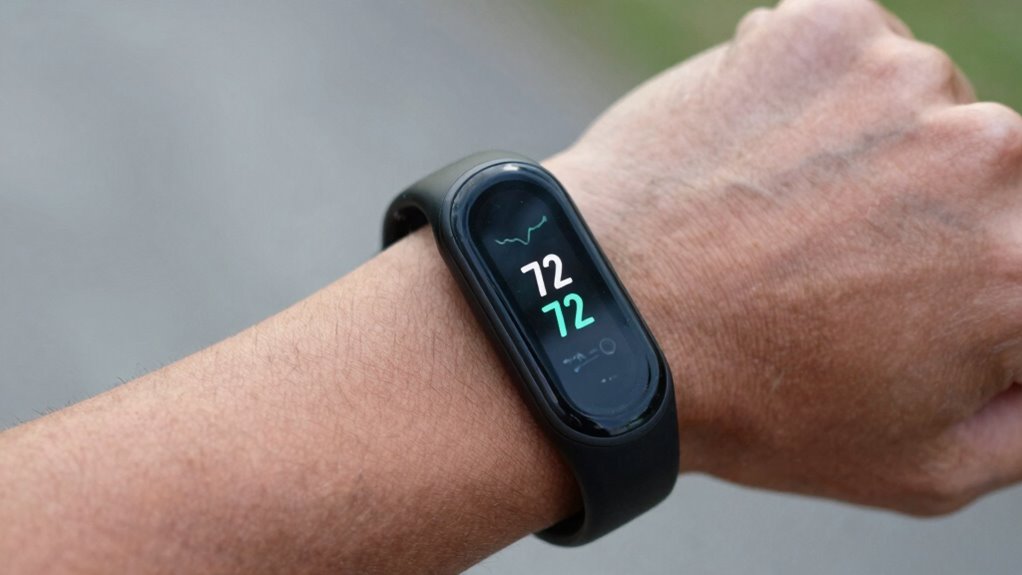
Understanding your resting heart rate is vital for runners because it offers valuable insights into your cardiovascular health and fitness level. When you track this number regularly, you can detect early signs of overtraining, stress, or illness, allowing you to adjust your training accordingly. A lower resting heart rate generally indicates better cardiovascular efficiency, meaning your heart is stronger and pumps blood more effectively. Conversely, an elevated resting rate might signal fatigue or insufficient recovery, prompting you to tweak your routine. Knowing your resting heart rate helps you set realistic goals and measure progress over time, providing motivation and confidence as you see improvements.
Monitoring your resting heart rate isn’t just about numbers; it’s about understanding what influences these numbers. Factors like hydration tips can substantially impact your heart rate. Dehydration causes your heart to work harder to circulate blood, which can raise your resting rate. Staying well-hydrated before, during, and after runs ensures your heart doesn’t have to strain unnecessarily. Incorporate hydration tips like drinking water consistently throughout the day, consuming electrolyte-rich beverages after intense sessions, and avoiding diuretics that dehydrate you. These strategies help maintain ideal blood volume and circulation, keeping your resting heart rate in a healthy range. Additionally, cardiovascular efficiency is a key factor influencing resting heart rate, and understanding it can help you optimize your training and recovery. Proper nutrition also plays an essential role in managing your resting heart rate. A balanced diet rich in fruits, vegetables, lean proteins, and whole grains fuels your body and supports cardiovascular health. Foods high in omega-3 fatty acids, like salmon and walnuts, can reduce inflammation and promote better heart function. Avoiding processed foods and excess sugar minimizes inflammation and metabolic stress, helping your heart function efficiently. Incorporating hydration strategies can further improve blood circulation and support your cardiovascular health, ultimately aiding in maintaining a stable resting heart rate. Maintaining proper hydration and nutrition supports your overall heart health, which is crucial for runners aiming to improve performance and recovery. A well-hydrated body also enhances your body’s ability to regulate temperature and recover from exertion, which are important for overall well-being. Additionally, focusing on recovery techniques can help your heart rate return to baseline more quickly after training sessions, contributing to better overall cardiovascular health. Proper nutrition not only enhances your recovery but also stabilizes your resting heart rate, making your training more effective.
fitness tracker with heart rate monitor
As an affiliate, we earn on qualifying purchases.
As an affiliate, we earn on qualifying purchases.
Frequently Asked Questions
How Often Should I Measure My Resting Heart Rate?
You should measure your resting heart rate daily, preferably in the morning after waking up. Tracking it regularly helps you notice changes related to sleep quality and stress levels. If your resting heart rate increases unexpectedly, it might signal overtraining or poor sleep, so pay attention. Consistent monitoring allows you to adjust your training or recovery strategies, ensuring you stay healthy and optimize your running performance.
Can Resting Heart Rate Predict Injury Risk in Runners?
Resting heart rate alone doesn’t predict injury risk, but it can hint at overall health. When you combine it with heart rate variability, you get a clearer picture of your cardiovascular fitness and recovery status. If your heart rate is consistently high or variability drops, it signals you might be overtraining, increasing injury risk. Monitoring both helps you adjust training before injuries happen, keeping you healthy and on track.
What Factors Can Cause Fluctuations in Resting Heart Rate?
Fluctuations in your resting heart rate can be caused by stress levels and sleep quality. When you’re stressed or experiencing high anxiety, your heart rate tends to rise. Poor sleep or inconsistent sleep patterns also elevate it, as your body doesn’t get enough recovery. Conversely, good sleep and low stress help maintain a stable resting heart rate, indicating better recovery and overall health. Monitoring these factors helps you understand your body’s response to training.
Is a Lower Resting Heart Rate Always Better for Runners?
A lower resting heart rate isn’t always better for runners, as it can vary based on individual fitness and heart rate variability. While a lower rate often indicates good training adaptation, excessively low rates may signal overtraining or fatigue. Focus on balanced training, monitor your heart rate variability, and listen to your body. Ultimately, consistent improvement and overall health matter more than just a number.
How Does Hydration Affect Resting Heart Rate Readings?
Hydration levels considerably influence your resting heart rate readings. When you’re well-hydrated, your heart works more efficiently, often lowering your heart rate and improving heart rate variability. Dehydration, however, can cause your heart to beat faster as your body struggles to maintain blood flow and temperature. To get accurate resting heart rate measurements, make sure you’re properly hydrated, ideally consistent in your hydration habits, and allow your body to stabilize before measuring.
Conclusion
By paying attention to your resting heart rate, you can discover a deeper understanding of your fitness and recovery. It’s a simple, yet powerful tool that guides your training and keeps you motivated. Remember, isn’t it worth knowing how your body’s doing beneath the surface? Monitoring your heart rate isn’t just about numbers — it’s about optimizing every run and reaching your full potential. So, are you ready to listen to what your body’s telling you?
Fall Picks
fall essentials
As an affiliate, we earn on qualifying purchases.