
When choosing your first trail race, select a beginner-friendly course that matches your experience and goals, with clear markings and manageable terrain. Prepare thoroughly by checking the weather, packing essential gear like proper shoes, hydration, and safety items, and familiarizing yourself with the course. Focus on pacing and safety rather than competition, and view the race as a fun learning experience. If you keep exploring, you’ll find tips to help you confidently hit the trails.
Key Takeaways
- Select beginner-friendly races with shorter distances and well-marked courses to build confidence.
- Research race terrain, elevation, and weather conditions to ensure suitability for your experience level.
- Choose races that align with your goals, whether focused on fun, training, or completing a specific distance.
- Prepare necessary safety gear, such as a map, hydration, and first aid kit, especially for remote or challenging trails.
- Schedule your race during favorable weather and allow ample training time to ensure proper preparation.

Starting your trail running journey can be exciting but overwhelming, especially when choosing your first race. With so many options available, it’s easy to feel unsure about which race suits your experience level and goals. The key is to start smart by focusing on trail safety and gear essentials. These elements will set a solid foundation for your first race and guarantee you enjoy the experience without unnecessary risks.
Trail safety should be your top priority from the moment you sign up. Before race day, research the course thoroughly to understand the terrain, elevation changes, and potential hazards. Knowing what you’re up against helps you prepare mentally and physically, and it reduces surprises during the race. Always check weather forecasts and prepare accordingly — trail conditions can change quickly, making safety gear even more important. Carry a small first aid kit, a map or GPS device, and a fully charged phone, so you’re ready for emergencies or navigation issues. Inform someone about your plans, especially if the trail is remote, and stick to marked paths to avoid getting lost or injured. Additionally, understanding trail safety and how to respond to emergencies can greatly improve your confidence on unfamiliar terrain.
Prioritize trail safety by researching the course, checking weather, carrying essentials, and sticking to marked paths.
Equally important is having the right gear essentials. You don’t need an extensive wardrobe, but certain items are essential for a safe and successful race. Invest in a good pair of trail running shoes with proper grip and support; they’ll handle uneven terrain better and help prevent blisters. Dress in moisture-wicking, breathable clothing suited for the weather, and layer up if conditions might change. Hydration is critical, so carry a water bottle or hydration pack, and consider energy gels or snacks to keep your energy levels steady throughout the race. A hat, sunglasses, and sunscreen protect you from sun exposure, while a lightweight jacket or rain gear can be lifesavers if the weather turns.
Preparing your gear and understanding trail safety also means practicing your race-day nutrition and pacing. Don’t start too fast; conserve energy for the latter parts of the race. Use your gear during training runs to see what works best, ensuring you’re comfortable and prepared for race conditions. Remember, your first trail race is about experience and enjoyment. Focus on completing the course safely and celebrating your effort. With the right preparation, attention to trail safety, and essential gear, you’ll set yourself up for a rewarding and memorable trail running debut.
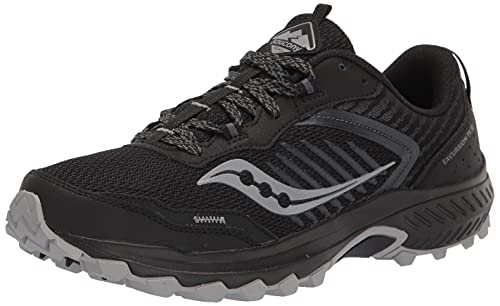
Saucony Men's Excursion TR15 Trail Running Shoe, Black/Shadow, 11
Rugged outsole: Grippy lugs on the outsole are made with carbon rubber for rock-solid footing.
As an affiliate, we earn on qualifying purchases.
As an affiliate, we earn on qualifying purchases.
Frequently Asked Questions
How Do I Train Safely for a Trail Race?
To train safely for a trail race, focus on hydration strategies by drinking water regularly and replenishing electrolytes during long runs. Incorporate mental preparation by visualizing the course and staying positive through challenging sections. Gradually increase your mileage and terrain difficulty to prevent injuries. Listen to your body, rest when needed, and always carry essentials like water, snacks, and a first aid kit. Stay consistent and mindful to enjoy a safe, successful race.
What Gear Is Essential for Trail Running?
You absolutely need trail shoes and a hydration pack for trail running. Trail shoes give you superhuman grip and protection against rocks, roots, and mud, making your run safer and more enjoyable. A hydration pack keeps you from turning into a dried-out desert cactus, ensuring you stay hydrated through every twist and turn. Don’t forget essentials like a lightweight jacket, snacks, and a map—these will turn you into a trail-running superhero!
How Should I Navigate Unfamiliar Trail Routes?
When traversing unfamiliar trail routes, you should rely on navigation tools like a GPS device or a map and compass to stay on track. Remember to follow trail etiquette by staying on marked paths and respecting other hikers. Keep an eye out for trail markers, and don’t hesitate to ask fellow trail users for directions if needed. Stay alert, plan ahead, and enjoy exploring new routes safely.
What Should I Do in Case of an Injury?
If you get injured on the trail, stop running immediately and assess the injury. Use your first aid kit to treat cuts, scrapes, or sprains, and apply injury prevention techniques like immobilizing the area and elevating it if possible. Stay calm, avoid further strain, and call for help if needed. Remember, being prepared with a first aid kit and knowing basic injury prevention keeps you safe.
How Do I Prevent Trail Running Injuries?
Prevent trail running injuries by practicing proper pacing and prioritizing trail running nutrition to stay energized. Prepare with a tapering period before race day to avoid overtraining and fatigue. Focus on footing, flexibility, and strengthening exercises to build a resilient body. Hydrate diligently and listen to your body’s signals, ensuring you don’t push too hard too soon. With consistent care and cautious conditioning, you can conquer trails safely and confidently.

INOXTO Running Hydration Vest Backpack,Lightweight Insulated Pack with 1.5L Water Bladder Bag Daypack for Hiking Trail Running Cycling Race Marathon for Women Men (Light Gray)
❤ 【Ergonomic and comfortable design】 INOXTO Hiking Backpack Water Bladder Vest Kit aligns your back while gently protecting…
As an affiliate, we earn on qualifying purchases.
As an affiliate, we earn on qualifying purchases.
Conclusion
Remember, every journey begins with a single step—think of it as your own Odyssey. Trust your instincts, pick a race that excites you, and embrace the adventure ahead. Like Theseus steering the labyrinth, you’ll find your way by staying true to yourself and savoring each moment. Your first trail race isn’t just about finishing; it’s about discovering your strength and passion. So lace up, take a deep breath, and let your story unfold.

First Aid Only 91248 OSHA-Compliant First Aid Kit, All-Purpose 50-Person Emergency First Aid Kit for Business, Worksite, Home, and Car, 260 Pieces
OSHA-Compliant Emergency Kit: Includes supplies including bandages, gauze, butterfly closures, burn cream packets, antibiotic ointment, BZK antiseptic towelettes,…
As an affiliate, we earn on qualifying purchases.
As an affiliate, we earn on qualifying purchases.

BOOJO 5 Pack Workout Shirts for Men-Quick Dry Black Gym Moisture Wicking Short Sleeve T-Shirts for Running Athletic Casual
【Comfortable & Fit】 Our men's t-shirts are made from premium soft fabric that combines comfort, breathability, and stretch,…
As an affiliate, we earn on qualifying purchases.
As an affiliate, we earn on qualifying purchases.