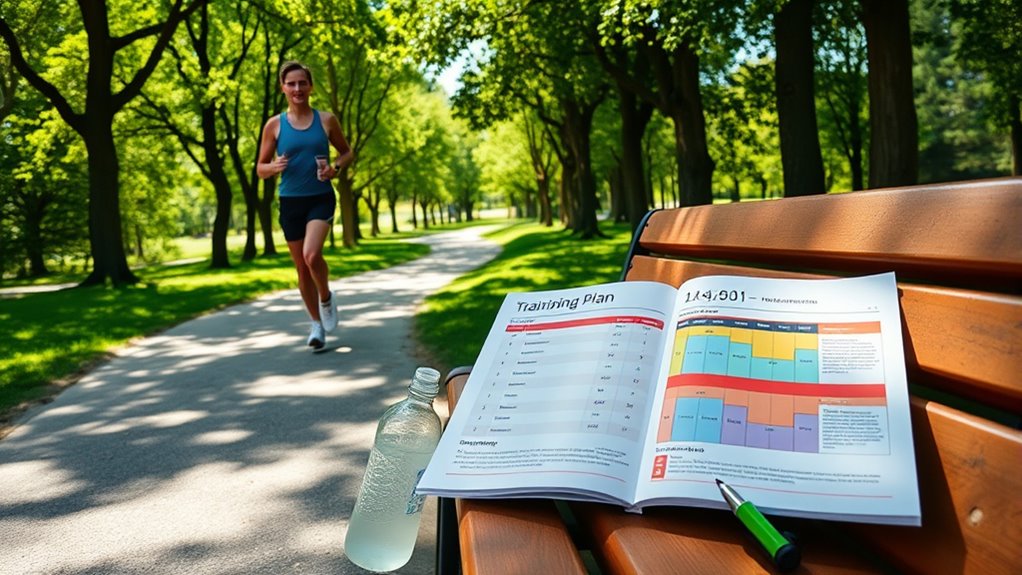

A 12-week half-marathon training plan guides you to gradually build endurance, improve pace, and prevent injuries through a mix of long runs, tempo runs, and cross-training. Focus on proper fueling, hydration, and strength exercises alongside your training. Incorporate rest and recovery days to avoid overtraining. As you follow this structured approach, you’ll boost confidence and fitness. Keep going to discover effective strategies that keep you motivated and injury-free throughout your journey.
Key Takeaways
- Follow a structured 12-week plan gradually increasing weekly mileage and long runs to build endurance safely.
- Incorporate cross-training, strength, and flexibility exercises to prevent injuries and improve running efficiency.
- Prioritize nutrition strategies pre-, during, and post-run to optimize energy, hydration, and recovery.
- Schedule regular rest and easy recovery days to allow muscles to adapt and reduce overtraining risk.
- Use proper footwear and monitor body signals to prevent injuries and ensure consistent progress.

Preparing for a half-marathon requires a structured training plan that gradually builds your endurance and confidence. One of the most important aspects of this plan is paying close attention to your nutrition strategies. Proper fueling not only enhances your performance but also helps your body recover faster and reduces the risk of injury. Before long runs, focus on carbohydrate-rich foods like oats, bananas, and whole-grain bread to top off your glycogen stores. During your runs, consider carrying energy gels or chews to maintain your energy levels, especially on longer distances. Hydration is equally critical; drink water regularly and incorporate electrolyte drinks to replenish lost salts, helping prevent cramping and dehydration. Post-run nutrition should emphasize a mix of protein and carbohydrates—think yogurt with fruit or a protein shake—to repair muscles and restore energy. Additionally, utilizing glycolic acid in skincare routines can support healthy, refreshed skin, which is especially beneficial during intense training periods.
In addition to fueling your body, injury prevention plays a crucial role in your training. As you increase mileage, listen to your body and avoid pushing through pain, which can lead to overuse injuries. Incorporate strength training exercises into your routine, focusing on your core, hips, and legs. Strengthening these areas stabilizes your joints and improves running efficiency, lowering injury risk. Flexibility should be a priority too; include dynamic warm-ups before runs and static stretching afterward to maintain muscle elasticity and prevent strains. Proper footwear is another key element—wearing shoes that fit well and provide adequate support can make a significant difference. Replace worn-out shoes regularly, especially if you notice increased soreness or discomfort.
Cross-training also helps prevent injuries by reducing the repetitive stress placed on your running muscles. Activities like cycling, swimming, or elliptical workouts give your joints a break while still boosting cardiovascular fitness. Be sure to vary your training intensity and volume gradually, avoiding sudden increases that can lead to overtraining injuries. Rest days are equally important; they allow your muscles to recover and adapt. Incorporate easy recovery runs or complete rest days into your weekly plan to stay balanced.

Brooks Men’s Ghost 17 Neutral Running Shoe – Oyster Mushroom/Orange/Ebony – 11 Medium
THIS MEN’S SHOE IS FOR: The Ghost 17 is for runners and walkers alike looking for an everyday…
As an affiliate, we earn on qualifying purchases.
As an affiliate, we earn on qualifying purchases.
Frequently Asked Questions
How Should I Adjust My Diet During Training?
You should adjust your diet by focusing on nutrition strategies that fuel your runs and aid recovery. Increase your intake of carbohydrates for energy and maintain adequate protein to repair muscles. Stay consistent with hydration planning by drinking water regularly and replenishing electrolytes, especially after long runs. Avoid new foods to prevent digestive issues, and listen to your body’s signals to optimize your nutrition and hydration, ensuring you’re well-prepared for each training session.
What Should I Wear for Different Weather Conditions?
Think of your running gear as your shield in weather battles. For rain, wear a lightweight waterproof jacket and moisture-wicking clothes to stay dry and comfortable. In cold weather, layer with thermal shirts and a hat, while in heat, opt for breathable, lightweight fabrics and a visor. Always prioritize weather adaptation—adjust your gear to stay protected, dry, and cool, so you can focus on your run, not the elements.
How Do I Prevent Common Running Injuries?
To prevent common running injuries, focus on proper foot strike to avoid overloading certain muscles. Incorporate a hydration strategy to stay well-hydrated, reducing strain and fatigue. Warm up before runs and stretch afterward to improve flexibility. Listen to your body—rest when needed and avoid overtraining. Strengthening muscles with cross-training also helps prevent injuries. Consistently applying these habits keeps you injury-free and enhances your running performance.
Is Cross-Training Beneficial for Half-Marathon Prep?
Yes, cross-training is highly beneficial for your half-marathon prep. It helps prevent injuries by reducing the impact on your joints and muscles, while improving overall strength and endurance. Incorporate activities like yoga to enhance flexibility and core stability, and prioritize strength training to build muscle support. These exercises diversify your routine, boost performance, and keep you motivated, making your training more effective and less prone to setbacks.
When Should I Taper Before Race Day?
You should start tapering about two to three weeks before race day, gradually reducing your mileage to allow your body to rest and recover. In the race week, prioritize a proper rest period, ensuring you get enough sleep and avoid intense workouts. Focus on race week nutrition by eating easily digestible carbs and staying hydrated. This approach helps optimize your energy and performance for the big day.

Honey Stinger Organic Fruit Smoothie Energy Gel | Gluten Free & Caffeine Free | for Exercise, Running and Performance | Sports Nutrition for Home & Gym, Pre and Mid Workout | 12 Pack, 13.2 Ounce
DELICIOUS A classic fruit blend in a 12ct box. These grab-and-go energy gels are made for quick, sustained…
As an affiliate, we earn on qualifying purchases.
As an affiliate, we earn on qualifying purchases.
Conclusion
Stick to this 12-week plan, and you’ll be surprised what you can achieve. Imagine Sarah, a beginner who followed this guide and completed her first half-marathon feeling strong and confident. With consistent training and dedication, you’ll see progress every week. Remember, it’s about steady growth—not perfection. Lace up, stay committed, and enjoy the journey—you’ll cross that finish line before you know it!

GU Energy Hydration Electrolyte Drink Tablets, Enhanced Endurance Sports Drink for Running, Cycling, Triathlon, 4-Count (48 Servings), Assorted Flavors
Dissolvable hydration electrolyte drink tablets replace sodium electrolytes lost through sweat during exercise, improving performance and recovery
As an affiliate, we earn on qualifying purchases.
As an affiliate, we earn on qualifying purchases.
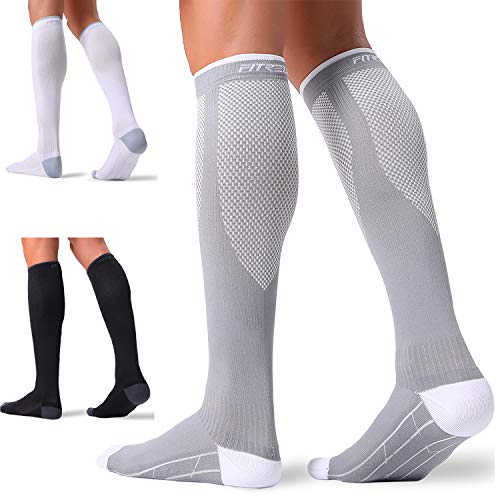
FITRELL 3 Pairs Compression Socks for Women and Men 20-30mmHg- Circulation and Muscle Support Socks for Travel, Running, Nurse, Knee High, Medical Black+White+Grey Small-Medium
【Size Tips】: Choose according to your CALF size first as for 20-30 mmHg. One size smaller if need…
As an affiliate, we earn on qualifying purchases.
As an affiliate, we earn on qualifying purchases.