A 15-minute runner’s yoga flow helps you boost breathing, improve posture, and enhance your running performance. It combines deep, diaphragmatic breathwork with poses that align your spine, open your chest, and strengthen your core. This routine reduces fatigue, prevents injuries, and supports faster recovery. By focusing on breath control and posture, you’ll run more efficiently and with greater stability. Stay with us to discover the full flow that can transform your running practice.
Key Takeaways
- Combines deep diaphragmatic breathing with posture-focused poses to enhance running efficiency.
- Includes spinal alignment, chest opening, and leg-strengthening poses to improve stability and form.
- Promotes relaxation and recovery by activating the parasympathetic nervous system through breath control.
- Helps prevent injuries by improving muscle engagement, balance, and joint stress reduction.
- Serves as a quick, effective routine to prepare the body and mind for running or aid post-run recovery.
Have you ever wondered how runners can boost their performance and prevent injuries? The answer often lies in how well you manage your breath control and posture alignment during your training. Incorporating a quick, focused yoga flow into your routine can make a significant difference. In just 15 minutes, you can improve your breathing patterns and realign your posture, both of which are essential for efficient running and injury prevention. Breath control isn’t just about inhaling and exhaling; it’s about learning to breathe deeply and steadily, engaging your diaphragm rather than shallow chest breaths. When you consciously focus on your breath during yoga, you activate your parasympathetic nervous system, helping you relax and recover faster after runs. Proper breath control also ensures that your muscles receive enough oxygen, reducing fatigue and helping you maintain a steady pace longer.
Posture alignment is equally vital. As you run, your body naturally tends to slouch or lean forward, which can strain your back, hips, and knees over time. During your yoga flow, you’ll focus on aligning your spine, shoulders, and hips to create a strong, balanced foundation. This not only improves your running form but also minimizes undue stress on your joints. When your posture is correct, you engage the right muscles and reduce inefficient movements that waste energy. Your shoulders should stay relaxed and stacked over your hips, while your chest opens up to allow for better breath intake. Proper posture also helps you maintain stability, making it easier to control your stride and prevent overuse injuries like shin splints or IT band syndrome.
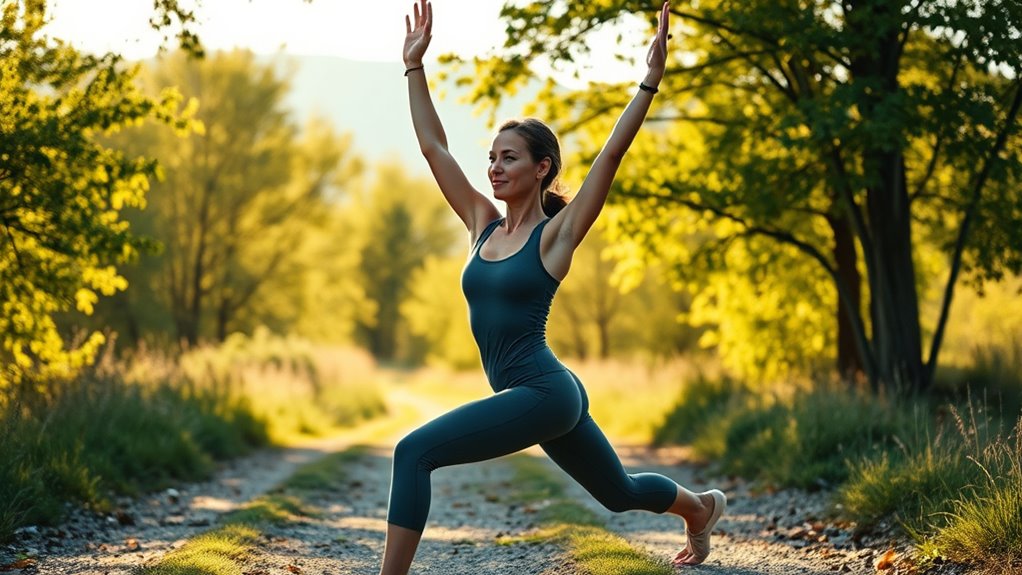
A typical 15-minute runner’s yoga flow combines poses that emphasize breath control and posture alignment. You might start with deep breathing exercises, such as diaphragmatic breathing, to set a calm, focused tone. Then, move into poses like mountain pose, which encourages standing tall and aligning your spine, and cobra or upward dog to open your chest and improve breathing capacity. Warrior poses help strengthen your legs and core while promoting stability and balance. Throughout the flow, you’ll be mindful of keeping your shoulders relaxed, your chest open, and your core engaged. This focus on posture and breath not only prepares your body for running but also helps you recover more efficiently afterward. With consistent practice, these simple yoga exercises become a powerful tool to enhance your running performance and keep injuries at bay.

LIVIKEY Fitness Tracker Watch with Heart Rate Monitor, Activity Tracker with Pedometer, Sleep Monitor, Calories & Step Counter, IP68 Waterproof Smart Watches for Women Men Fitness Watch for Sports
Heart Rate and Sleep Monitoring: The Fitness Tracker monitors your heart rate automatically all day, and you can...
As an affiliate, we earn on qualifying purchases.
Frequently Asked Questions
Can Beginner Runners Do This Yoga Flow Safely?
Yes, beginner runners can do this yoga flow safely. It’s designed to improve running form and enhance breathing techniques, making it perfect for newcomers. Just listen to your body, modify poses as needed, and focus on gentle stretches. You’ll strengthen your muscles, increase flexibility, and develop better breath control, all of which support your running progress. Always start slow and consult a professional if you have any health concerns.
What Equipment Is Needed for the Yoga Sequence?
You only need basic yoga props like a mat, blocks, or a strap for this sequence. These props help support your pose variations, making stretches more accessible and comfortable. If you’re new, props can assist you in maintaining proper alignment and balance. Keep it simple—use what you have at home to enhance your practice, and feel free to modify poses with props to suit your flexibility and strength levels.
How Often Should Runners Practice This Flow?
You should practice this flow at least three to four times a week to unveil its full magic. Consistency benefits are incredible—your flexibility, balance, and recovery will skyrocket! Skipping days means missing out on the transformative power of yoga. Think of it as your secret weapon against injury and fatigue. Make it a non-negotiable part of your routine, and watch your running performance and overall well-being reach new heights!
Are Modifications Available for Limited Flexibility?
Yes, modifications options are available if you have limited flexibility. You can incorporate flexibility adaptations by using props like blocks or straps to make poses more accessible. Focus on gentle stretches and listen to your body, gradually increasing your range. Remember, it’s okay to modify poses to suit your comfort level, ensuring you stay safe while still gaining the benefits of the flow.
Is This Yoga Suitable for Injury Recovery?
Yes, this yoga is suitable for injury recovery. It focuses on gentle stretching benefits that promote healing and flexibility, aiding in injury prevention. By carefully working through poses, you can improve muscle elasticity and reduce tightness, which helps prevent future injuries. Just make sure to listen to your body, modify poses if needed, and consult a healthcare professional if you’re recovering from a serious injury.

Google Pixel Watch 3 (41mm) 2024 Model - Android Smartwatch, Heart Rate Tracking, Fitbit Advanced Running, Fitness Insights, 24-Hour Battery - Champagne Gold Aluminum Case - Hazel Band - LTE
The Google Pixel Watch 3 is designed for performance, with advanced fitness from Fitbit[1,2]; the 41mm screen is...
As an affiliate, we earn on qualifying purchases.
Conclusion
In just 15 minutes, you can considerably improve your running performance and prevent injuries with this quick yoga flow. Did you know that runners who incorporate regular stretching reduce their injury risk by up to 50%? So, next time you hit the pavement, take those extra moments for this simple routine. Your body will thank you, and you’ll enjoy smoother, more efficient runs. Start today and feel the difference in your stride!

Garmin Forerunner 55, GPS Running Watch with Daily Suggested Workouts, Up to 2 Weeks of Battery Life, Aqua
Easy-to-use running watch monitors heart rate (this is not a medical device) at the wrist and uses GPS...
As an affiliate, we earn on qualifying purchases.

Bakoor Fitness Tracker, Fitness Watch with 24/7 Heart Rate Blood Oxygen Sleep Monitor, 1.10" AMOLED HD Touch Color Screen Step Counter, Activity Trackers Pedometer Health Smart Watch for Women Men
【1.10 Inch Display & Custom Watch Face】 Fitness trackers with AMOLED HD Touch Color Screen design, an exquisite...
As an affiliate, we earn on qualifying purchases.