When running in the cold, dress in layers that wick sweat, insulate, and block wind — like a moisture-wicking base, thermal mid-layer, and windproof outer shell. Wear insulated, waterproof shoes and thermal accessories for extremities, such as gloves, hats, and socks. Warm up indoors before heading out, select safe, well-lit routes, and stay visible with reflective gear. Proper preparation and gear make cold-weather runs safer and more comfortable; continue to explore helpful tips that can keep you warm and motivated.
Key Takeaways
- Layer your clothing with moisture-wicking base, insulating middle, and windproof outer layers to stay comfortable and adaptable.
- Wear insulated, waterproof shoes with good traction and thermal socks to keep feet warm and prevent slipping.
- Protect extremities with gloves, a hat, and a neck gaiter to maintain warmth and shield against wind chill.
- Warm up indoors, plan safe routes, and change out of damp clothes immediately after running.
- Use reflective gear and be cautious of icy surfaces to ensure safety during winter runs.

Have you ever wondered how to stay motivated to run when the temperature drops? The key is to prepare your body and gear properly. Layering strategies are essential for maintaining comfort and warmth. Start with a moisture-wicking base layer that pulls sweat away from your skin. This keeps you dry and prevents chills. Over this, add an insulating layer such as fleece or a thermal shirt to trap heat close to your body. Finally, wear a lightweight, windproof outer layer to shield you from cold gusts and light rain or snow. This combination allows you to adapt to changing conditions and prevents overheating or getting too cold.
Layer your clothing with moisture-wicking, insulating, and windproof layers to stay warm and comfortable during cold-weather runs.
Your choice of cold weather footwear also plays a crucial role. Invest in running shoes designed specifically for winter conditions. Look for shoes with good insulation to keep your feet warm and a waterproof or water-resistant upper to prevent moisture from seeping in. Traction is equally important, so opt for shoes with deep lugs or a grippy outsole to avoid slipping on icy or snowy surfaces. If you’re running on icy paths, consider adding traction devices or yaktrax that slip over your shoes for extra grip. Proper footwear not only keeps your feet warm but also provides stability and confidence, making winter runs safer and more enjoyable.
When you go out, pay attention to your extremities. Wear thermal socks and consider using gloves or mittens to keep your hands warm. A hat or headband is vital because a significant amount of heat escapes through your head. Choose a hat made from moisture-wicking material to prevent sweat buildup, which can make you feel colder. If it’s particularly windy, a neck gaiter or buff can protect your face and neck from biting cold and wind chill.
Pre-run, plan your route around well-lit, safe areas and avoid icy sidewalks or roads that haven’t been salted or sanded. Warming up indoors before heading out can get your muscles ready and reduce the shock of cold air. Keep your pace moderate at first, allowing your body to gradually adjust to the temperature. After your run, change out of damp clothes immediately to prevent getting chilled. Hydrate well, as cold weather can mask your thirst, leading to dehydration. Incorporating specialized running gear such as night runners or reflective accessories can also enhance your safety during winter runs.
Running in the cold requires some extra effort and planning, but with the right layering strategies and cold weather footwear, you can stay motivated and enjoy your winter runs. Embrace the challenge, and you’ll find that a brisk winter run can be invigorating and refreshing.
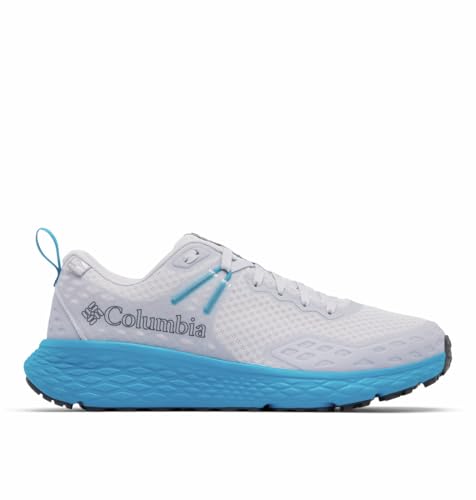
Columbia Men's Konos TRS Outdry Waterproof Shoe, Cumulus Grey/Blue Echo, 10.5
OUTDRY SUPERIOR WATERPROOFING: For moderate to heavy rain or snow. Discover our highest performing, waterproof-breathable footwear, designed with…
As an affiliate, we earn on qualifying purchases.
As an affiliate, we earn on qualifying purchases.
Frequently Asked Questions
How Do I Prevent Cold-Related Injuries During Winter Runs?
To prevent cold-related injuries during winter runs, dress in layers and wear moisture-wicking fabrics. Keep your extremities protected with gloves, a hat, and thermal socks for frostbite awareness. Stay hydrated and avoid overdressing to prevent hypothermia. Pay attention to your body’s signals, and if you start feeling numb or overly cold, cut your run short. These precautions help you stay safe and enjoy your winter runs.
What Should I Wear to Stay Warm Without Overheating?
To stay warm without overheating, you should wear layered clothing using layering strategies. Start with moisture-wicking fabrics to keep sweat away from your skin, preventing chills. Add an insulating layer for warmth, and top it with a breathable, wind-resistant shell if needed. Adjust layers as you warm up, removing or adding clothing to maintain comfort. This approach guarantees you stay warm, dry, and comfortable during your winter runs.
Is Running in Cold Weather Safe for People With Asthma?
Running in cold weather can be safe if you manage asthma triggers carefully. Cold air inhalation may trigger asthma symptoms, so you should wear a mask or scarf over your nose and mouth. I once ran during winter and noticed how proper gear kept my breathing steady. Always consult your doctor before running in cold; with proper precautions, you can enjoy the outdoors safely despite asthma.
How Can I Stay Motivated to Run in the Cold?
You can stay motivated to run in the cold by setting achievable goals and tracking your progress, which boosts your mental resilience. Use motivational strategies like listening to energizing music or running with a friend to keep your spirits high. Remind yourself of the health benefits and how cold runs build mental toughness. Visualize your success, and focus on the positive feelings afterward to stay committed, even when the weather’s tough.
Are There Specific Warm-Up Routines for Cold Weather Running?
Yes, you should do a dynamic warm-up to prepare your muscles for cold weather running. Start with gentle jogging in place, leg swings, and arm circles to increase blood flow. Make sure to wear proper cold weather gear like thermal layers and gloves. These winter running tips help prevent injury and keep you comfortable. Always warm up indoors if it’s extremely cold outside, then head out for your run.

Winter Beanie Hat Scarf Gloves Men Women Warm Knit Set Sock Thermal Soft Plush Lining Cold Weather Skiing Snowboarding (Multicoloured)
Package includes: you will receive 1 piece winter knit beanie hat, 1 piece knitted wool scarf, 1 pair…
As an affiliate, we earn on qualifying purchases.
As an affiliate, we earn on qualifying purchases.
Conclusion
As you lace up and step into the chilly air, remember that your body’s resilience often surprises you. Sometimes, the cold feels harsher before your warm muscles adapt, but with the right gear and mindset, you’ll find yourself enjoying the crisp air more than you expected. It’s funny how a simple run in the cold can turn into a invigorating reminder that you’re stronger than you think—so embrace the chill and keep moving forward.

Zacro LED Reflective Vest Running Gear, 5 Lights Colors High Visibility Reflective Running Gear Rechargeable Light Up Running Vest for Walking Running Cycling, Adjustable for Men Women Kids (Green)
【Stay Safe, Stay Visible with High Visibility】: This LED reflective vest uses top-tier LED lights and reflective strips,…
As an affiliate, we earn on qualifying purchases.
As an affiliate, we earn on qualifying purchases.

Spikeless Ice Cleats, Indoor Outdoor Snow Traction Crampons Anti-Slip Roofing Shoes Grips Grippers Slip-On Rubber Tread Overshoes Spikeless Traction Devices for Slick Wet Slippery Surfaces
【Spikeless Traction Aid】Spikeless ice cleats are perfect for workers frequently transitioning from outdoor to indoor surfaces without causing…
As an affiliate, we earn on qualifying purchases.
As an affiliate, we earn on qualifying purchases.