
To decide between stability and neutral shoes, start with a simple self-check: examine the wear pattern on your current shoes—inner edge wear suggests overpronation and the need for stability shoes, while even wear indicates a neutral gait. You can also do a wet footprint test; a full print points to flat feet, while a narrow print suggests high arches. Knowing your foot type helps you choose the right shoe. Keep exploring to find out the best fit for your gait and needs.
Key Takeaways
- Examine your current shoes for even wear to identify a neutral gait or uneven wear indicating overpronation.
- Perform the wet footprint test: a full footprint suggests flat arches needing stability shoes; a narrow heel-to-arch indicates high arches suitable for neutral shoes.
- Check if your shoes show excessive inner edge wear, which signals overpronation and the need for stability footwear.
- Assess your foot type and gait pattern to determine if you require support (flat feet/overpronation) or prefer flexibility (neutral).
- Consider your running style and injury history to select shoes that match your arch type and support needs.

Choosing the right running shoes can make a significant difference in your comfort and performance, especially when deciding between stability shoes and neutral shoes. Your feet are unique, and understanding how they move and support your body is essential before making a purchase. One of the most crucial aspects to consider is your arch type, which influences the kind of arch support your shoes should provide. If you have a high arch, you might need shoes with more cushioning to absorb shock, while flat arches often benefit from added stability features that help control overpronation. By assessing your arch, you can pinpoint whether stability shoes or neutral shoes will better support your natural gait.
The cushioning level of your shoes also plays a vital role. Stability shoes tend to have a firmer midsole with added support features to prevent excessive motion and control pronation. They often incorporate medial posts or reinforced structures on the inside of the shoe to help guide your foot’s motion and reduce the risk of injury. On the other hand, neutral shoes usually feature a more flexible and softer cushioning level, allowing your foot to move naturally through the gait cycle. If you’re a neutral runner with a well-aligned gait, this type of shoe can provide the comfort and flexibility you need for long-distance runs or everyday training. Additionally, understanding the difference in technology between stability and neutral shoes can help you make a more informed choice.
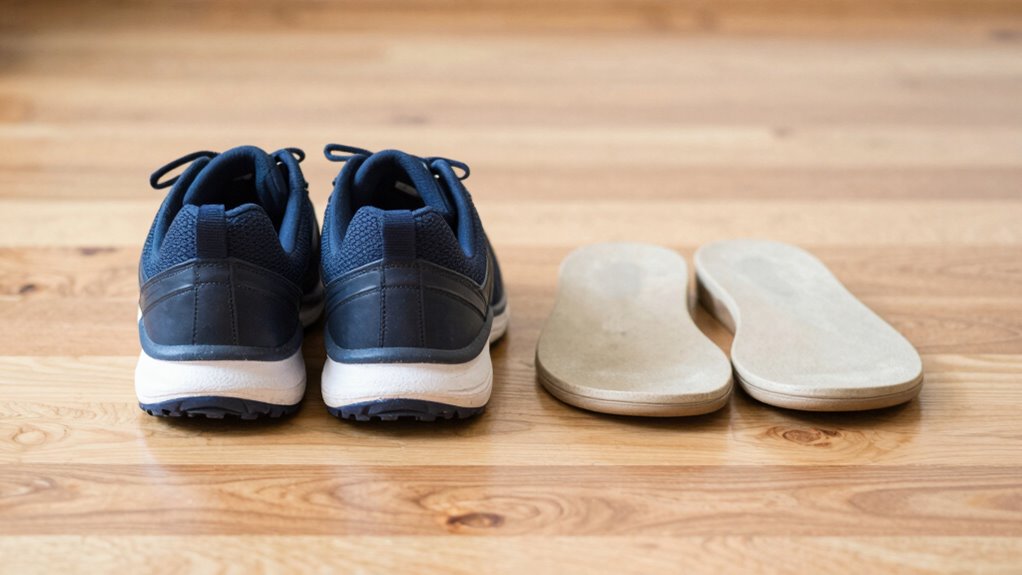
To determine which shoe type suits you best, try doing a simple self-check at home. First, look at the wear pattern on your current running shoes. If the sole wears evenly across the entire surface, you likely have a neutral gait, and a neutral shoe might be your best choice. If the wear is concentrated on the inside edge of the sole, it suggests overpronation, indicating that a stability shoe with increased arch support and motion control features would be more suitable. You can also perform a wet test: wet your foot and step onto a piece of paper. The shape of your footprint can reveal your arch type—more of a full print indicates flat feet, while a narrow footprint suggests high arches.

Brooks Women’s Adrenaline GTS 25 Supportive Running & Walking Shoe – Black/Cyber Pink/Iced Aqua – 7.5 Medium
THIS WOMEN’S SHOE IS FOR: The Adrenaline GTS 25 is perfect for runners and walkers seeking reliable support…
As an affiliate, we earn on qualifying purchases.
As an affiliate, we earn on qualifying purchases.
Frequently Asked Questions
How Often Should I Replace My Stability or Neutral Shoes?
You should replace your stability or neutral shoes every 300 to 500 miles, depending on wear and tear. Keep an eye on the shoe lifespan by checking for worn-out soles, decreased cushioning, or uneven wear patterns. If you notice these signs, it’s time for a new pair. Regularly inspecting your shoes guarantees ideal support and prevents injuries, helping you stay comfortable and safe during your runs or walks.
Can I Wear Stability Shoes for Everyday Walking?
You can wear stability shoes for everyday walking if you need extra arch support and heel stability, but only if they match your foot type and comfort needs. Some stability shoes offer excellent support without feeling bulky, making them suitable for daily use. However, if your feet don’t require added stability, neutral shoes might be better. Always listen to your body and choose shoes that keep you comfortable and supported.
Are Stability Shoes Suitable for Beginner Runners?
Yes, stability shoes can be suitable for beginner runners, especially if you have mild overpronation or need extra support. They help improve your shoe suitability by offering added arch support and motion control, reducing the risk of injury. However, if you’re a new runner with neutral foot mechanics, you might want to start with neutral shoes and see how your body responds before trying stability shoes.
How Do I Know if My Shoes Are Providing Enough Support?
You can tell if your shoes provide enough support by checking if they maintain your arch support without allowing your arch to collapse. If you notice your arch feels strained or collapses during activity, your shoes may lack proper support. Look for shoes that stabilize your arch and prevent excessive movement. Comfortable, snug fit with firm support indicates your shoes are offering the support your arches need to prevent injury and fatigue.
Do Stability Shoes Improve Running Performance?
Stability shoes can improve your running performance if you have overpronation, as they offer better overpronation correction and help prevent injuries. They also tend to have enhanced shoe durability, supporting your feet during longer runs. However, if you don’t overpronate, neutral shoes might be better for natural movement. Choosing the right shoe depends on your gait and comfort, so consider trying both and consulting a specialist.

Brooks Women’s Ghost Max 3 Neutral Running & Walking Shoe – Coconut/Chateau Grey/Blue – 8.5 Medium
THIS WOMEN’S SHOE IS FOR: Offering the perfect balance of comfort and protection, the Ghost Max 3 features…
As an affiliate, we earn on qualifying purchases.
As an affiliate, we earn on qualifying purchases.
Conclusion
Now that you know how to do a simple self-check, choosing between stability shoes and neutrals becomes a walk in the park. Remember, don’t put all your eggs in one basket—trust your own assessment more than anything. When you listen to your body and follow these easy steps, you’ll find the perfect fit without breaking a sweat. So go ahead, take that first step confidently—you’re closer to running comfortably than ever before!

Dr. Scholl’s Flat Feet Support Insoles for Women, Size 6-10: Immediately Relieve Discomfort, Cradle Feet & Improve Ankle Alignment, Due to Overpronation,Low & Fallen Arches, Reduces Lower Body Stress
FLAT FEET SUPPORT: Immediately relieves discomfort of flat feet and fallen arches while reducing daily stress on your…
As an affiliate, we earn on qualifying purchases.
As an affiliate, we earn on qualifying purchases.

Brooks Women’s Ghost 17 Neutral Running Shoe – Clearwater/Navy Peony – 9.5 Medium
THIS WOMEN’S SHOE IS FOR: The Ghost 17 is for runners and walkers alike looking for an everyday…
As an affiliate, we earn on qualifying purchases.
As an affiliate, we earn on qualifying purchases.