Choosing between a rower and a bike for off-season cardio depends on your fitness goals and preferences. If you want a full-body workout that builds strength and endurance, the rower’s engaging approach is ideal. On the other hand, if you’re looking for a low-impact option that targets your legs, cycling might be more suitable. Think about your accessibility to equipment and the type of workout you enjoy. Stick around to discover more insights to help you decide.

Get workout gear delivered free with Prime
- Fast, free delivery on millions of items
- Prime Video, Amazon Music and more included
- Member-only deals all year
Key Takeaways
- Assess your fitness goals: choose rowing for high-intensity strength and endurance, or cycling for gentler cardio and leg strength.
- Consider joint health: rowing engages multiple muscle groups, while cycling offers a low-impact option ideal for injury recovery.
- Evaluate workout preferences: rowing provides a full-body experience, whereas cycling allows for outdoor exploration and a more relaxed workout.
- Review access to equipment: ensure you have convenient access to a rower or stationary bike to maintain a consistent routine.
- Focus on enjoyment: select the option that you find more engaging and enjoyable to enhance long-term adherence to your fitness journey.

When it comes to choosing between a rower and a bike for cardio, how do you know which one’s right for you? Both options provide excellent cardiovascular workouts, but they cater to different preferences and fitness goals. Understanding the unique benefits of each can help you make an informed decision.
Let’s start with the rower. One of the main rower benefits is its ability to engage multiple muscle groups simultaneously. When you row, you’re not just working your legs; your core, back, and arms are all involved. This full-body workout can lead to improved muscle tone and strength. Additionally, because rowing mimics the motion of water sports, it can enhance your functional fitness, making it easier to perform daily activities. If you enjoy variety, many rowing machines offer different resistance levels and programs to keep your workouts interesting. Incorporating muscle engagement from both your upper and lower body, rowing can also boost your overall calorie burn during workouts. To maximize your results, maintaining proper form is essential, which can be easier with adjustable resistance and real-time feedback. Furthermore, rowing can help improve your cardiovascular endurance through sustained, high-effort sessions.
The rower offers a full-body workout, engaging multiple muscle groups for improved strength and functional fitness.
On the other hand, a bike has its own set of advantages. Bike advantages include lower impact on your joints, making it a great option if you’re recovering from an injury or prefer a gentler workout. Cycling can also be a fantastic way to build leg strength and endurance without putting too much stress on your knees and ankles. If you’re someone who enjoys outdoor activities, cycling allows you to explore different terrains and enjoy the scenery, adding a motivational element to your cardio routine. Plus, the multi-muscle engagement involved in rowing can lead to more comprehensive fitness improvements compared to cycling, which primarily targets the lower body.
Consider your personal fitness goals and preferences when choosing between these two. If you’re aiming for a high-intensity workout that combines strength and endurance, the rower might be your best bet. However, if you’re looking for a more relaxed ride that still gets your heart pumping, cycling could be the way to go.
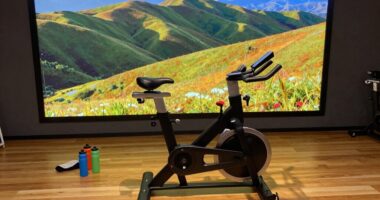
Think about how each option fits into your lifestyle, too. Are you more likely to hop on a stationary bike in your living room, or do you envision yourself gliding along on a rower? The convenience of access can have a significant impact on your consistency, which is essential for achieving your fitness goals. Additionally, the availability of equipment at your gym or home can influence your choice, ensuring you stay committed to your routine. Using proper equipment placement can also enhance your workout experience and reduce distractions.
Ultimately, whether you choose a rower or a bike, both will provide substantial cardiovascular benefits. The key is to select the one that resonates with you, keeps you engaged, and fits seamlessly into your off-season cardio routine. No matter which you pick, you’ll be on your way to a healthier you!
rowing machine with adjustable resistance
As an affiliate, we earn on qualifying purchases.
As an affiliate, we earn on qualifying purchases.
Frequently Asked Questions
Which Equipment Offers Better Joint Support During Workouts?
When it comes to joint support, a rower typically offers better injury prevention than a bike. Rowing minimizes joint impact by distributing forces evenly across your body, reducing strain on your knees and hips. In contrast, cycling can sometimes place more pressure on those joints, especially if your form isn’t perfect. If you’re looking to protect your joints while getting a great workout, you might want to lean towards rowing for your off-season cardio.
Can I Use a Rower or Bike for Strength Training?
You can definitely use a rower or bike for strength training! With the rower, you’ll build your back, arms, and legs while also enhancing your core strength. Its versatility offers a full-body workout. On the other hand, biking primarily targets your lower body, improving leg strength and endurance. So, if you’re looking for an all-encompassing strength routine, the rower’s benefits might edge out, but don’t underestimate the bike’s advantages in sculpting those legs!
How Much Space Do Rowers and Bikes Require?
When considering space for a rower or bike, it really depends on the equipment dimensions. Rowers typically require a longer footprint, often around 8 to 9 feet in length. Bikes, however, usually need less space, about 4 to 6 feet. Think about your space considerations: if you’re tight on room, a bike might be a better fit. Just make sure to account for any additional space needed for movement and storage!
Are There Specific Brands Recommended for Beginners?
If you’re just starting out, brands like Concept2 for rowers and Schwinn for bikes are often recommended. They offer excellent durability and user-friendly features. For beginner tips, focus on comfort and adjustability; you want something that fits your body well. When making brand comparisons, consider warranty and customer support, as these can be essential for new users. It’s all about finding the right fit for your off-season cardio goals!
What Accessories Enhance the Experience of Using a Rower or Bike?
To ride the wave of fitness, consider accessories that amplify your journey. A heart rate monitor keeps you in tune with your body’s symphony, ensuring ideal calorie burn. A quality seat cushion can turn a hard bike ride into a cloud-like experience, while a rowing machine’s foot straps provide stability and control. Adding resistance bands can also spice things up, enhancing both strength and endurance, making every workout feel like a dance.
Conclusion
Ultimately, whether you choose the rower or bike, think of it as setting sail on your own fitness journey. The rower offers the rhythm of gliding through water, building strength and endurance, while the bike takes you on winding roads, pedaling towards new horizons. Trust your instincts and envision what excites you more—embracing the fluid motion of rowing or the exhilarating breeze of cycling. Whichever path you choose, you’ll keep your cardio thriving through the off-season.
Fall Picks
fall essentials
As an affiliate, we earn on qualifying purchases.